1.About the project
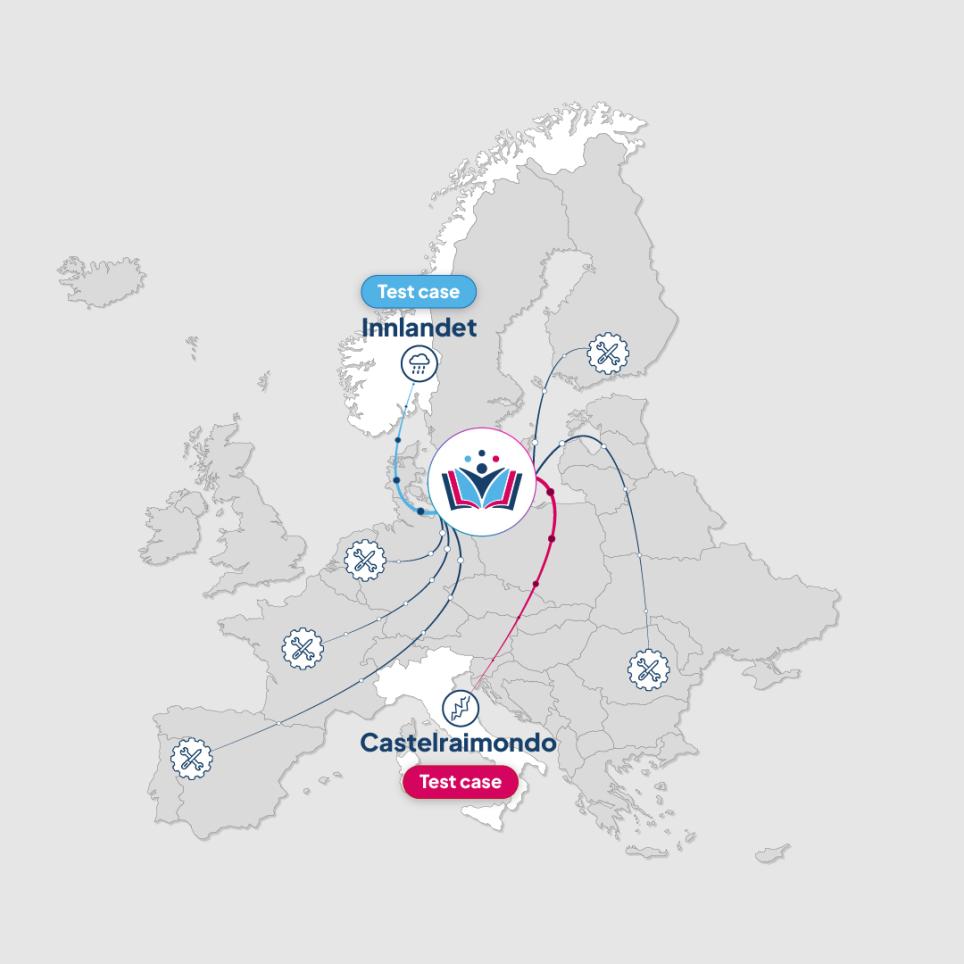
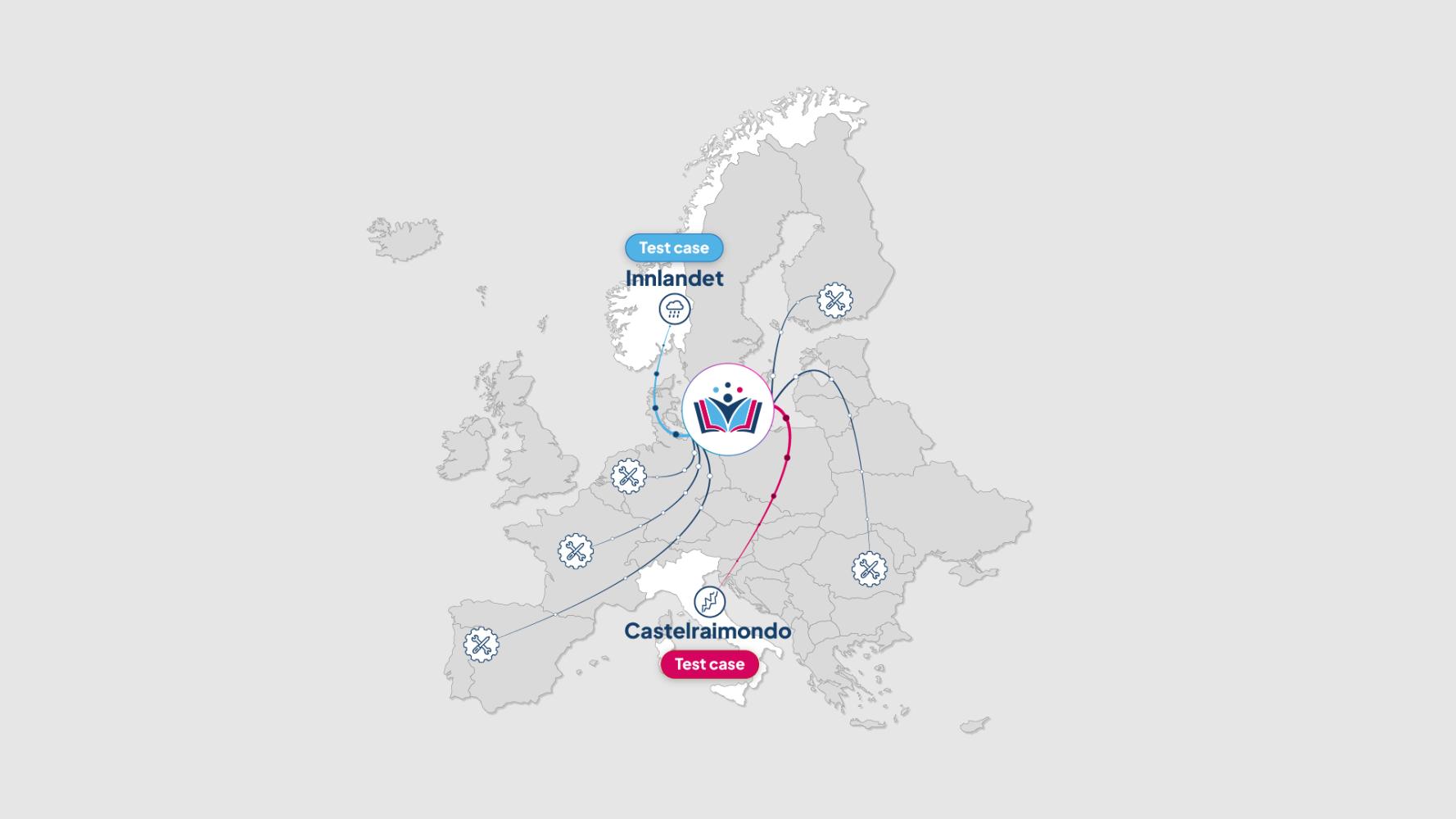
The Empower-Citizens project builds on EU and national initiatives to review, adapt, and integrate existing practices for eliciting, selecting, filtering and aggregating experience and feedback from citizens, communities and civil society organisations to improve preparedness plans. The co-creation, critical thinking and participatory activities involving local authorities and civil society organisations contribute to all project results. The first output is a compilation of the most relevant and practical methods in an easy-to-use booklet. These methods support application of the project’s main result: a procedure for revising and improving preparedness plans by incorporating citizens' knowledge and experience called “Citizen & Authority Learning and Improving Preparedness Plans” (CLIPP). An important pre-requisite is a swift integration of CLIPP into authorities’ processes and ways of working. Hence, CLIPP includes practical guidelines and support tools that will help apply it in local contexts. As part of the project, the CLIPP procedure is being tested in the revision of two real preparedness plans in Castelraimondo, Italy and Innlandet County, Norway, with citizen-learned lessons at their core, and will subsequently be scaled up for a wider application at a European level.
This blog post briefly outlines the first version of the procedure and describes two workshops, run in Italy and Norway, to discuss its design and applicability.
2. How CLIPP Turns Citizens' Feedback into Action
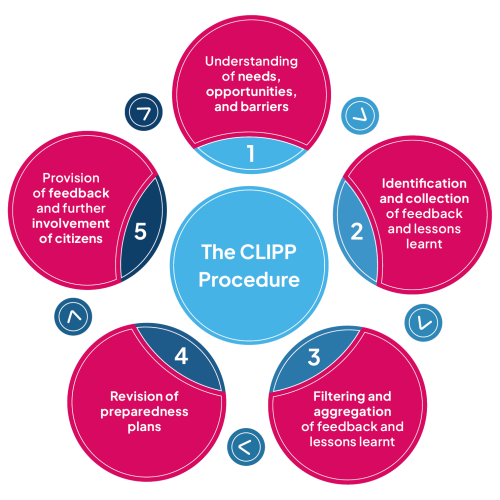
The CLIPP procedure is a step-by-step process demonstrating in practice how to integrate citizen knowledge in preparedness planning. CLIPP operates through five key stages, each of which is associated with specific guidelines that support local authorities in implementing and completing the various steps of the procedure, including criteria for the selection of the most suitable methods for a particular step and context. By institutionalising a two-way communication with citizens, the CLIPP procedure exploits local knowledge, strengthening adaptive capacity to enhance societal resilience for disaster risk reduction and preparedness.


3. Working together to evaluate and refine the CLIPP procedure
The aim of the two workshops was to enable participants from different target groups (civil protection representatives, civil society organisations, community groups, local authorities and other relevant local stakeholders) to collaboratively evaluate and refine the CLIPP procedure. During the sessions they explored the five steps, allowing time for joint engagement, discussion, and reflection. Activities were structured to prompt identification of potential barriers, enablers, and opportunities relevant to each phase.
Participants were recruited through targeted outreach and using a snowballing sampling method (initial participants were asked to suggest other individuals who fit the criteria), which ensured broad and diverse participation. The Norwegian workshop was conducted online, whereas the workshop in Italy was run in situ, reflecting contextual and spatial specificities. Both workshops had the same overall structure: each session began with a presentation of the CLIPP procedure, including a detailed overview of each step, followed by group activities investigating five key themes:
- Stakeholders: Who should lead this step and who needs to be involved?
- Resources: What resources, guidance, or tools are necessary to carry out this step?
- Barriers: What risks or barriers could hinder the effective development of this step? What could make this step easier or more effective in your context?
- Opportunities: What opportunities could arise from successfully completing this step?
- Other: Any additional comments or suggestions regarding this step or the overall process?
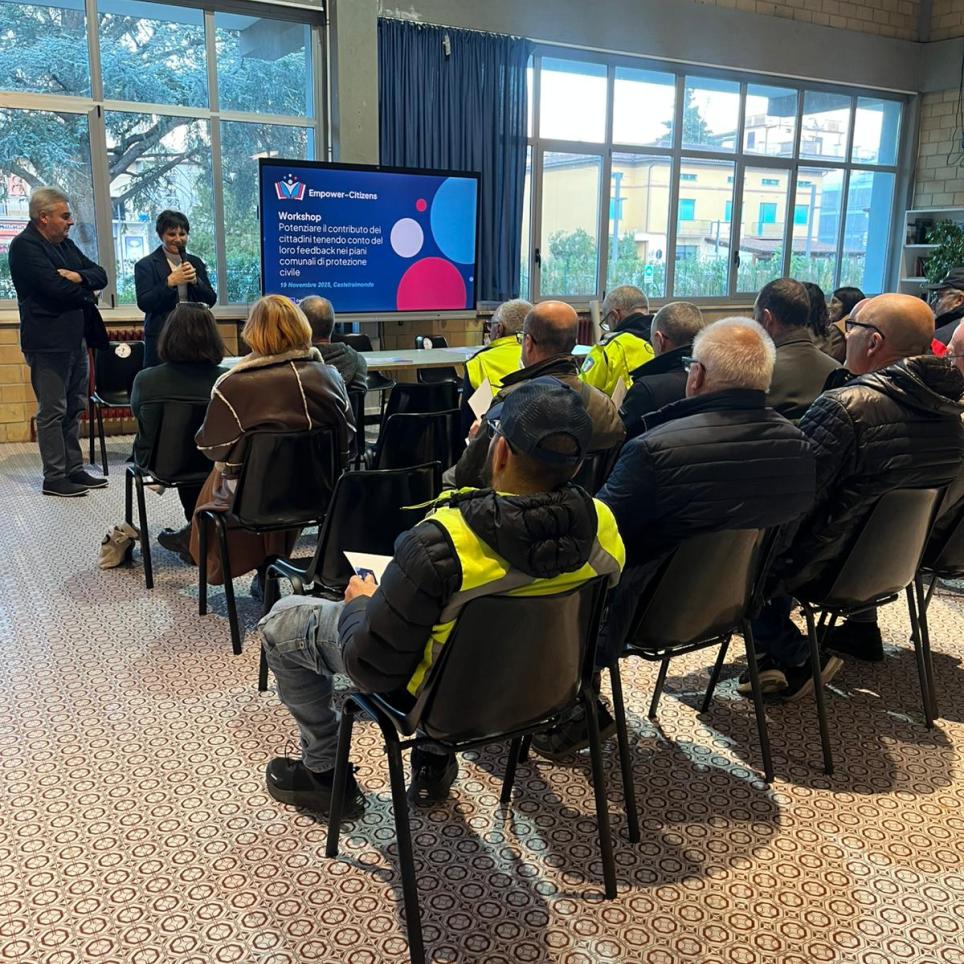
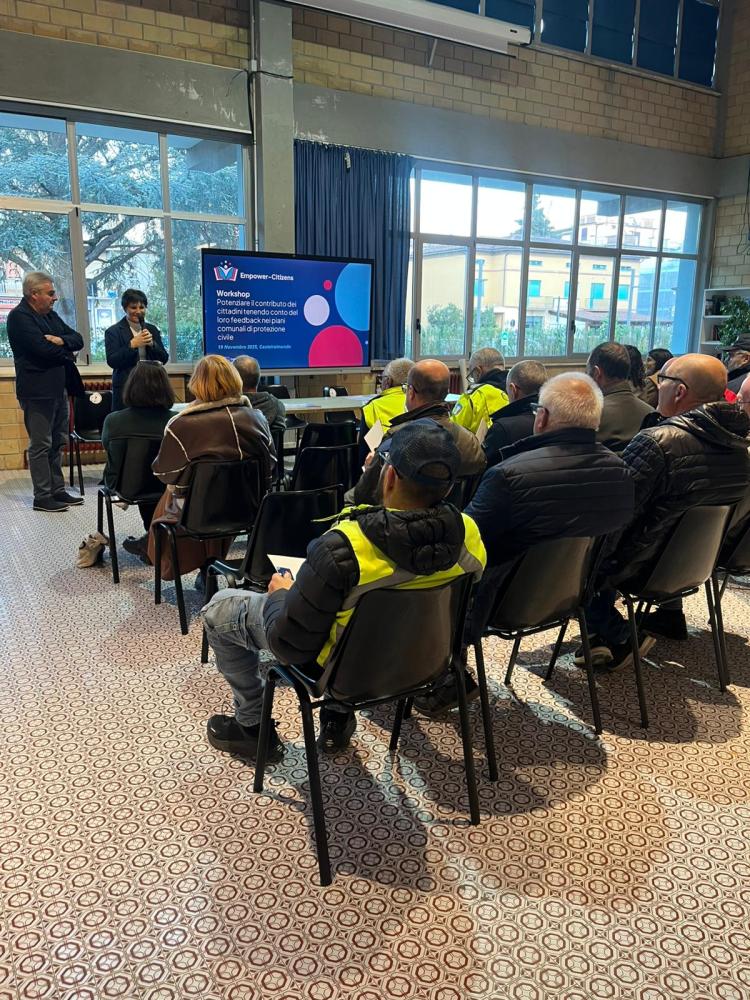
4. Key outputs and next steps
The workshops held in Italy and Norway provided valuable insights into how the CLIPP procedure is understood and could be further operationalised. While the approach is widely regarded as sound and highly relevant, participants emphasised that its practical implementation should consider small municipalities with limited resources. Another important lesson is that CLIPP could be implemented within existing preparedness and training activities. Based on the cross-country findings, recommendations for revising and improving the procedure were identified, including feedback regarding its design, use and applicability. By integrating these improvements, CLIPP can better support municipalities in building robust, inclusive, and collaborative systems for crisis preparedness and learning. This is just a first step in the development process of the procedure, and one that will be followed by further testing, design and validation phases.
Please see our next blog, planned for Q1 of 2026, for detailed results of these two workshops and their implications on the shaping and development of the first version of the CLIPP procedure due to be released in January 2026.