
UCP Knowledge NetworkApplied knowledge for action
Ready project

READY – Cross-Sector training for cultural heritage protection

By Knowledge Network – Staff memberPublished on

Europe’s cultural heritage is increasingly threatened by natural hazards, extreme weather events, conflict, and other crises—risks that are being intensified by climate change. Many EU Member States have expressed concerns about a lack of preparedness to address these challenges alone.
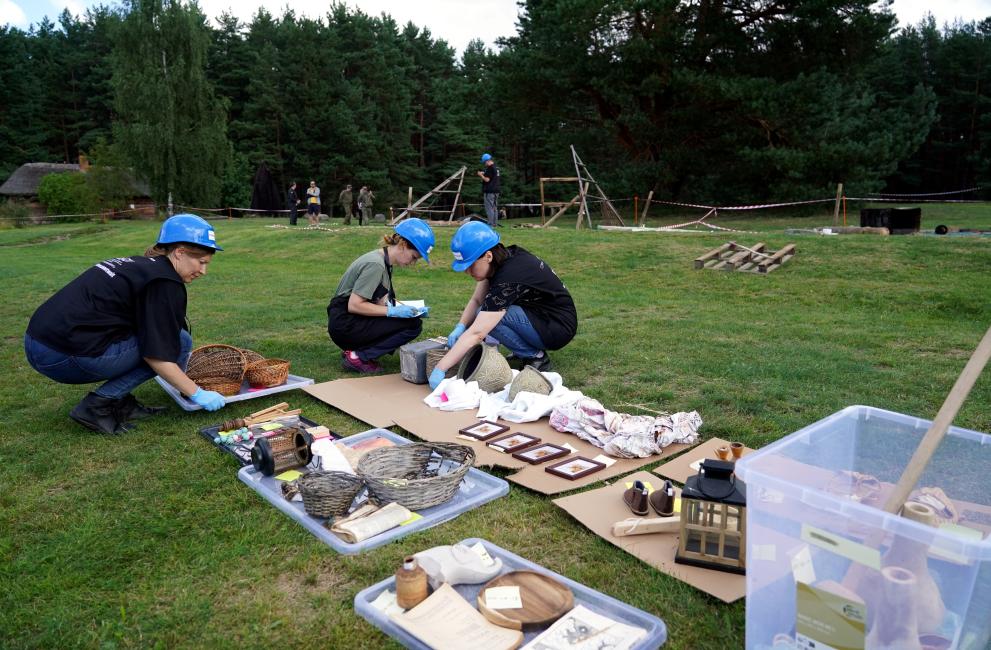
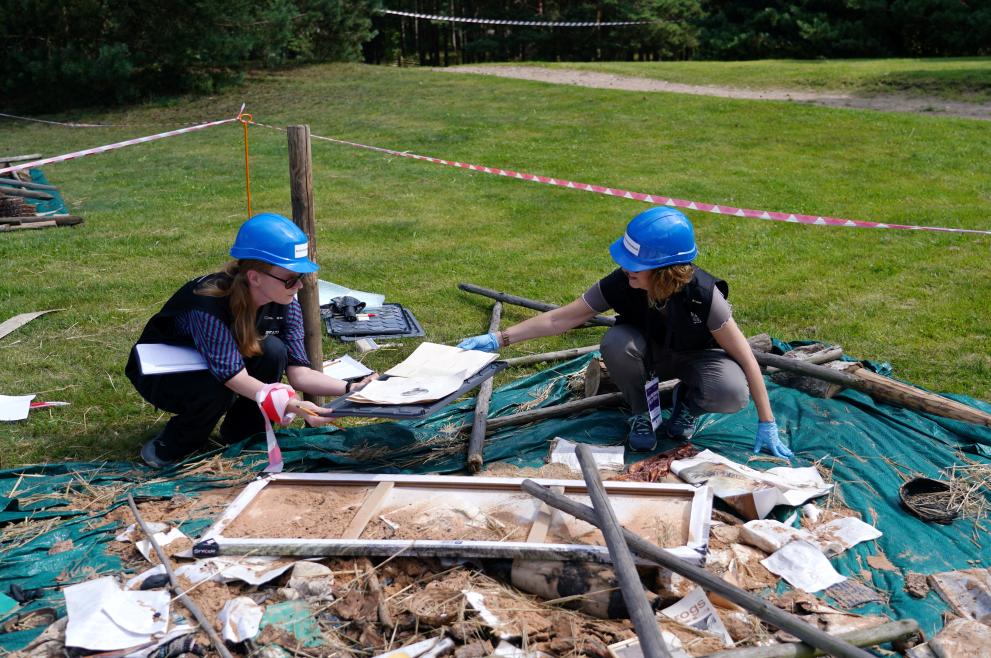
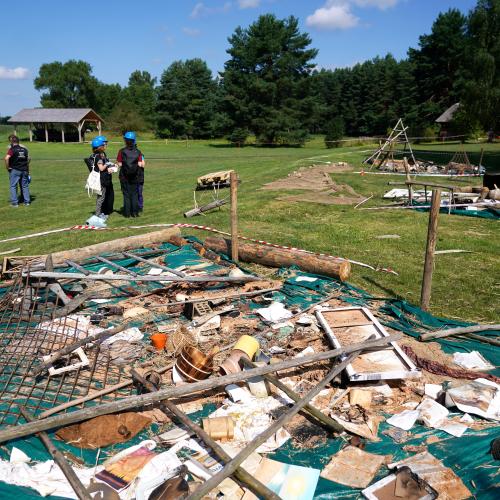
In response, the European Commission’s Directorate-General for Education, Youth, Sport, and Culture (DG EAC) launched READY – Safeguarding Cultural Heritage from Disasters, Extreme Weather Events, and Complex Emergencies.


Knowing is caring communities aware of their heritage’s vulnerabilities are more likely to safeguard it.

Collaborative and community-based approaches

Local communities are also involved, to increase awareness of cultural heritage vulnerabilities and to encourage participation in safeguarding measures. In many cases, community members are among the first to arrive after a crisis, making their training and inclusion in response efforts relevant for effective risk management.

Over its three-year duration, READY will train up to 75 professionals, using a “train the trainers” approach intended to enable participants to share knowledge within their institutions and communities. The project aligns with broader efforts to integrate cultural heritage into disaster risk management and climate change policies, including the EU Preparedness Union Strategy.

Cultural heritage is not merely a passive victim of disaster—it is an active agent within the system.

The first training cycle, Track 1, brought together participants from across Europe, including civil protection officers, museum directors, conservators, and cultural policy specialists. Many participants noted that they were able to apply lessons even before completing the course. One conservator in Estonia said that they were able to adapt their museum’s risk management planning during the online training phase, while others have already initiated discussions in their institutions about building cooperative networks with emergency services. As one participant from Latvia put it, the training “activated the creation of a cooperation network and the restoration of broken ties” in her country. For others, it was “a wake-up call” to the potential for stronger European coordination in protecting cultural assets.

The programme’s practical focus has encouraged concrete initiatives. A museum head in Bosnia and Herzegovina plans to create a cultural heritage first aid team, while in Armenia, new preparedness tools are being introduced across the museum sector. Others are working on projects ranging from safeguarding intangible traditions to improving fire prevention in archives.

Integrating cultural heritage protection into national and EU emergency planning and response strategies remain a stated objective, with the aim of supporting resilience and recovery in the event of disasters.