UCP Knowledge NetworkApplied knowledge for action
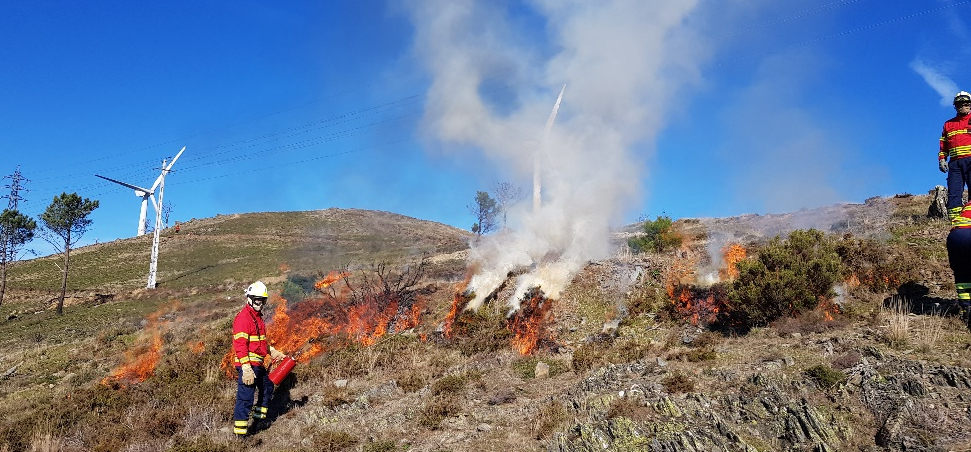
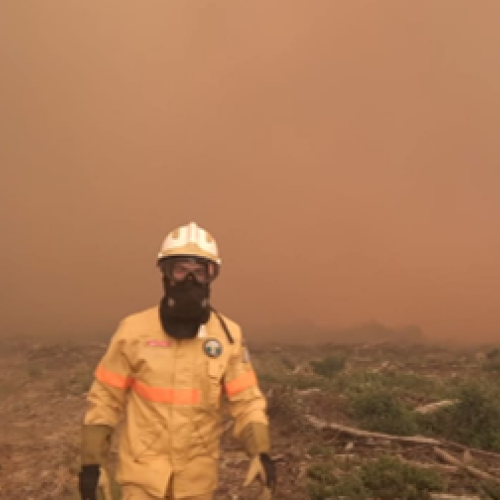
Marco Pires in his protective suit on burnt terrain in proximity of a wildfire.

Prescribed Burning in Portugal: Using Fire to Manage Risk

Published on

Prescribed burning is the deliberate and carefully controlled use of fire to reduce fuel loads and strengthen landscape resilience. It involves the expert, deliberate, and authorised use of fire in designated areas, to achieve specific land management objectives. This practice is well established and commonly used in several European countries, notably France, Spain and Portugal.

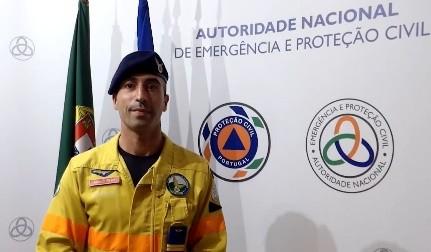
By Knowledge Network – Staff member

During the 2025 wildfire season, more than 1 million hectares burned across the European Union, according to the European Forest Fire Information Systemopens in new tab (EFFIS). This is the highest figure recorded within the EU since 2006. As a result, the urgency for proactive fire and landscape management has never been greater. One of the tools gaining renewed attention is prescribed burning. 

Good fire vs. bad fire

Some experts distinguish between “good fire” and “bad fire.” Good fire refers to controlled, planned burns carried out under carefully selected conditions to manage vegetation, reduce fuel loads, and maintain ecosystem health. Bad fire refers to uncontrolled wildfires that threaten lives, property and ecosystems, and require suppression measures, such as building firelines, deploying firefighting crews and aircraft, and using water or retardant to halt or slow fire spread. 

The purpose of controlled or prescribed burning is to reduce fuel loads while supporting pasture renewal and maintaining habitats and ecosystems. Pires explains that fire has shaped our landscapes long before humans existed; it is a natural element, not an enemy. As he puts it:  

“Perhaps we should reconsider the term ‘firefighters’. Rather than fighting fire in all its forms, we should strive to become ‘fire understanders’. The better we understand how fire behaves, the better equipped we are to take effective measures and make informed decisions.”

Prescribed burning as a laboratory to understand fire

According to Pires, these subtle differences in how various fuels react to fire are precisely what make prescribed burning such a valuable “laboratory” for learning. It offers firefighters a controlled environment in which they can observe fire behaviour and understand the complex dynamics of wildfires to ultimately manage them more safely and effectively. 

Pires explains prescribed burning as a remedy to uncontrolled wildfires, a tool applied by trained experts under strict conditions. 

“The meaning of prescribed burning lies in the word itself. Much like a doctor’s prescription, it is a treatment applied under carefully defined conditions, an intentional remedy designed to prevent a far more dangerous illness: an uncontrolled wildfire.”

In Portugal, planning and executing prescribed burns requires close coordination among multiple entities. Each burn requires a detailed strategic plan prepared by trained technicians, supported by an operational plan and supervised by a certified burn controller with operational staff on site. Collaboration with local civil protection authorities, municipal forestry offices and sub-regional command centres is mandatory. After each burn, detailed records and reports are produced to analyse outcomes and inform future operations. A standardised national digital platform makes it possible to have all this data in a single, easily accessible location. This meticulous approach ensures that prescribed burning is safe, effective, and reproducible. 

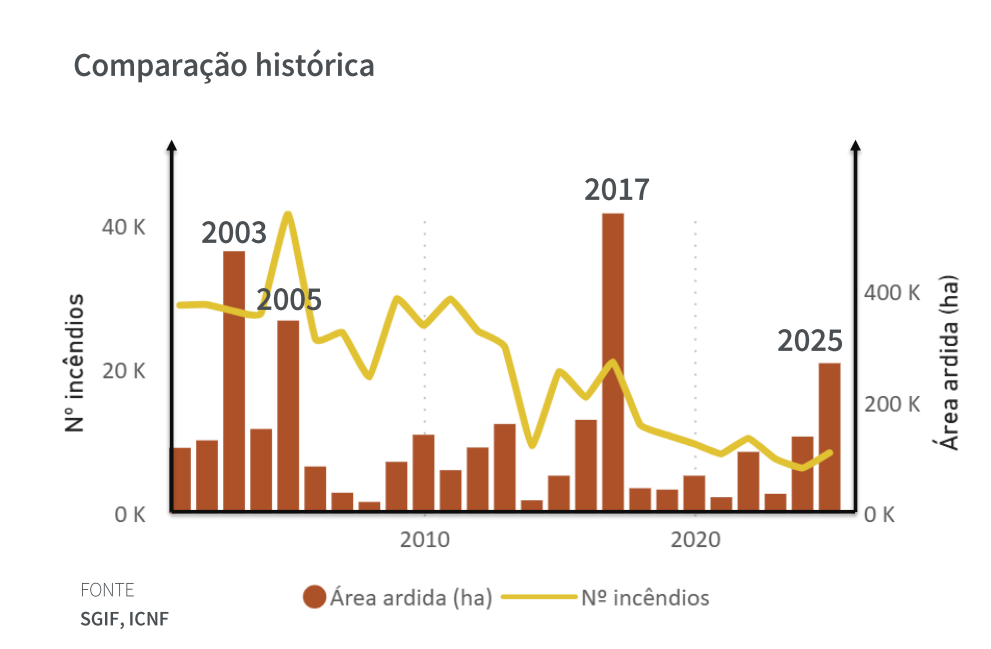
However, reductions in ignition frequency do not necessarily translate into proportional decreases in burned area, as large wildfires, although relatively infrequent, account for a disproportionate share of the total area burned. 

Effective wildfire management, Pires explains, requires not only technical competence but also a deep understanding of landscapes, ecosystems, and human settlements. By integrating prescribed fire into regular forest management, Portugal aims to foster resilience and coexistence with fire, rather than attempting to eliminate it entirely.

About the author

The Knowledge Network – Staff member

The Knowledge Network editorial team is here to share the news and stories of the Knowledge Network community. We'd love to hear your news, events and personal stories about your life in civil protection and disaster risk management. If you've got a story to share, please contact us.