UCP Knowledge NetworkApplied knowledge for action
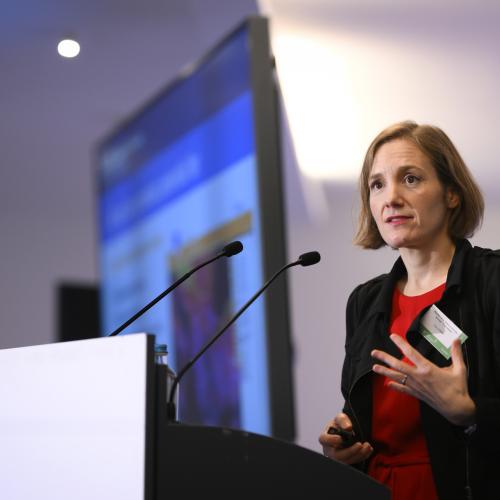
Tina Comes delivering a speach on stage during the Global Initiative on AI event in December 2025.

Responsible AI for Disaster Management: Interview with Professor Tina Comes

Published on

Tina Comes is Director at the German Aerospace Center’s Institute for the Protection of Critical Infrastructures and Full Professor at TU Delft, where she focuses on applying decision science and digital technologies to enhance resilience and disaster risk management.

By Knowledge Network – Staff member

Introduction

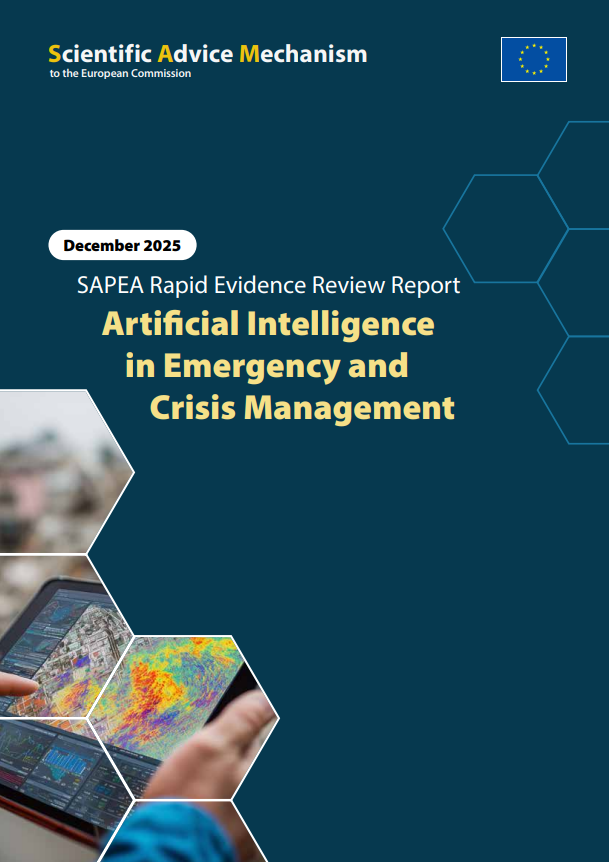
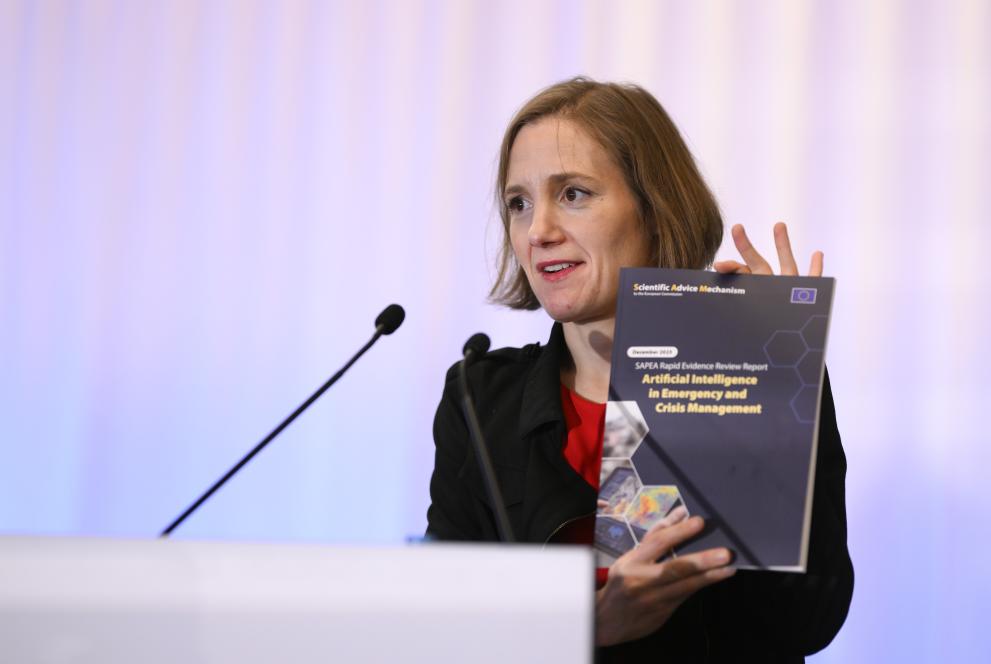
At the workshop of the Global Initiative on Resilience to Natural Hazards through AI Solutions, Professor Tina Comes presented the “AI in Emergency and Crisis Management Rapid Evidence Review” (SAM) report. The Scientific Advice Mechanism (SAM) is an EU initiative that provides independent scientific evidence and policy recommendations to the European institutions, bringing together leading scientists and European academies. 

Commissioned by the Directorate-General for European Civil Protection and Humanitarian Aid Operations (DG ECHO), this report responds to a need identified by the Emergency Response Coordination Centre (ERCC) to better understand the reliability and maturity of current AI applications in emergency management and the lessons learnt that can inform their use in civil protection. It therefore provides an overview of current AI applications in disaster risk management (DRM) and a set of policy options for their responsible use. 

Rather than providing a fixed list of AI tools, which would quickly become outdated, the report aims to empower practitioners and policymakers by highlighting what to consider when procuring, testing, or co-designing AI systems. It focuses on enabling informed decisions for both preparedness and response, ensuring that AI is used effectively and responsibly in crisis contexts.


AI can also help move from simply detecting damage to understanding the broader societal impact of hazards, for instance, how disasters affect livelihoods and economic stability. This understanding, in turn, can inform more effective response and recovery strategies.


Another crucial point is sovereignty and autonomy. In Europe, we are often dependent on technology developed elsewhere, which could suddenly become unavailable. If AI is used in crisis management, the systems and underlying data must be reliable and under sufficient control.

What role do you hope the Rapid Evidence Review will play in guiding the use of AI in disaster risk management?

I hope the report will be useful for practitioners and policymakers. We decided not to provide a list of AI tools, given the rapid pace of AI development, such a list would quickly become outdated. Instead, the report focuses on what to look for when procuring, testing, or co-designing AI tools. It is meant to empower users to make informed decisions rather than provide a fixed toolset. If it helps readers navigate the field of AI in disaster management and supports effective decision-making, then I will be very happy.

2 Likes

About the author

The Knowledge Network – Staff member

The Knowledge Network editorial team is here to share the news and stories of the Knowledge Network community. We'd love to hear your news, events and personal stories about your life in civil protection and disaster risk management. If you've got a story to share, please contact us.