Affligem, Belgium – Third Training of Trainers Course for UCPM training staff
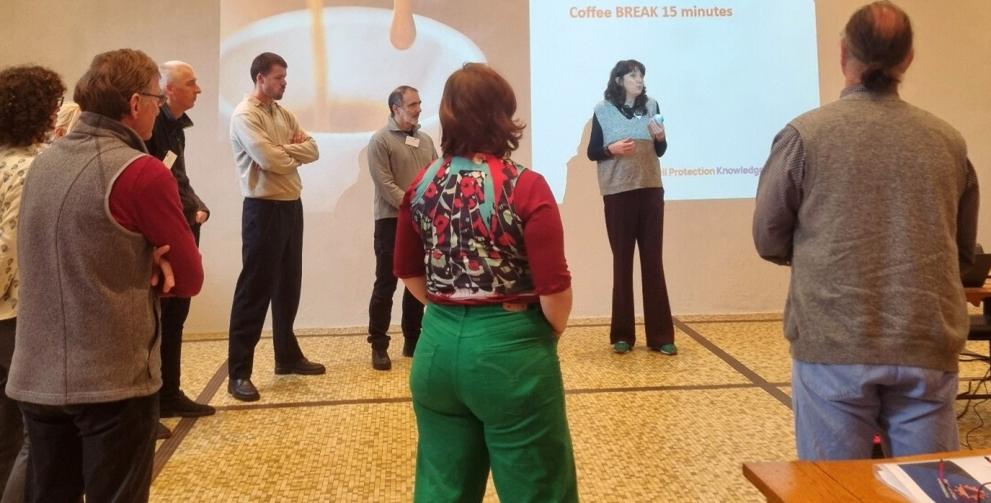
The training course, which took place in Affligem, Belgium, on 3-6 November 2025, was the third in the series of eight Training of Trainers courses. Recommendations and lessons learned from the first two sessions – such as the need to increase coherence between different deployable courses, as well as to strengthen training skills and methods - have already been integrated into this third course. A similar approach will be adopted following this session.
Sharing experience and good practice
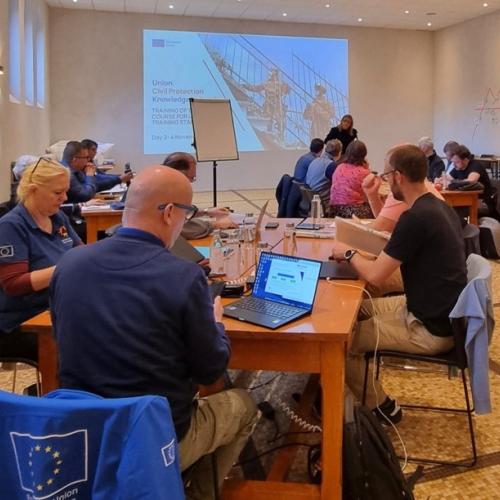
One of the most important factors in the success of the Training of Trainers is the sheer wealth of experience together in one place. Most of the participants in Affligem have worked and provided training in civil protection for years, or decades in some cases; from doctors and engineers to fire specialists and civil protection experts from Member States. The breakout sessions and breaks can be just as valuable for participants as the structured sessions; giving them chance to build or enhance networks. Good practice and expertise are shared through conversations on the sidelines.
Key thematic areas
Over four days, the Training of Trainers course is designed to focus on key thematic areas, notably: the Code of Conduct and community building, design and development of training, training delivery, performance assessment, evaluation, delivering feedback; and interpersonal and soft skills. For each of these thematic areas, the competences expected to be developed by participants during the ToT are identified.
Some of the key session highlights are included below:
Revisiting the Code of Conduct
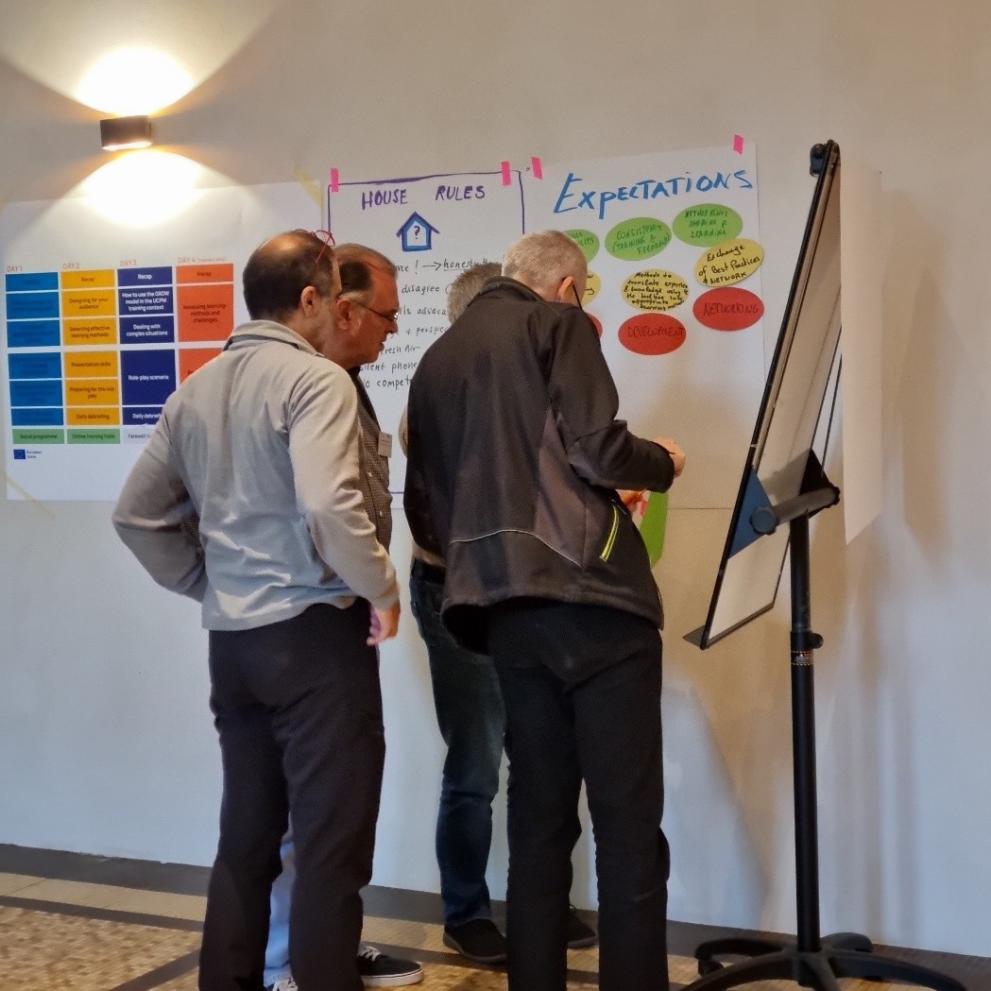
Professor de Guttry (Scuola Superiore Sant’Anna) refreshed participants on the use of the Code of Conduct for UCPM training staff (the operating guidelines for lecturers and trainers which set out legal aspects, and clarifies the roles and ethical standards, principles and behavioural expectations on a training course). Participants worked in groups to consider fictional scenarios and define whether a breach in a code of conduct had occurred.
Donatella Salvi, Team Leader of the UCPM Training, Exercises and Exchange of Experts programmes at the European Commission’s Directorate-General for Civil Protection and Humanitarian Aid (ECHO) informed the group that the code of conduct was currently being revised and a new version would be available shortly.
Principles of Adult Learning
A session on the principles of adult learning (andragogy) took participants through different learning techniques available and how these could be applied during a UCPM training course.
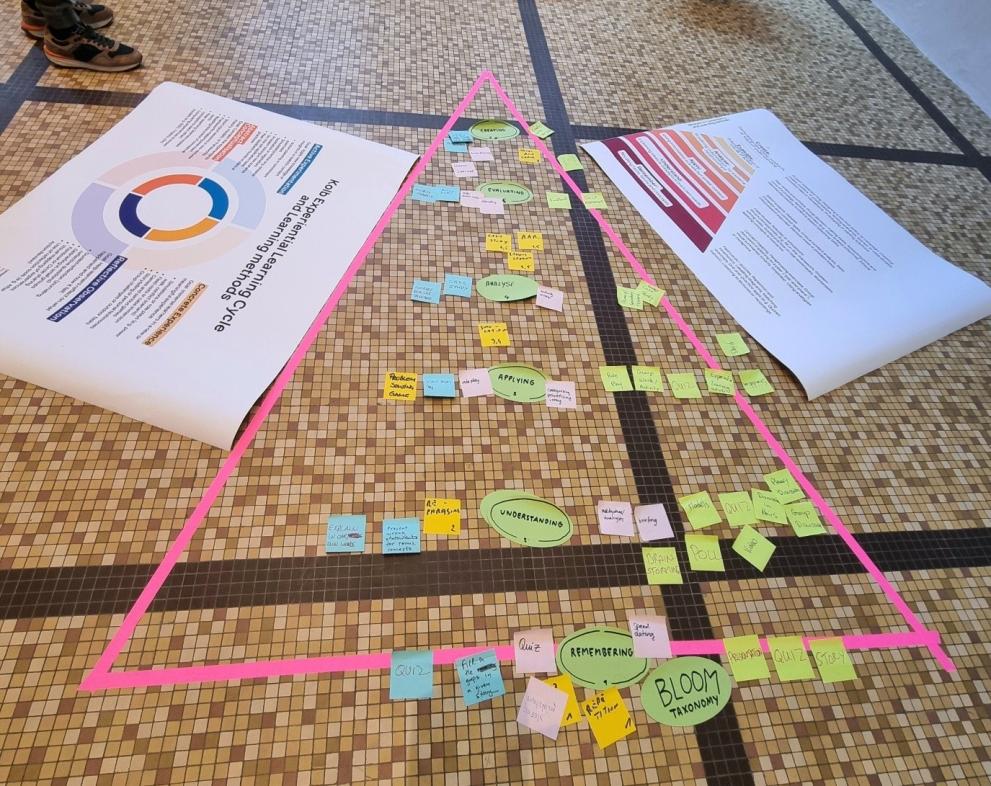
Bloom’s Taxonomy is a hierarchical framework (pyramid) used to assess educational goals, helping educators structure learning objectives and assessments. Participants looked at how it can help them to refine learning objectives and outcomes at the start of a course, enabling learners to creating concrete outcomes.
Participants also considered how the Kolb' Experiential Learning Model - a framework which emphasises learning through experience and is based around a four-stage learning cycle – could be used within their training programmes to boost learning.
Maddalena also added that lecturers and trainers should factor in different personality styles when preparing their course; for example quiet working time should be built in for introverts, whilst group work is appreciated in an extrovert group. The learning styles of the group – whether people learn visually (through reading, charts etc), by listening or through movement – should also be considered in each training programme.