BORIS2: Harmonised methodology & tool for single and multi-risk assessment
Multi-hazard
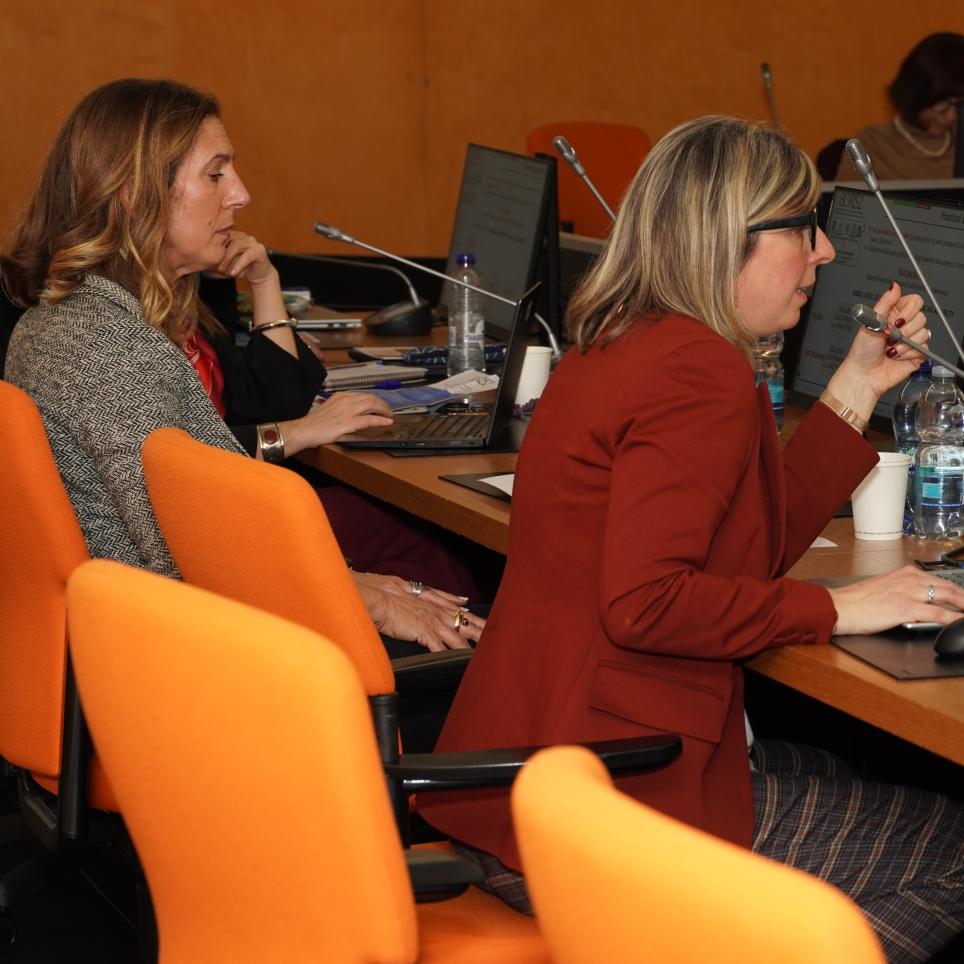
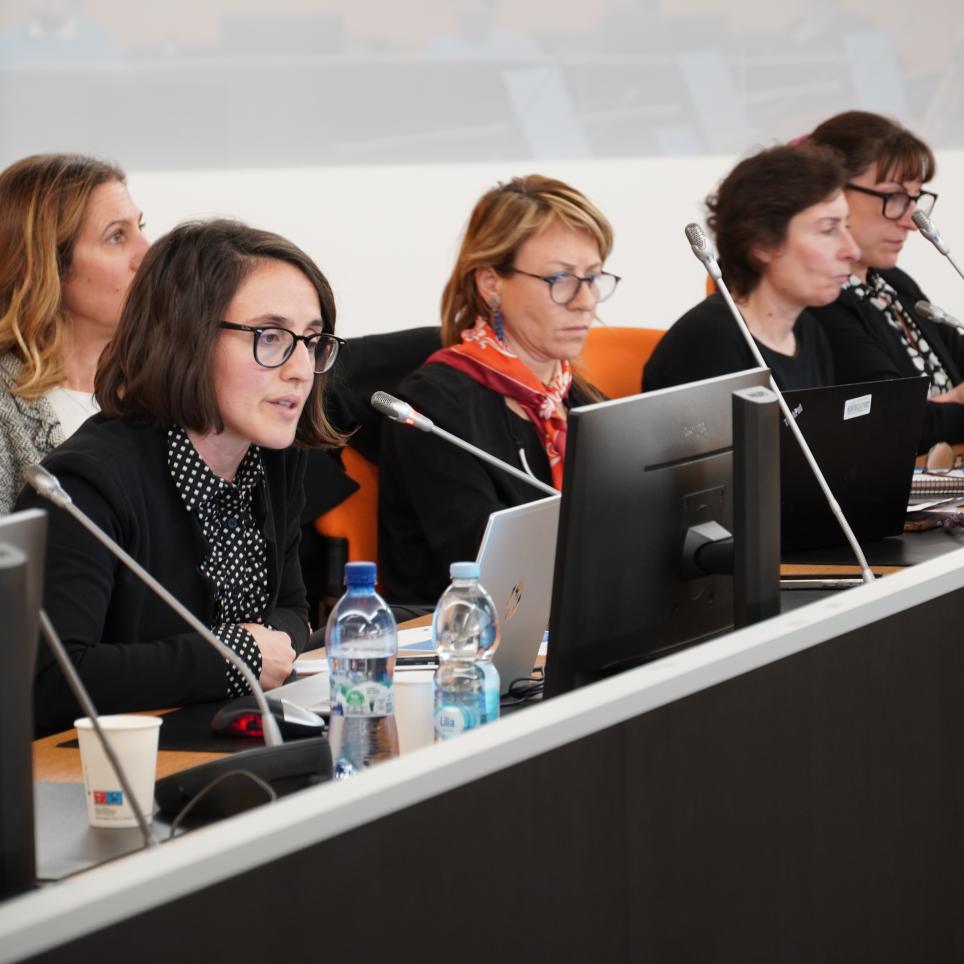
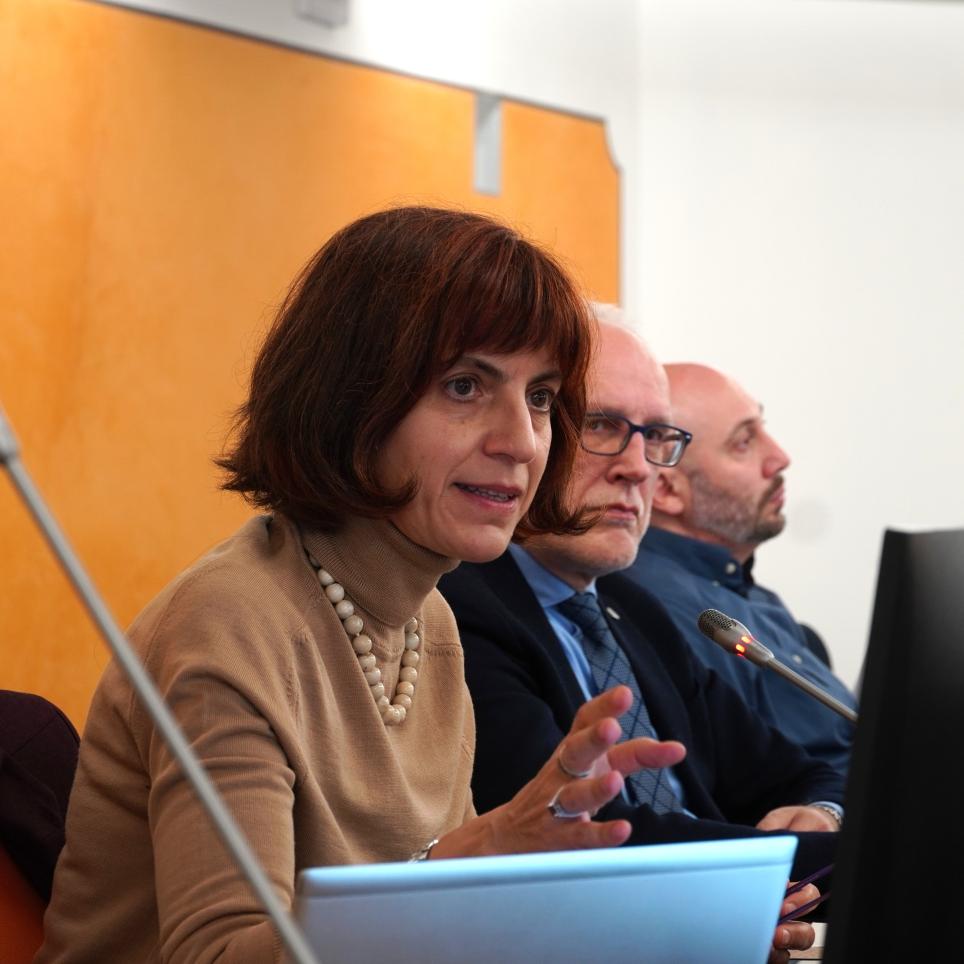
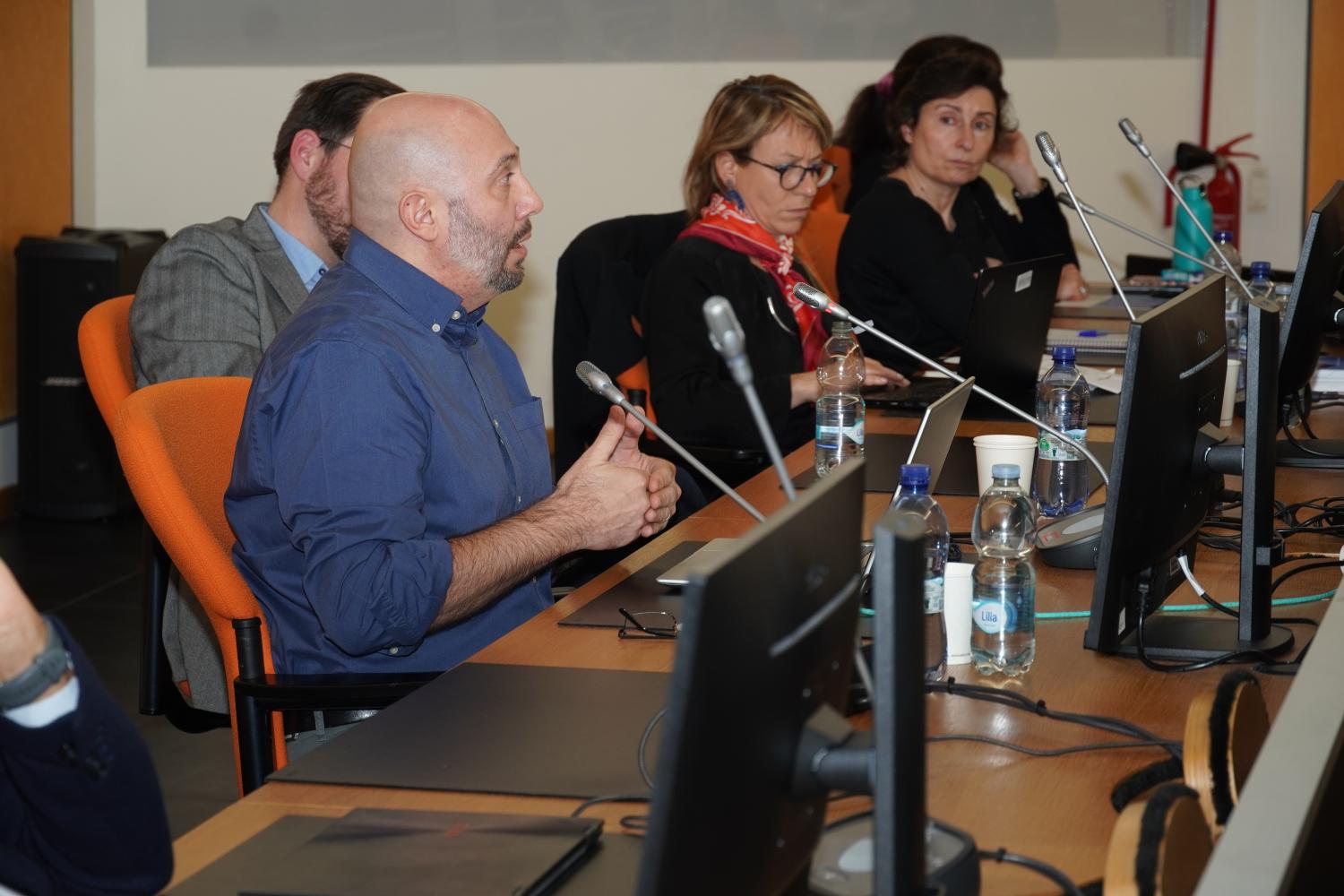
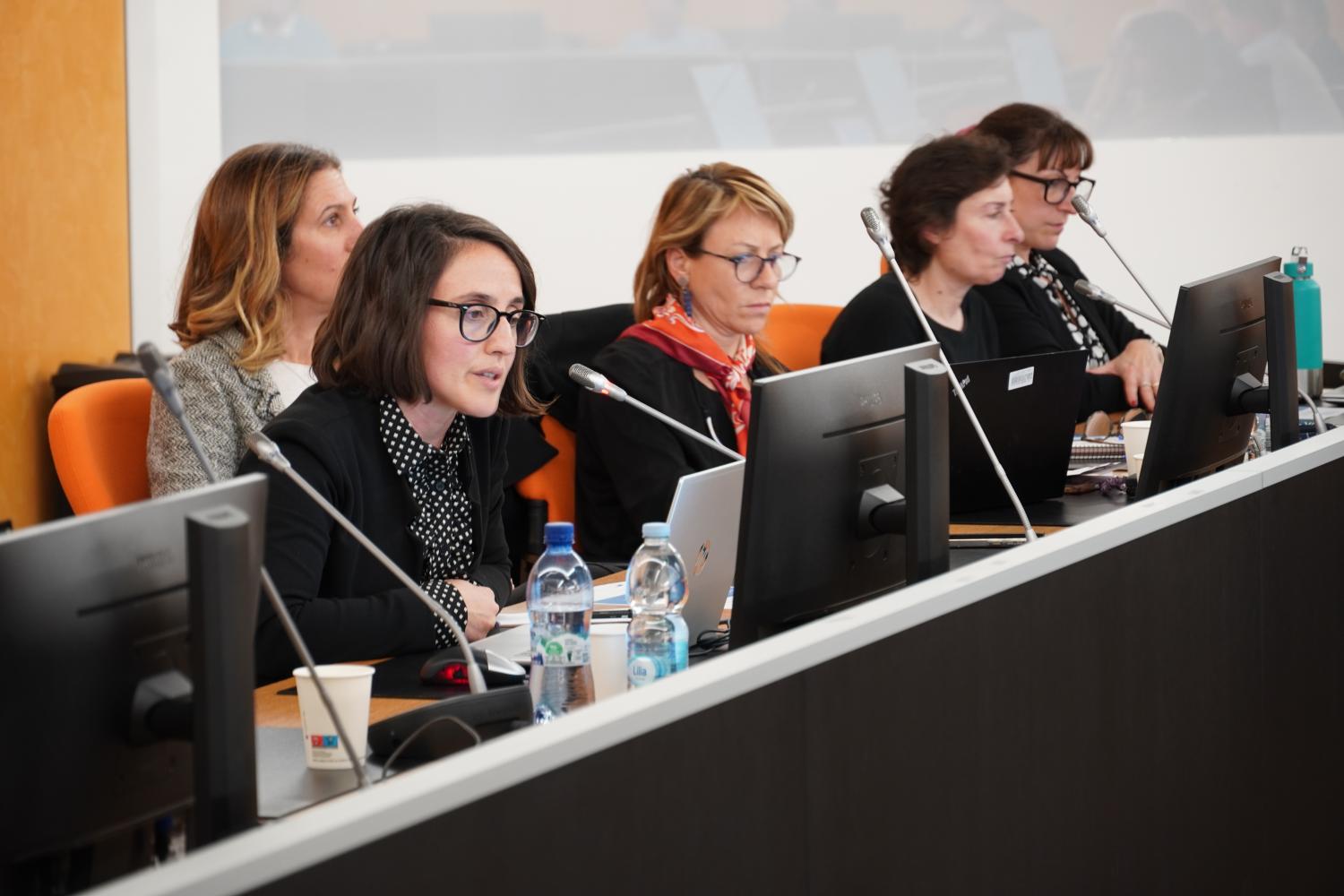
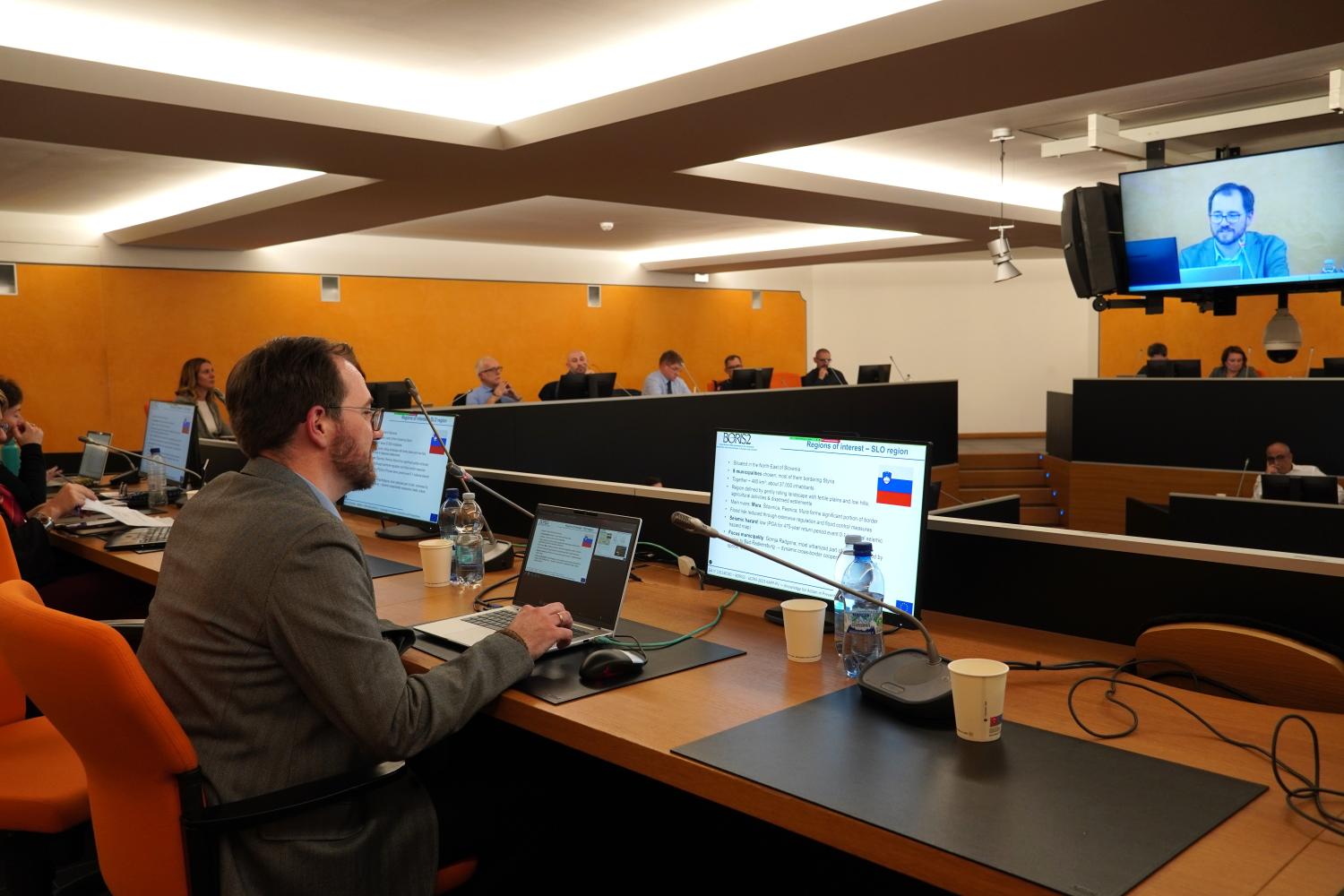
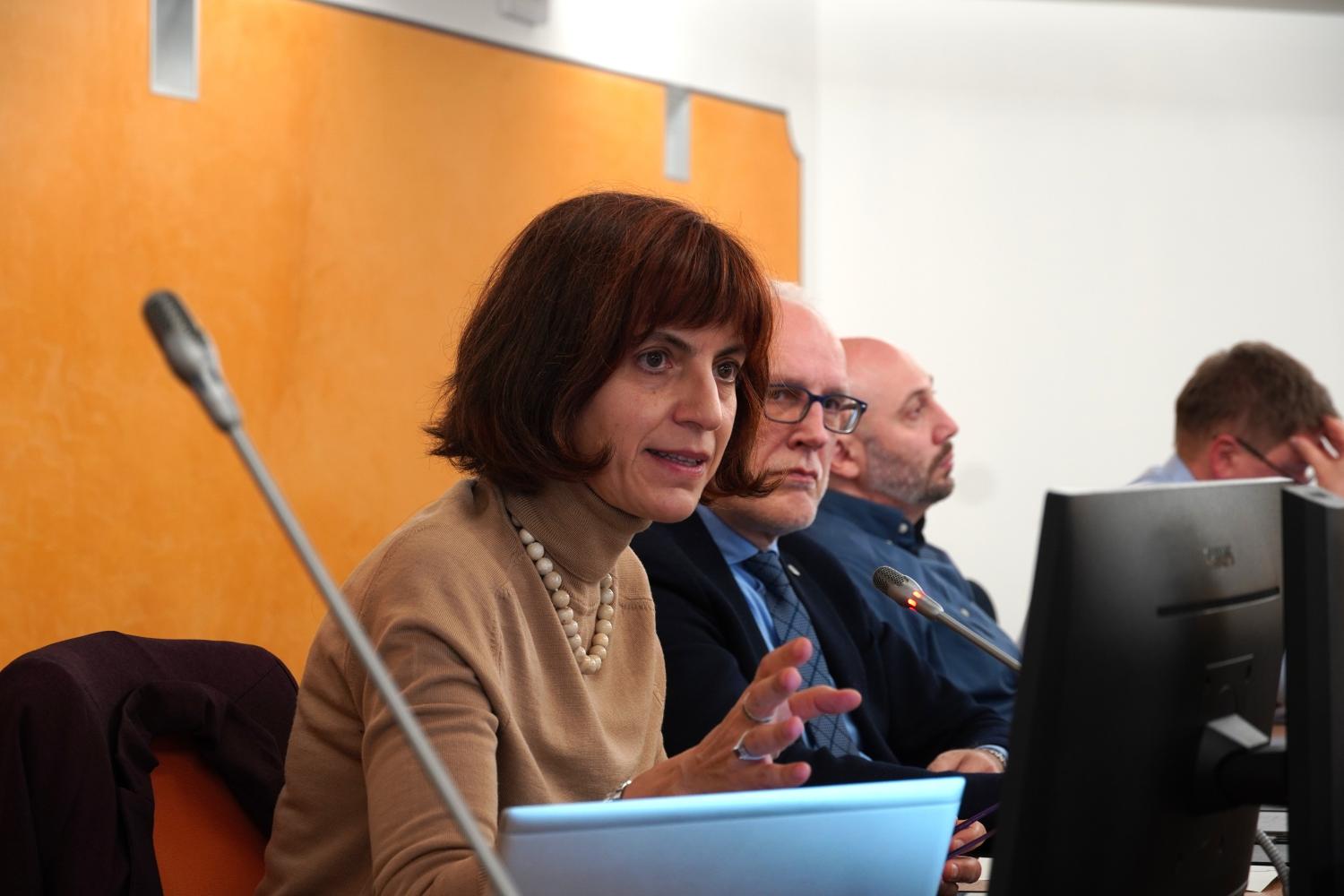
On December 11, 2025, the BORIS2 project held its final conference in Pavia, Italy, presenting its results and discussing how to make use of them in the future, i.e., how the BORIS2 methodology and platform can be used to support cross-border disaster preparedness for floods and earthquakes. The event (hosted by EUCENTRE) gathered the project team and external stakeholders from all over Europe. It was a great opportunity to showcase the project’s outputs to its stakeholders and end-users.
After welcomes from Michele Lissia (Mayor of Pavia), Fabio Germagnoli (EUCENTRE), and Mauro Dolce (Consorzio Interuniversitario ReLUIS), Cristina Colaco (DG ECHO) spoke about capacity building tools for preparedness, and Azzurra Lentini (Joint Research Centre) spoke about the importance of building on science evidence to support disaster management. BORIS2 coordinator Maria Polese (CI3R) and Johanna Zweiger (DCNA) presented the overall objectives and dissemination efforts of the project.
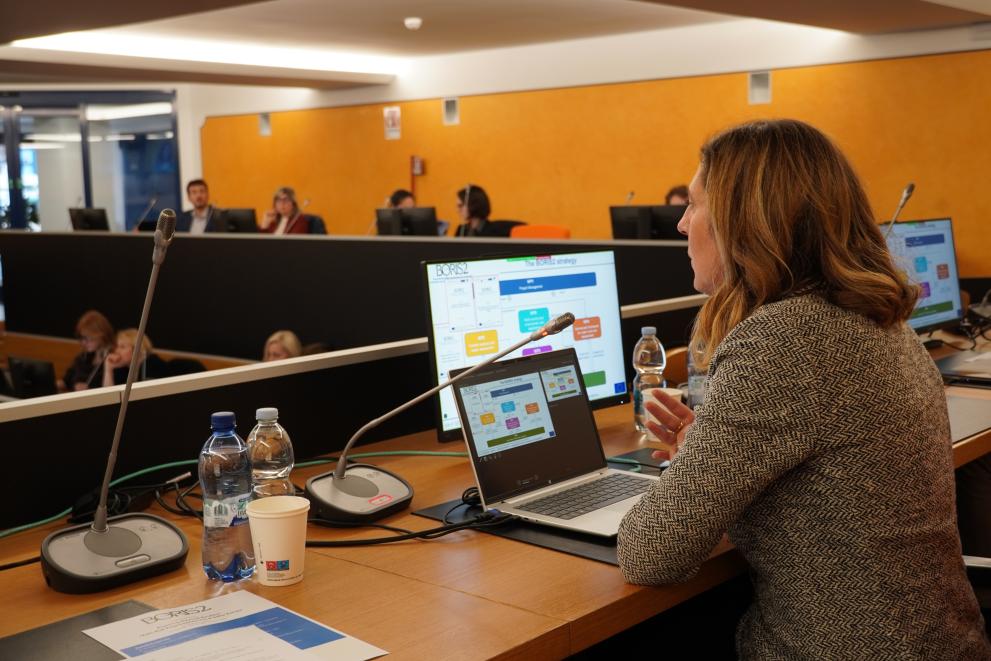
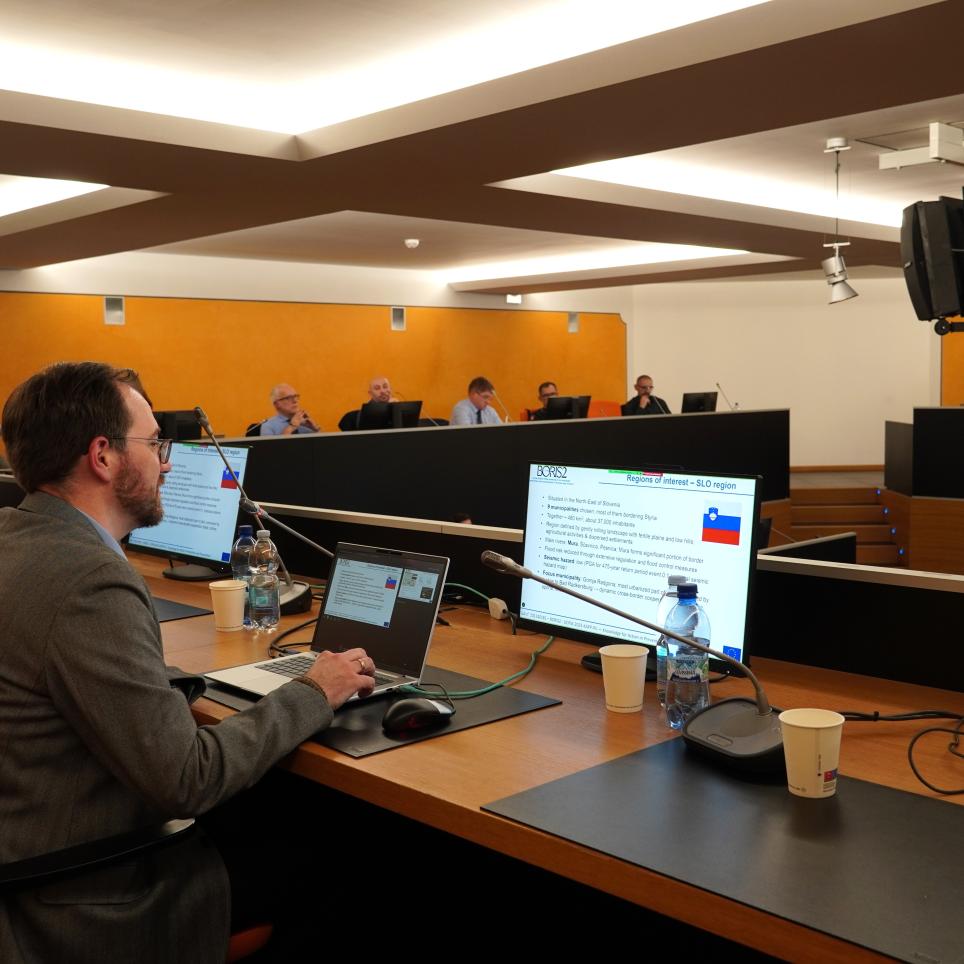
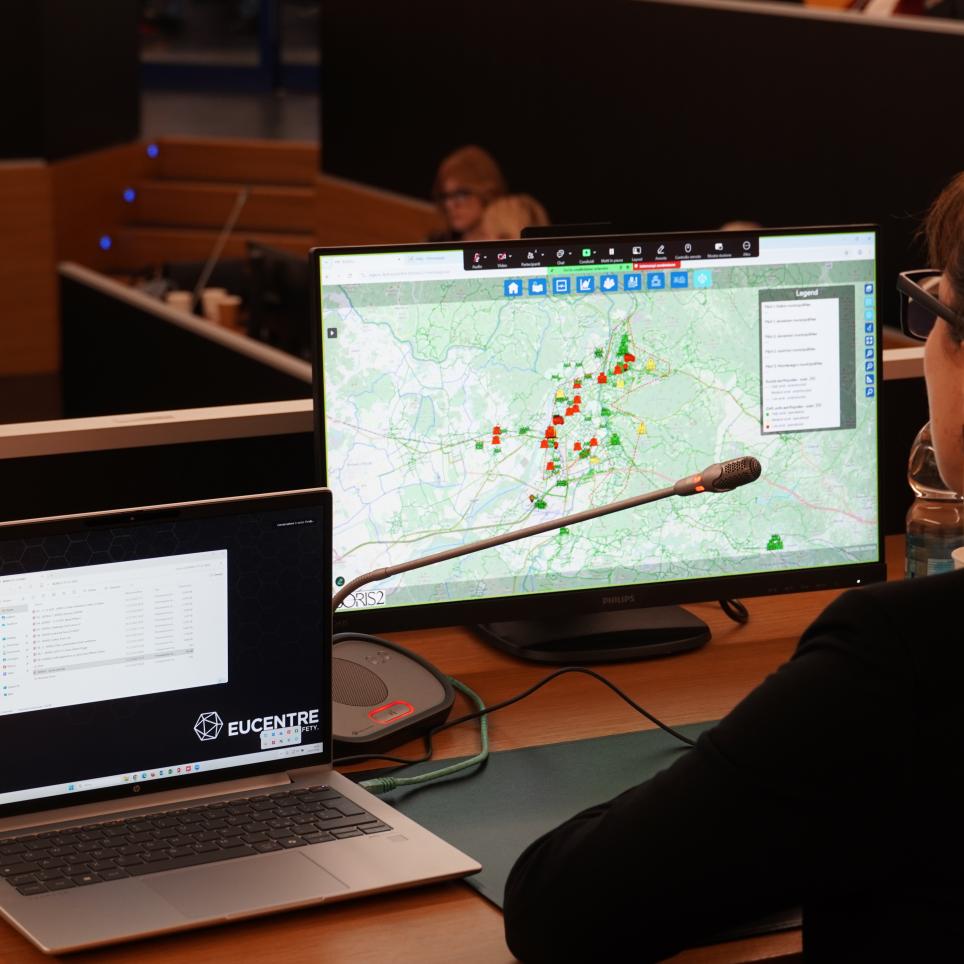
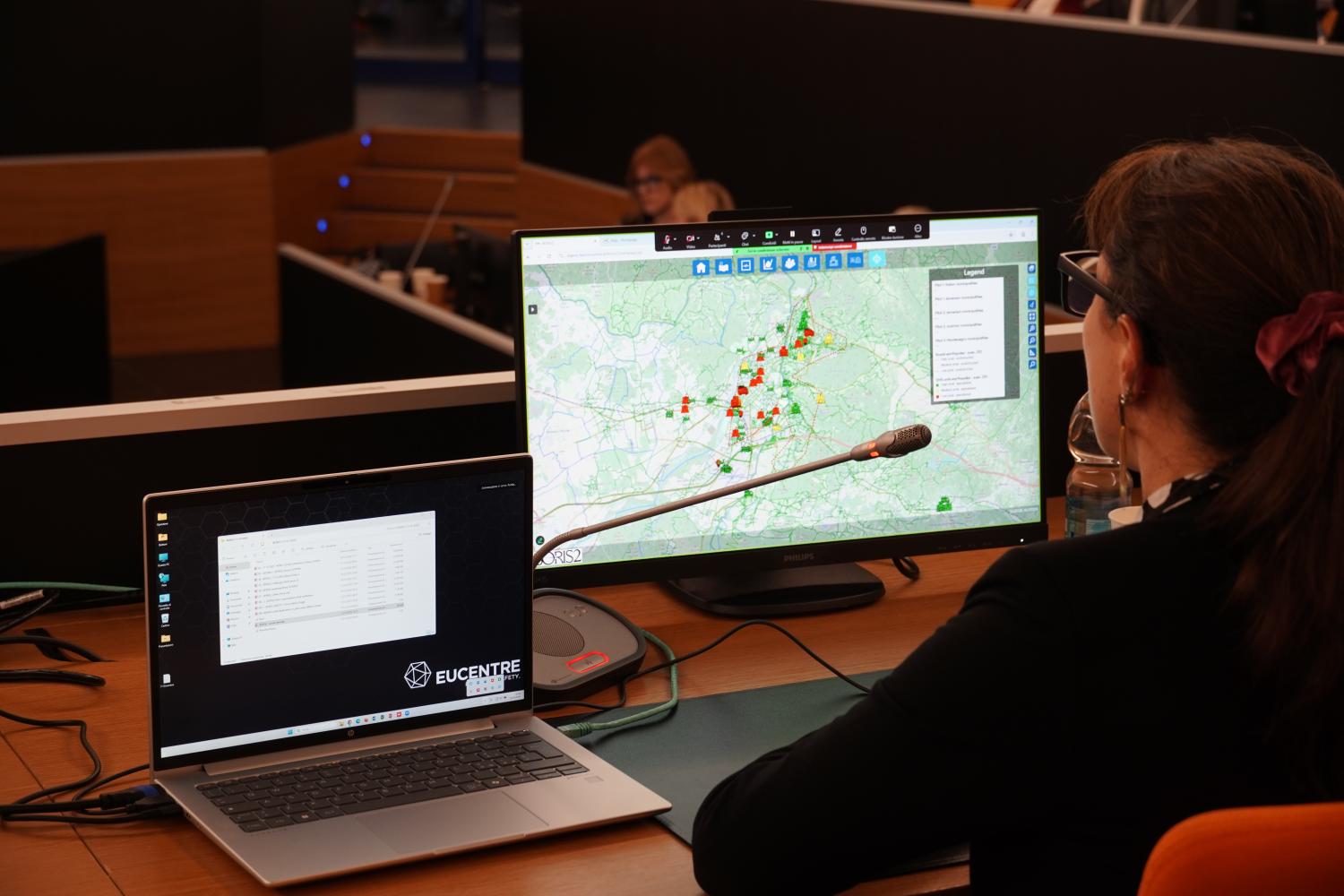
Daria Ottonelli (CI3R) and Secer Keskin (TED University) explained challenges and gaps, e.g., regarding data collection, and Matjaz Dolsek (University of Ljubljana) presented the BORIS2 methodology (four steps for a harmonized framework for urban multi-risk assessment). This was followed by a presentation by Serena Cattari (CI3R) who explained how the project worked on overcoming its challenges and on practically applying the methodology. Valerio Poggi (OGS), René Kastner (DCNA), and Milena Ostojić (University of Montenegro) illustrated the three pilot applications for verifying the replicability, robustness, and practical usefulness of the approach. Finally, Marta Faravelli (CI3R) presented the new BORIS2 platform which integrates the project’s methodological results and their application in the pilot areas.
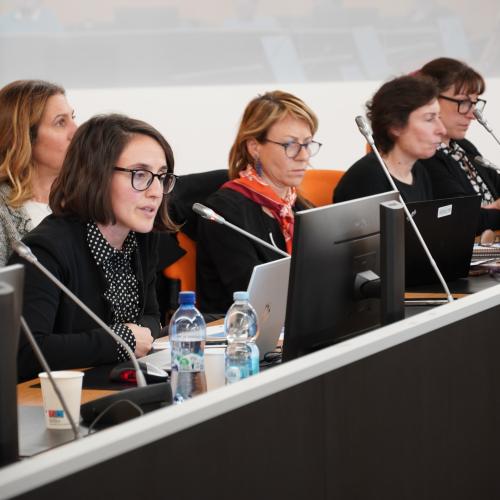
The day ended with a roundtable discussion moderated by Mauro Dolce that included invited stakeholders from several European countries (Austria, Slovenia, Montenegro, Turkey, and Italy). The discussion highlighted the added value of a harmonised approach to multi-hazard risk assessment and the importance of cross-border cooperation, especially in areas characterised by shared infrastructure or natural phenomena with supranational dynamics.
The contributions that emerged underlined how BORIS2 represents a significant step towards more effective tools to support strategic decisions in emergency planning. The possibility of applying the methodology at the sub-municipal scale, together with the integration of critical infrastructure and multi-hazard assessment, enables more precise identification of the most vulnerable urban areas and operational priorities.
A big thank you to our hosts from EUCENTRE and all participants for joining!
The BORIS2 project represents the follow up of the BORIS project, funded under the 2020 UCPM Prevention and Preparedness call, and aims at assessing the seismic and the flood risks having cross-border impact-potential on the Italian-Slovenian-Austrian borders in a multi-risk perspective. Learn more.