UCP Knowledge NetworkApplied knowledge for action
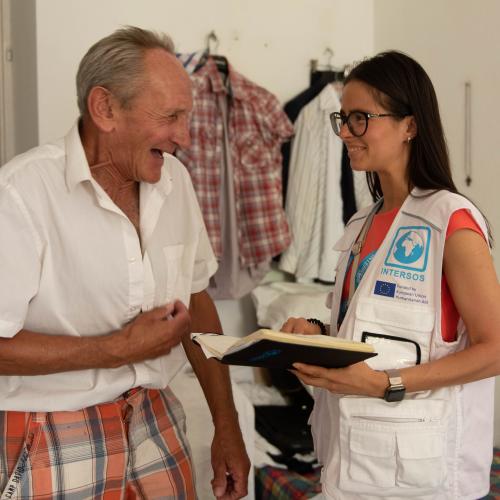
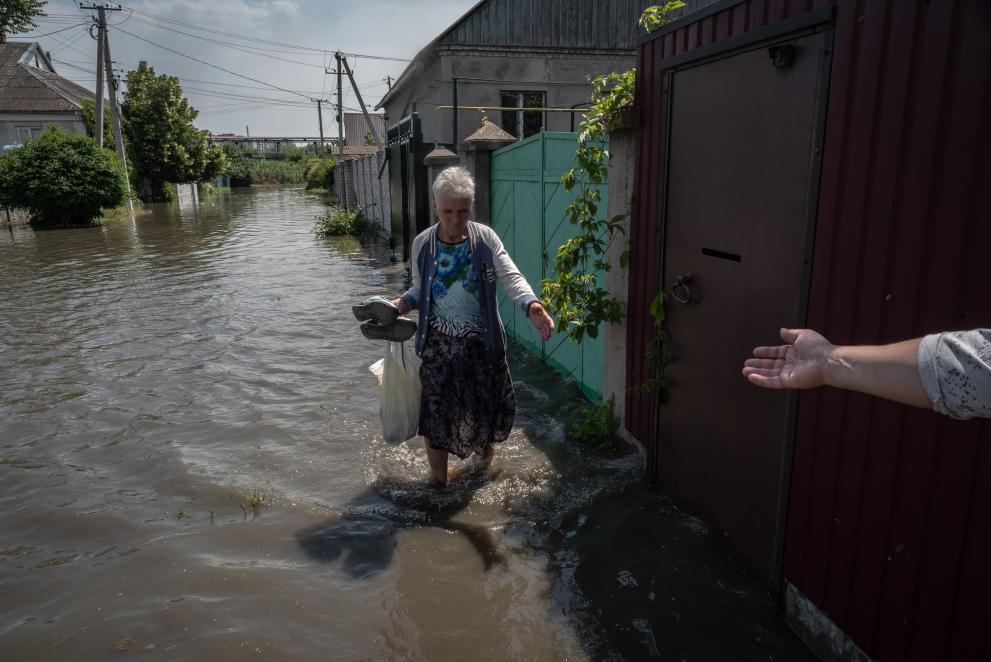
A woman from the organisation INTERSOS supports an elderly man who has lost sight in his left eye.who has

Equal Safety for All: Advancing Inclusive Crisis Preparedness

By Knowledge Network – Staff memberPublished on

Since its launch by the United Nations in 1992, the International Day of Persons with Disabilities has served as a moment to reflect on the rights, dignity and well-being of persons with disabilities worldwide. It is a moment to reaffirm our commitment to an inclusive society in which preparedness and resilience truly leave no one behind.
With one in six people globally living with a disability, inclusive preparedness is not optional, but essential for effective civil protection (WHO Global report). This year’s edition takes on added relevance for the civil protection community in light of recent research. A 2025 scoping study on the Experiences of Deaf and Hard-of-Hearing (DHH) During Emergencies in OECD Countries shows that many still lack access to timely warnings, accessible risk information and tailored preparedness support, highlighting the urgency of more inclusive approaches across the entire disaster cycle.

The EU’s Preparedness Union Strategy (PUS) recognises that inequality is a risk factor for preparedness. Groups in situations of vulnerability, such as persons with disabilities, children, older people, and those facing discrimination or social exclusion, are disproportionately affected by crises. This means that EU-wide public warning systems and crisis communication channels must be fully accessible and inclusive, ensuring that everyone, regardless of age, language, disabilities, or legal status, can receive timely and accurate information. By mainstreaming these considerations into all preparedness efforts, the civil protection community can empower all citizens to actively participate in building resilience before, during, and after crises. 

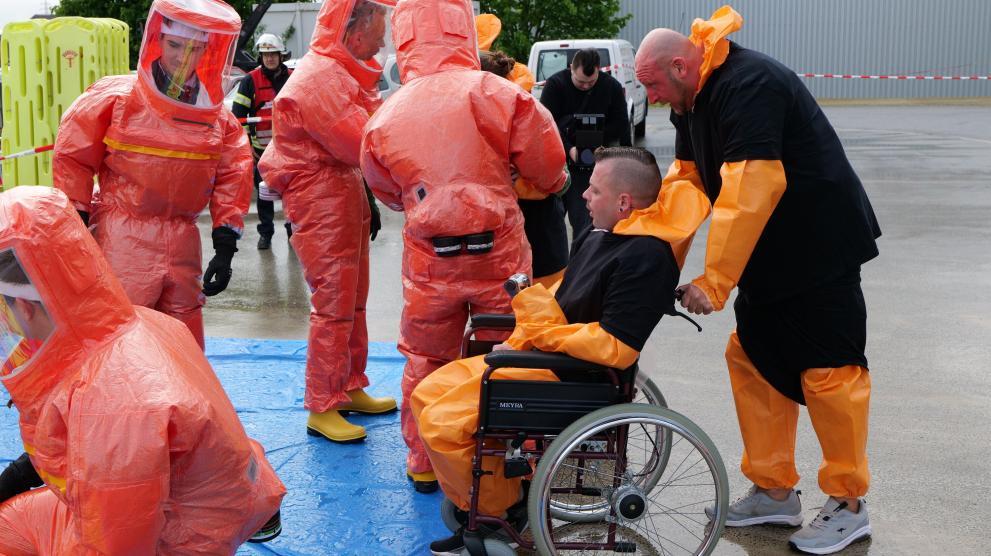
  • Emergency response. Communication barriers, especially at night, in low visibility, or when responders wear masks, can lead to missed assessments or misunderstandings. Good practices include speech-to-text tools, video sign-language interpreting and relay services. Their impact improves significantly when first responders receive basic training in inclusive communication and understand how to work with interpreters, including for deafblind persons.
     
  • Preparedness. Many people who are deaf or hard of hearing lack accessible preparedness information or tailored training opportunities. Preparedness planning for evacuation centres is also limited, often because DHH communities are not involved in designing or testing plans. The study highlights the need for community-led disaster risk reduction (DRR) training, accessible alerting technologies (such as vibrating or low-frequency alarms), and research on the resilience of hearing devices during emergencies.

Across all themes, the conclusion is clear: inclusive preparedness is most effective when people who are deaf or hard of hearing and their organisations are active partners in planning and resilience-building.

Looking Ahead

Under the Preparedness Union Strategy, the Commission is developing EU-level guidelines to help Member States adapt civil protection actions to all types of disabilities. Developed in close cooperation with the European Disability Forum, these guidelines will include practical advice to support persons with disabilities in preparing for disasters, as well as guidance and accessible e-training modules for first responders. The guidelines are expected by the end of 2026, marking a significant step toward a more inclusive and resilient Europe.

1 Like

Sectors

Risk awareness & communication Risk reduction & assessment