
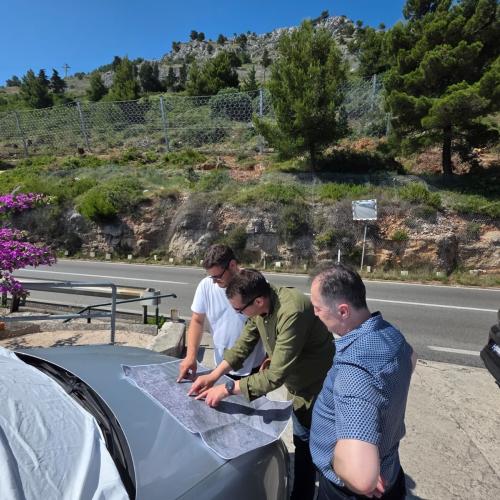
Case studies locations - Brussels and Dubrovnik
As part of the AI-Warn project, project participants from the University of Zagreb (UNIZG) Faculty of Civil Engineering conducted site visits to the two pilot case study locations, Brussels (Belgium) in May and Dubrovnik (Croatia) in June, where the project's AI-driven Early Warning System (EWS) will be developed, implemented, and validated under in-situ conditions. The visits enabled partners to assess local conditions, engage with key stakeholders, and gather essential information for the deployment and validation of the system.
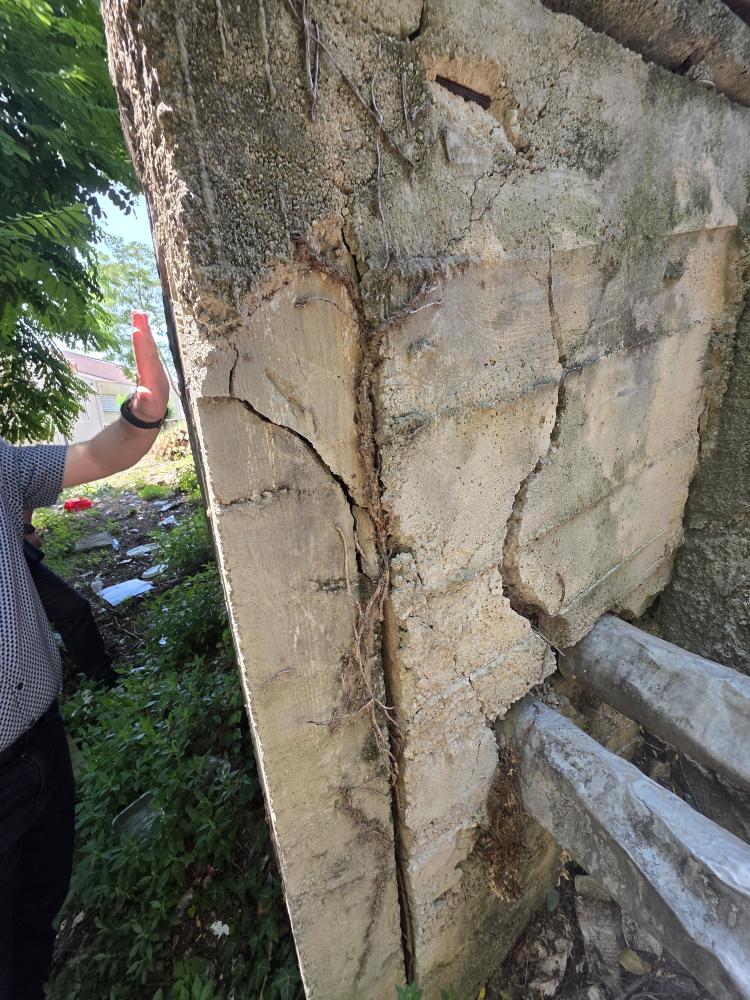
The selected pilot sites represent two contrasting climate-induced hazard environments across Europe. Dubrovnik, characterized by its steep and densely urbanized terrain, is increasingly exposed to rockfalls and landslides triggered by extreme rainfall and changing precipitation patterns. In February 2025, several days of intense rainfall caused a fatal rockfall that struck the city's main state road, a critical transport and evacuation route, resulting in significant damage and the loss of life. Only one month later, another period of heavy rainfall led to the collapse of a retaining wall within the urban area, highlighting the vulnerability of ageing infrastructure and the growing risks associated with climate change.
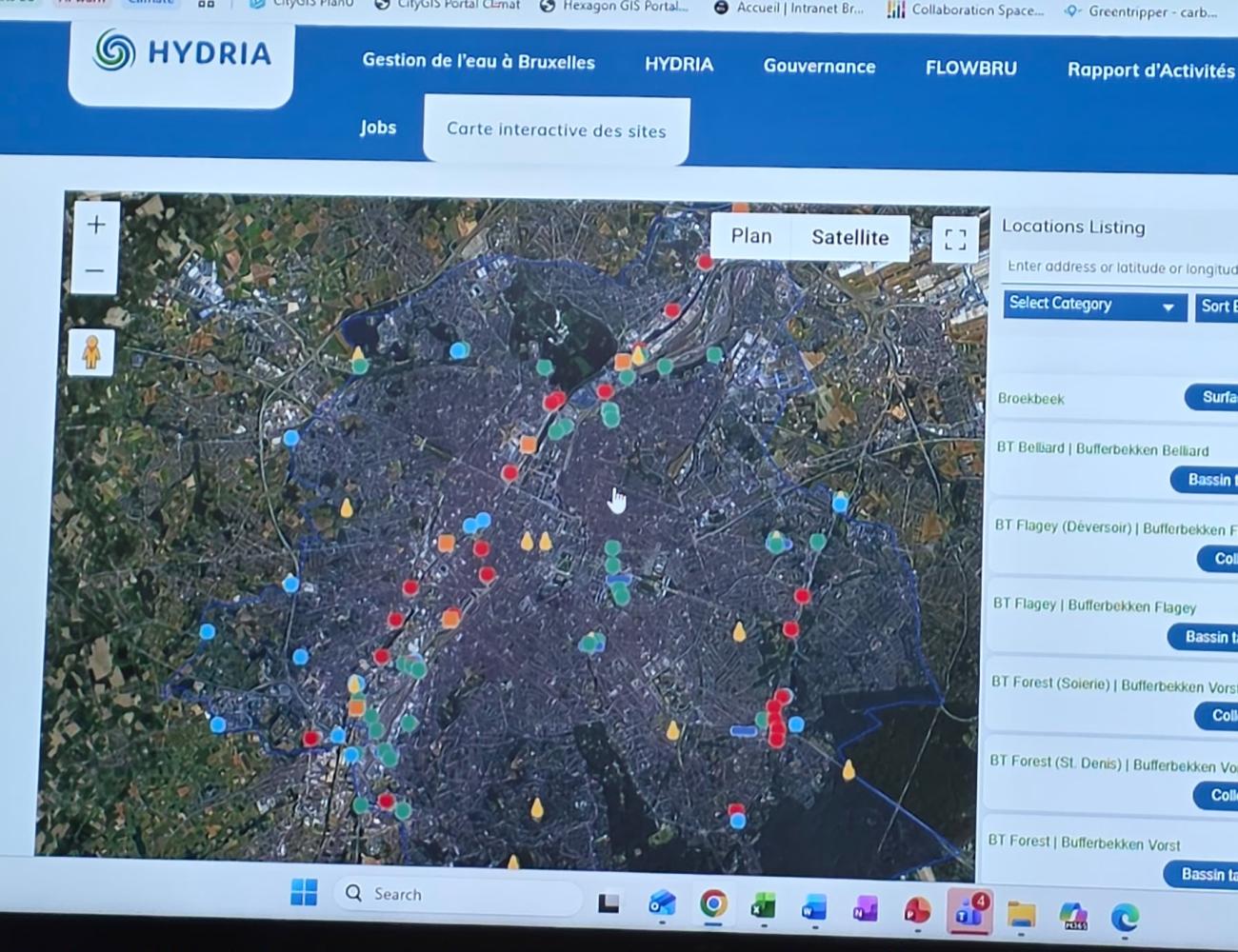
Brussels, meanwhile, represents the challenges faced by low-lying urban environments, where increasingly intense rainfall, combined with ageing drainage infrastructure and high urban density, frequently leads to urban flooding. Although the city has invested in measures to improve climate resilience, recent flood events have demonstrated the need for operational early warning solutions capable of supporting timely emergency response.
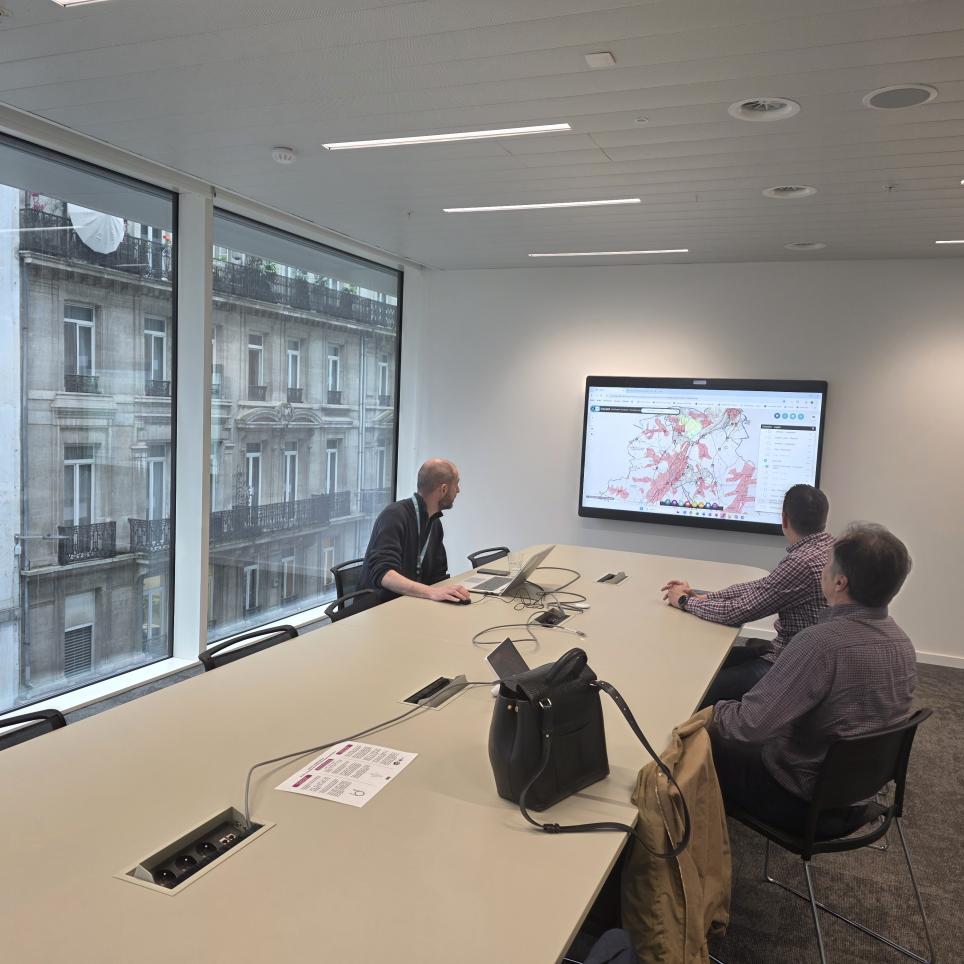
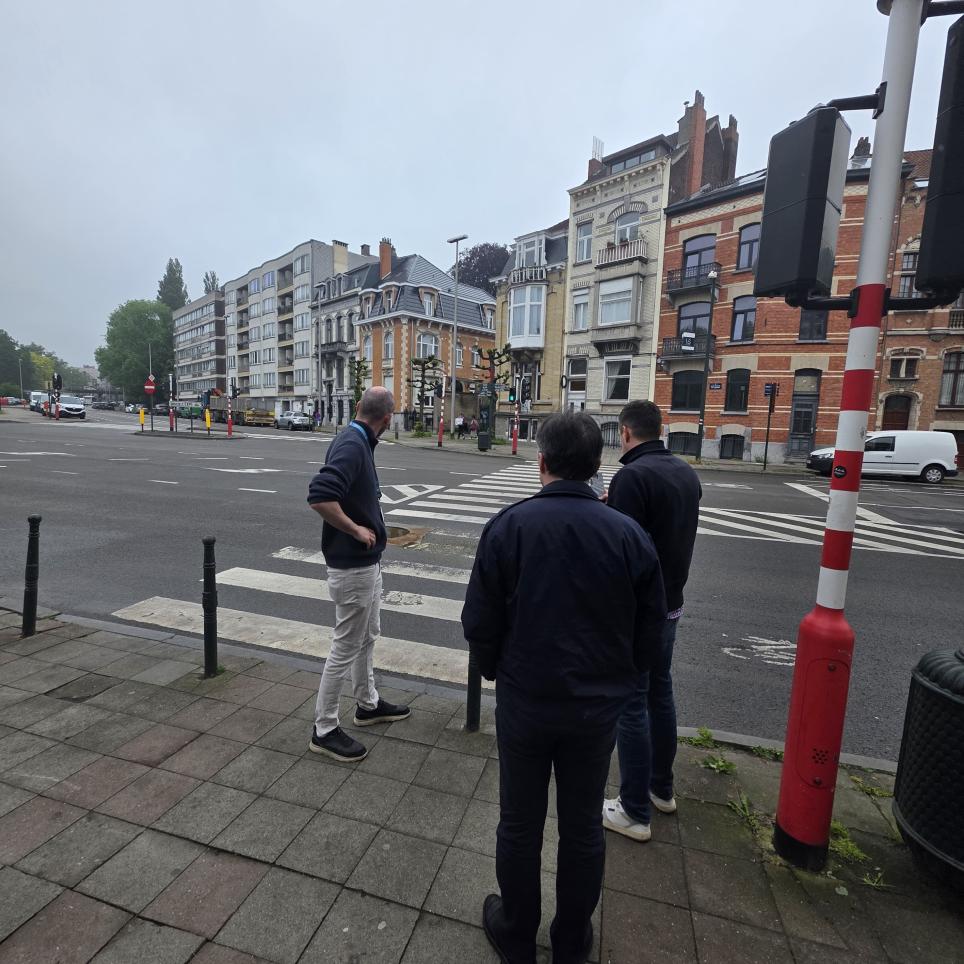
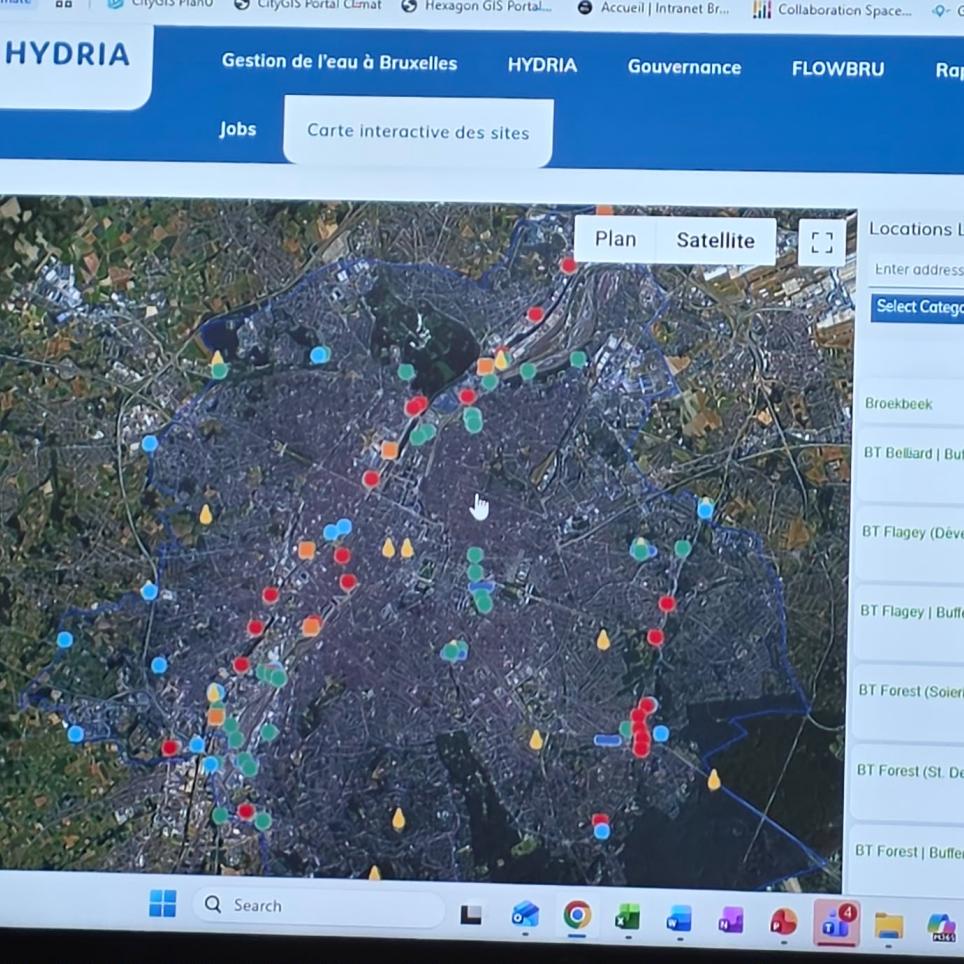
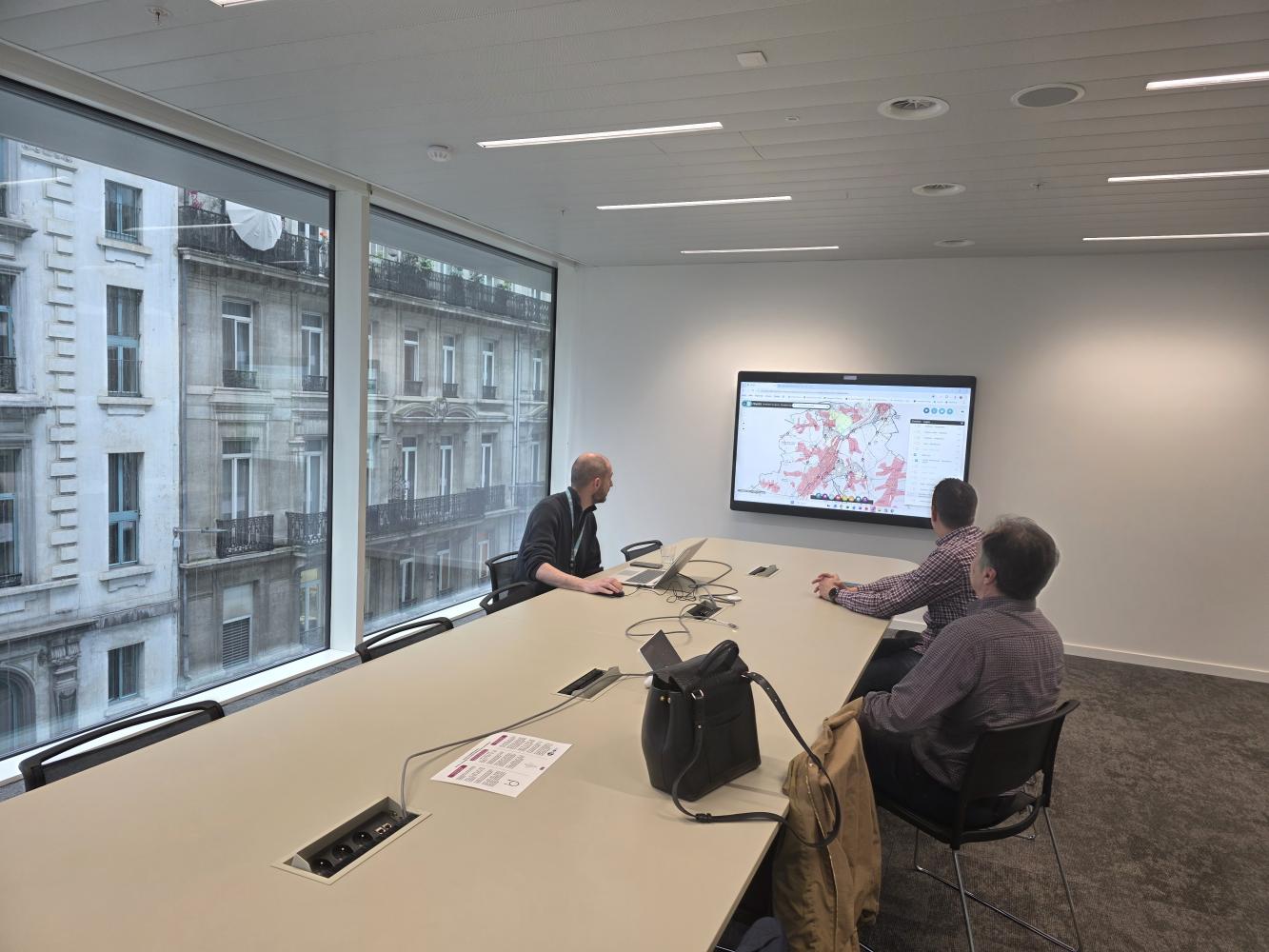
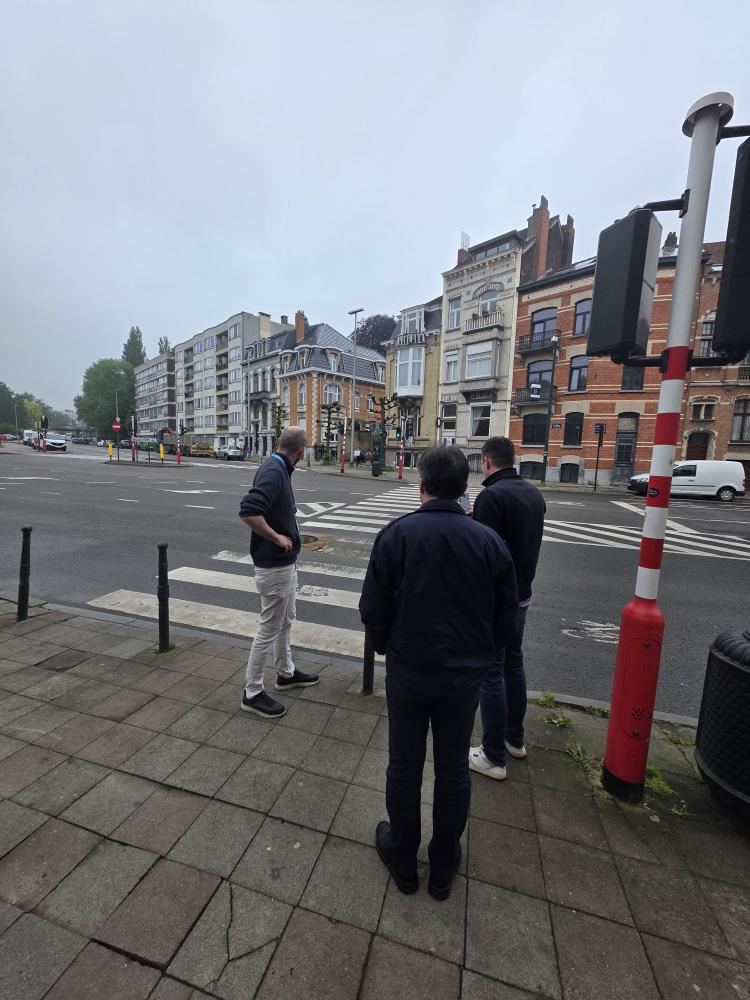
During the visit to Brussels, partners from UNIZG met with representatives of the City of Brussels to discuss the implementation of the AI-Warn system and the specific requirements of the pilot area. The coordinators from UNIZG also carried out a field inspection in Laken, where the proposed monitoring locations were assessed to identify the most suitable sites for the installation of sensors that will collect real-time environmental data for flood monitoring and support the AI-driven Early Warning System.
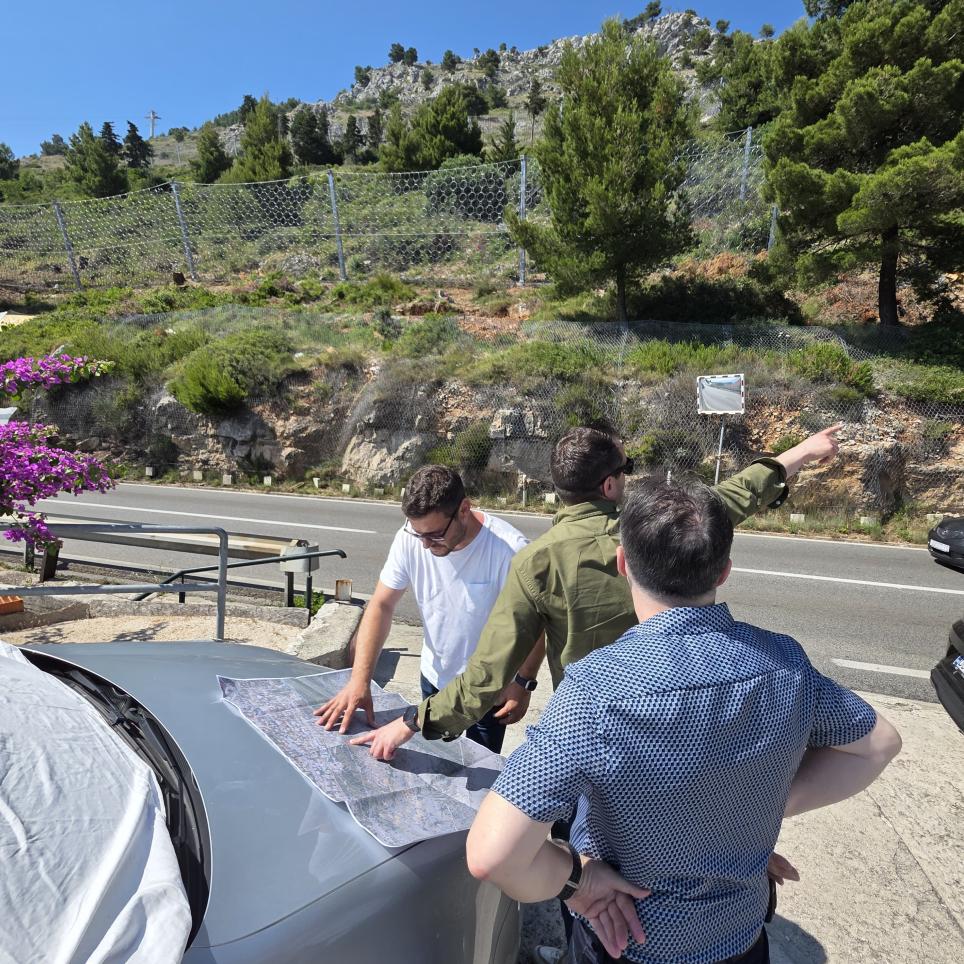
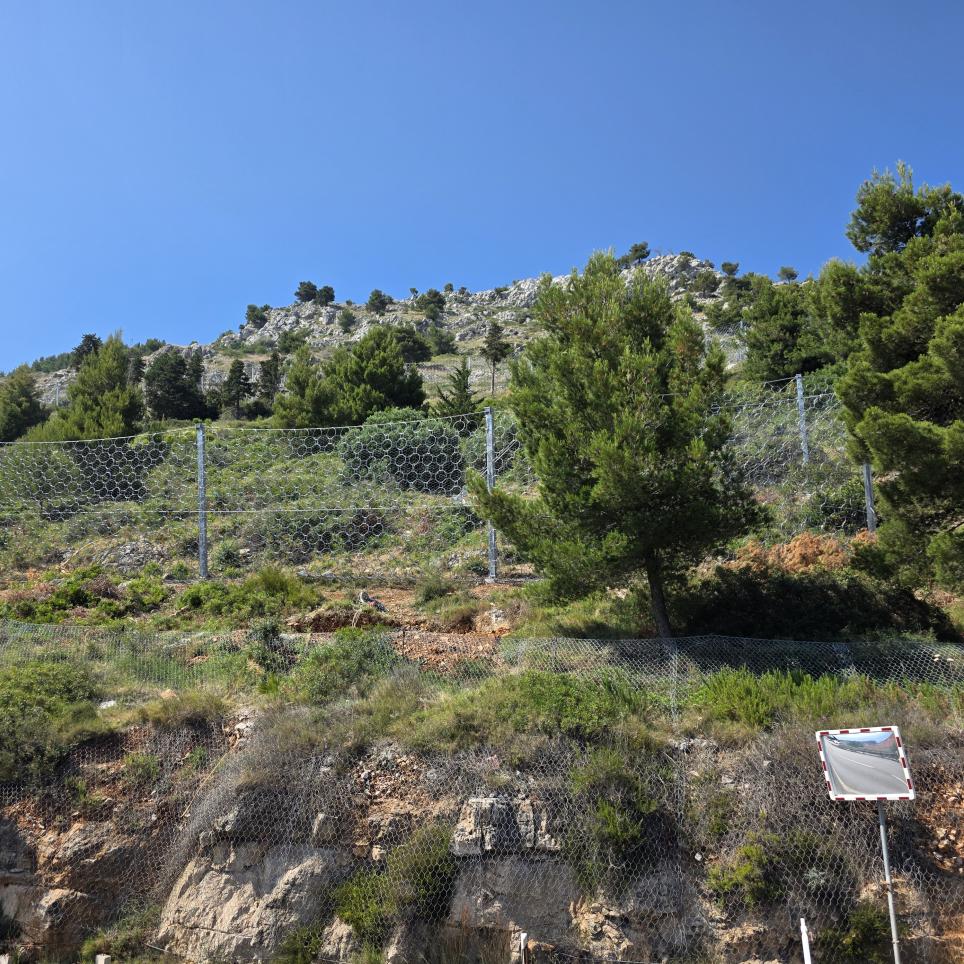
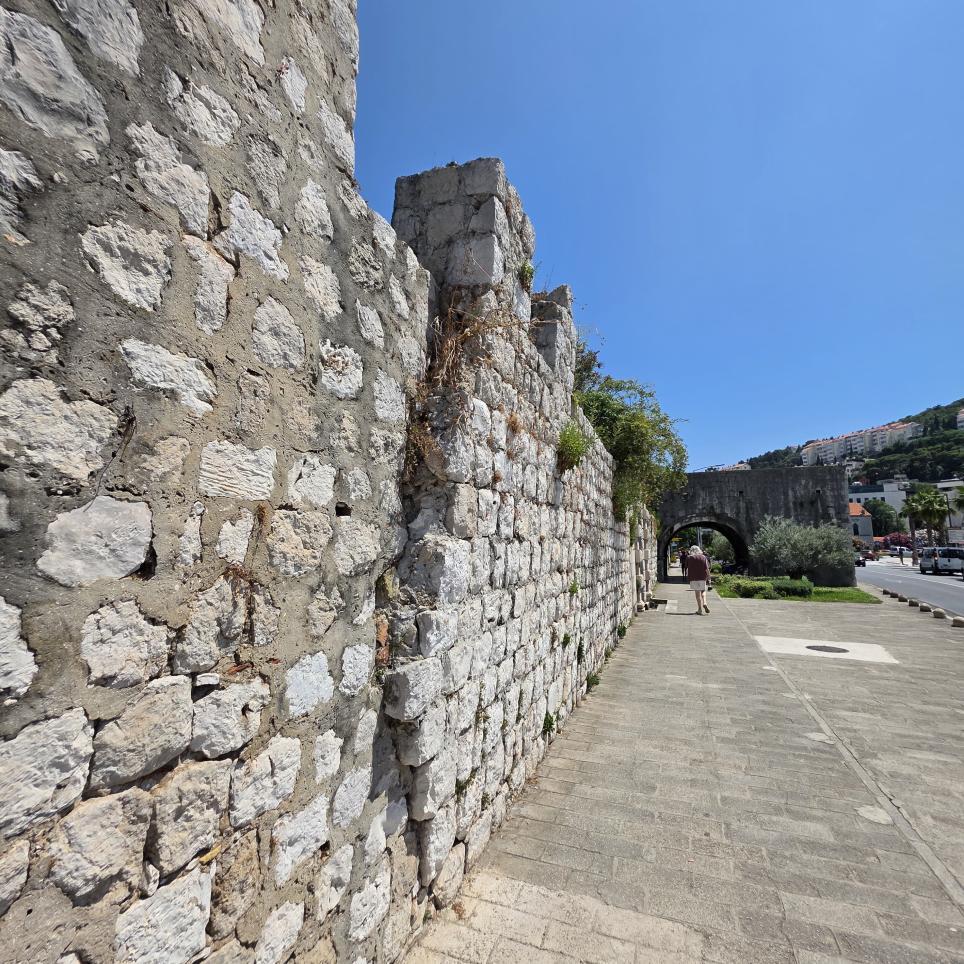
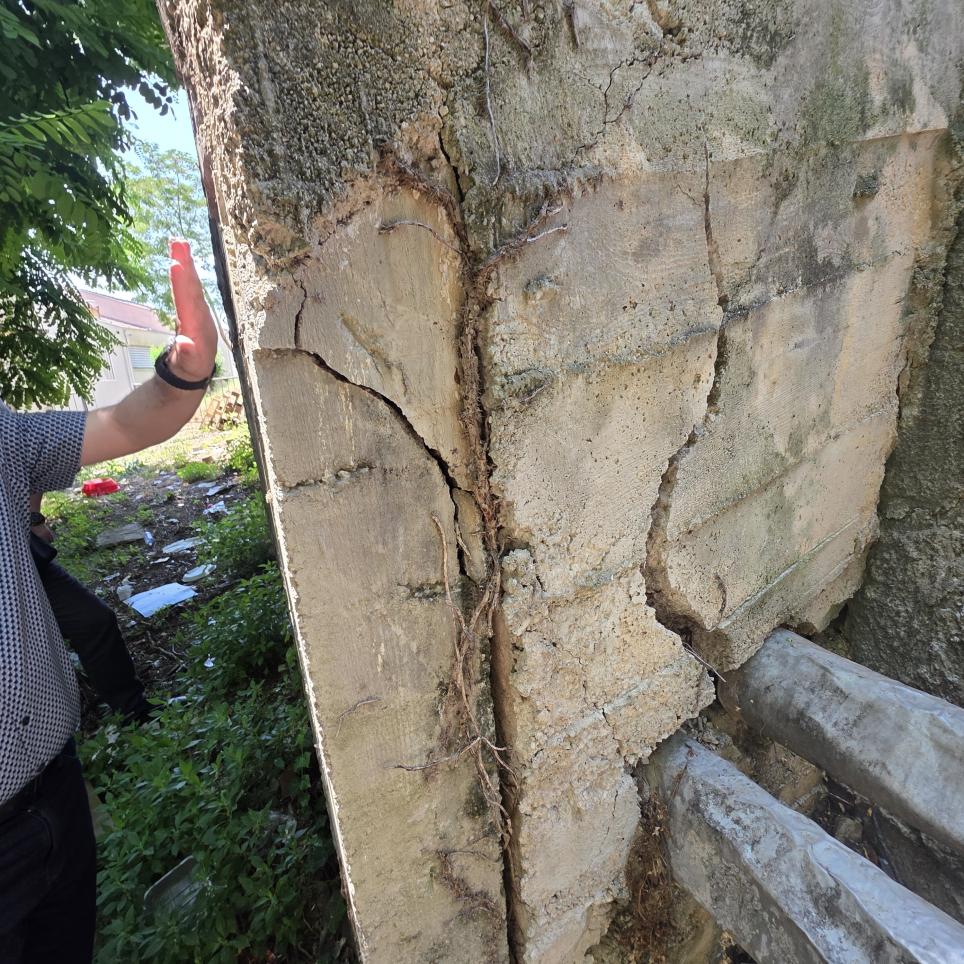
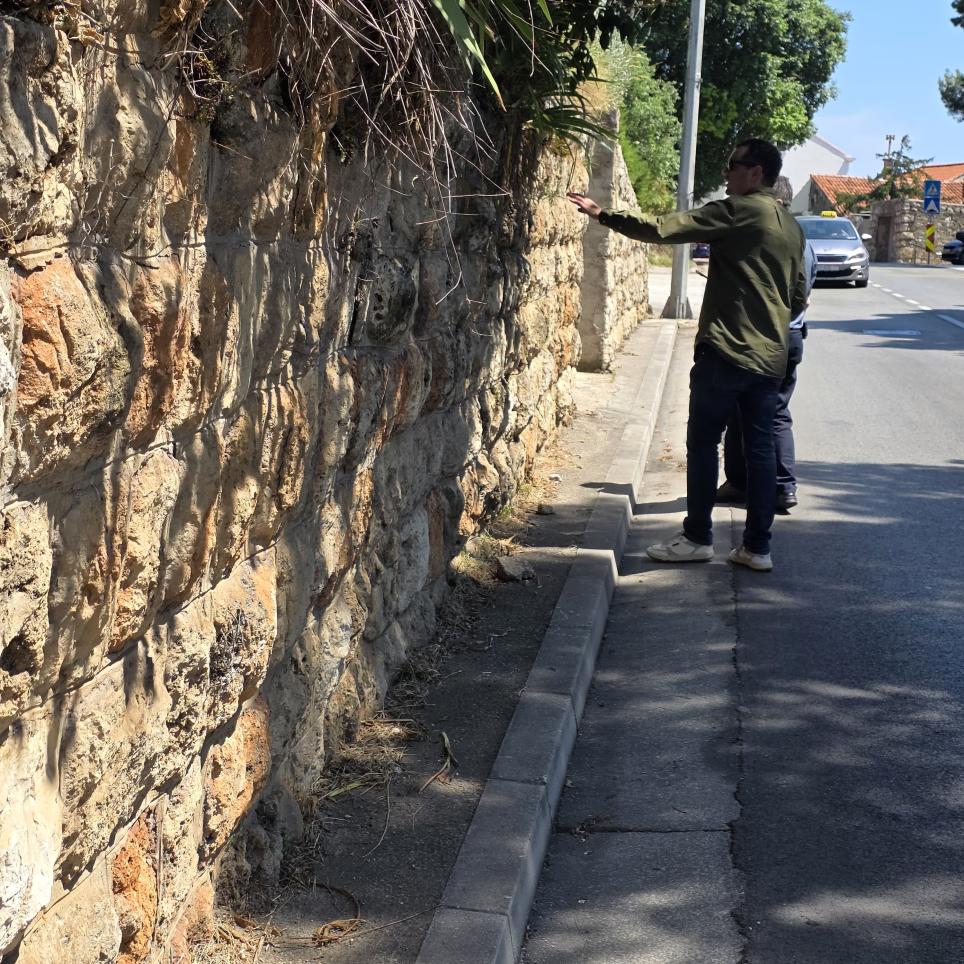
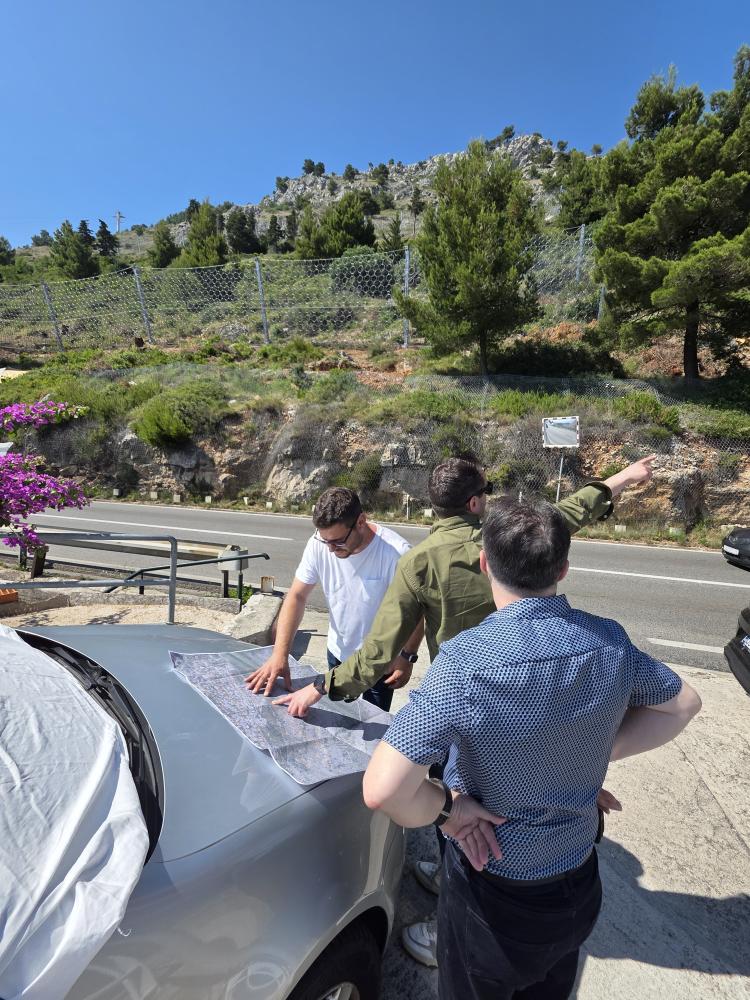
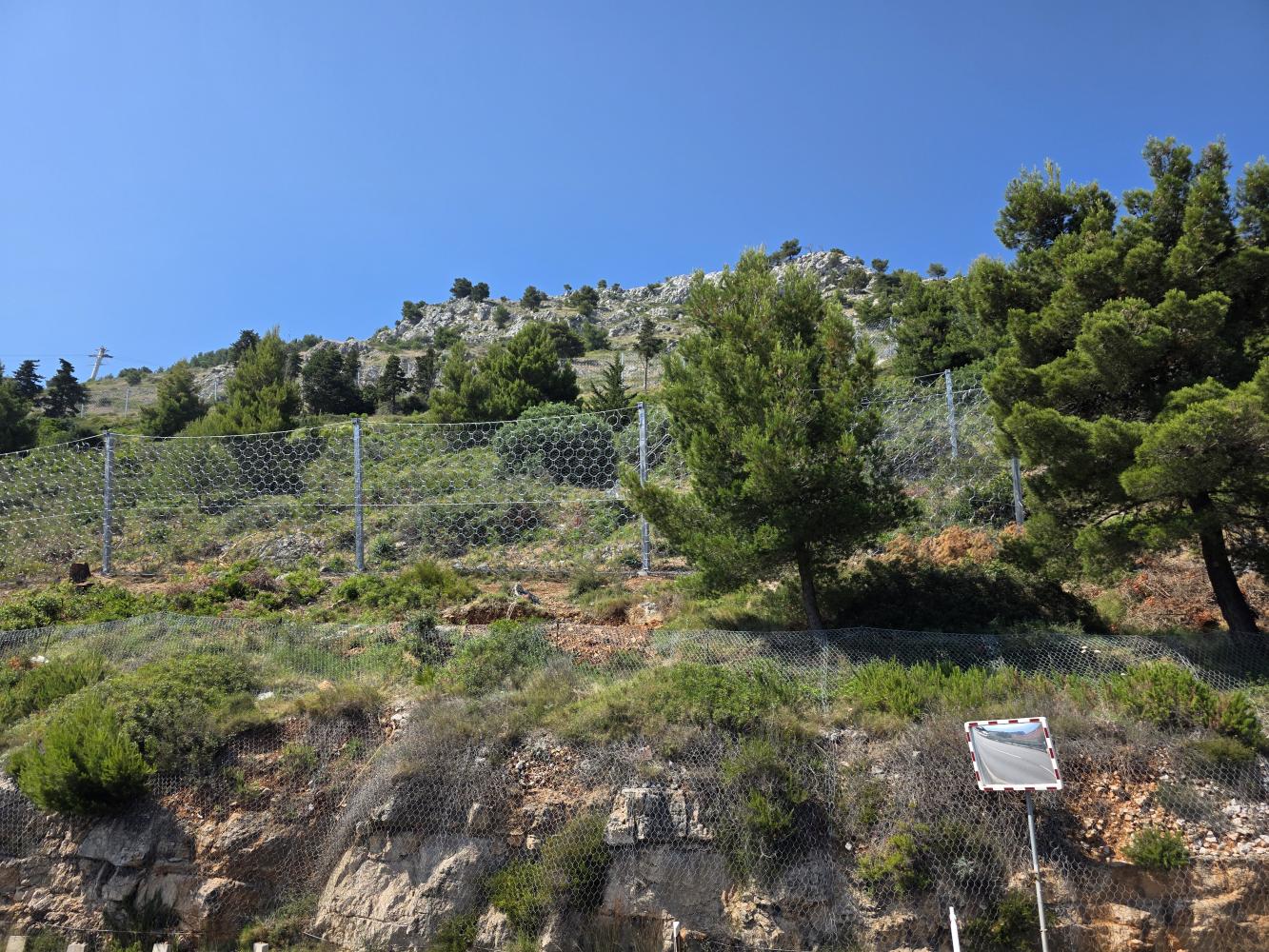
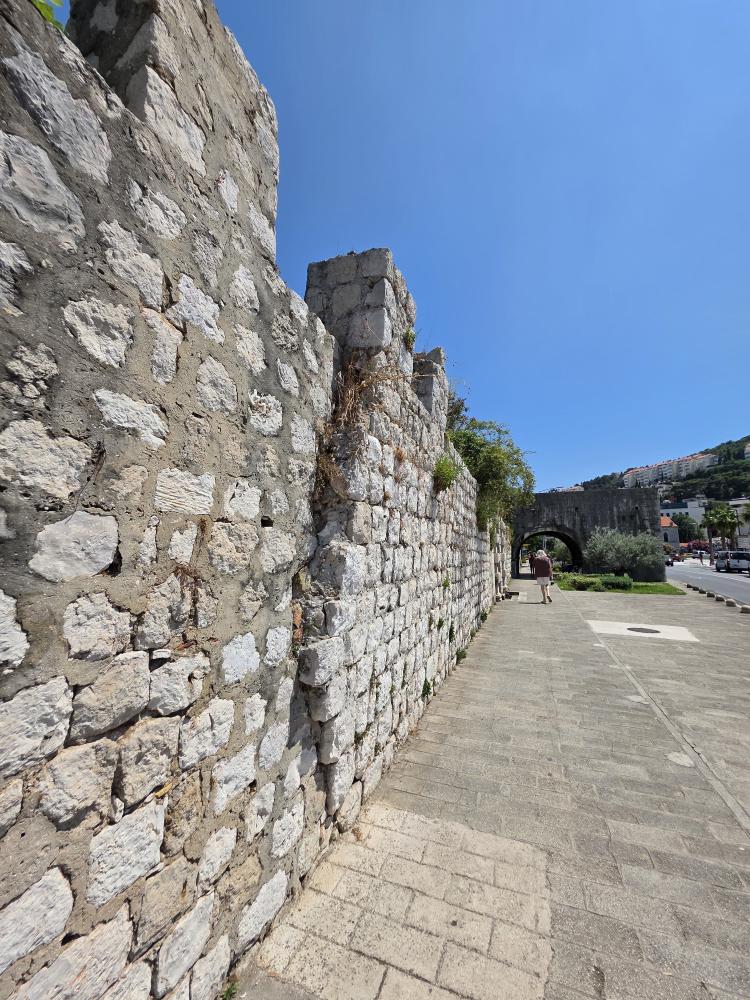
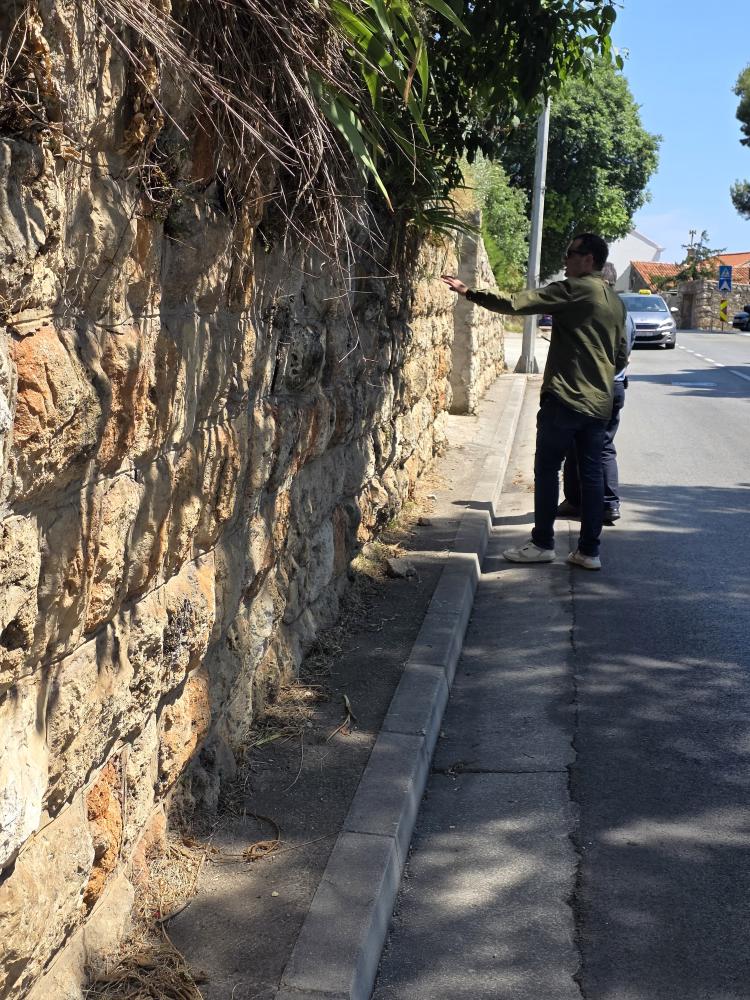
The visit to Dubrovnik in June focused on locations most affected by slope instability. UNIZG project participants inspected damaged retaining walls and visited several high-risk hillside areas where rockfalls pose a significant threat to infrastructure, transport routes, and public safety. These field assessments will help define the optimal locations for sensor deployment and provide valuable information for calibrating AI models according to the local geological and environmental conditions.
The knowledge gained from both pilot areas will directly support the integration of artificial intelligence, remote sensing technologies, sensor networks, and predictive analytics into the existing municipal data platforms and monitoring systems of the Cities of Brussels and Dubrovnik. By validating the AI-Warn Early Warning System under two distinct hazard scenarios; urban flooding in Brussels and rockfalls and landslides in Dubrovnik, the project will demonstrate a flexible and interoperable approach that can be replicated in other climate vulnerable regions across Europe.
On-Site Activities and Observations
1 Like