Field assessment of five locations
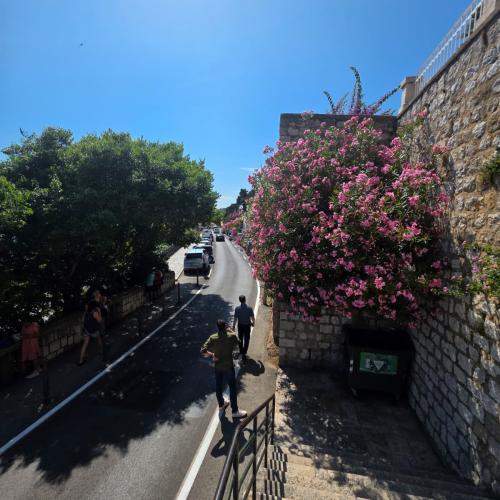
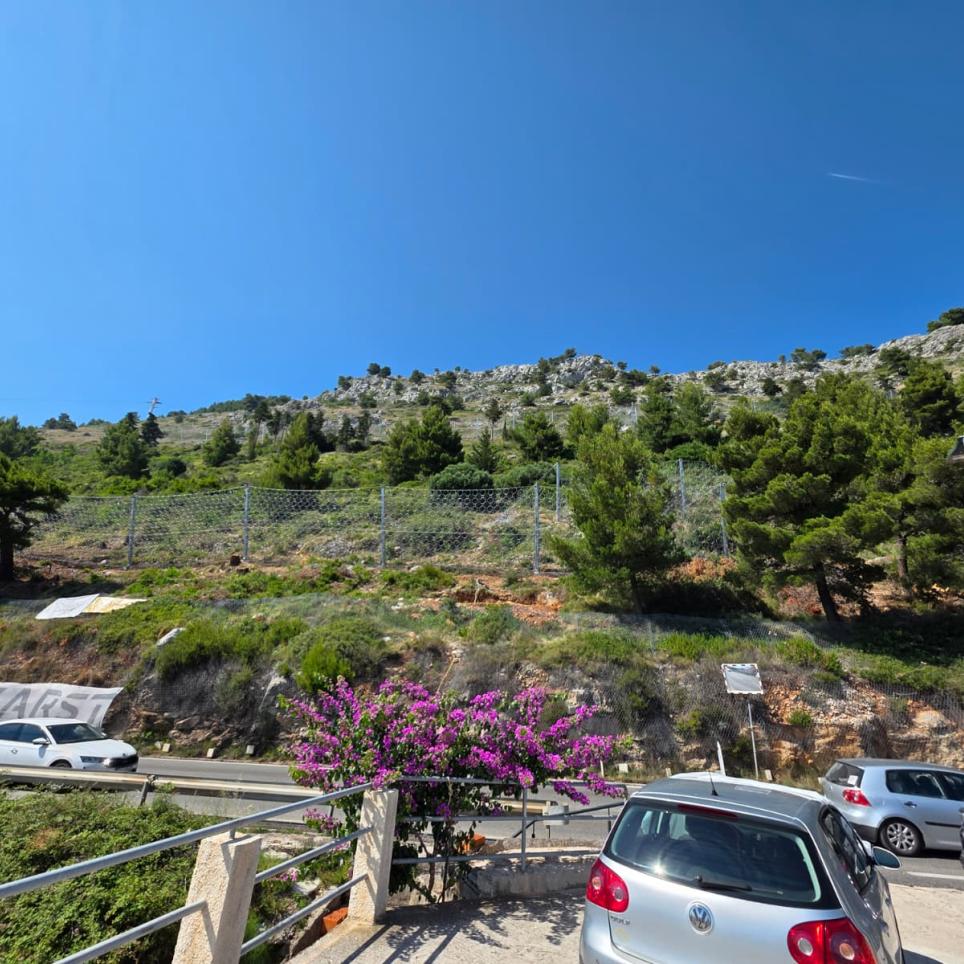
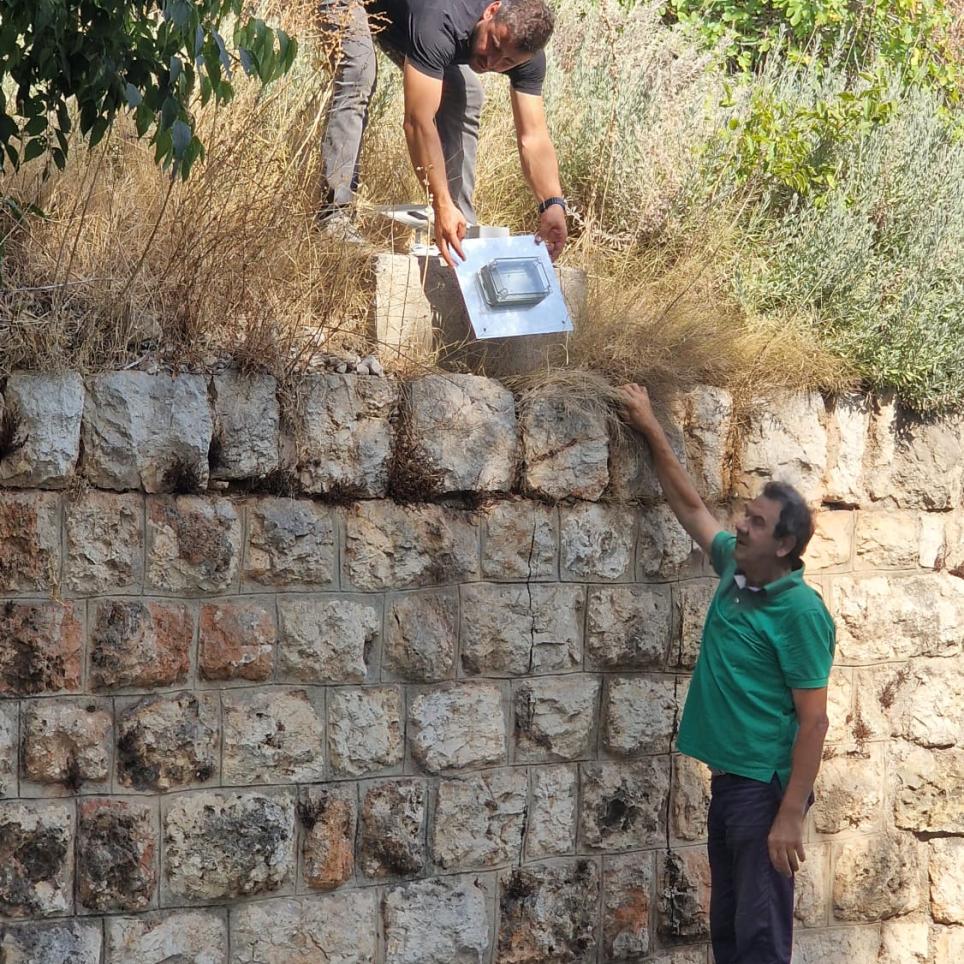
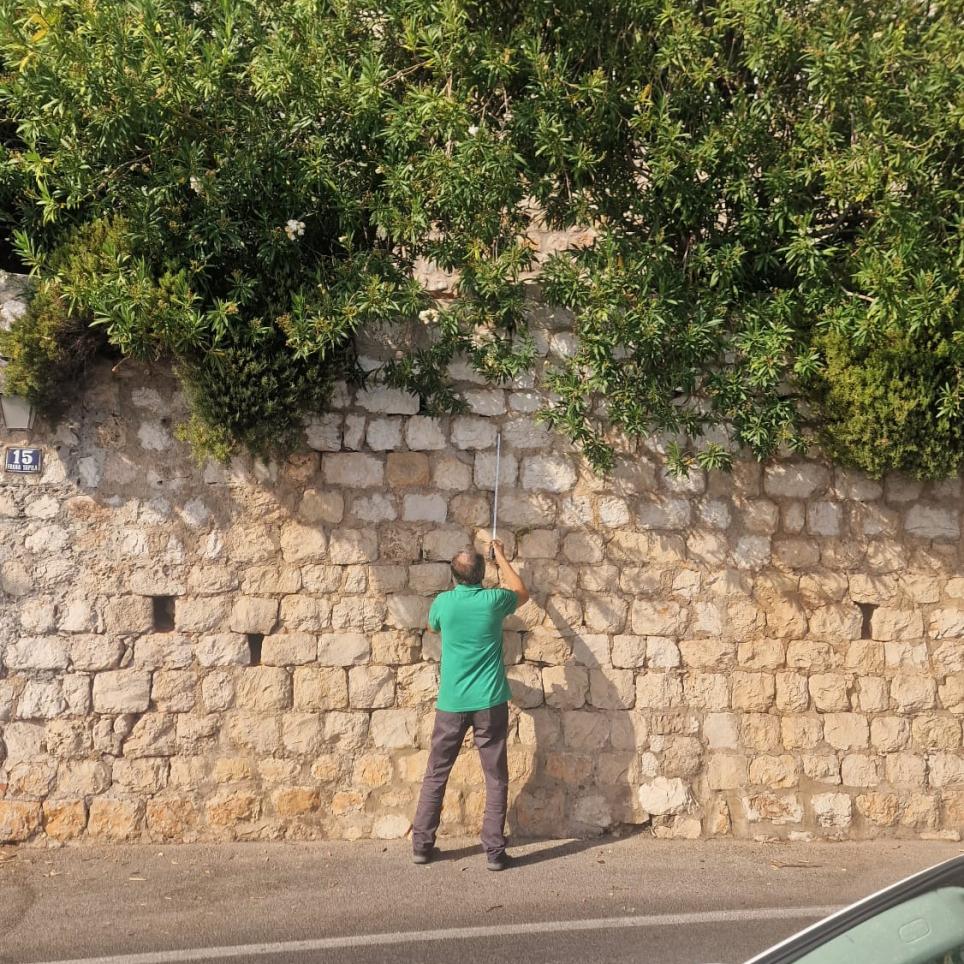
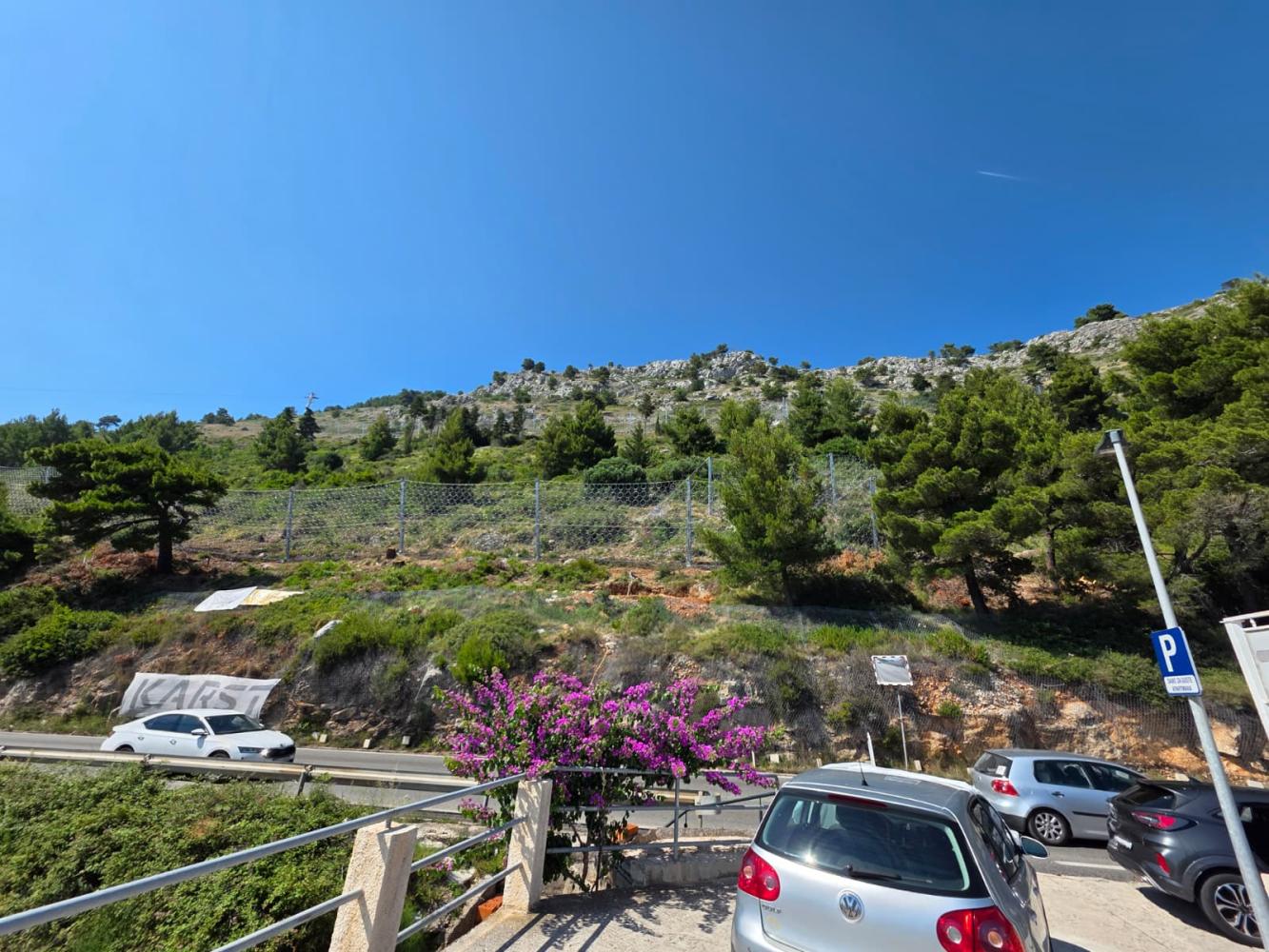
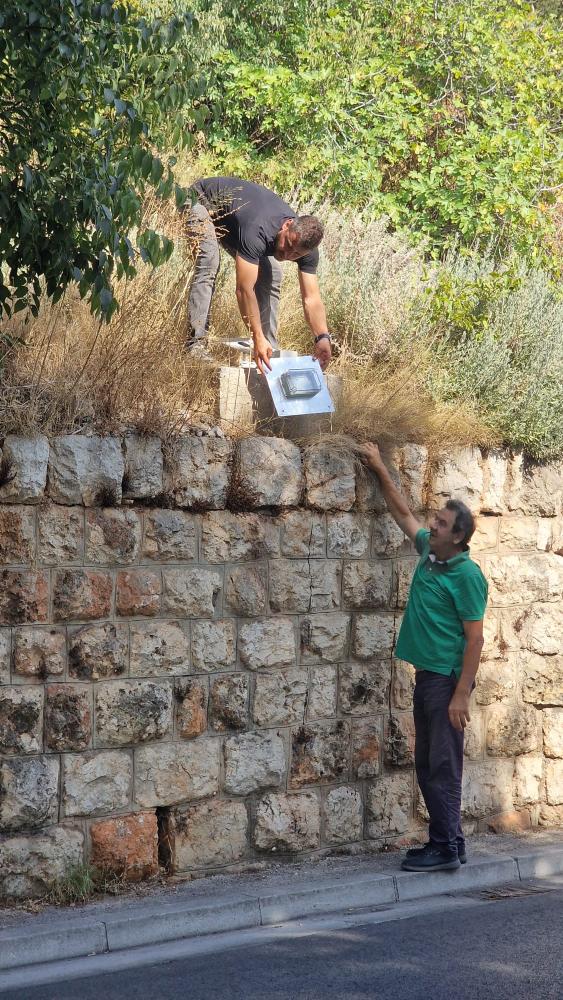
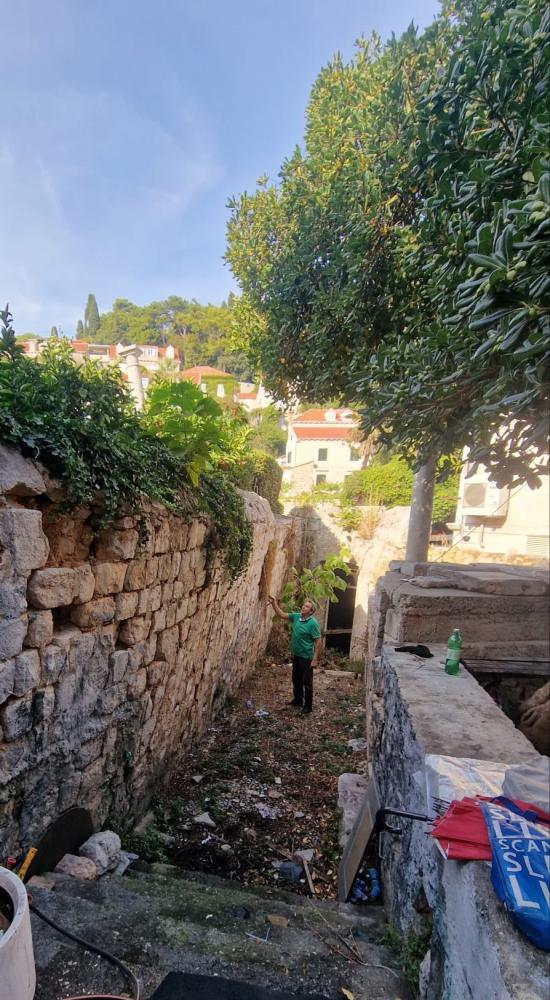
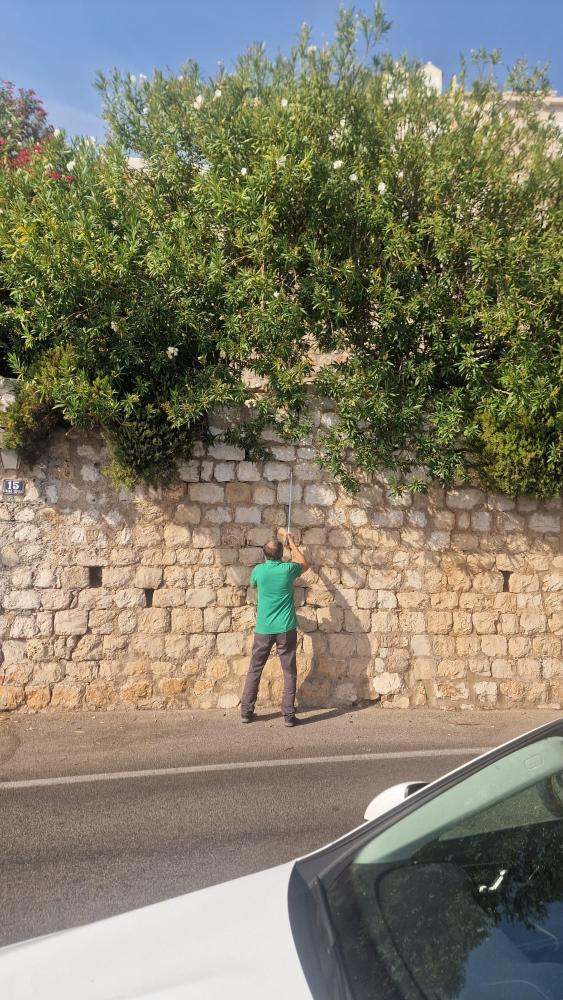
During the September visit, the team inspected five locations in Dubrovnik identified as relevant for the future monitoring network. Particular attention was given to tilting retaining walls and slopes exposed to rockfall hazards, with the aim of determining the most appropriate positions for sensor installation.
At each location, the team assessed the site conditions and the characteristics of the slope or retaining structure in order to identify suitable positions for the planned sensors. These observations will support the design of the local monitoring setup and help ensure that the collected data are relevant for detecting and assessing potential slope instability.
The field assessment represents an important step in moving from the identification of potential monitoring areas towards the practical implementation of the AI-WARN system in Dubrovnik.
From field assessment to monitoring
The sensors to be deployed at the selected locations will form part of the AI-WARN monitoring network, providing data that will contribute to the system’s assessment of local conditions and support the development of its AI-driven early warning capabilities.
The information collected during the field visit will be used in the next stages of planning and sensor deployment. Together with the data and technologies developed within the project, the Dubrovnik pilot will contribute to testing and validating the AI-WARN Early Warning System under in-situ conditions.
The September field visit therefore marks another step towards establishing a locally adapted monitoring system capable of supporting earlier detection and assessment of climate-induced hazards in Dubrovnik.