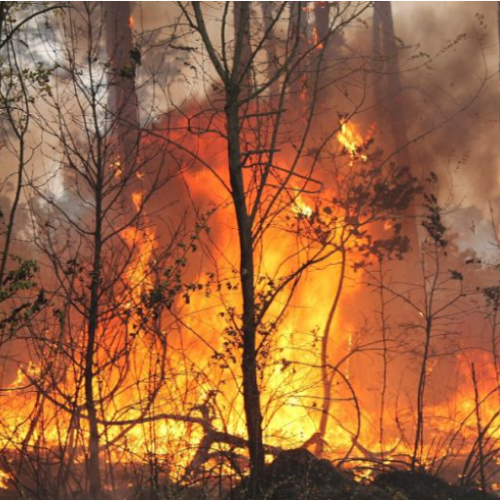
Bulgaria tackles wildfire risk with integrated management
Bulgaria is looking to strengthen its capacity to prevent, detect, prepare for, and respond to forest fires.

Bulgaria is looking to strengthen its capacity to prevent, detect, prepare for, and respond to forest fires.
To support the country’s efforts, on 23 September 2026, the Bulgarian authorities, municipalities, civil protection and forestry practitioners, European Commission representatives, the World Bank, and technical experts met—at the World Bank Group office in Sofia—to launch the project “Bulgaria Forest Fire Prevention”.
The project is financed by the European Union through the Technical Assistance Financing Facility for Disaster Prevention and Preparedness (TAFF) and implemented by the World Bank Group in partnership with the European Commission’s Directorate-General for European Civil Protection and Humanitarian Aid Operations (DG ECHO) and Bulgarian counterparts. The initiative will support a more coordinated, risk-informed approach to wildfire management—linking forest and landscape management with early warning, operational preparedness, emergency response, and post-fire recovery.
Opening the workshop, representatives of the World Bank Group stressed that Bulgaria’s growing wildfire risk cannot be addressed by any institution acting alone. With most ignitions linked to human activity, effective prevention depends not only on investments and technology, but also on clear mandates, shared data, stronger coordination, and active participation by communities and land managers.
Preventing forest fires is a shared responsibility: through coordinated institutions, timely action, and active public participation, we can protect Bulgaria’s forests, communities, and natural heritage.
Discussions reflected the European Union’s new approach to integrated wildfire risk management, covering the full cycle of prevention, preparedness, response, and recovery. Participants highlighted the need to build fire-resilient landscapes, improve risk assessments and mapping, strengthen public awareness, and ensure that recovery measures reduce future risk rather than recreate existing vulnerabilities.
Early fire detection was a central theme of the workshop and is also embedded in one of the project components. Experts presented how meteorological forecasting, fire-danger ratings, satellite observations, cameras, drones, artificial intelligence, and field reporting can help detect fires sooner and support the proactive positioning of resources. Participants agreed, however, that technology is effective only when it is connected to reliable forest data, clear alert thresholds, trained personnel, and well-defined operational procedures.
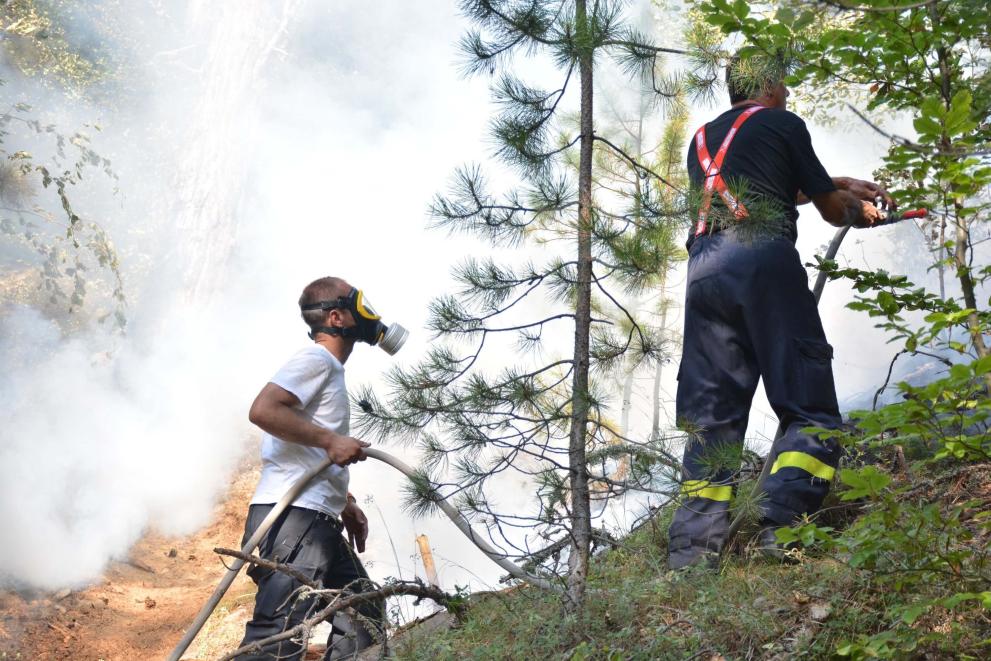
The limits of a response-focused model were also examined. Fire services can contain most routine incidents, but increasingly intense and fast-moving fires can exceed existing capacities. This makes sustained investment in prevention essential, including active forest and vegetation management, community engagement, support for volunteer formations, and stronger coordination among forestry, civil protection, environmental, agricultural, and local authorities.
Another key message was that wildfire impacts extend far beyond the number of hectares burned. Economic losses may include damage to homes and infrastructure, disruption to local livelihoods, public-health effects, biodiversity loss, degraded ecosystem services, and long-term recovery costs. Better damage-and-loss assessment—including evidence of losses avoided through prevention—can support stronger, more balanced investment decisions across risk reduction, readiness, response, and recovery.
Through the project, Bulgarian institutions and partners will work together to review the existing system, clarify institutional responsibilities, strengthen wildfire risk assessment and data, explore options for an integrated early-warning and detection system, and develop a prioritised framework for future investments. Workshops, consultations, knowledge exchanges, and peer learning will help ensure that recommendations are practical and tailored to Bulgaria’s needs.
The launch established a shared direction: Bulgaria’s wildfire resilience will depend on moving from fragmented interventions toward a year-round, whole-of-government and whole-of-society approach. By combining better evidence, coordinated institutions, resilient landscapes, and operationally connected technology, the initiative aims to help protect communities, forests, biodiversity, and critical assets from a growing climate-related threat.