
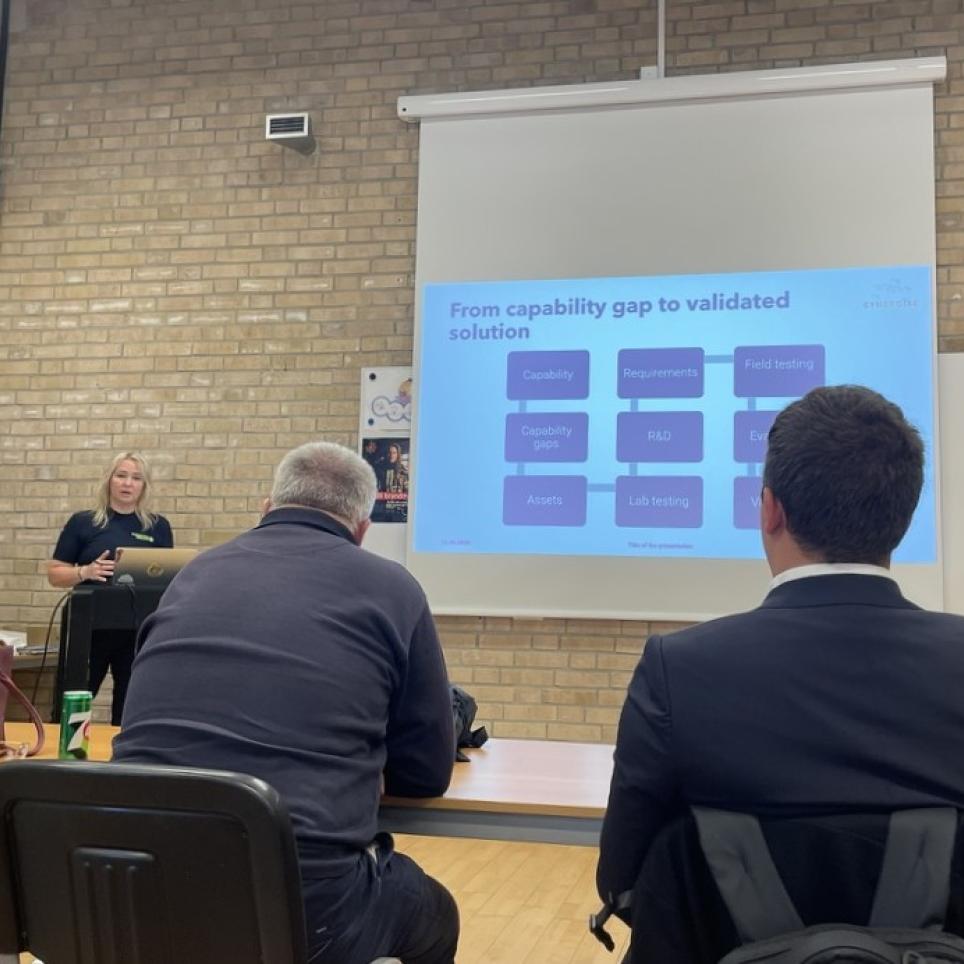
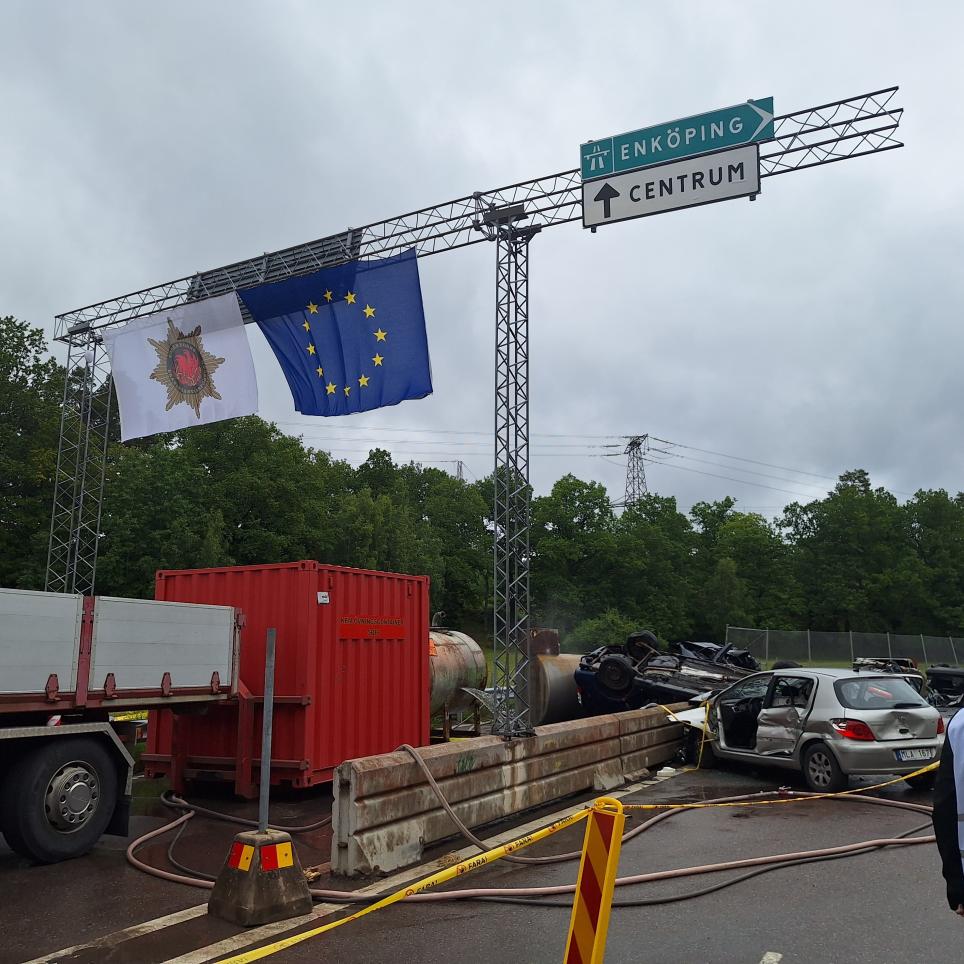
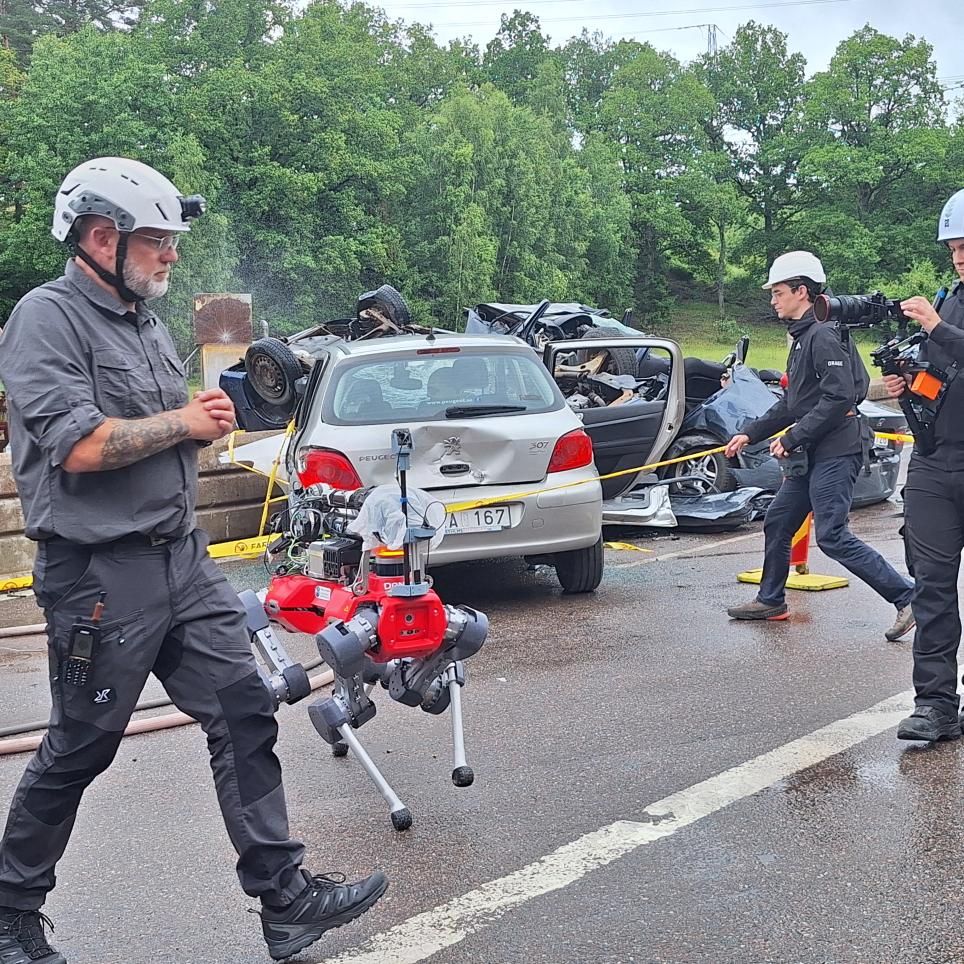
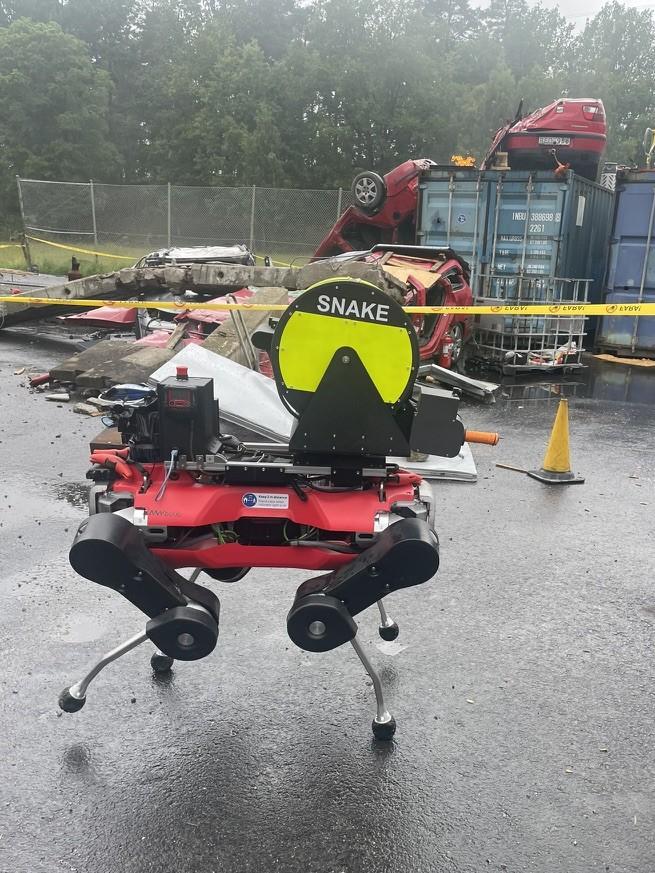
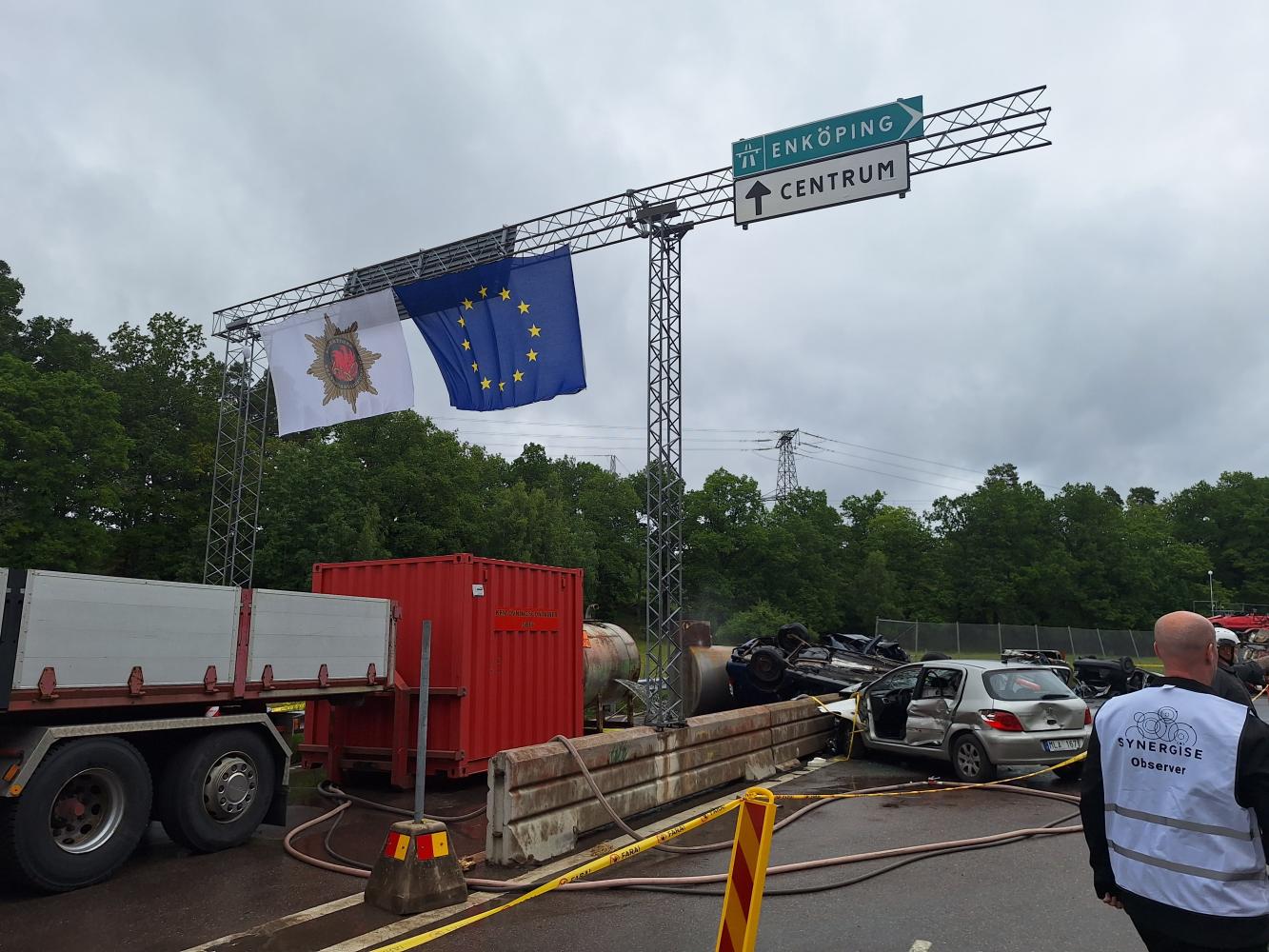
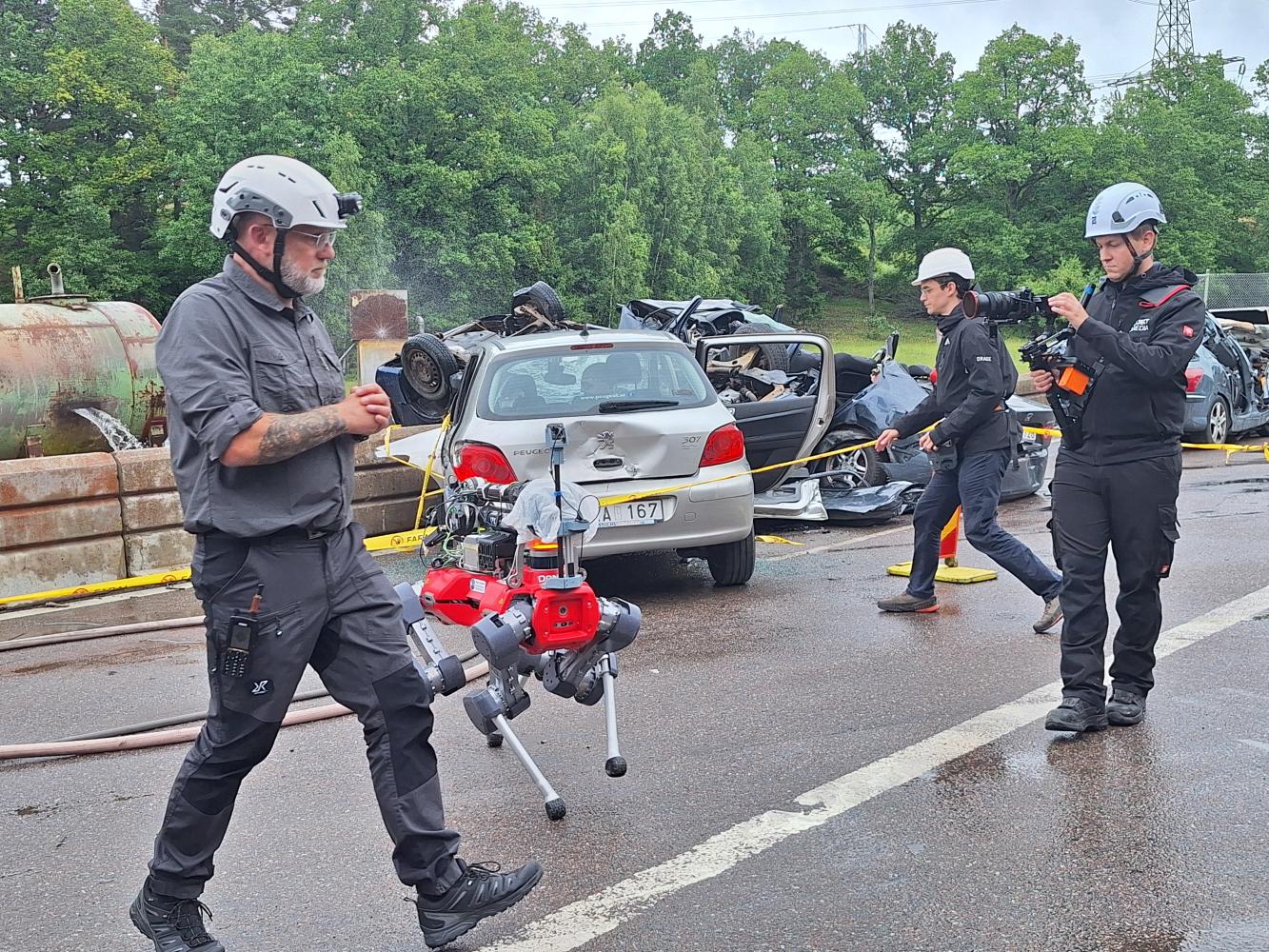
The COLLARIS2 project team gathered in Sweden earlier this week to conduct its first trial in 2026. On day one, the participants could kindly observe the final large-scale demonstration of the EU-funded SYNERGISE project at the Botkyrka fire station in Stockholm County. First responders tackled realistic emergency scenarios – from traffic accidents involving hazardous materials to explosions and high-rise rescues. Baseline tests in the morning and technology-supported runs in the afternoon highlighted the added value of advanced tools for situational awareness and coordination. This video presents what some of the invited experts had to say about the demonstration, including COLLARIS coordinator Anna Kobierzycka.




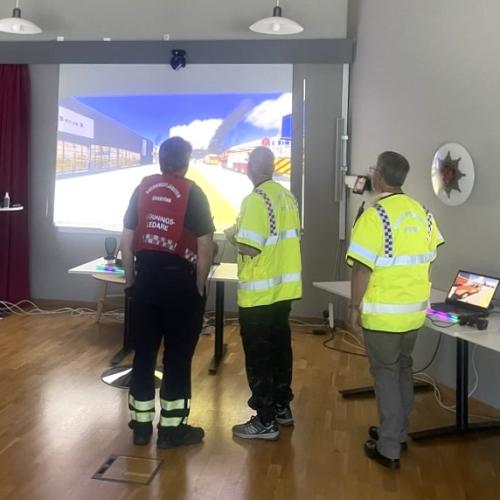
The second day focused on the COLLARIS2 trial on virtual simulation. The exercise explored how immersive simulation and drone-based information can support Incident Commanders in complex (including wartime) scenarios. In a challenging civil defence scenario, participants were confronted with a complex, high-pressure situation: after an initial attack on a hospital, a potential second attack on a school unfolds. Only limited resources are available – a small fire brigade team. The task: make critical decisions, coordinate the team, and integrate new tools such as indoor drones.
The VR environment, enriched with real footage from war-damaged buildings in Ukraine, created a highly realistic and intense training experience. Additional inputs – including panicked civilians – further increased the pressure and tested decision-making under stress.
Overall, the trial was a great opportunity to connect real-world testing with innovative training approaches for the responders of tomorrow, and, once again, showed that simulation can help to prepare for complex challenges. Thanks to everyone involved in planning and executing the trial!

About COLLARIS2
The EU-funded project COLLARIS2 is the successor to COLLARIS (COLLaborative network on unmanned AeRIal Systems) and focuses on the use of UAS (e.g., drones) in the field of civil protection and disaster management. Building upon the results of the COLLARIS Network, this project aims to continue, expand and further develop the already established international network of crisis management and civil protection practitioners, research institutions and public administration. The members of the network collect and transfer knowledge, exchange experiences, skills, good practices and information on operational procedures for the optimal use of drones in crisis management and rescue missions.
1 Like