
EMERGE Project Holds 2nd Coordination Meeting to Advance Platform Integration and End-User Readiness
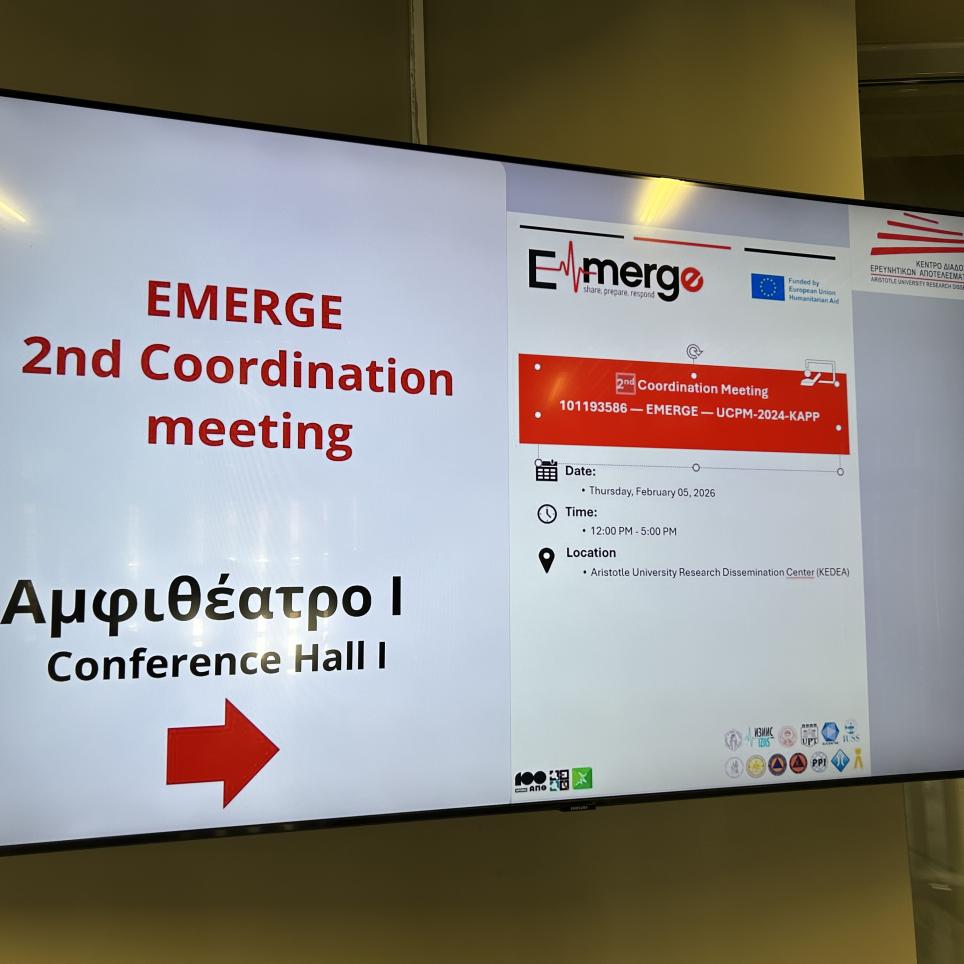
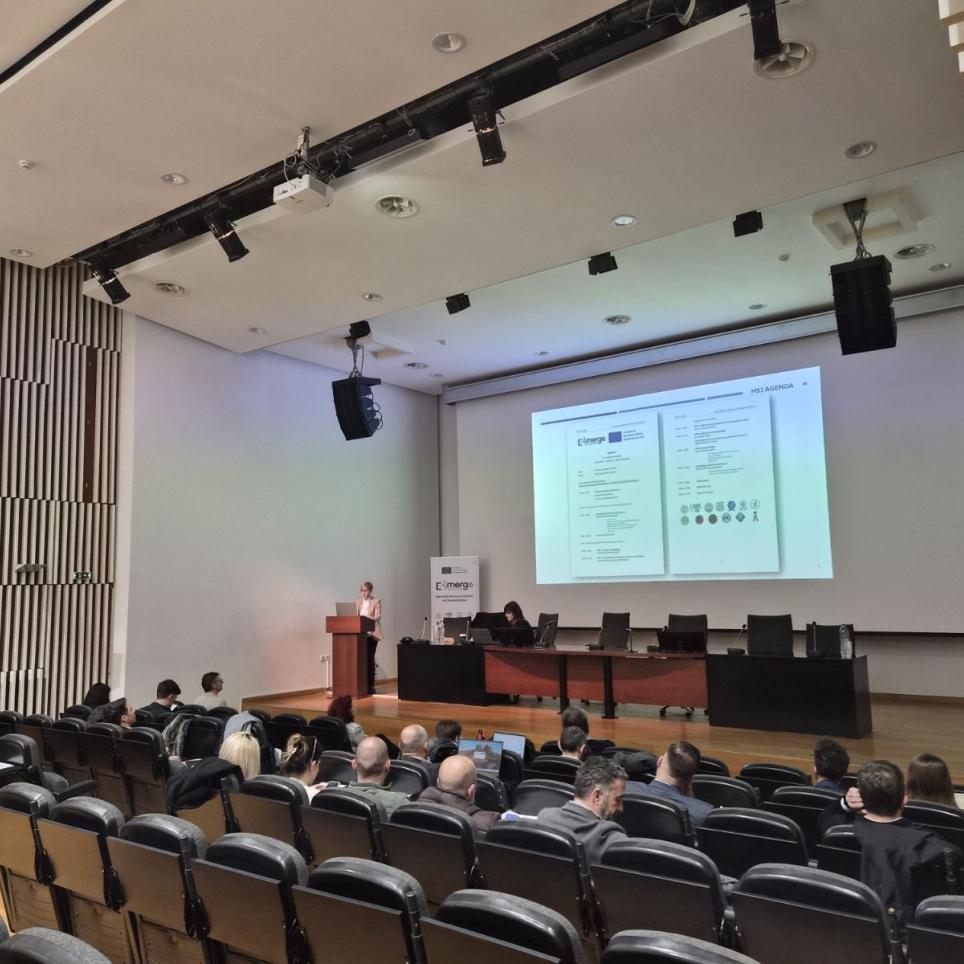
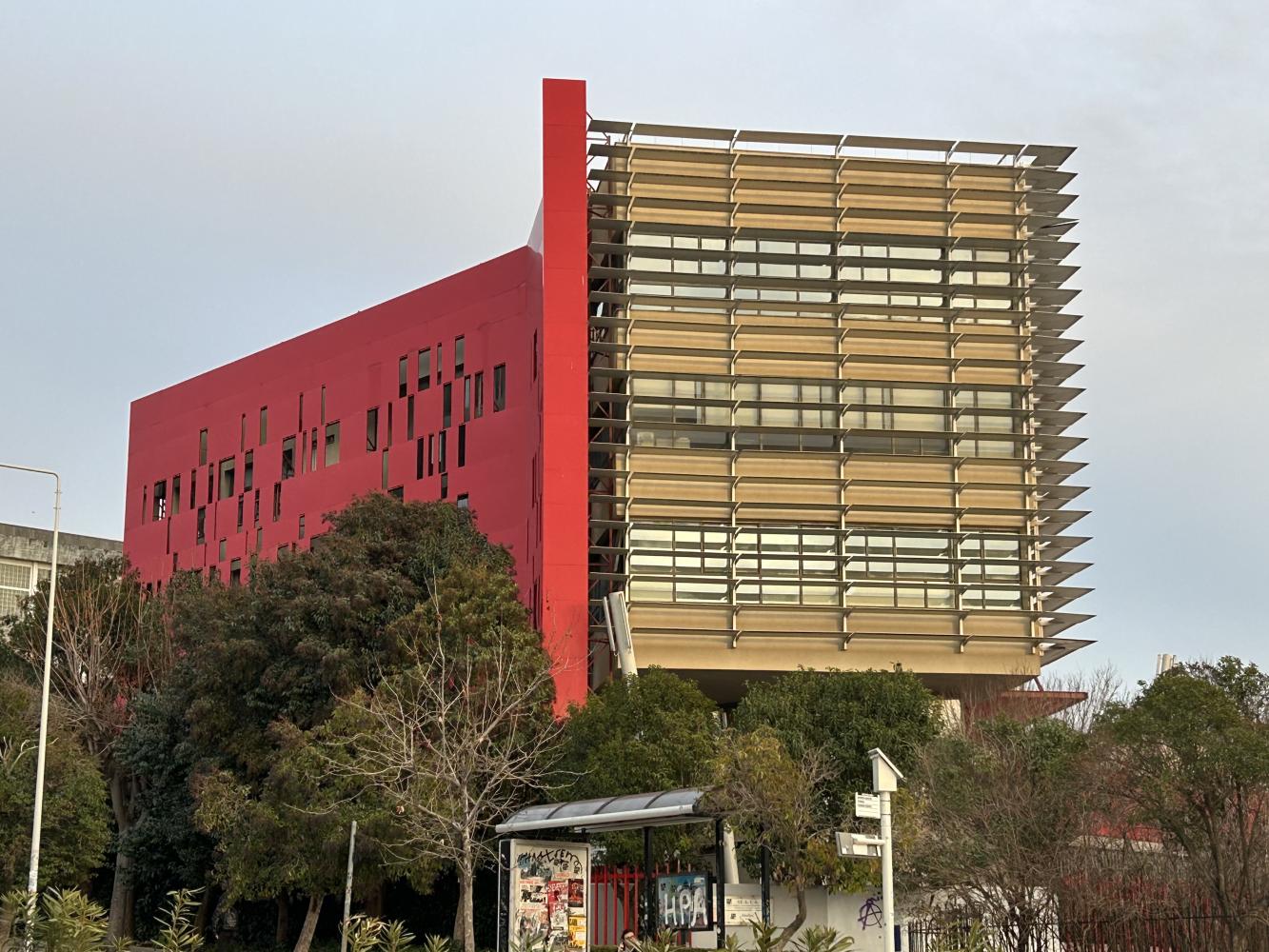
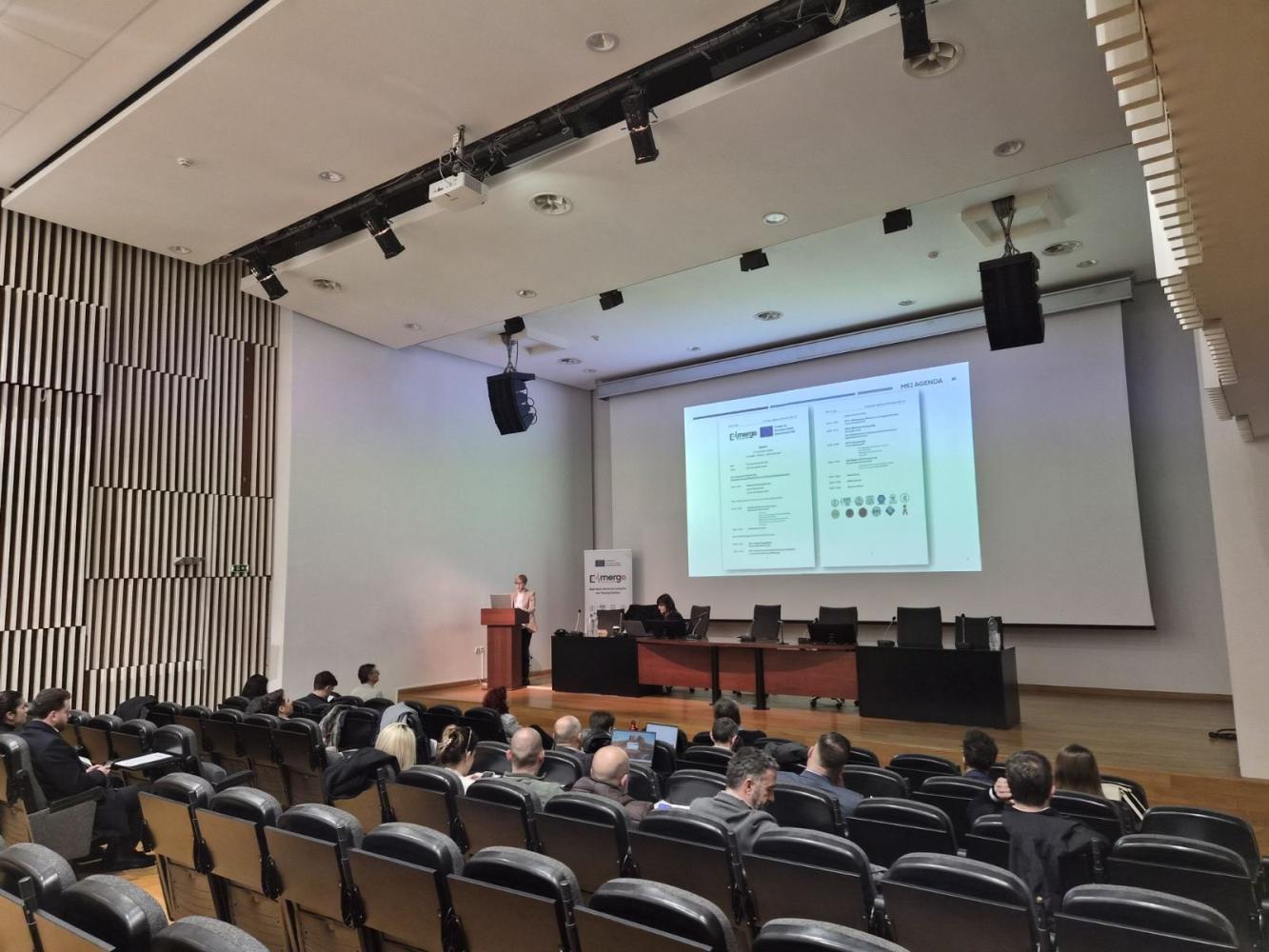
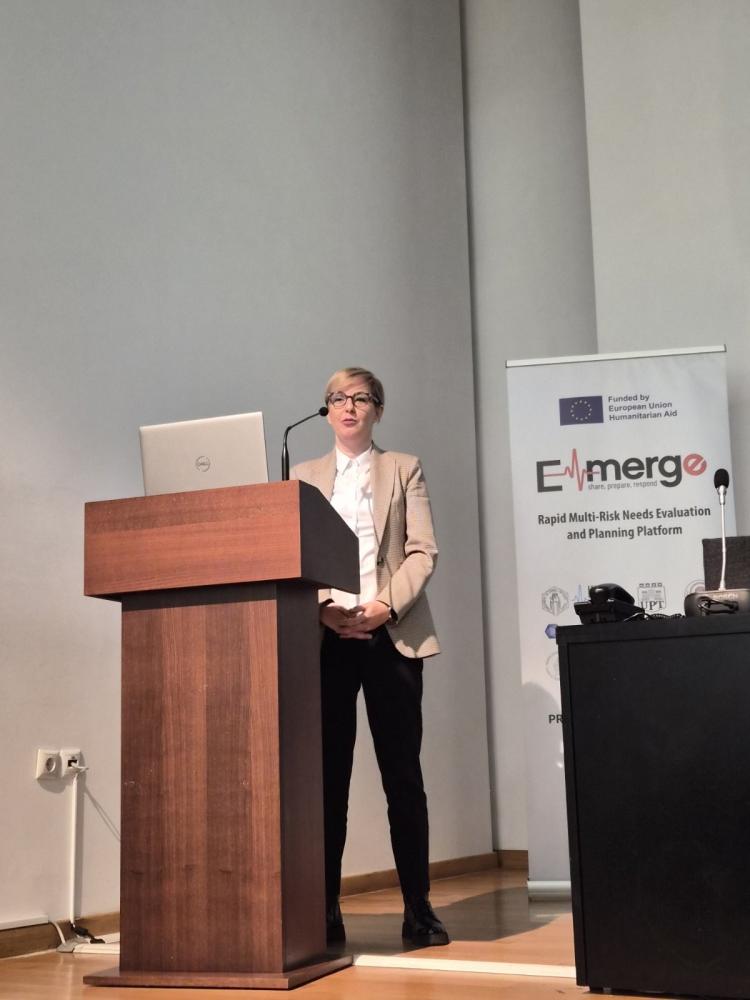
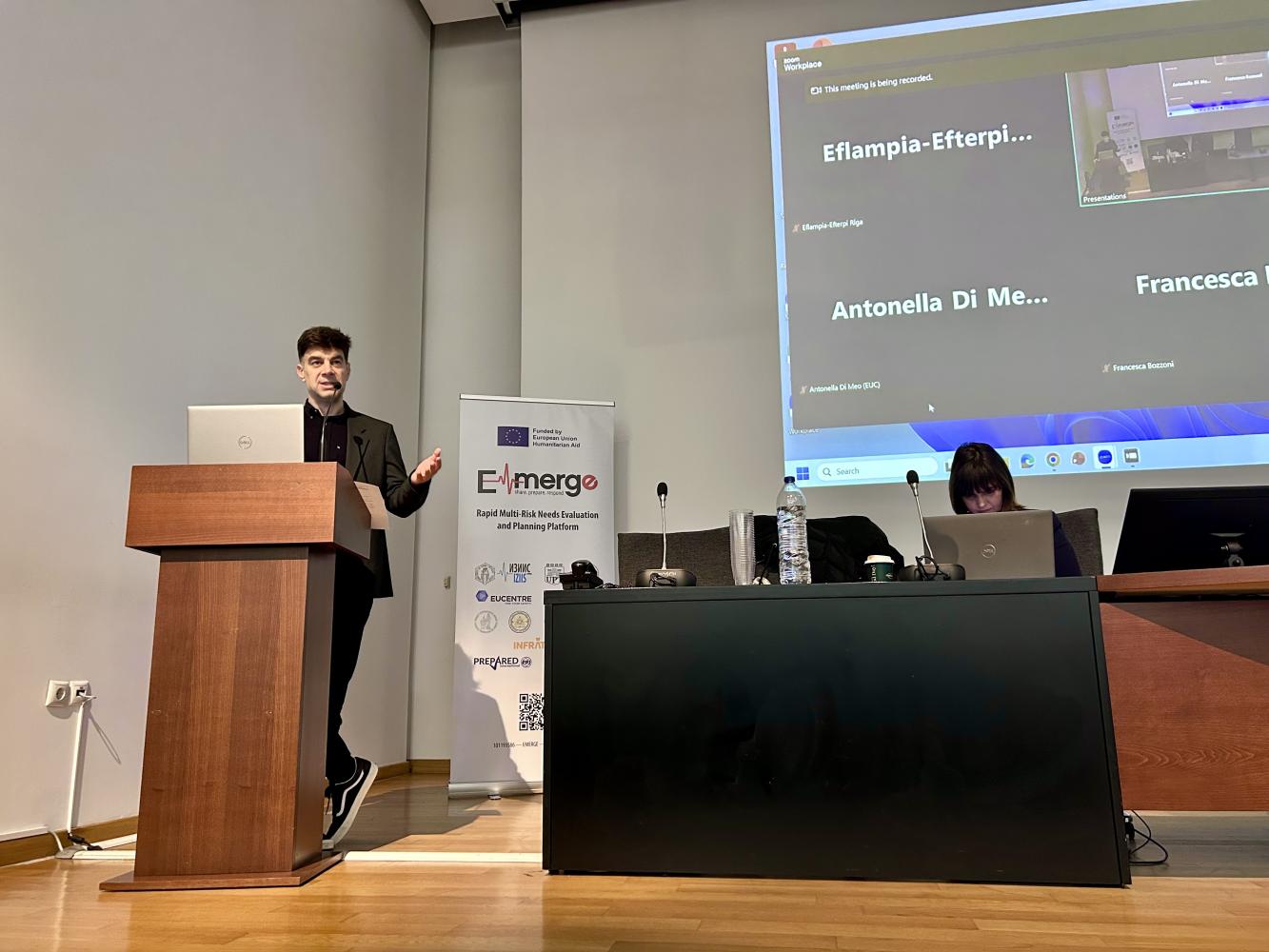
On 5 February 2026, the EMERGE consortium convened its 2nd Coordination Meeting (MS2) in Thessaloniki, Greece, hosted by the Aristotle University of Thessaloniki (AUTH) at the KEDEA Research Dissemination Center. The hybrid meeting brought together 36 participants representing all partner institutions.
The meeting marked an important mid-term milestone for the EMERGE project (Rapid Multi-Risk Needs Evaluation and Planning Platform), funded under the Union Civil Protection Mechanism (UCPM). Discussions focused on reviewing project progress, addressing implementation challenges, and aligning next steps toward full integration of the web-based platform and end-user validation.
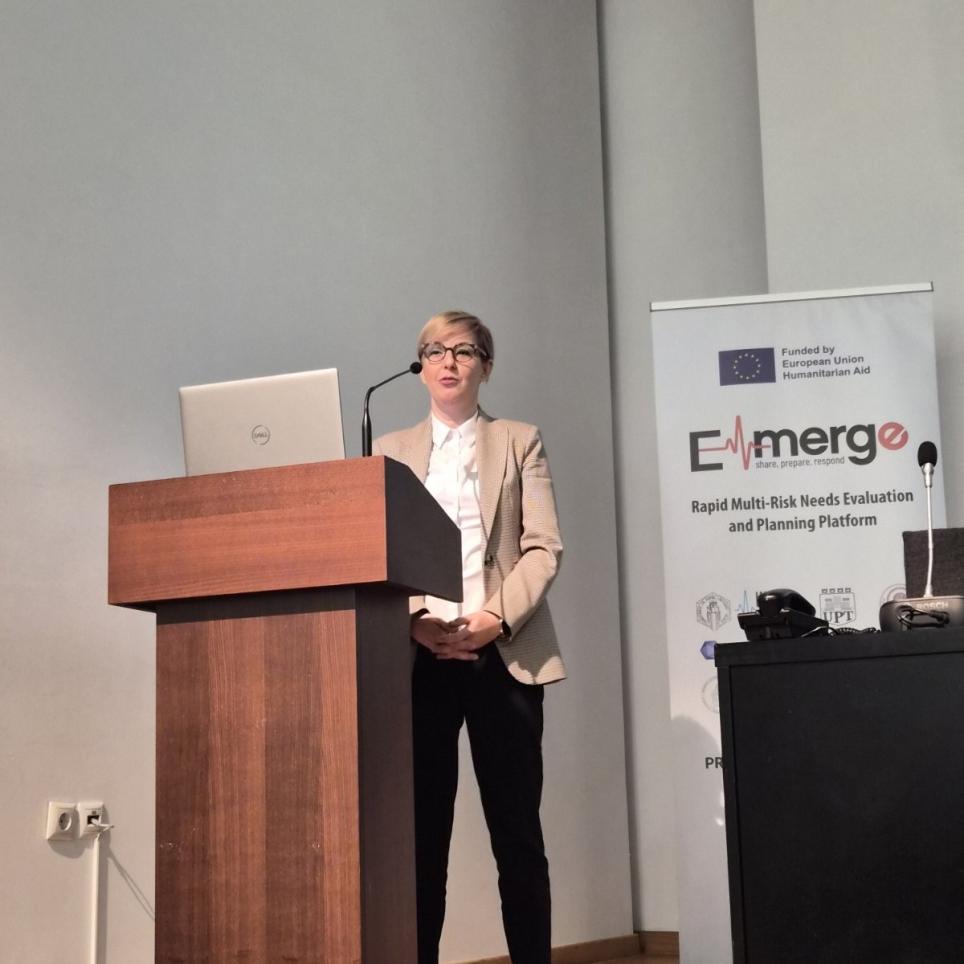
During the administrative and financial session, the consortium assessed the overall project status, deliverables, and milestones. The Coordinator emphasized the importance of proactive engagement from all Work Package leaders and highlighted cross-cutting challenges related to sensitive data access, sharing, and governance. Partners reiterated the need for stronger engagement of National Civil Protection Authorities (NCPAs) to ensure that the EMERGE platform fully responds to operational needs in Albania, Greece, and North Macedonia.
Advancing the EMERGE Web-Based Platform
Technical sessions confirmed steady progress across all Work Packages:
- WP1 provided an overview of the project management framework, including the governance structure and quality assurance arrangements. Particular emphasis was placed on internal communication, timely partner inputs, and consistent procedures for documentation and sensitive-data handling—identified as a key cross-cutting constraint for smooth implementation.
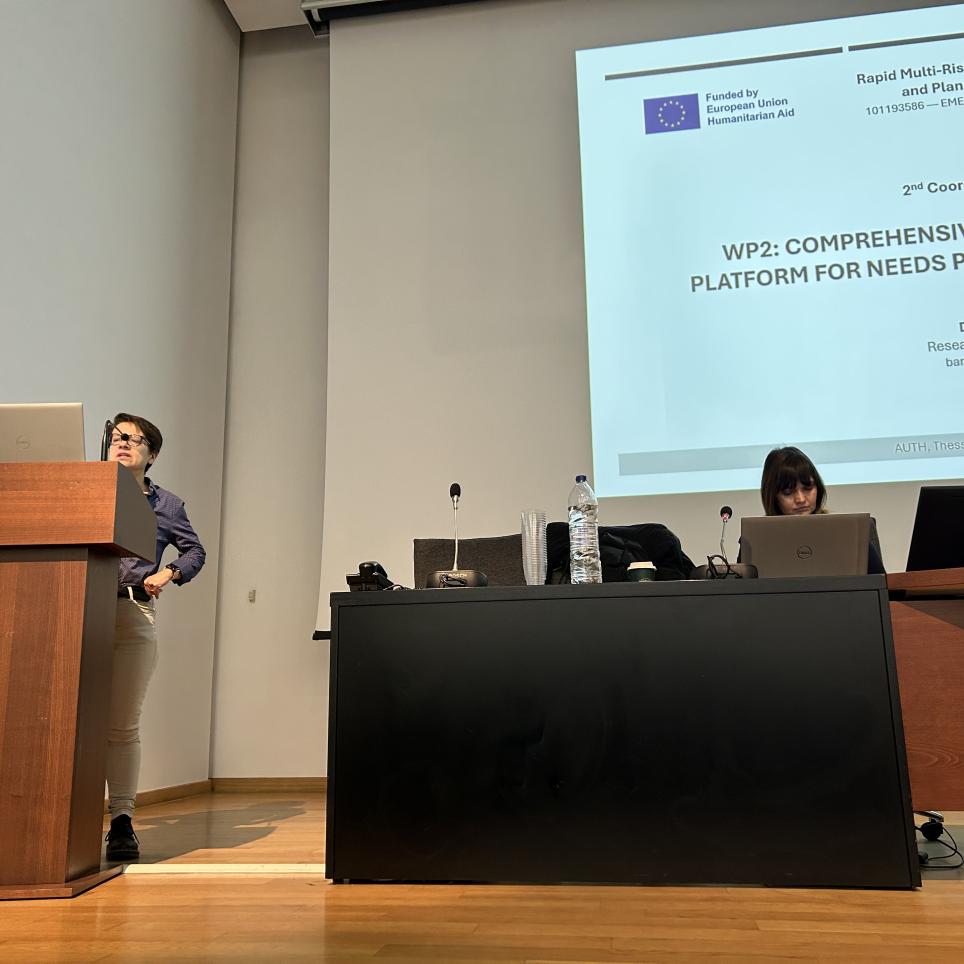
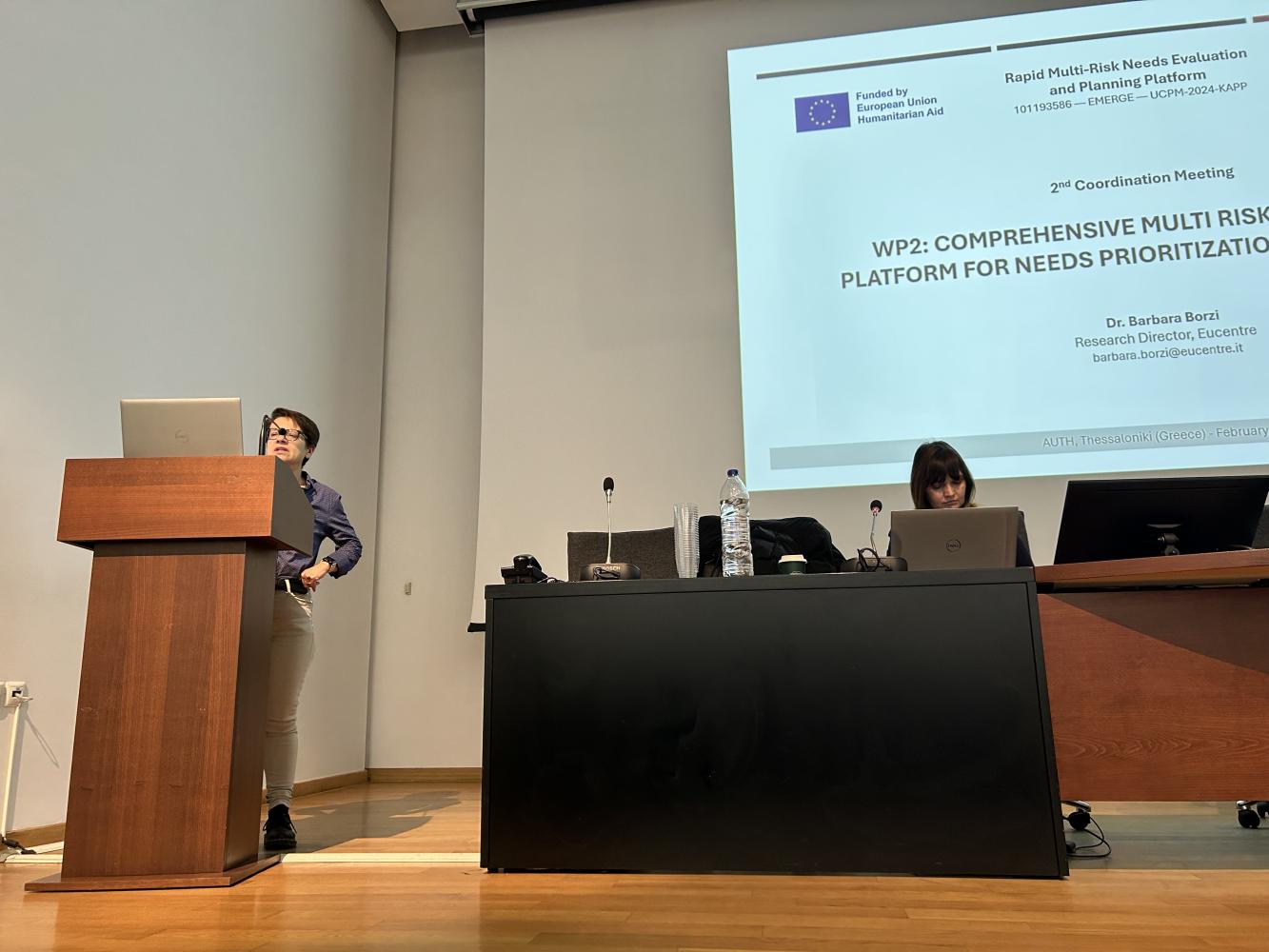
- WP2 presented advancements in the EMERGE Web-Based Platform (WBP), including upgraded exposure datasets (residential, commercial, industrial buildings and population layers), integration of near-real-time ShakeMaps, and updated vulnerability models. Key technical priorities were identified, including addressing fragility model gaps, resolving boundary inconsistencies in the Area of Interest, and developing near-real-time landslide scenario tooling.
- WP3 reported progress on social vulnerability assessment (SoVI), exposure portfolios for critical infrastructure, and mapping of civil protection resources and capacities across the Cross-Border Region (CBR).
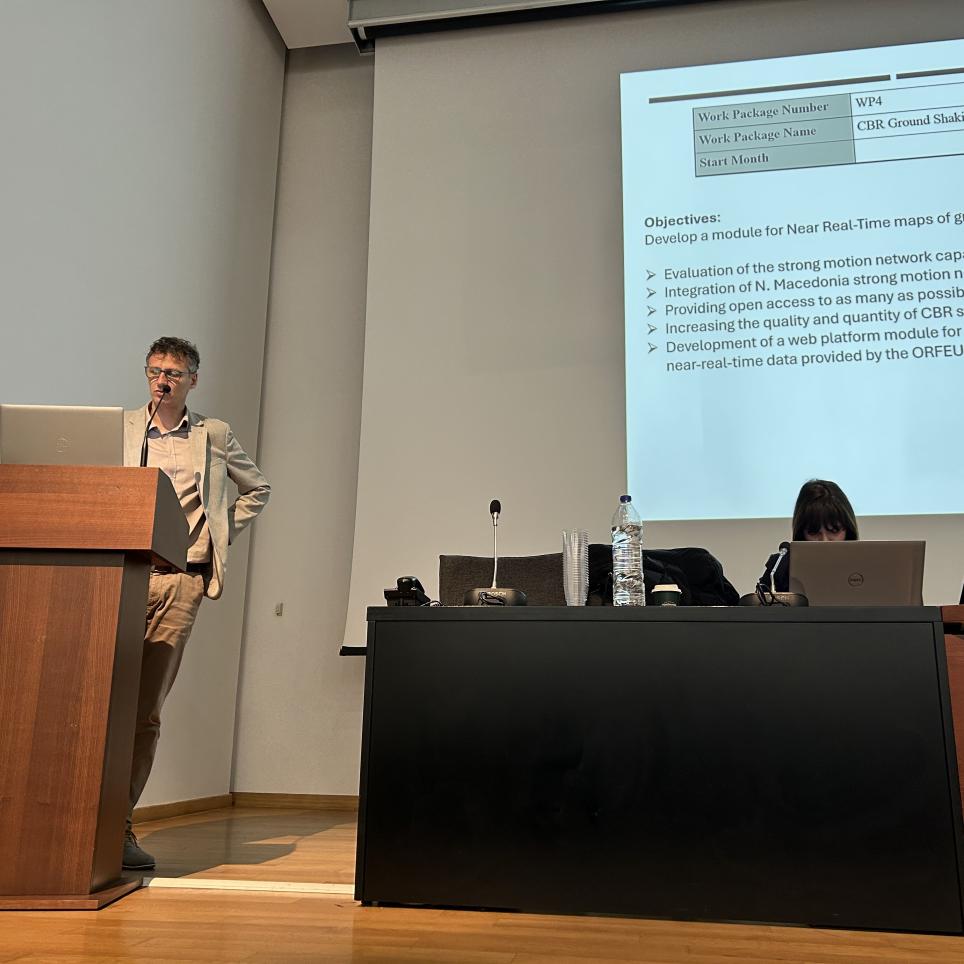
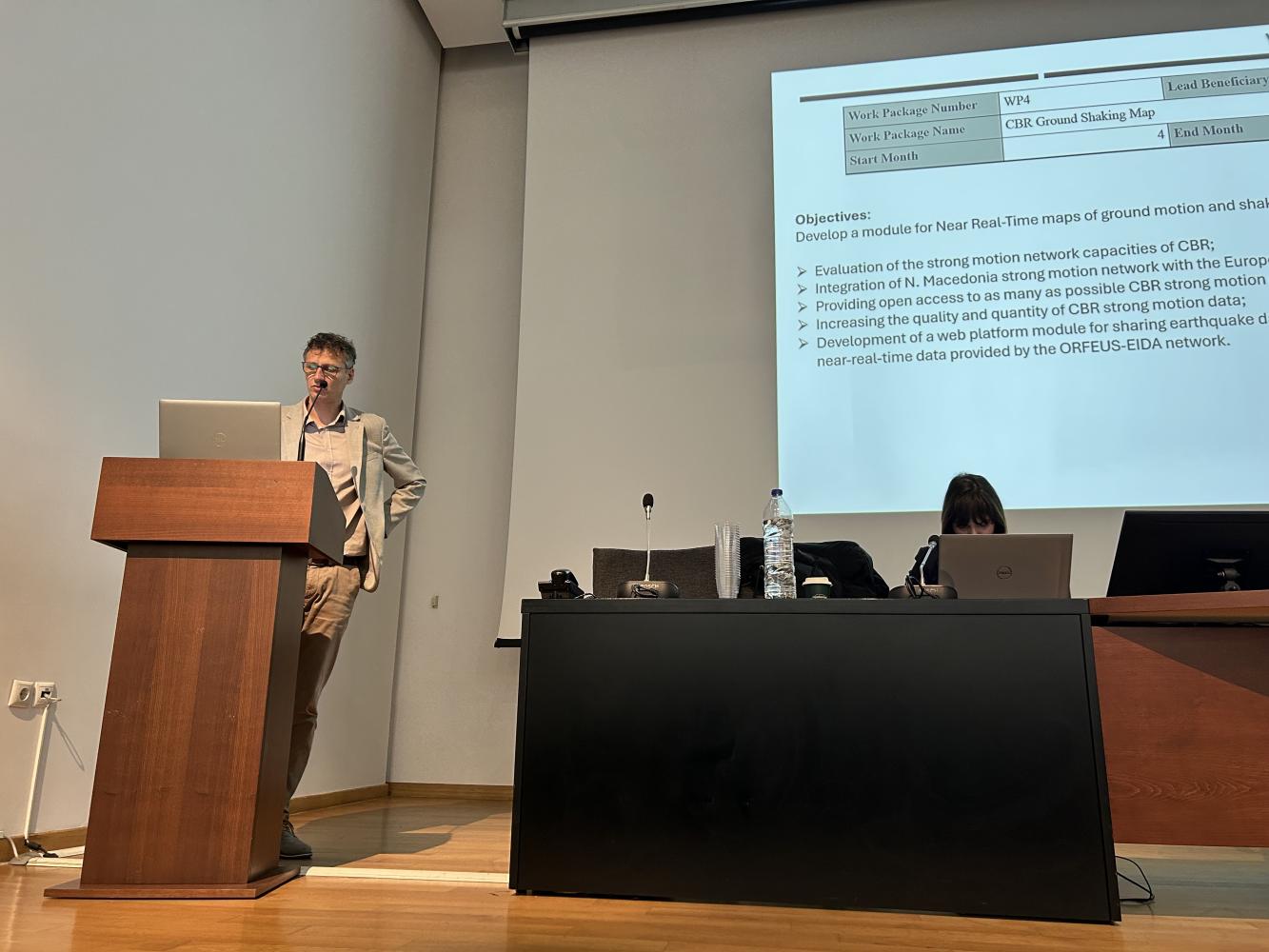
- WP4 demonstrated the Near Real-Time ground shaking workflow, integrating strong-motion networks with ORFEUS–EIDA and generating ShakeMap products for direct ingestion into the platform via API services.
- WP5 reviewed dissemination, communication, and exploitation activities, emphasizing visibility of EU support, stakeholder engagement, and scientific dissemination.
Strengthening Integration and Preparing for End-User Engagement
The meeting concluded with consolidated action points focused on:
- Finalizing WP4–WP2 technical integration,
- Addressing identified data and modelling gaps,
- Harmonizing resources and capacities databases,
- Preparing the upcoming beta training workshop in Bitola (September 2026).
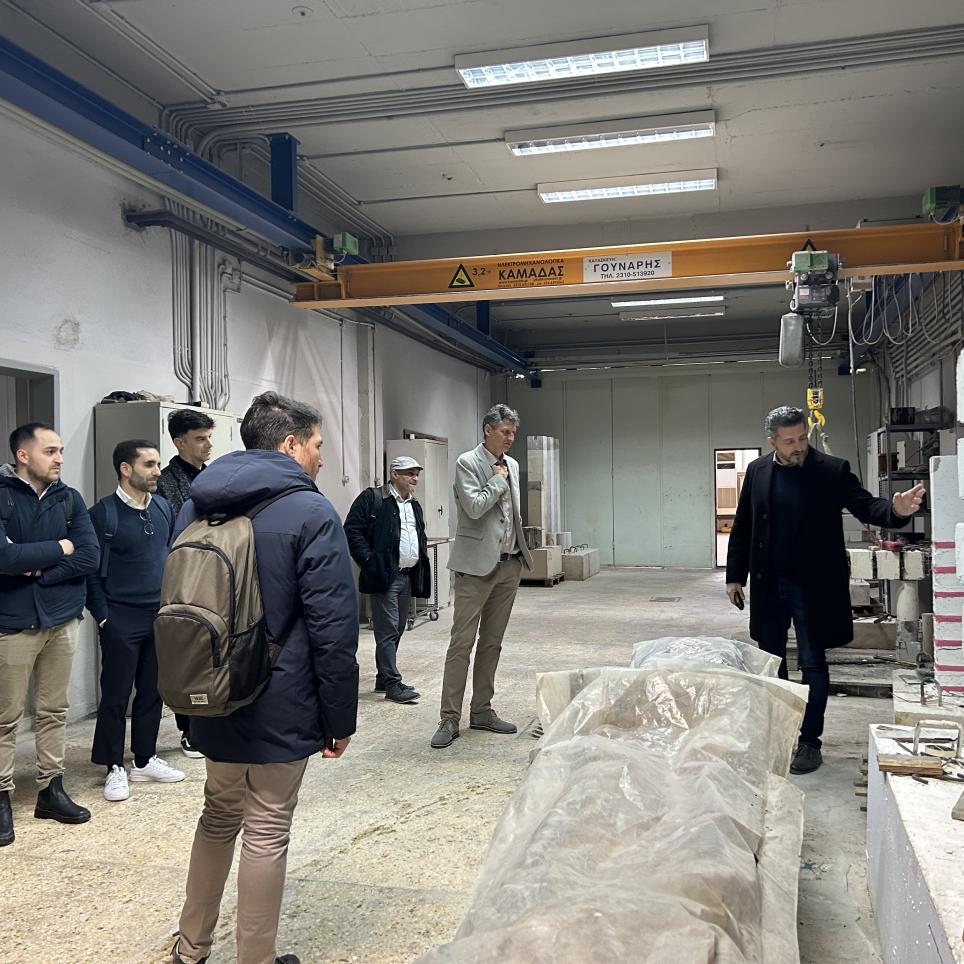
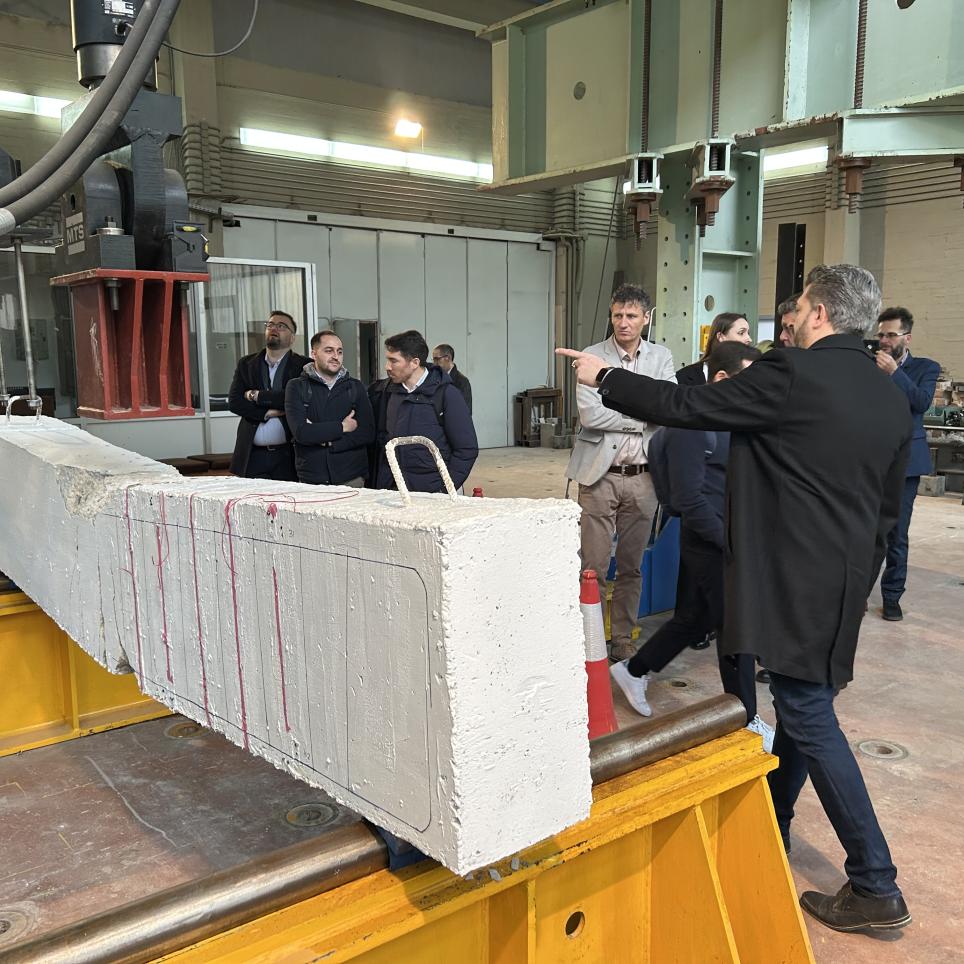
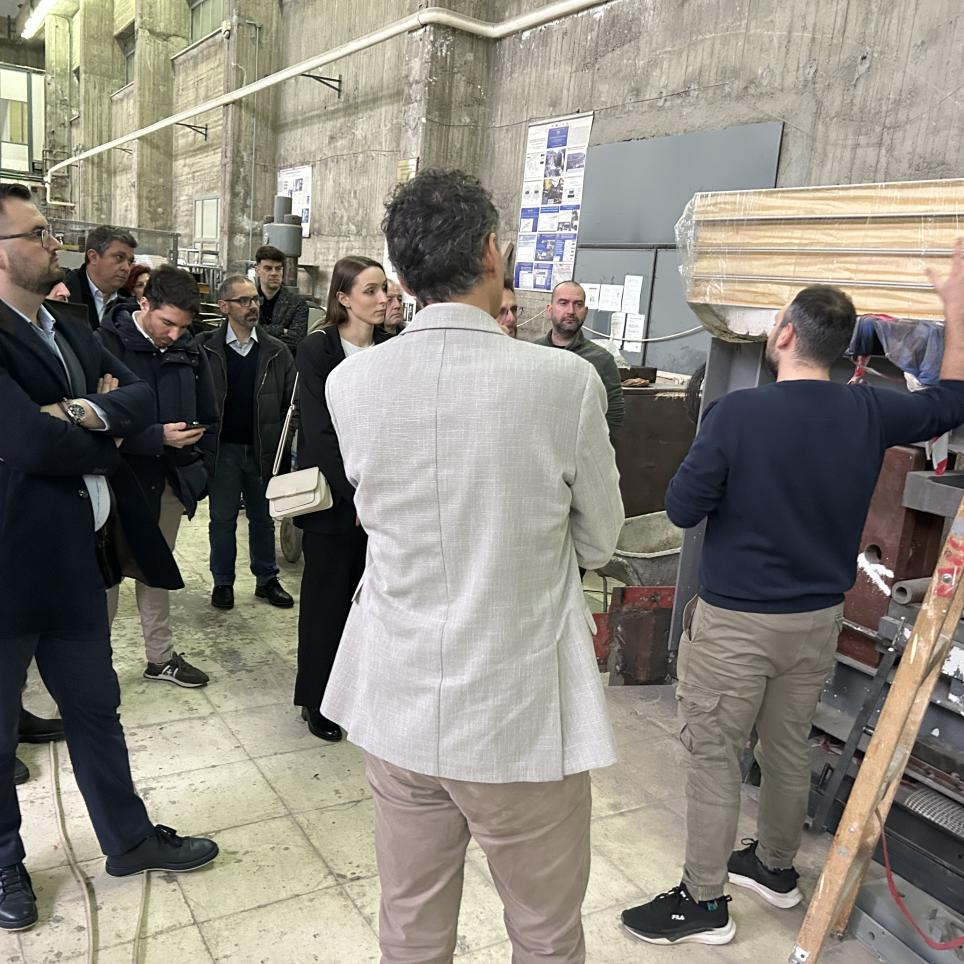
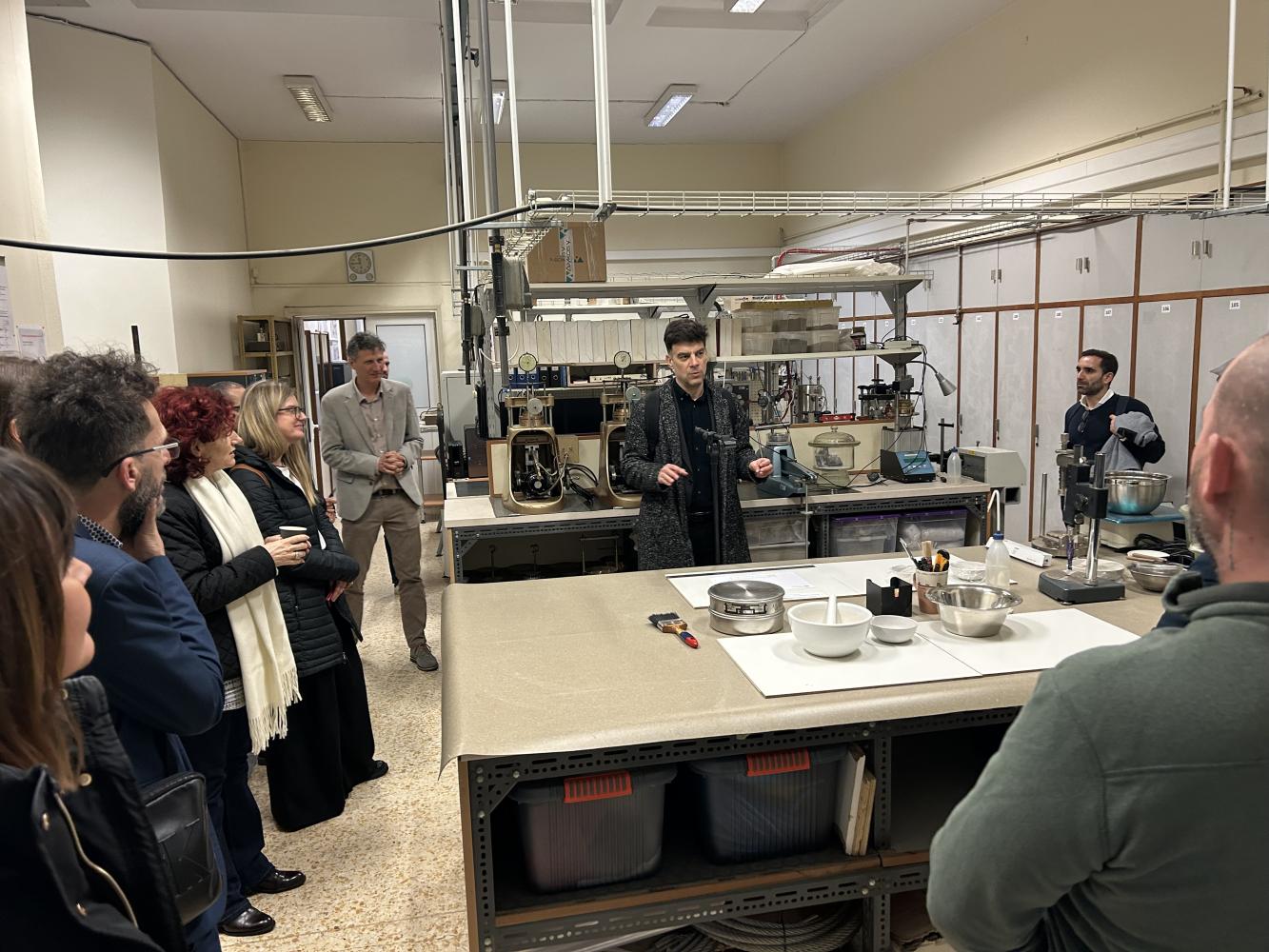
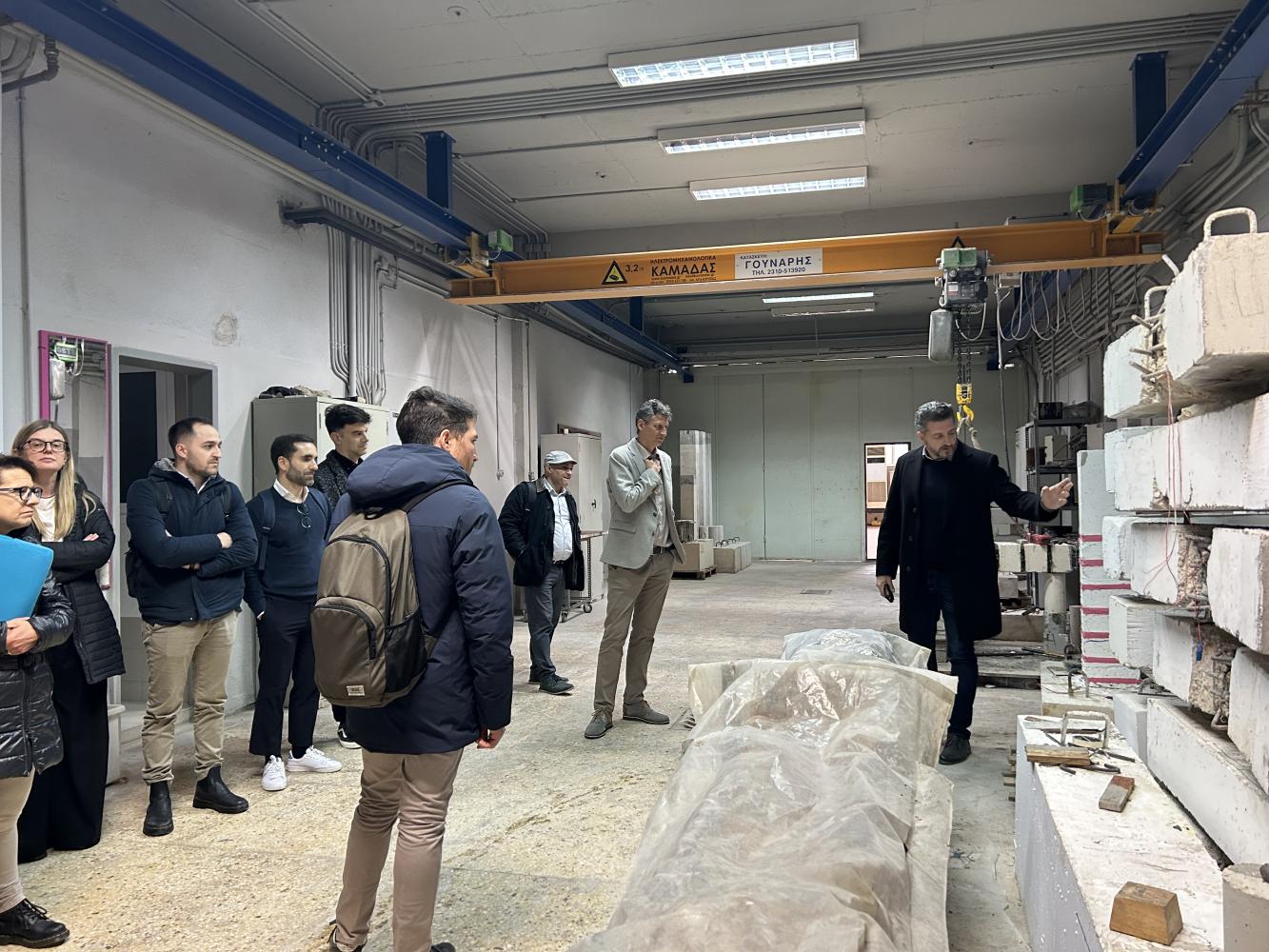
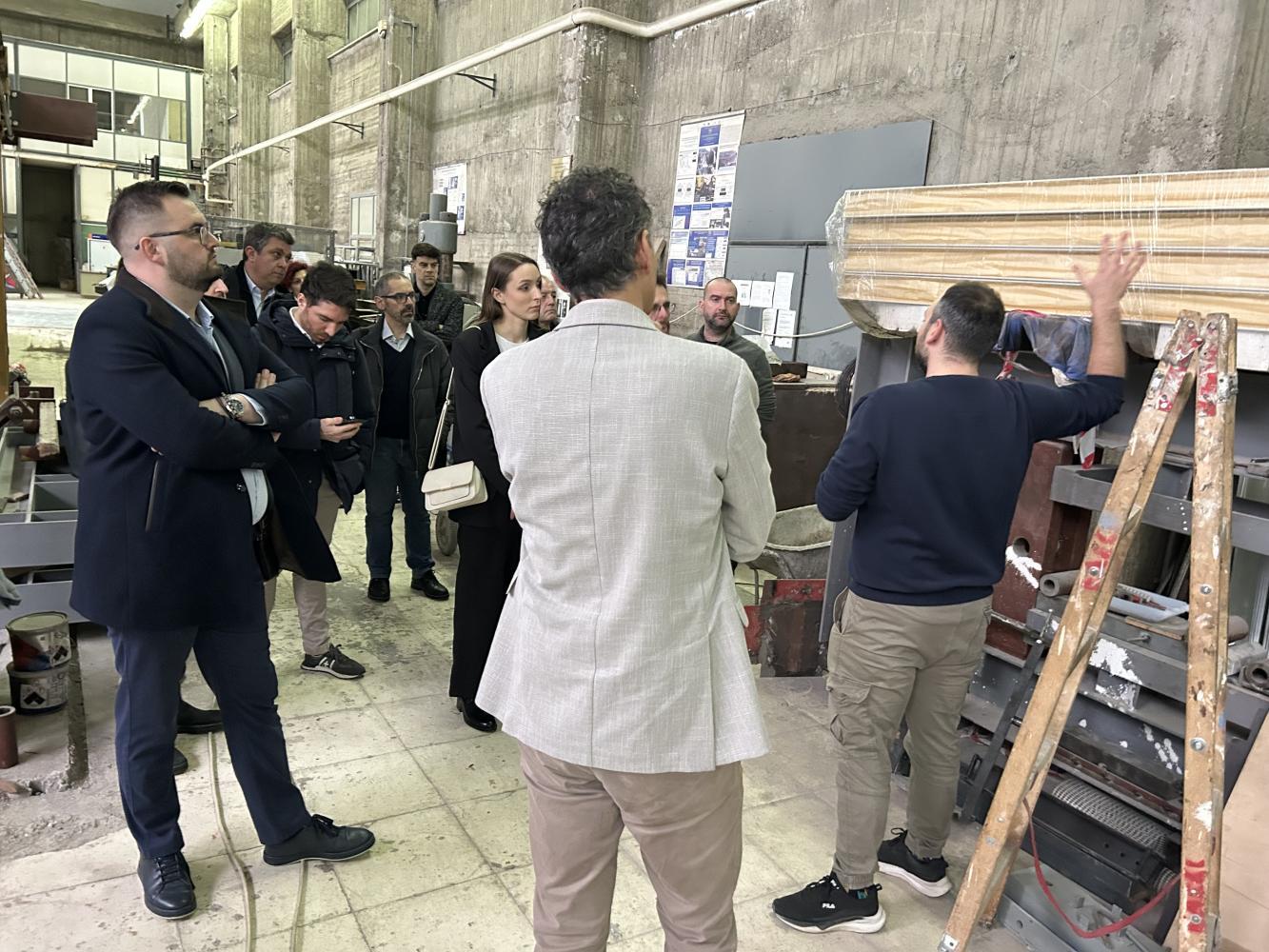
The Thessaloniki meeting also included a laboratory visit at AUTH’s Department of Civil Engineering, providing partners with insights into experimental facilities and strengthening institutional collaboration.
Under the project motto “Share, Prepare, Respond”, the EMERGE consortium reaffirmed its commitment to delivering a rapid multi-risk assessment and needs planning platform that enhances regional disaster preparedness and response capabilities.