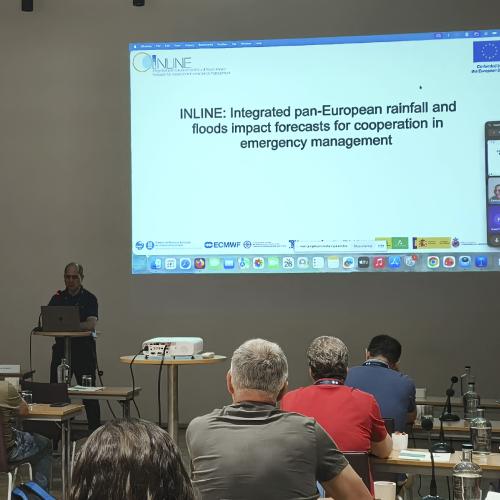
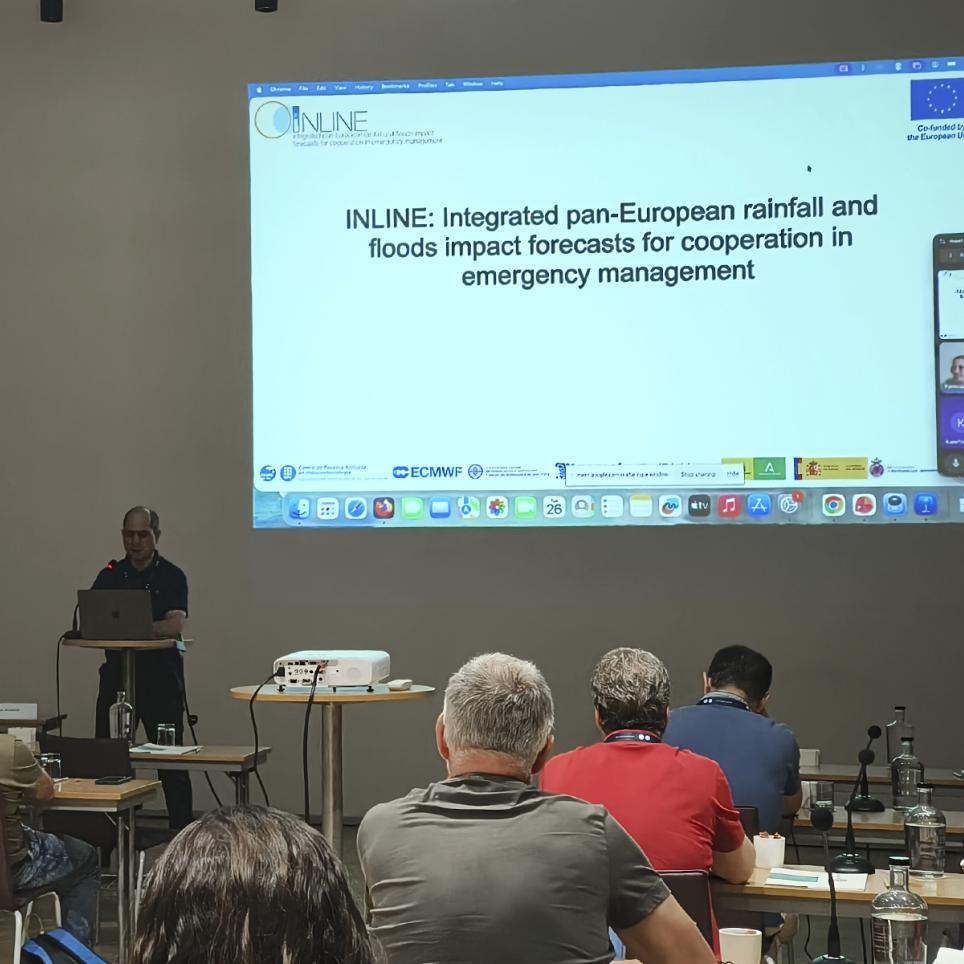
The European project INLINE is advancing the capabilities of early warning systems by developing tools to support preparedness and response through European-wide forecasts of the impacts caused by storms and floods. This approach directly supports operational decision-making and cross-border cooperation among civil protection agencies.
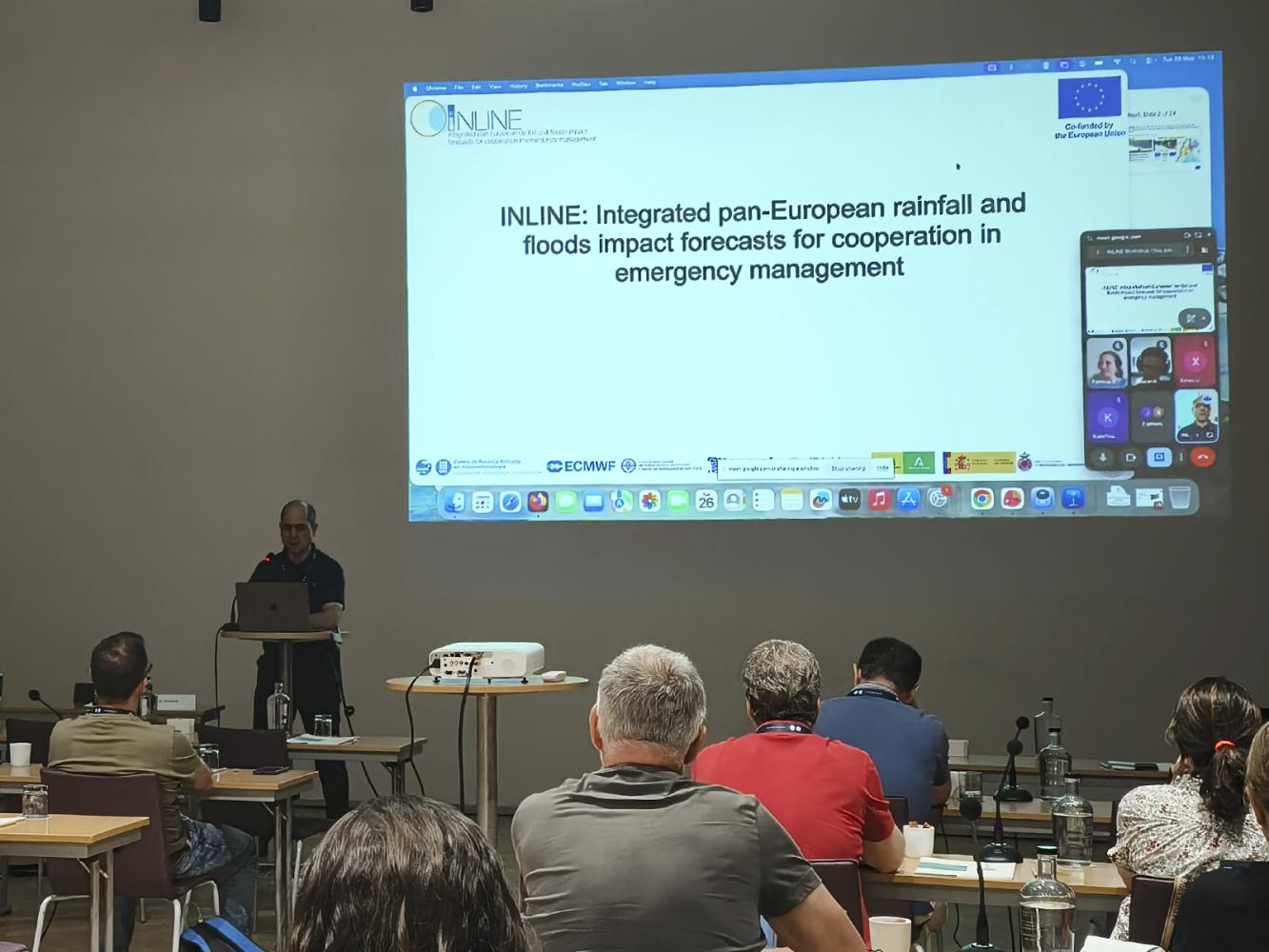
As part of this ongoing effort, an International Demonstration Workshop was held on 26–28 May 2026 in Lisbon. Co-hosted by the Portuguese Institute of the Sea and the Atmosphere (IPMA) and the National Authority for Emergency and Civil Protection of Portugal (ANEPC), the three-day hybrid event convened 50 participants to Lisbon. The workshop brought together the project’s partners alongside a diverse group of stakeholders, including representatives from civil protection authorities, meteorological services, and river authorities.
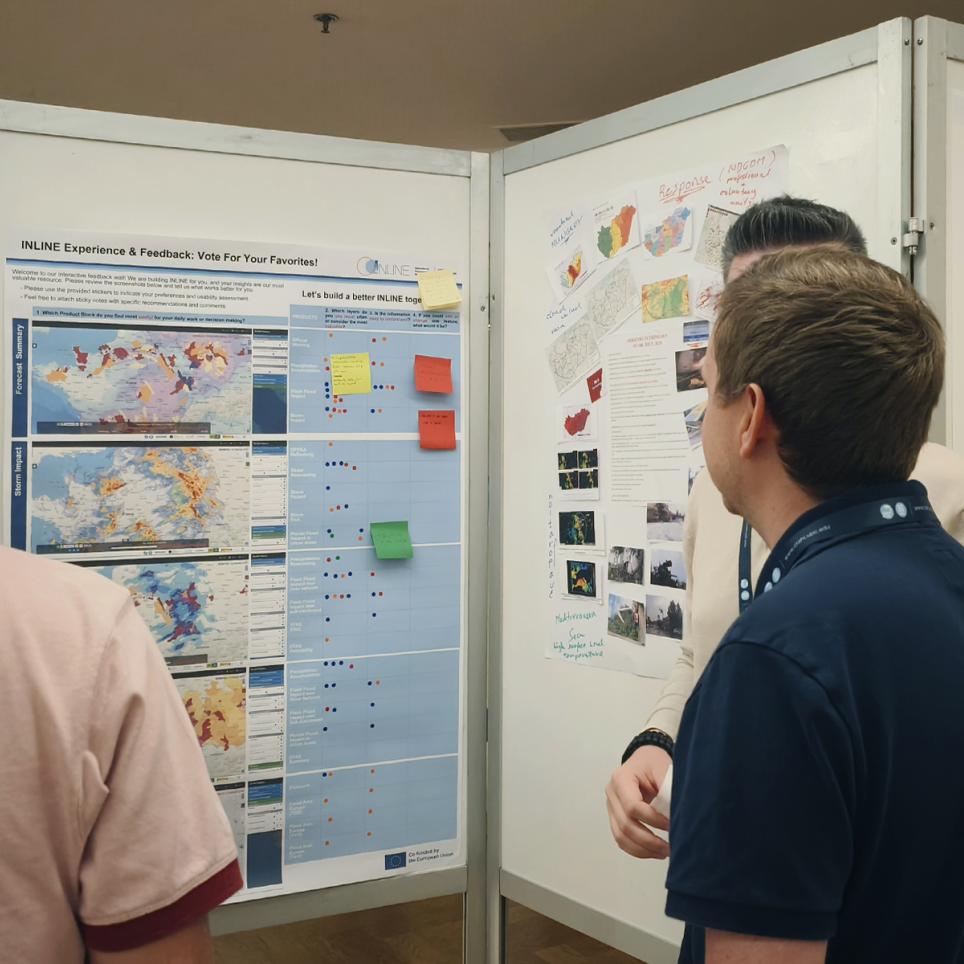
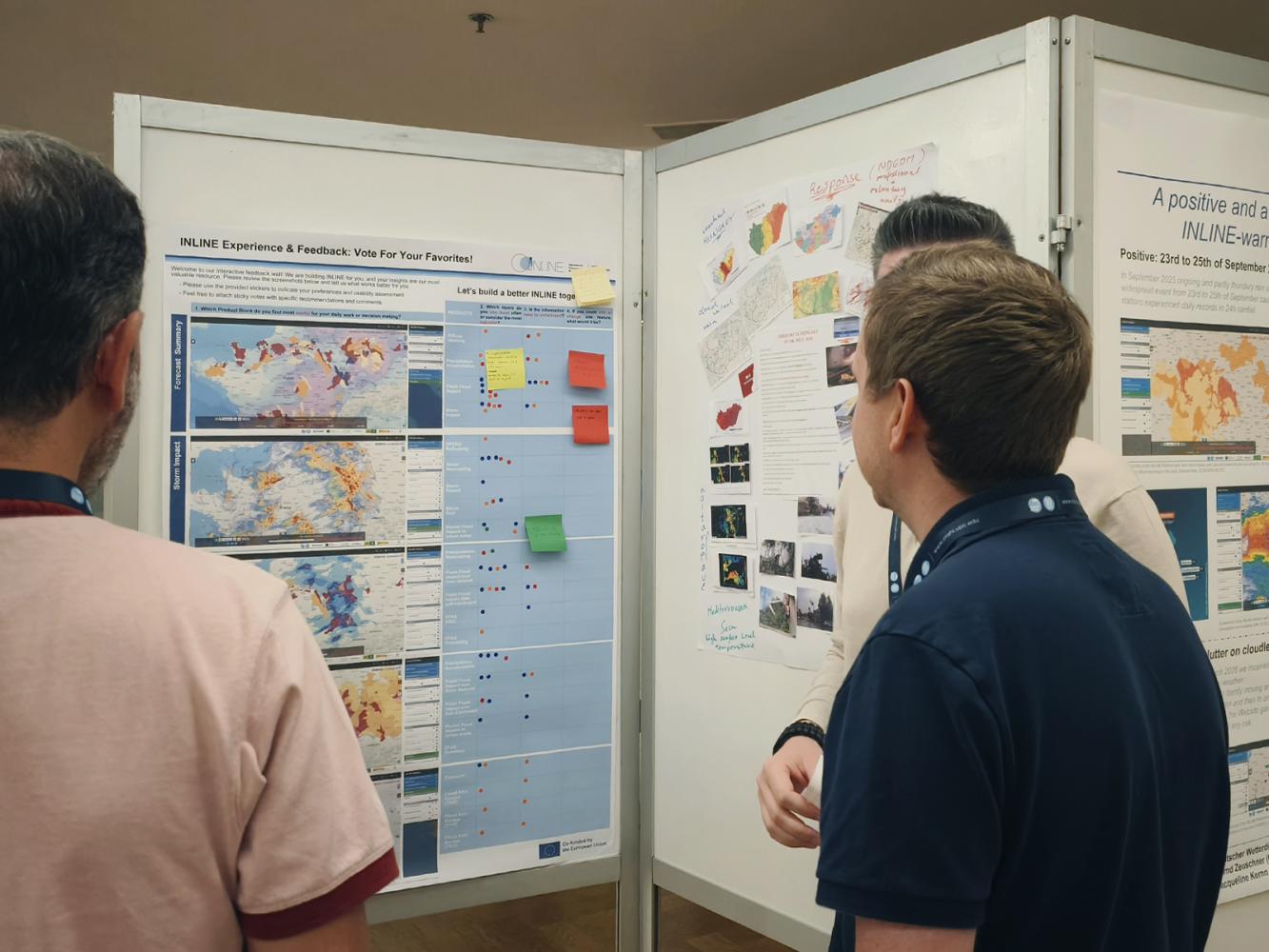
Functioning as an extended meeting of the INLINE Community of Interest, which now connects over 40 operational institutions across 21 countries, the event prioritised practical engagement over standard presentation formats. Over three dedicated sessions, participants were given direct access to the INLINE platform to evaluate its performance using recent, real-world extreme weather events. Through these hands-on sessions, end-users gained operational familiarity with the system and provided feedback to continuously refine the forecasting tools for real-world agency workflows.
Throughout the event, participants actively tested INLINE’s core scientific innovation, the pan-European storm hazard and impact products generated by a newly developed deep-learning nowcasting tool. These offer light-computation, frequently-updated short-time nowcasts to monitor the situation during potentially-hazardous events.
Secondly, the workshop introduced the suggested standardised operational workflow, covering the process from receiving email notifications to real-time event monitoring.
The practical evaluation combined structured and exploratory exercises to assess the platform’s forecasting capabilities and usability. Participants analysed the train of cyclonic storms that affected Portugal and Spain between January and March this year, examining forecast evolution, flood risk indicators, cross-border cooperation and warning performance. They subsequently explored a range of storm events across Europe, including flash floods in Czechia, Germany, France, Portugal and Spain, while identifying opportunities for user interface improvements.
The ultimate value of the Lisbon workshop lies in the direct feedback loop established between the workshop participants and the INLINE project partners. By monitoring how experts interacted with tools and forecast layers within the INLINE web platform, the INLINE project partners secured the practical insights needed to refine the platform's user experience and shape pre-operational updates over the coming months.
As INLINE moves toward the project’s conclusion in February 2027, it continues to draw strength from a unified consortium. Led by the Center of Applied Research in Hydrometeorology – Universitat Politècnica de Catalunya, the project’s core partners include the European Centre for Medium-Range Weather Forecasts, the Finnish Meteorological Institute, the Spanish State Meteorological Agency, the Portuguese Institute for Sea and Atmosphere, the Andalusian Agency for Security and Integrated Emergency Management, and the national civil protection authorities of Spain and Portugal. Ultimately, this successful demonstration marks a step forward in strengthening Europe’s collective capacity for trans-boundary crisis response.
Comprehensive presentation decks, case studies, and documentation from the sessions are available on the Union Civil Protection Knowledge Network.




1 Like