Estonia’s crisis reserve: prepared for an uncertain world
As security threats evolve, Estonia, a nation of just 1.3 million people, is taking a proactive approach to civil protection

As security threats evolve, Estonia, a nation of just 1.3 million people, is taking a proactive approach to civil protection
While the country already has a military reserve system, it is now establishing a civilian crisis reserve to ensure it can respond effectively to prolonged emergencies.
If a long-term crisis hits, expectations skyrocket and the need for first responders increases. With our existing workforce we won’t be able to cope
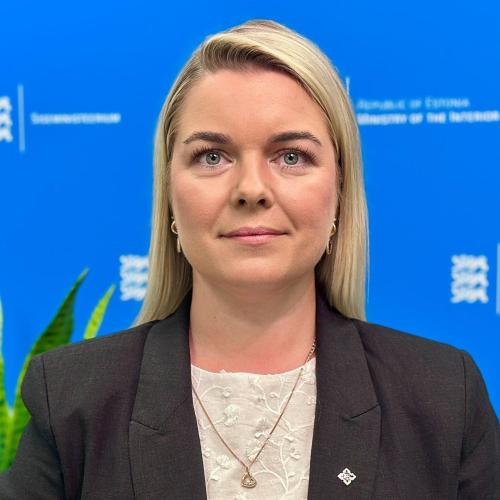
Estonia’s 6000 first responders in civil protection, including rescuers, police and emergency responders, keep essential services running even in crises. However, Hedi Arukase, head of the Civil Protection Department at the Ministry of the Interior, points out that current resources may not be enough. ‘If a long-term crisis hits, expectations skyrocket and the need for first responders increases. With our existing workforce we won’t be able to cope’, she says.
In addition to contracted first responders, volunteers play a big role in civil protection in Estonia. There are more than 3 000 volunteering rescuers, 1 300 assistant police officers, 850 sea rescuers, 150 state helpline responders, and 100 deminers, but many juggle multiple roles. For example, some serve both in the rescue services and voluntary defence league. Arukase says it is amazing how motivated those people are, but at the same time it is creating coordination challenges. ‘Our goal is simple – in times of large-scale crisis: one person, one role’, she explains.
To address this, Estonia is building a legally backed crisis reserve, ensuring volunteers have clear responsibilities, professional training and social guarantees. 'We are working to create a system where we can reliably call on these reserves when disaster strikes' she adds.
We need to protect our people on the “backline” as well and ensure the whole of society concept.
Balancing defence and civil protection
With a small population, effective resource allocation depends on close cooperation. A key challenge is preventing overlaps between military and civil protection personnel.
‘Disasters come in many forms – natural, man-made, complex, hybrid threats or armed conflicts. Understanding this is key in building systems and working towards resilience that can truly withstand and adapt to any kind of crisis’, Arukase notes.
High-level cooperation between defence and civil protection agencies helps ensure that both sectors can access the personnel and capabilities they need, whether for defence operations or in civil protection tasks.
Questions for policymakers
Estonia’s approach raises important questions for all nations with volunteer-based systems:
What legal, financial or social mechanisms will ensure people step up when called on?
By combining legal clarity, specialised training and meaningful social guarantees, Estonia is building more than a volunteer reserve. It is creating a resilient framework for national preparedness. As crises become increasingly complex and prolonged, Estonia’s model highlights the importance of integrating civilian readiness into broader security planning: resilience cannot rely solely on military strength. It also depends on organised, trained and trusted civilian support systems capable of responding when society faces its greatest challenges.