You are about to be redirected to EU Login, our authentication service.
The UCPKN platform offers different kinds of information views based on the identification of the user, and its associated roles. If it is the first time you are logging in to the platform, your profile will be validated at the end of the process, and you will receive a label and/or associated roles on the platform based on the information provided by you.
If you are a civil protection expert active in the context of the Union Civil Protection Mechanism operations (e.g., training, exercises, deployments), make sure you are using the same email address you used for training/deployment registration for a proper creation of your profile.
European Citizens’ Panel Highlights Need for Citizen-Centred Preparedness
By Knowledge Network – Staff memberPublished on
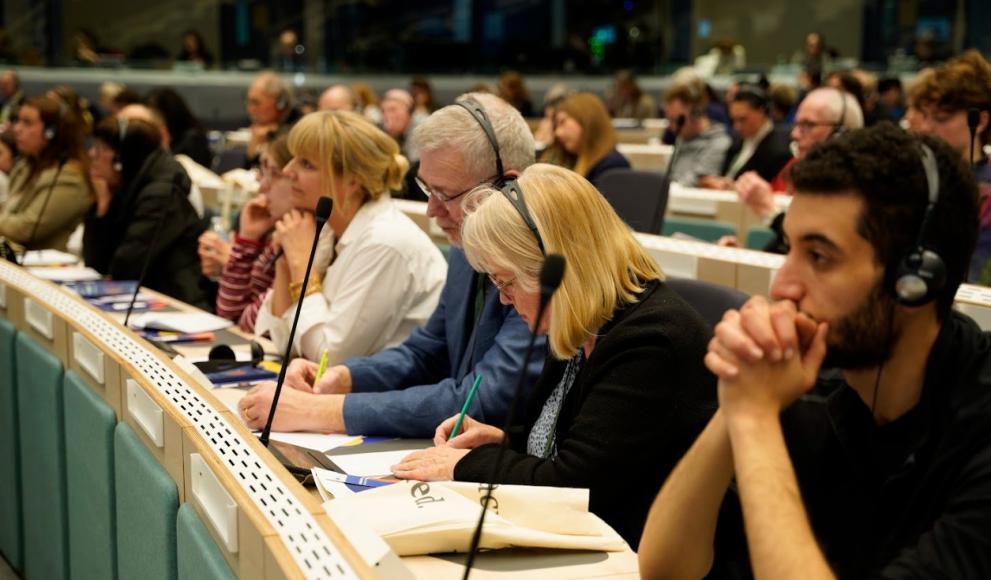
Over the weekend of 20-22 March, 147 citizens from all EU Member States gathered in Brussels for the first session of the European Citizens’ Panel on Preparedness. The discussions highlighted a clear message: resilience across the EU must be built with citizens at its core.
Participants shared practical experiences, identified common challenges, and highlighted key priorities such as education, clear communication, access to essential supplies, and inclusive preparedness. Their contributions will feed into the implementation of the Preparedness Union Strategy.
Setting the stage for preparedness
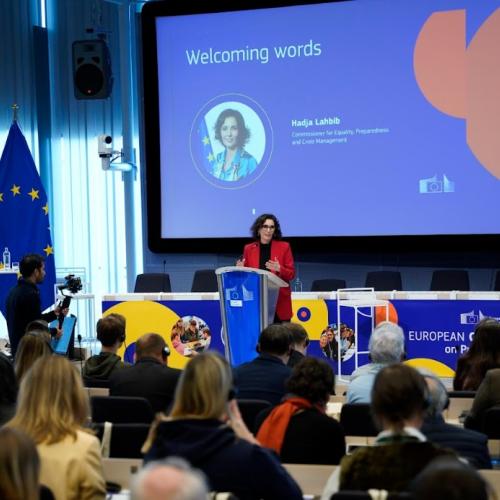
The opening day set out to build a shared understanding of preparedness and highlight its importance in today’s rapidly evolving risk landscape. Director-General for Communication Dana Spinant welcomed participants, describing the Citizens’ Panel as a unique moment for Europe, bringing together people from across the EU to exchange perspectives and engage in a joint conversation on preparedness.
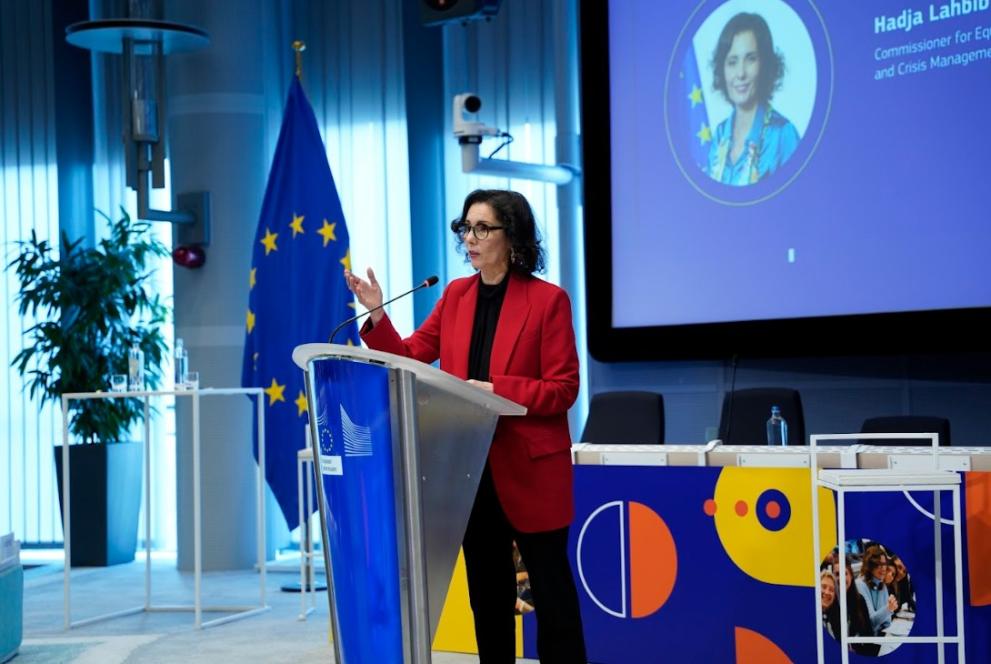
Commissioner for Equality, Preparedness and Crisis Management Hadja Lahbib stressed the urgency of the issue, pointing out that nearly six in ten Europeans do not feel prepared for disasters. Emphasising the value of citizen participation, she encouraged attendees to contribute actively to the discussions.
“You are experts in the places you call home, and your ideas will help make us all safer. So, speak up, we are all ears”
Hadja Lahbib - Commissioner for Equality, Preparedness and Crisis Management
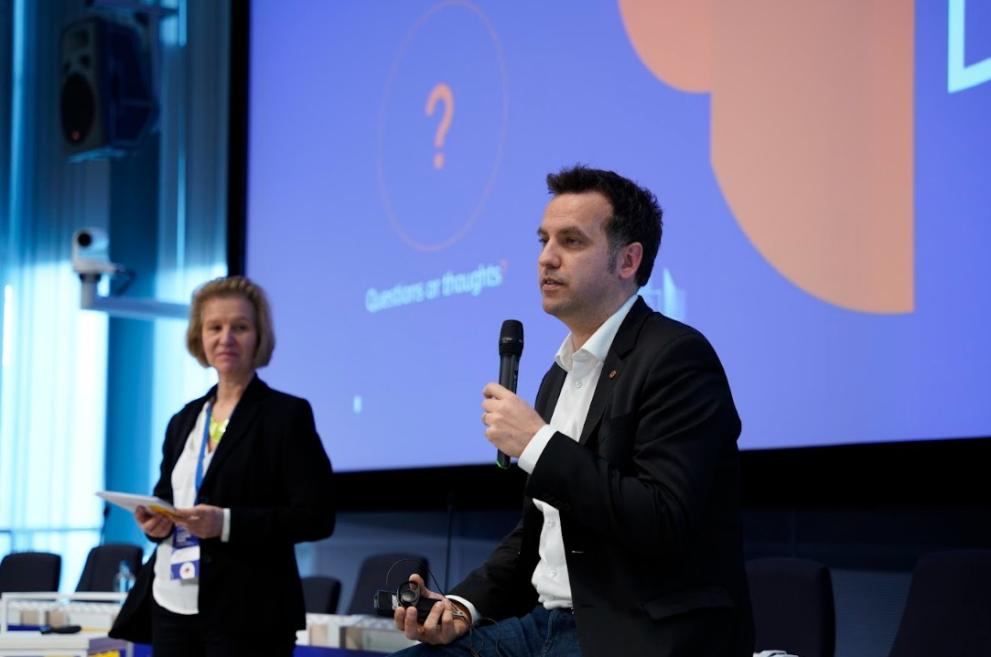
During an open Q&A session, citizens raised a wide range of questions to the Commissioner. Topics included lessons learned from COVID-19 crisis management, the balance between freedoms and obligations in times of crisis, and how preparedness can be translated from theory into actions.
Understanding the Preparedness Union Strategy
A central focus of the Panel is gathering citizens’ perspectives on the implementation of the Preparedness Union Strategy, introduced by the European Commission in March 2025.
Maarten Vergauwen, Team leader - EU cross-sectoral Preparedness in DG ECHO, and one of the people behind the drafting of the PUS, presented the strategy, outlining its objectives and key actions. In the discussion that followed, participants addressed issues such as access to food supplies, representation of policymakers, preparedness in education, and the growing challenge of disinformation.
To stimulate reflection, two expert panel discussions explored both practical experiences and broader societal implications of crises.
The first panel, featuring Sébastien Francais (Emergency Preparedness and Response Unit, Luxembourg Health Directorate), José Segarra (European Climate Pact Ambassador), and Jeanette Serritzlev (Military Analyst, Royal Danish Defence College), examined concrete crisis examples. Discussions highlighted lessons from the COVID-19 pandemic, the Valencia floods, and the concept of an “infodemic” - the spread of mis- and disinformation during a crisis.
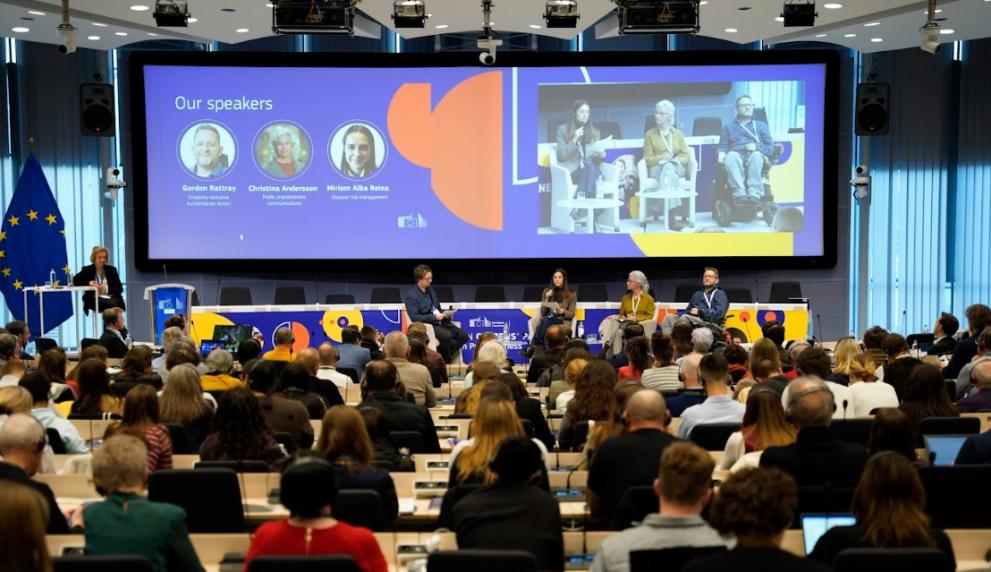
The second panel, with Gordon Rattray (International Disability Alliance), Christina Andersson (Swedish Civil Contingencies Agency), and Miriam Aba Reina (Red Cross EU Office), focused on the societal dimensions of crisis management. Key themes included the importance of accessibility and inclusive preparedness, tangible effects of climate change, and an explanation of emergency and crisis management.
Citizens at the heart of the discussion
The second day formed the core of the session. Divided into 12 subgroups, participants exchanged views on what has worked in past crises, where gaps remain, and what could be improved.
Despite citizens’ diverse regional perspectives, many concerns remain the same. Across all groups, citizens identified similar priorities and expectations for future preparedness efforts.
On the final day, groups presented their preliminary key priorities, which included:
Integrating preparedness into education and lifelong learning, including practical training
Ensuring clear, reliable, and transparent communication, while combating mis-and disinformation
Promoting inclusive preparedness, especially for vulnerable groups
Guaranteeing access to essential supplies, including medication
Strengthening EU autonomy and independence
Improving the speed and effectiveness of crisis response
Enhancing cooperation and knowledge-sharing among Member States
Recognising the importance of mental health and emotional preparedness
Building trust between citizens and governments through participatory democracy
Protecting fundamental values and freedoms amid rising polarisation
Experts present at the session emphasised the value of all the insights that were shared, noting that the discussions provided an important foundation for future policy development.
A broader process of citizen engagement
The European Citizens’ Panel on Preparedness brings together people from all 27 EU Member States to address two central questions:
How can EU citizens be better empowered and prepared for crises?
How can Preparedness Union Strategy actions be made inclusive, effective, and responsive to citizens’ needs?
This first session marks the beginning of a three-part process. The next sessions will take place online in April and in Brussels in May, where participants will continue developing recommendations. The European Commission will receive these recommendations and publish a report on their follow-up.
The Panel is part of broader EU efforts to strengthen crisis readiness. As part of the Preparedness Union Strategy, the European Commission is taking steps to improve resilience across the Union.
These include the development of EU Stockpiling and Medical Countermeasure Strategies to ensure the availability of essential goods, as well as the creation of a European Stockpiling Network to improve coordination between Member States. The Commission also proposed a revision of the EU Civil Protection Mechanism to improve coordinated response to emergencies, and strengthen the EU’s Emergency Response Coordination Centre, including the establishment of a Crisis Coordination Hub.
In parallel, the EU, in close cooperation with the Member States, will also promote preparedness among citizens through awareness campaigns, guidance for Member States on household self-sufficiency, and the integration of preparedness into education systems.
Looking ahead
This Panel is the 12th European Citizens’ Panel organised since 2022, reflecting the European Commission’s commitment to participatory policymaking.
As discussions continue in the coming months, citizens’ contributions will play a key role in shaping future EU preparedness policies, ensuring they are grounded in real-life experiences and responsive to the needs of communities across Europe.