From training to national exercises
Full-Scale Exercises are among the most operational components of PPRD East 4. They provide an opportunity to put procedures, coordination arrangements and response capacities into practice under realistic conditions, while identifying strengths and areas for improvement.
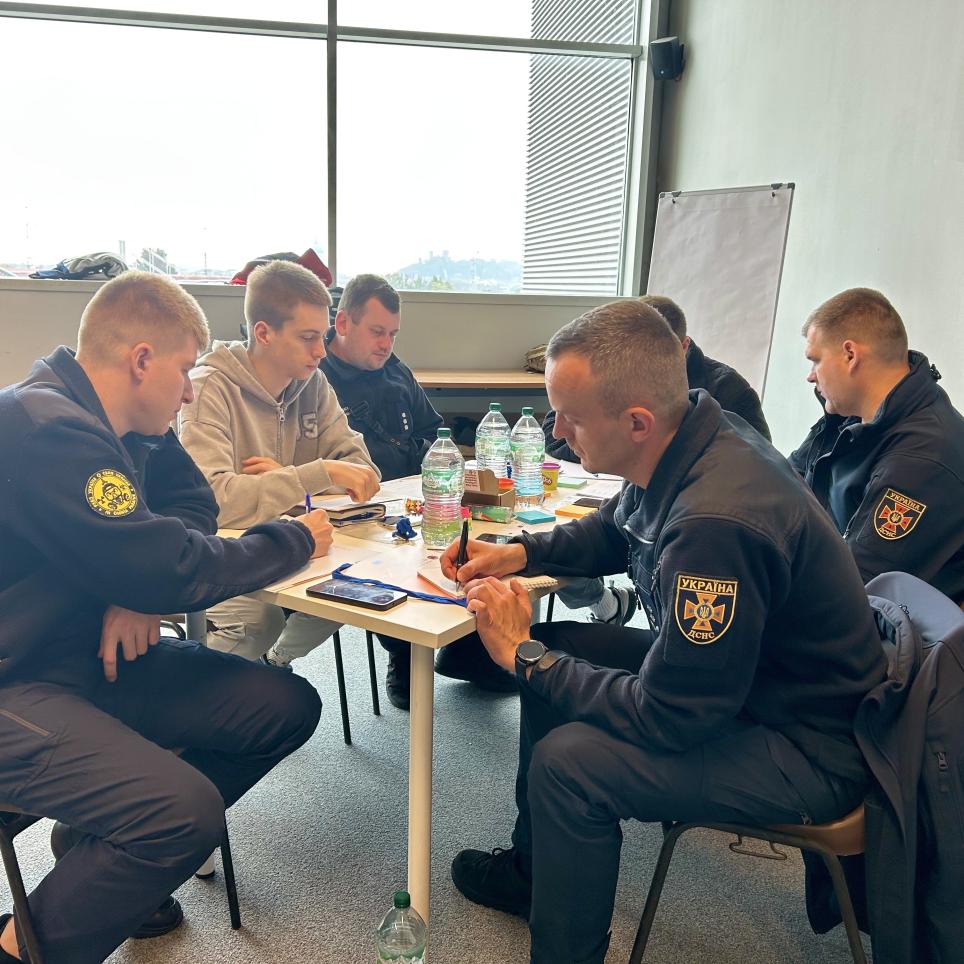
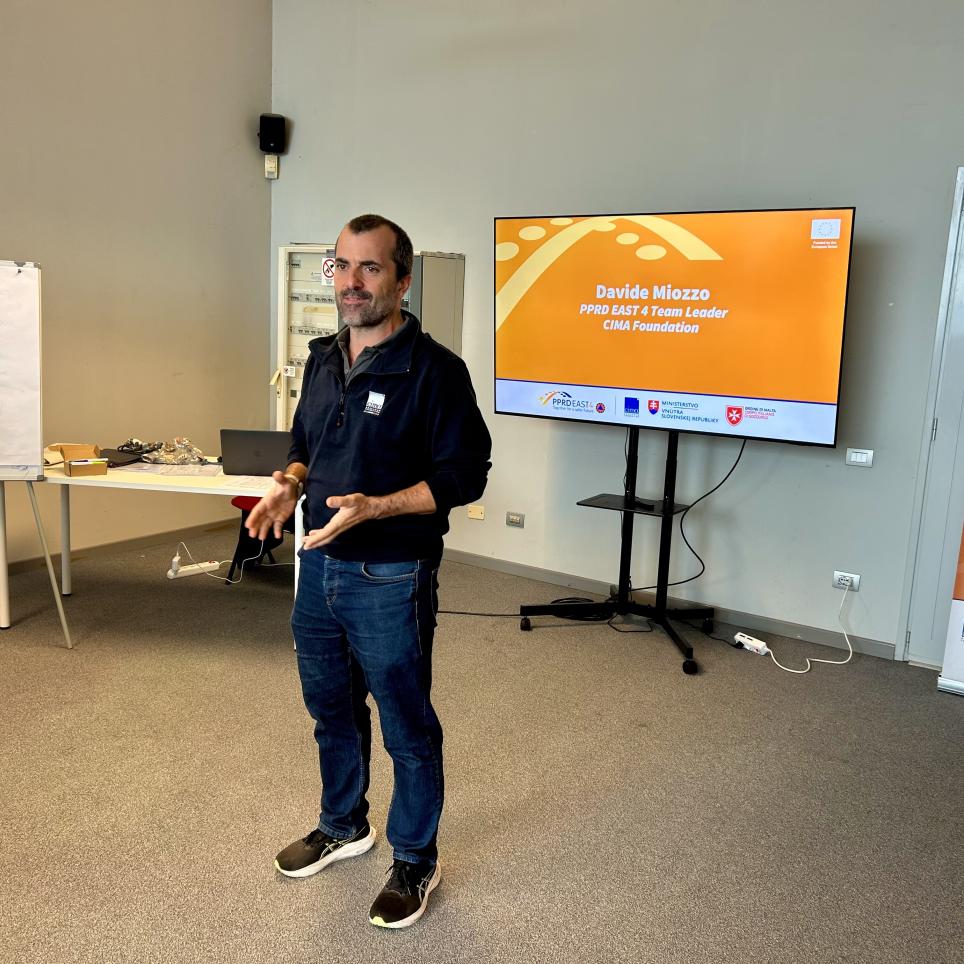
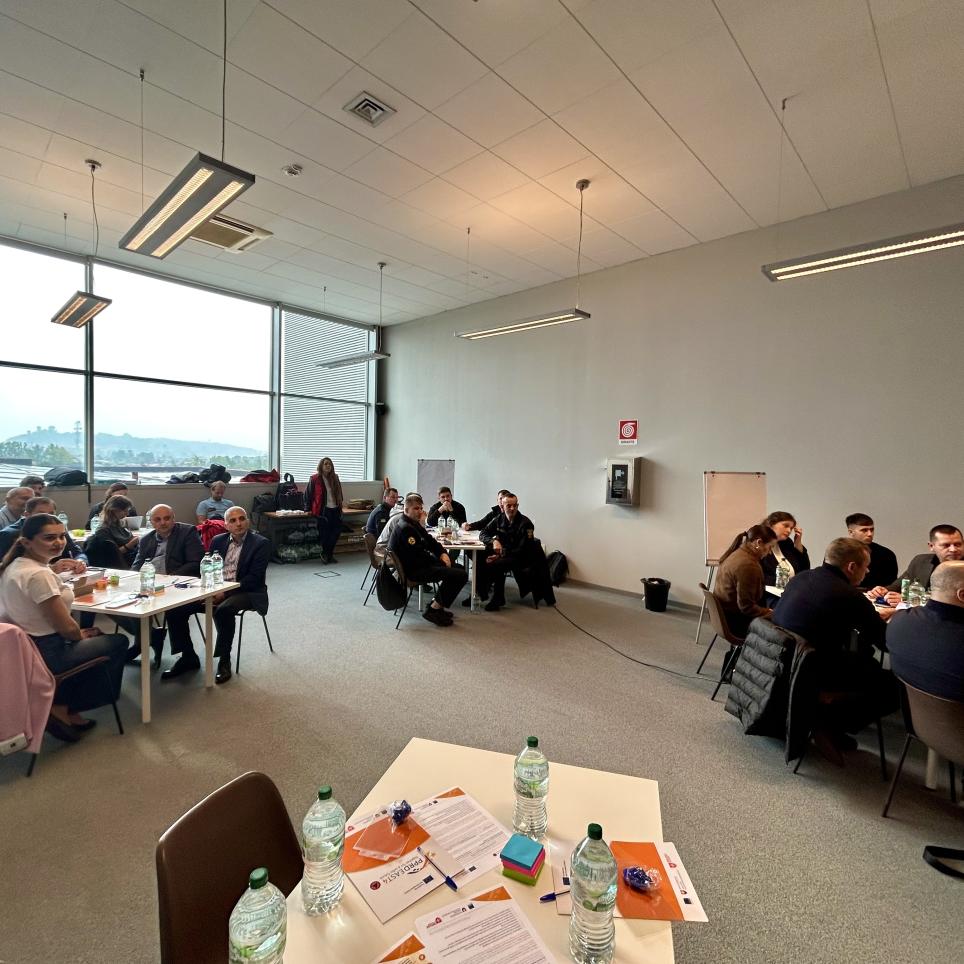
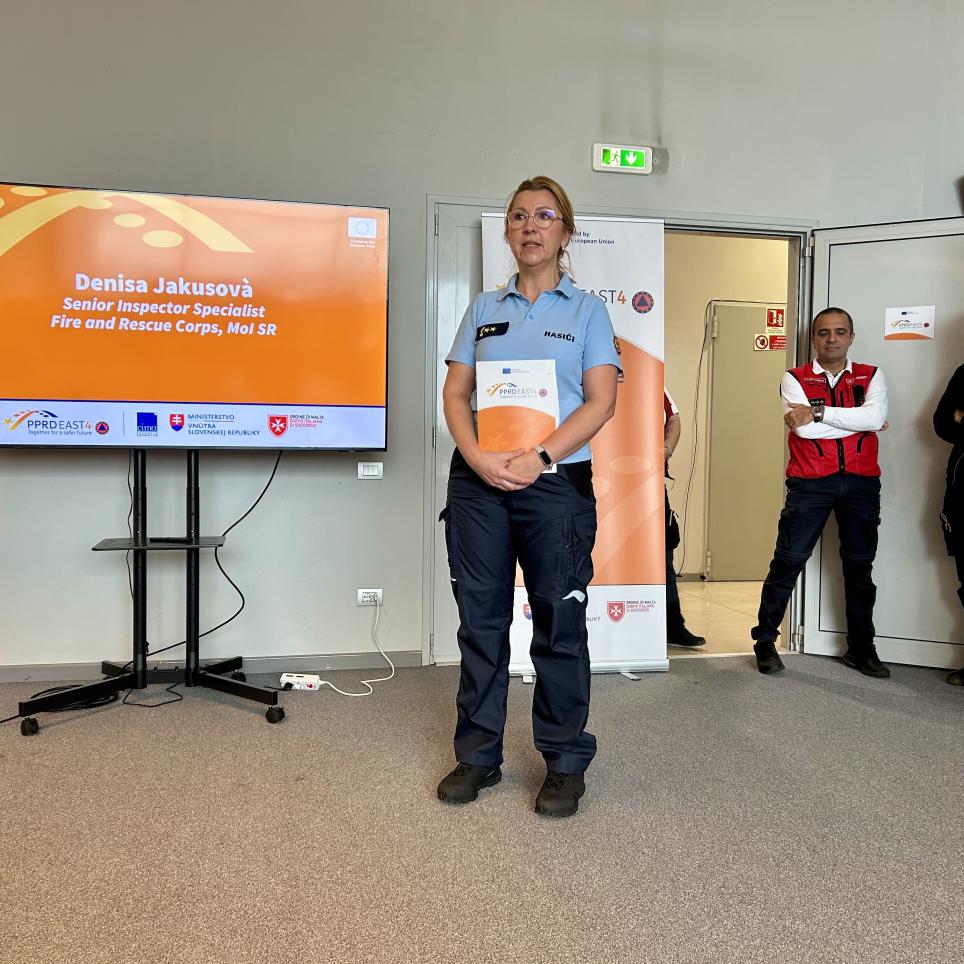
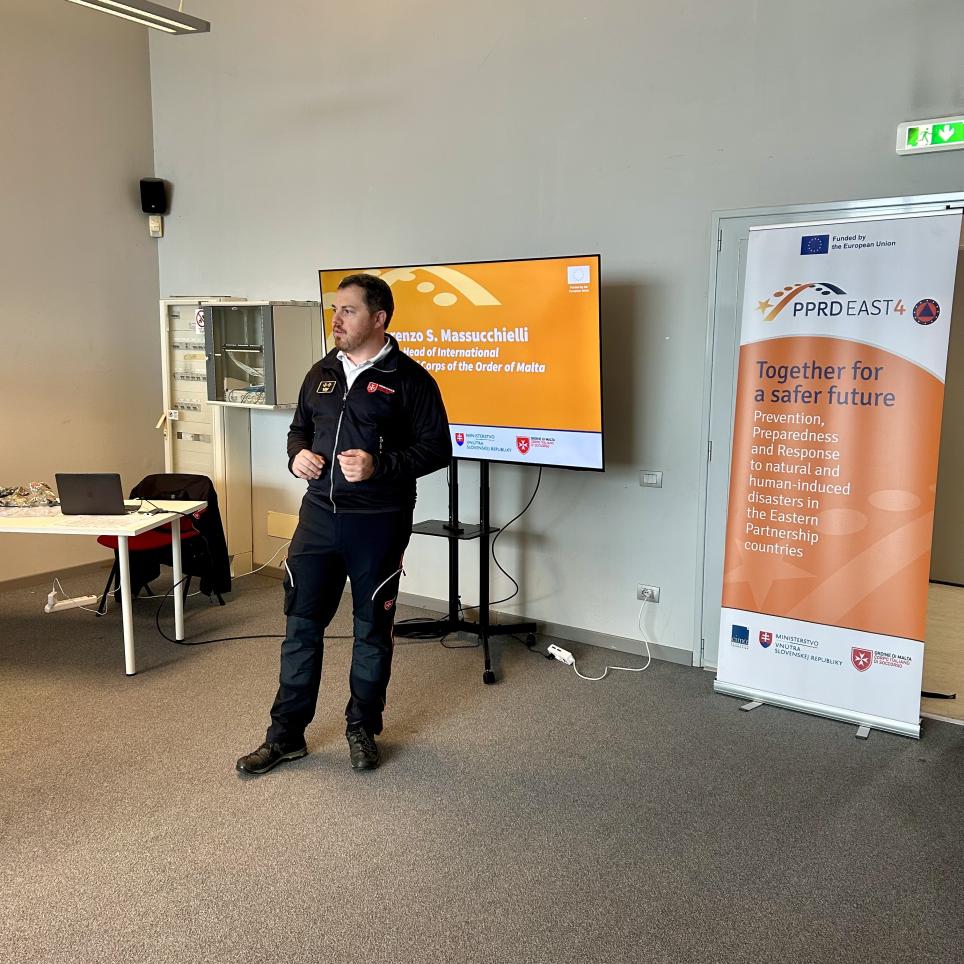
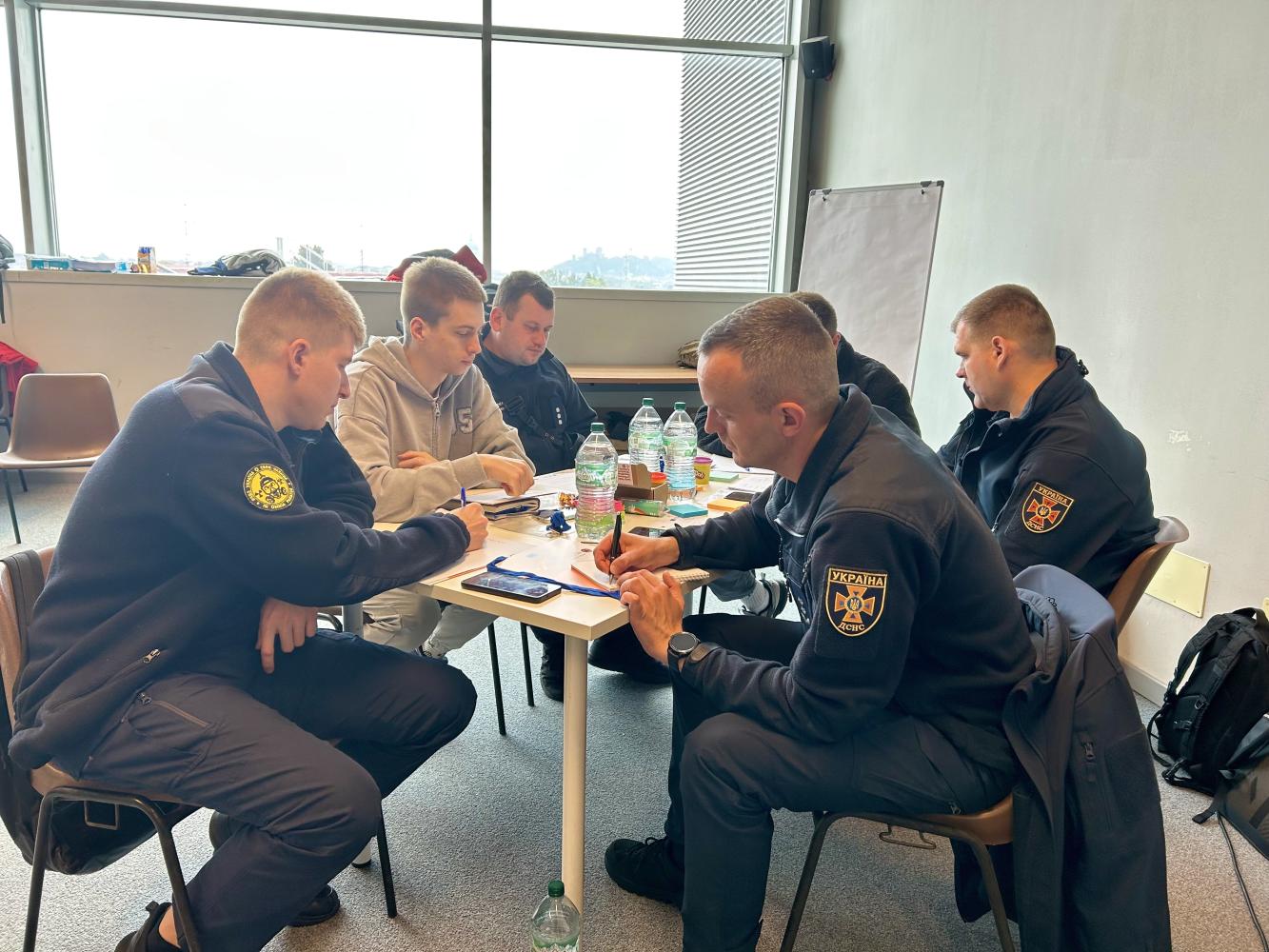
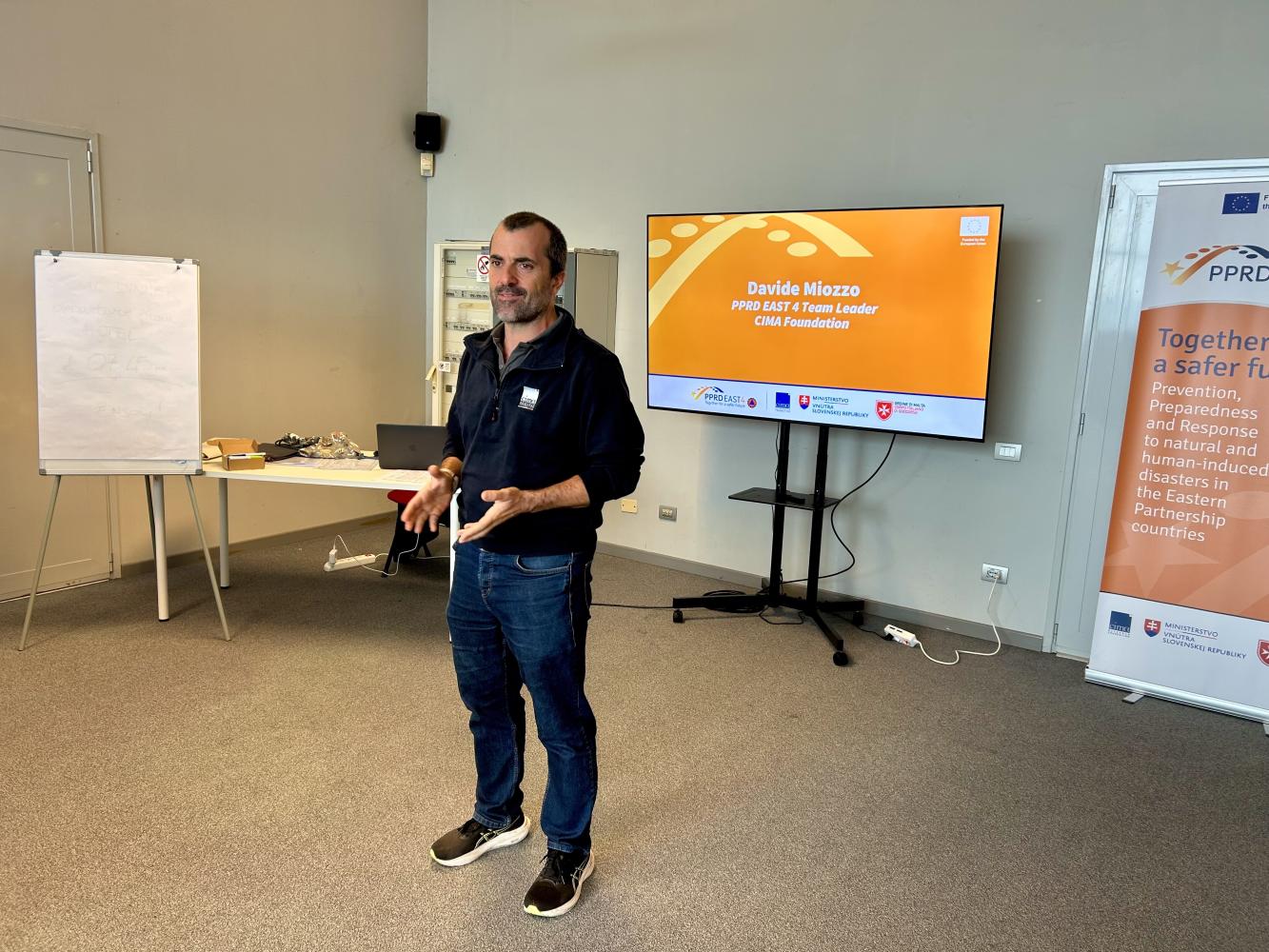
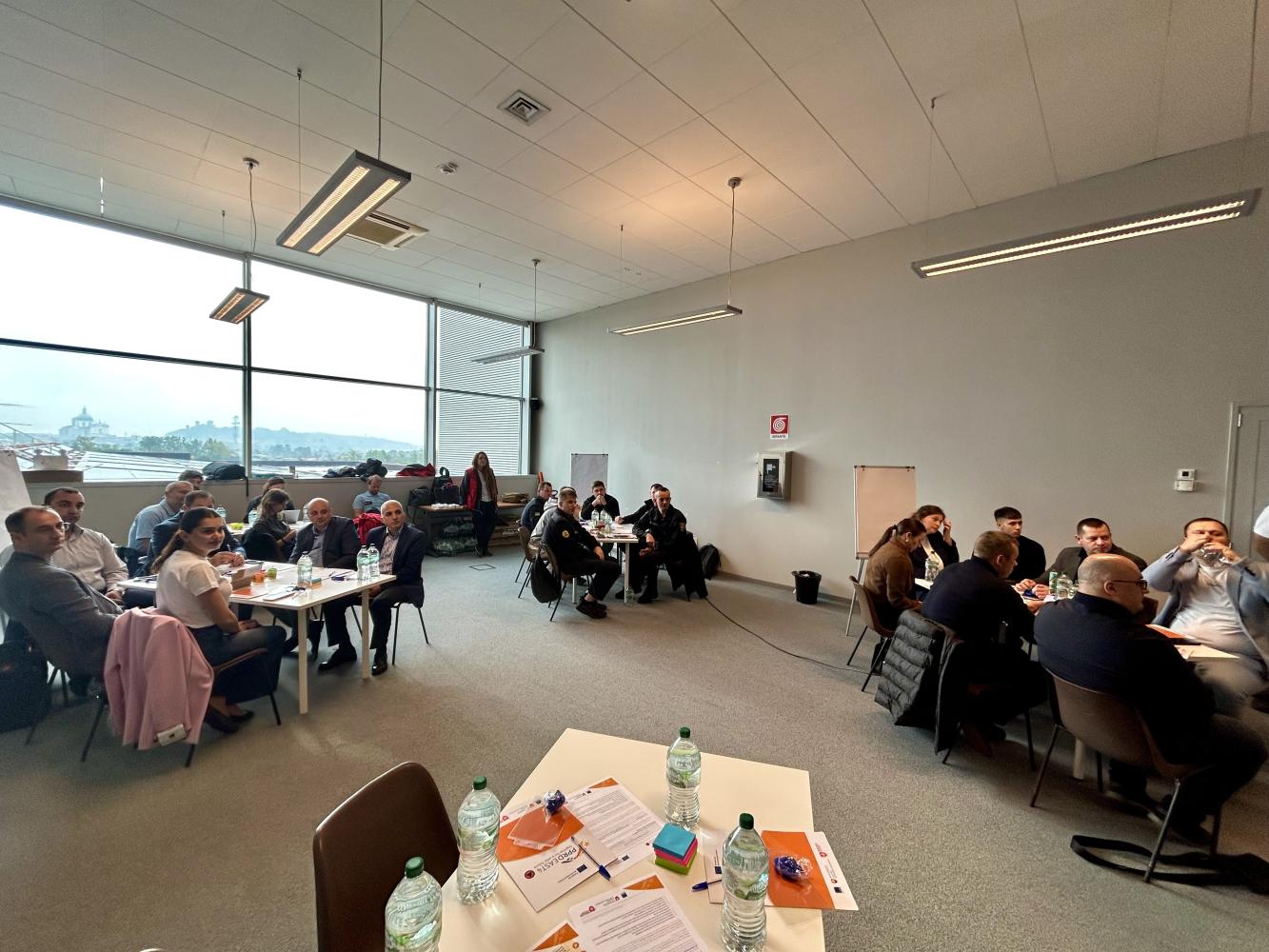
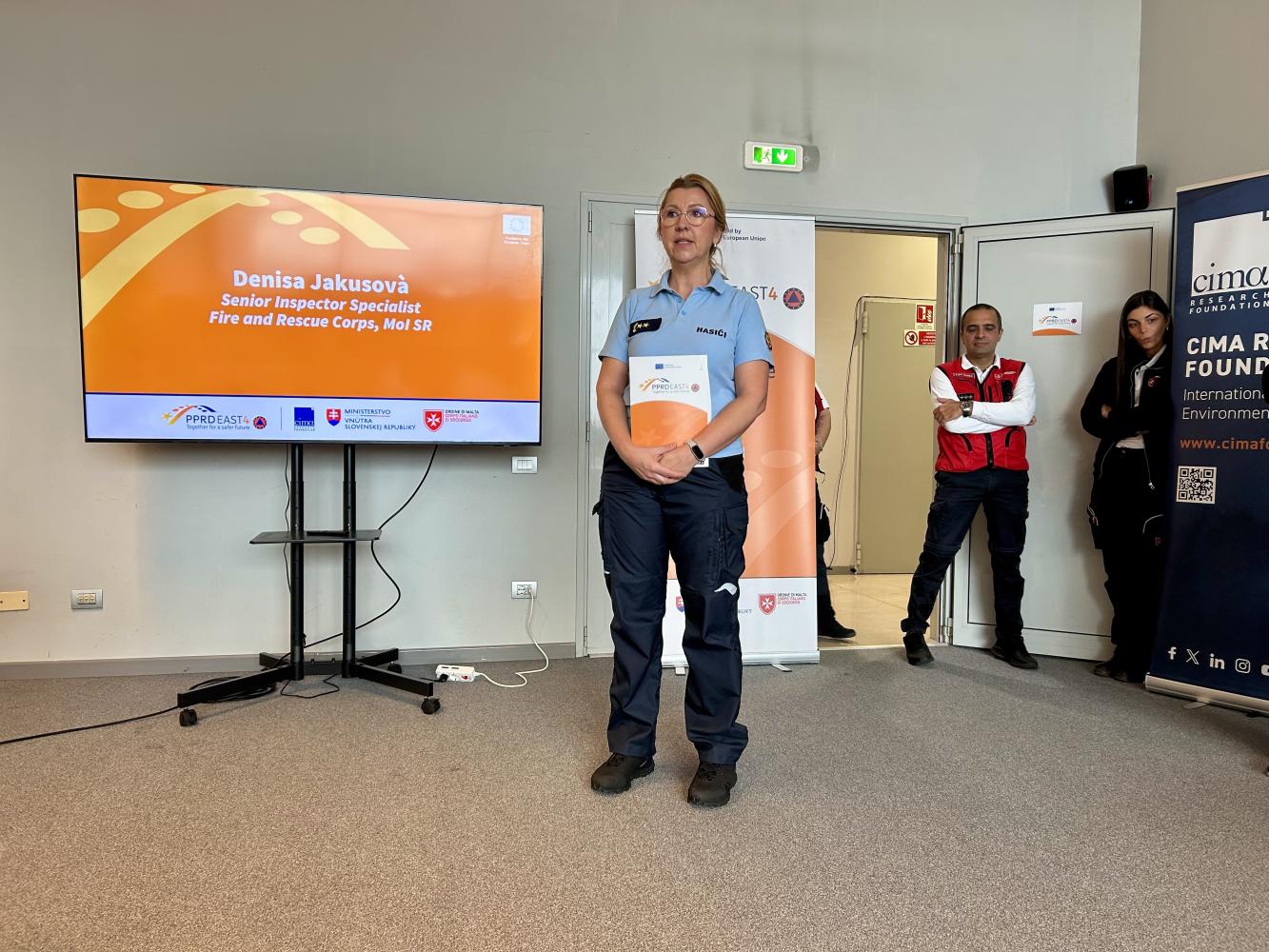
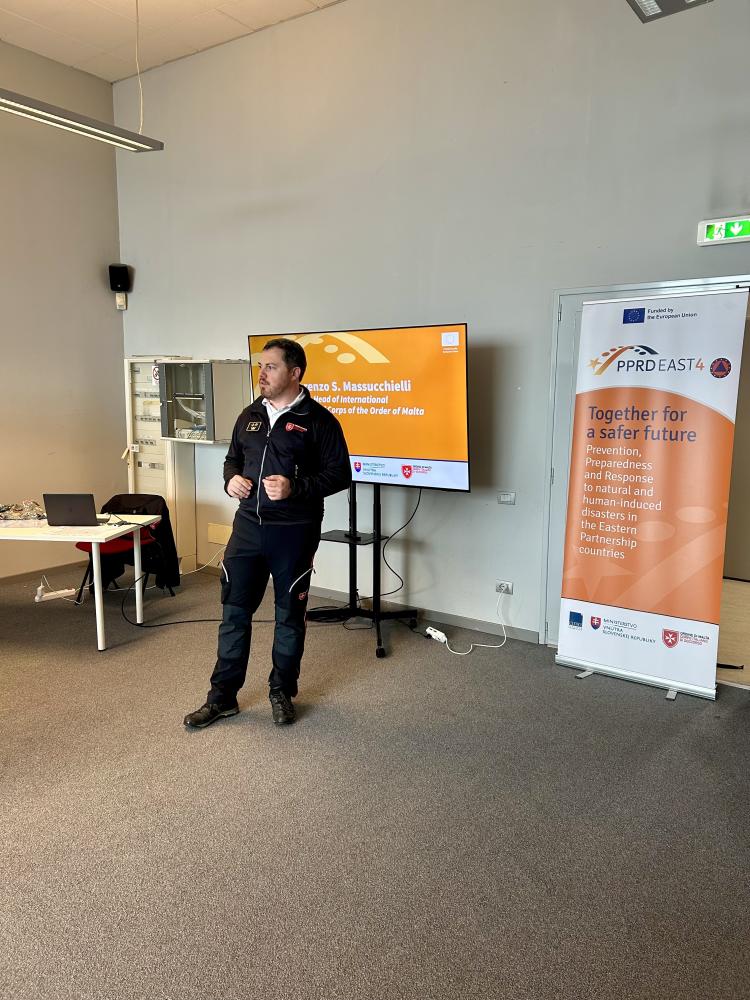
The three-day course in Montichiari marks the starting point of this process. It brings together professionals involved in exercise planning and civil protection operations from the PPRD East 4 partner countries, alongside all Consortium partners and representatives from the Italian Civil Protection Department and the National Fire and Rescue Service.
The course is designed to accompany participants beyond the training itself. The experts taking part in Montichiari are expected to remain involved throughout the subsequent exercise cycle, including Tabletop Exercises (TTX) and Full-Scale Exercise (FSX) activities in their countries.
Learning the full exercise cycle
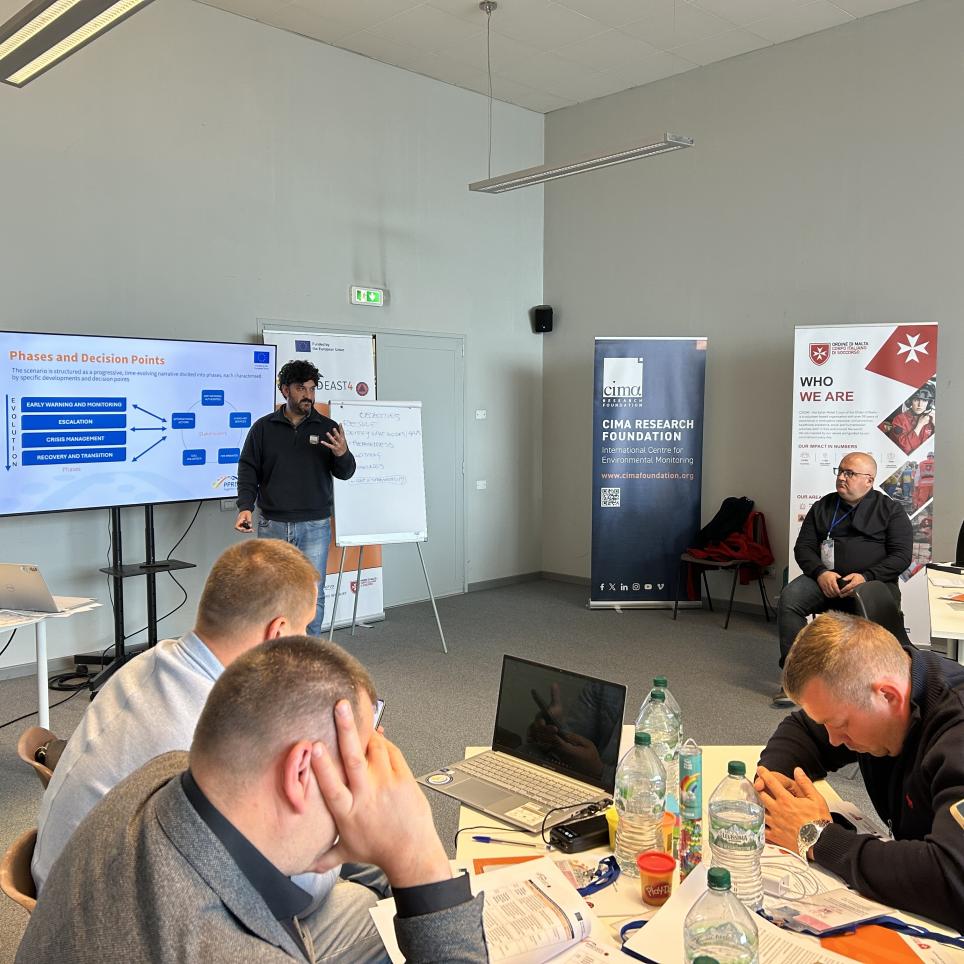
The training moves from exercise design to operational conduct and evaluation, providing participants with methods and practical tools that can be applied throughout the national exercise cycles.
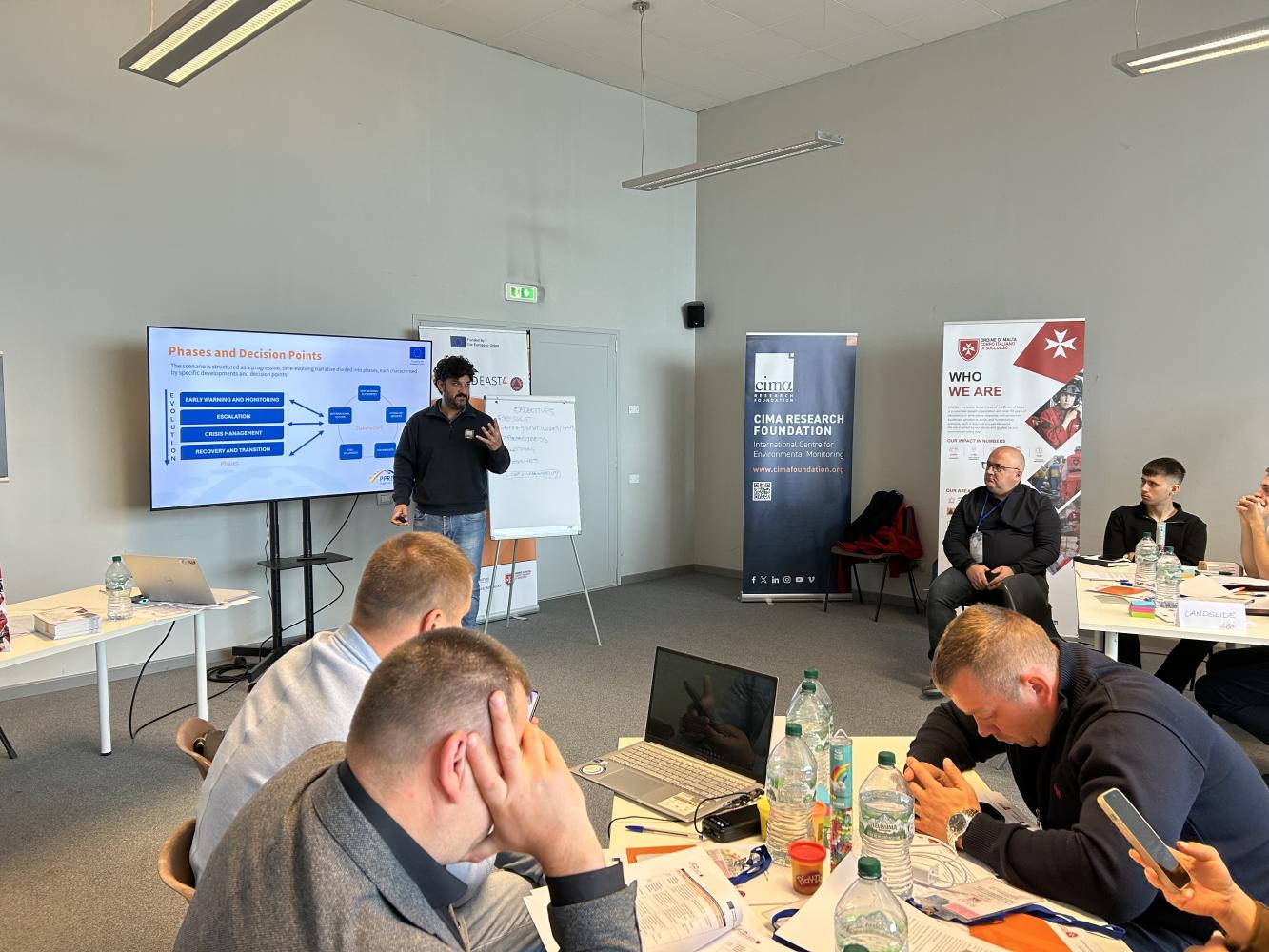
Participants will work on how to translate preparedness needs into clear exercise objectives, develop credible scenarios, and organise exercise timelines and injects. Through practical sessions, they will build these elements step by step and explore how an exercise is managed when unexpected developments occur.
The programme also addresses key operational arrangements for large-scale exercises, including Host Nation Support, logistics and Real-Life Support, exercise control, and the coordination of international assistance. Dedicated sessions will connect this work with the Union Civil Protection Mechanism (UCPM), including the EU MODEX programme and the role of the EU Civil Protection Team in Full-Scale Exercises.
Training in an operational environment
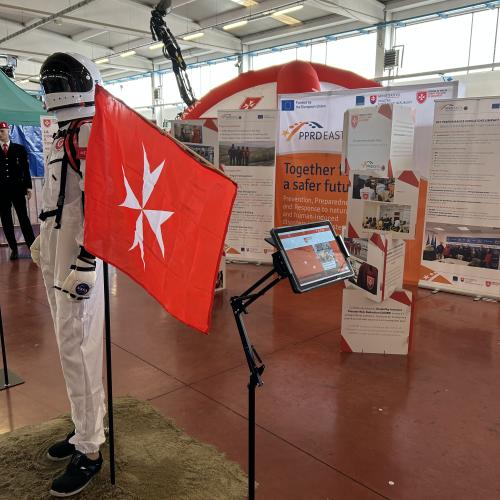
Holding the course during REAS 2026 places the training in a wider operational environment. As one of Europe’s leading events dedicated to civil protection, emergency response and public safety, REAS gives participants the opportunity to connect the methodologies discussed during the course with equipment, technologies and operational solutions used in emergency management.
A structured visit to the exhibition will focus on communication and command-and-control systems, logistical capabilities, safety and security solutions, medical support and other resources relevant to FSX planning and conduct. Participants will then bring these observations back into the training through dedicated debriefing.
Turning exercises into stronger preparedness
An exercise does not end when the operational phase is over. Evaluation is what turns experience into stronger preparedness.
Participants will therefore work on observation and evaluation methods, After-Action Reviews and improvement planning: moving from what happens during an exercise to evidence-based findings, recommendations, corrective actions and follow-up.
This approach is particularly important for the next phase of PPRD East 4. The training content builds on the Technical Advisory Missions already carried out in the partner countries and prepares the professionals who will contribute to the forthcoming national exercise cycles.
The objective is concrete: to build the skills, common methods and institutional connections needed to move from planning exercises to testing preparedness in practice – and to turn the lessons identified into stronger national capacities.