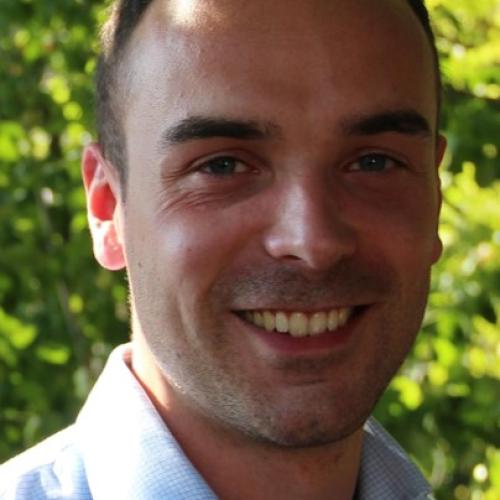
Hendrik Bruns
On the occasion of International Youth Day, we spoke to Hendrik Bruns about his research on improving civil protection exercise evaluations.
On the occasion of International Youth Day, we spoke to Hendrik Bruns about his research on improving civil protection exercise evaluations.
How can your research on evaluating CP exercises improve effectiveness, and how does your framework enhance knowledge documentation and implementation?
Civil protection exercises play a special role in preparing for future crisis scenarios. Full-scale Exercises in particular offer a controlled framework within which emergency services, authorities and decision-makers can familiarise themselves with a realistic scenario.
A standardised evaluation approach makes it possible to capture the findings from the exercise in a structured manner and process them for implementation. This relieves the organisers of the exercise in their thematic work and offers added value for the participants and funders such as the EU. Developments can thus be visualised over the course of several exercises and the effort required to plan and carry out such an exercise also results in the implementation of the exercise findings after the exercise has ended.
What are the key findings from your research on CP exercise evaluations, and how can they enhance disaster preparedness and support stakeholders?
One of the most important findings so far has been that the evaluation of civil protection exercises must be designed in such a way that the evaluation methodology and its findings are transparent and thus accepted by the various stakeholders. A participatory approach in which the exercise participants are actively involved in the evaluation can therefore help to ensure that they identify with the findings of the exercise and are therefore also open to potential improvements.
The same also applies to the format of the evaluation itself. In addition to the classic reports, target group-orientated summaries and materials for implementation can help to ensure that the exercise findings are put into practice and thus really contribute to better preparedness.
What are the key recommendations from your research that should be prioritised by the CP community to enhance the sustainability and effectiveness of CP exercises?
Use the opportunity of an exercise to gain insights into potential for improvement and further development and therefore do not be afraid of making mistakes. Evaluation can help to recognise these and put them into action.
Plan and start the exercise with clear objectives and an idea of what the exercise should and should not achieve. Only then will it be possible to determine afterwards whether the exercise was successful. Objectives also help to maintain a common focus when planning the exercise.
Change the image of the evaluation from something that must be done to something that has real added value for everyone involved. Involve people from the outset, explain the purpose of the evaluation and thus reduce fears about it. Only then are those involved willing to contribute and accept the findings for themselves.
Civil protection exercises play a special role in preparing for future crisis scenarios. Full-scale Exercises in particular offer a controlled framework within which emergency services, authorities, and decision-makers can familiarise themselves with a realistic scenario.
How can your research on evaluating CP exercises improve effectiveness, and how does your framework enhance knowledge documentation and implementation?
Civil protection exercises play a special role in preparing for future crisis scenarios. Full-scale Exercises in particular offer a controlled framework within which emergency services, authorities and decision-makers can familiarise themselves with a realistic scenario.
A standardised evaluation approach makes it possible to capture the findings from the exercise in a structured manner and process them for implementation. This relieves the organisers of the exercise in their thematic work and offers added value for the participants and funders such as the EU. Developments can thus be visualised over the course of several exercises and the effort required to plan and carry out such an exercise also results in the implementation of the exercise findings after the exercise has ended.
What are the key findings from your research on CP exercise evaluations, and how can they enhance disaster preparedness and support stakeholders?
One of the most important findings so far has been that the evaluation of civil protection exercises must be designed in such a way that the evaluation methodology and its findings are transparent and thus accepted by the various stakeholders. A participatory approach in which the exercise participants are actively involved in the evaluation can therefore help to ensure that they identify with the findings of the exercise and are therefore also open to potential improvements.
The same also applies to the format of the evaluation itself. In addition to the classic reports, target group-orientated summaries and materials for implementation can help to ensure that the exercise findings are put into practice and thus really contribute to better preparedness.
What are the key recommendations from your research that should be prioritised by the CP community to enhance the sustainability and effectiveness of CP exercises?
Use the opportunity of an exercise to gain insights into potential for improvement and further development and therefore do not be afraid of making mistakes. Evaluation can help to recognise these and put them into action.
Plan and start the exercise with clear objectives and an idea of what the exercise should and should not achieve. Only then will it be possible to determine afterwards whether the exercise was successful. Objectives also help to maintain a common focus when planning the exercise.
Change the image of the evaluation from something that must be done to something that has real added value for everyone involved. Involve people from the outset, explain the purpose of the evaluation and thus reduce fears about it. Only then are those involved willing to contribute and accept the findings for themselves.
What insights or lessons did you gain from attending the 3rd International Conference on Natural Hazards and Risks?
The presentations in the "Learning from the past" session, but also in other presentations, confirmed my approach to participatory research, as well as the preparation and communication of research results. Many speakers emphasised the importance of close links with the various stakeholders to generate real added value with our work.
I also found it very enriching to think outside the box and gain insights into the work of other researchers and their subject areas and methods. We were all united by the goal of better disaster preparedness.
How has your participation enriched your approach to evaluating civil protection exercises?
By presenting a poster and discussing it with the other conference participants, I was able to gather good feedback for my own work. The participants were very open-minded and interested and asked some valuable questions that I can include in my considerations. Networking with members of other research projects that have similar research topics helped me to familiarise myself with other research approaches and their results and to use them for my own purposes. Attending conferences is therefore always valuable for networking and keeping up to date with current developments.
What message would you like to convey to the civil protection community regarding the importance of a structured and participatory evaluation process in civil protection exercises?
Whenever you have the opportunity to take part in an exercise, you should also take the chance to support the evaluation of the exercise. The benefits associated with an exercise extend beyond the few hours and days of the actual exercise and the work continues even after the exercise has ended. In order to maintain the findings from an exercise and contribute to further development, it is important to also support the evaluation and analysis of the exercise findings and to take the time to do so. This helps the people responsible for the evaluation as well as the entire civil protection community, which can benefit from these results.