UCP Knowledge NetworkApplied knowledge for action
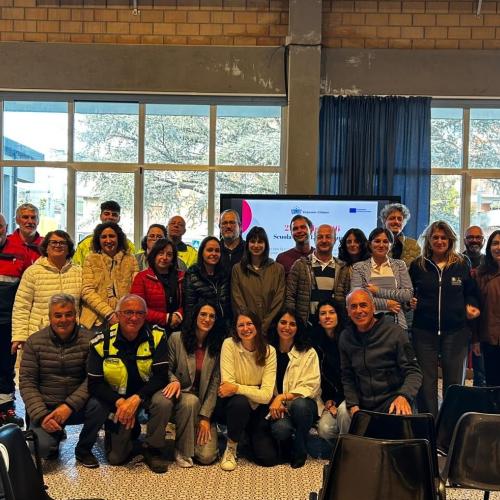
Empower-Citizens workshop in Castelraimondo, April 2026

How Citizens are Reshaping Disaster Preparedness in Castelraimondo

By project Empower-Citizens staffPublished on

Citizens possess unique knowledge from disasters and can provide essential, complementary insights for professionals managing future events. To bridge this gap, the Empower-Citizens project designed CLIPP (Citizen & Authority Learning and Improving Preparedness Plans), a procedure integrating citizens’ feedback into official preparedness plans.
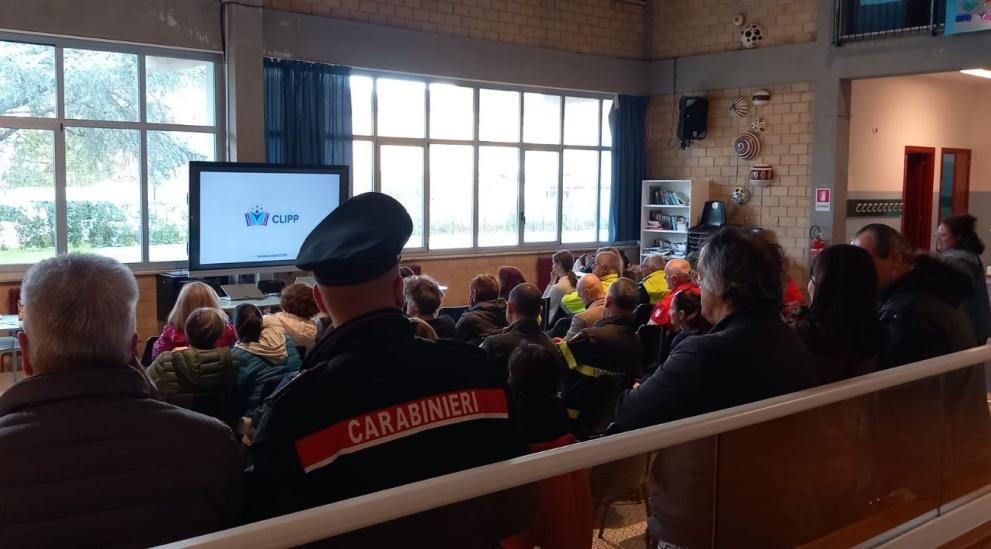
In April 2026, a workshop in Castelraimondo tested the CLIPP procedure with 30 residents, municipal actors, and first responders, sharing lessons from the 2016 earthquake of Central Italy. This local feedback provides a “reality check” on broader trends in the Special Eurobarometer 547 survey on disaster preparedness.

The Information Paradox

Eurobarometer: 65% of EU citizens feel they need more information to prepare for disasters. 

Empower-Citizens workshop: Participants in Castelraimondo noted that official Civil Protection Plans are often "difficult to read and access." They proposed creating a simplified "pocket-sized" version of the plan, distributed alongside the annual municipal calendar, to ensure key information is always at hand.

Addressing Vulnerability with Tailored Support

Eurobarometer: More than a third of Europeans cite a lack of time and financial resources as a barrier to preparedness. 

Empower-Citizens workshop: Vulnerability often increases as a result of inadequate resources and tailored solutions. A mother of an autistic child explained that she avoids standard assembly points “like the plague,” preferring the relative safety and predictability of remaining in a car whenever staying at home is no longer safe. Participants stressed the importance of creating a dynamic “vulnerability database” capable of mapping specific needs to support more appropriate and individualized responses during emergencies.

Preparing for Spontaneous Help

Eurobarometer: 89% of Europeans would rely on family and friends first in a crisis. 

Empower-Citizens workshop: During the 2016 earthquake in Castelraimondo, neighborhood support was the backbone of the response. However, dozens of spontaneous volunteers were ready to help but were left waiting for tasks because there was no system to manage them. Participants emphasized that official plans should include "spontaneous volunteer protocols" to quickly organize and deploy the diverse skills available within the community itself. 

Communication: From National to Local

Eurobarometer: While national media (49%) is the top source for information, reliance on local sources is rising. 

Empower-Citizens workshop: During the 2016 earthquake, residents played a crucial role in disseminating information by going door-to-door to alert neighbours about assembly areas and emergency procedures. To strengthen future emergency communication, participants proposed a range of creative solutions, including the use of mobile loudspeakers and even adapting the cable systems of Christmas lights to broadcast emergency alerts across the community.