"It’s about understanding other modules"
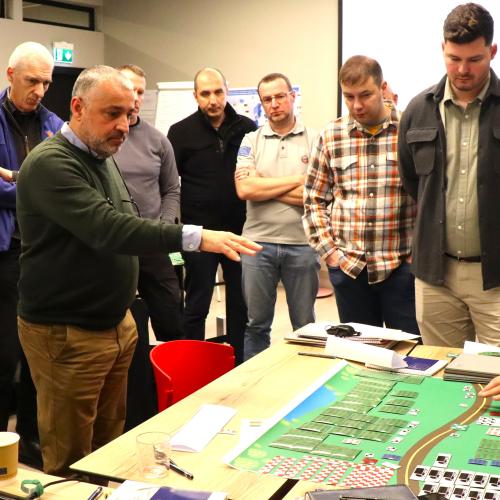
Participants of the Deployment Capacities course in Athens, Greece in January 2026 share their reflections.

Participants of the Deployment Capacities course in Athens, Greece in January 2026 share their reflections.
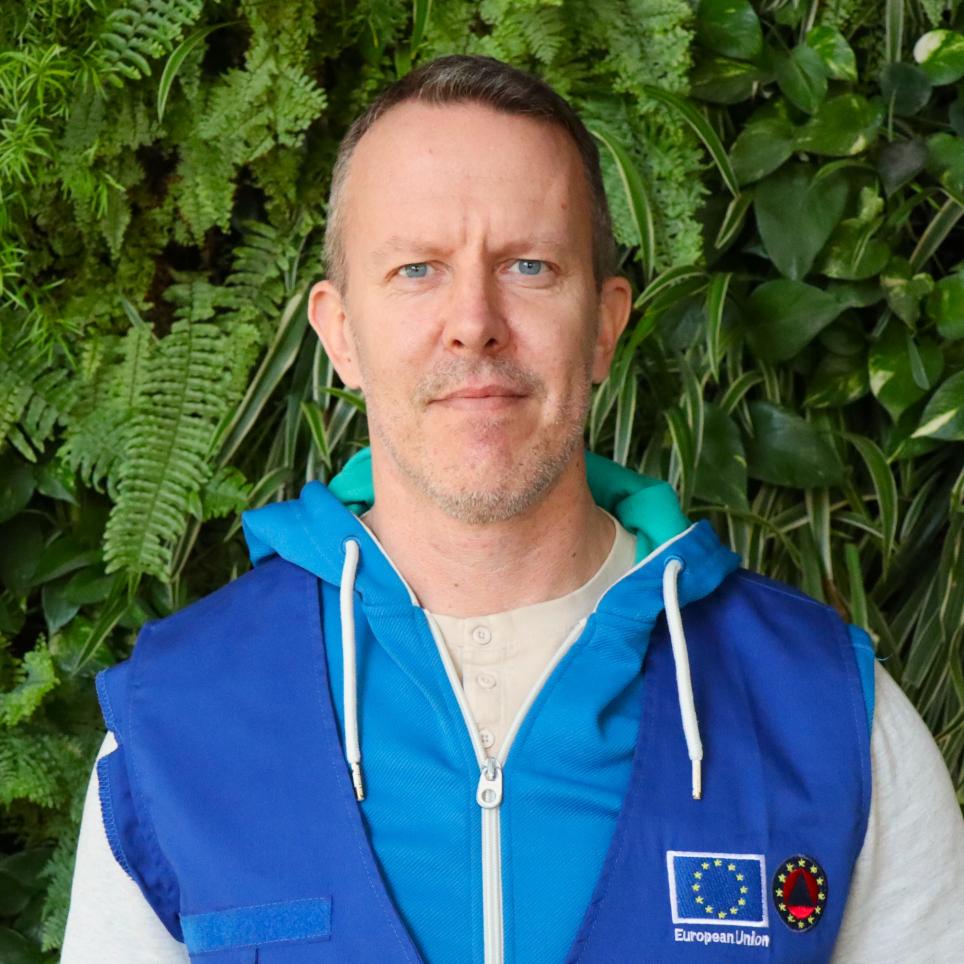
The course met my expectations very well and helped me develop my capabilities for leadership roles in a Forest Firefighting Vehicle module. It was well organized, and the instructors created a positive learning atmosphere for all participants. Cooperation among participants and their willingness to support each other was excellent, providing a strong foundation for effective cooperation in international missions. In the future, participants could be grouped by similar modules and trained according to scenarios that reflect their specific operational tasks.
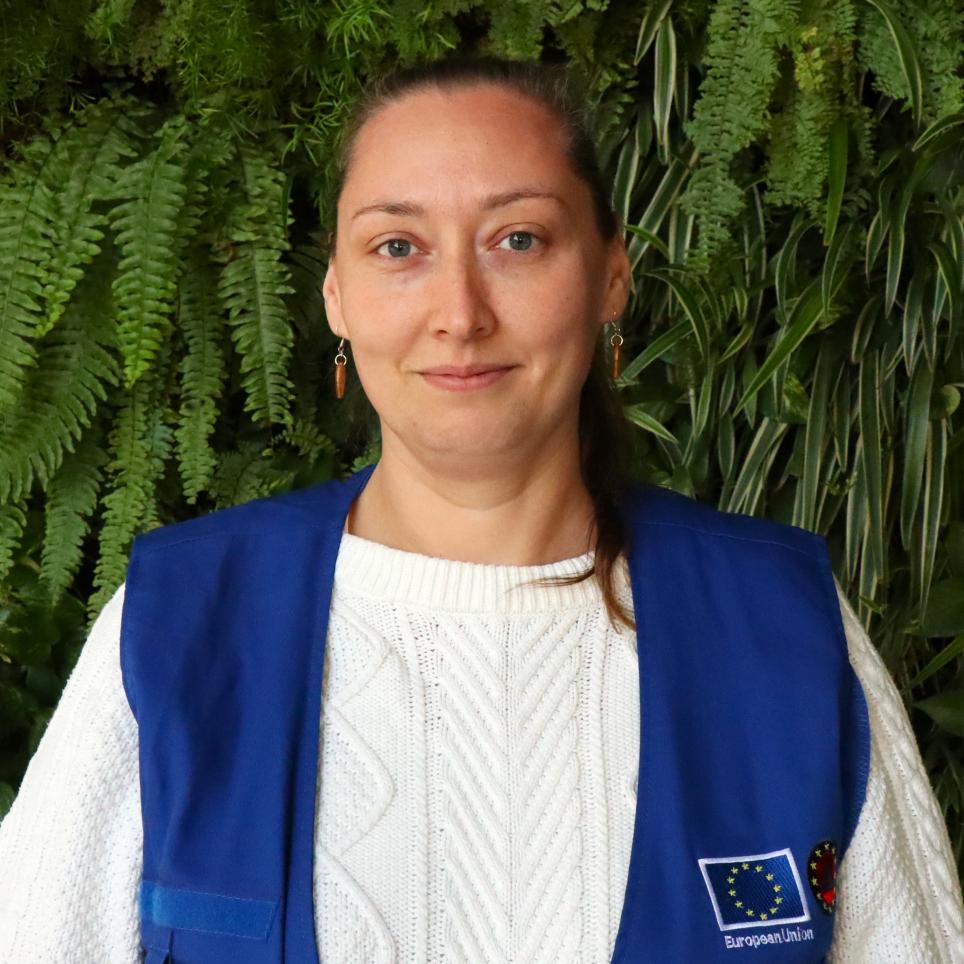
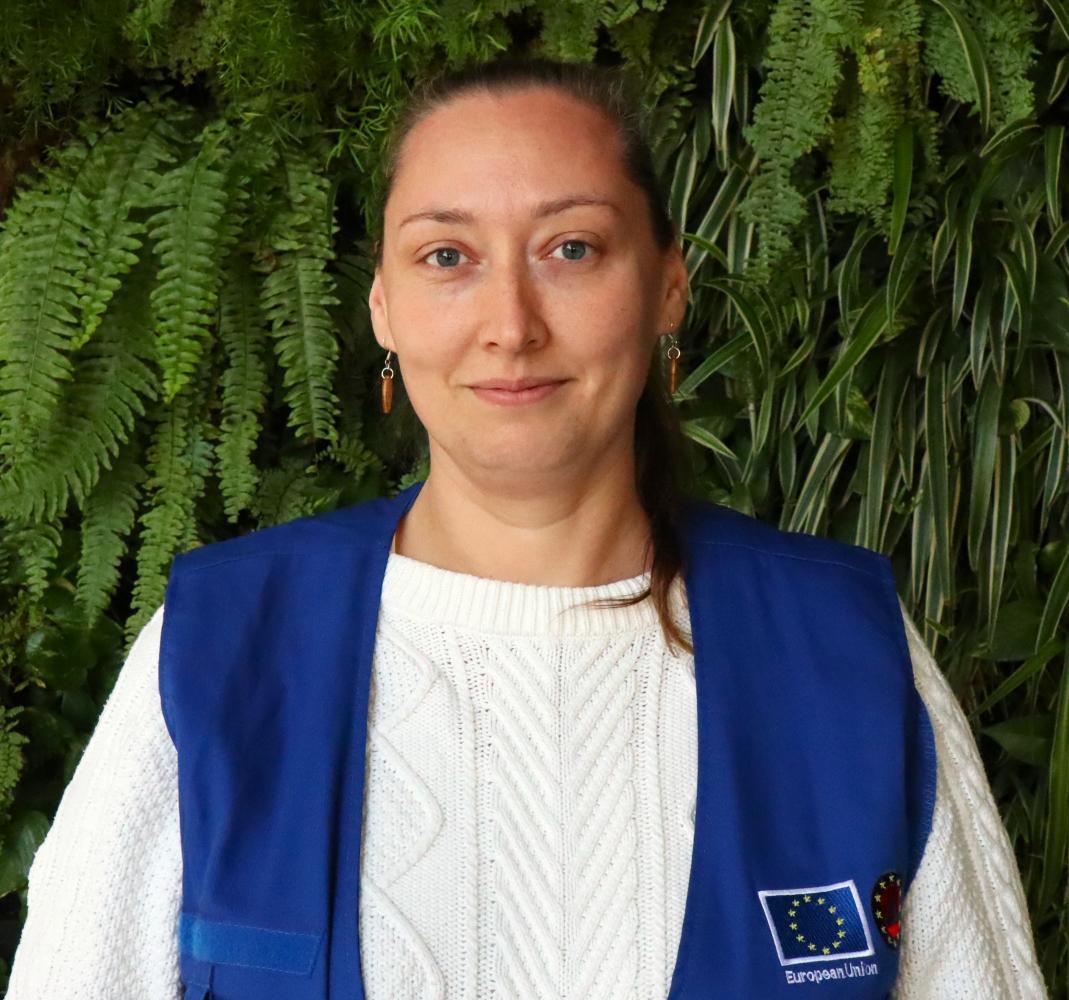
Surprisingly, I was the only woman and one of only two EMT representatives on the course. I believe more women and more EMT team members should take part in such trainings. Before this course, I was unaware of the significant differences between national modules in terms of response, activation time, readiness, and deployment duration. Understanding how other team types operate within the UCPM seems important. In the future, more theoretical content could be delivered online, while on site time could focus on simulations. Many key topics only emerged during the simulation and gave us a clearer picture of the situations we might face during an actual mission.
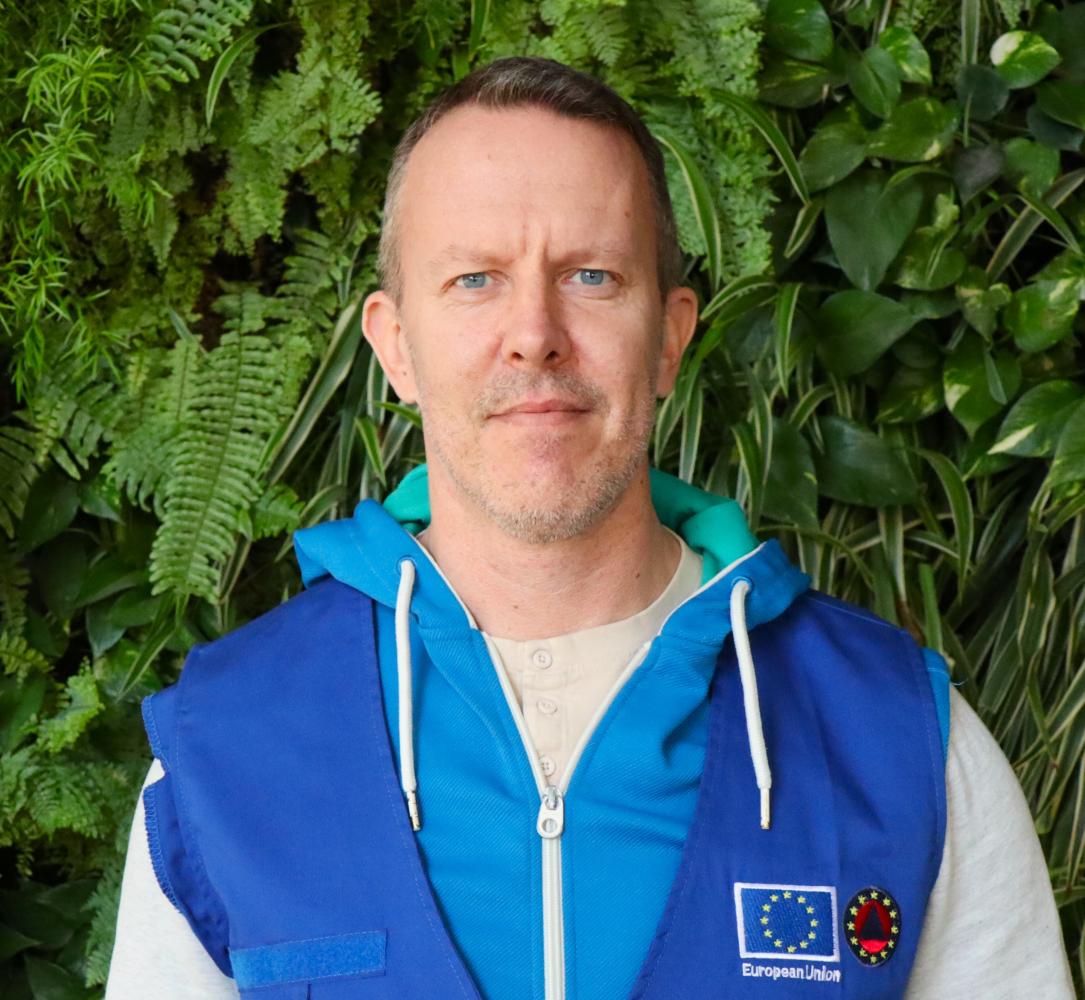
It was impressive to see how many different elements must come together for a successful deployment — logistics, coordination, reporting and team management. Seeing how these components interact during simulations helped me better understand the complexity behind effective civil protection operations. The course was very well structured, but it could be interesting to include even more short scenario-based exercises where participants rotate roles within the team. This would allow participants to better understand the responsibilities and challenges of different positions during a deployment.
Sectors
Thematic series