Maxing mission experience
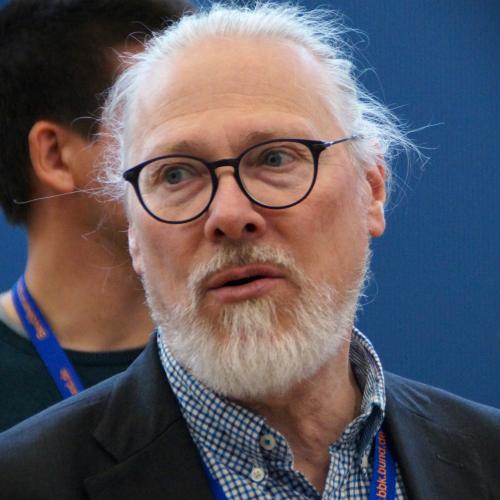
Bernhard KUEHN is Course Director of our Team Leadership Course, the TLC, which is held twice a year and prepares participants for future UCPT leadership roles. We asked him about his ideas for the future of the TLC.

Bernhard KUEHN is Course Director of our Team Leadership Course, the TLC, which is held twice a year and prepares participants for future UCPT leadership roles. We asked him about his ideas for the future of the TLC.
Bernhard, what qualifies you as Course Director of our most advanced course?
International crisis management has been part of my work since 1988, with missions for the German Red Cross, the International Federation, and the ICRC. These ranged from refugee movements in the Balkans, Central Africa, or in Pakistan to disaster responses to floods, droughts, volcanoes, or hurricanes and operations in war zones and conflict-affected countries. Over the past nearly 40 years, missions have taken me to nearly every continent.
I’ve also been seconded to Germany’s Foreign Ministry for crisis-management training of diplomats, or the German Ministry of Defence and the Ministry of Interior for civil-military cooperation projects. Since 2006 I’ve served as Course Director of the former High-Level Coordination Course of UCPM training. For me, a clear focus, modern didactic design, and close collaboration among all trainers are essential to creating a motivating and safe learning environment.
Beyond mission experience, what skills do team leaders in crisis situations need?
Strong soft skills like active listening, stress management, and conflict resolution are crucial to build trust and maintain cohesion under pressure. Leaders must also foster diversity and inclusion within teams and with partners, understand their mandate and the wider disaster-response landscape, and know the roles of other organizations. Negotiation skills and diplomatic tact are needed to work with local authorities and international partners, and a professional approach to media protects the mission’s reputation and ensures clear public communication.
What trends in recent training cycles should be addressed more in future courses?
Participants have shown high commitment, strong self-reflection, and a clear readiness to take on team leader roles. A key strength of our TLC course is tailored, practical learning, especially the role-specific simulation exercises (SIMEX), that prepare leaders for scenarios from volcanic advisory missions in Iceland to complex emergencies such as earthquake response in Venezuela. Our peer-to-peer approach leverages the experience of participants, trainers, and lecturers to foster mutual learning. Going forward, we will keep integrating up-to-date field experience into the curriculum so future leaders stay prepared for evolving deployment challenges.
What long-term ideas should we pursue beyond the 22nd training cycle?
UCPM missions are becoming more complex due to political tensions and ongoing conflicts, extending well beyond natural disasters. This increases the importance of cross-sectoral coordination, horizontal crisis-management capabilities, or civil-defence aspects and will shape future training scenarios and the stakeholders involved. We must continuously update curricula and incorporate lessons learned from recent emergencies and deployments. With the new pool of experts, we also aim to provide continuous learning, networking, and refresher opportunities to build a resilient leadership community.
Interested in the UCPM Deployable Training Programme Newsletter? Let us know info@tvc-academy.eu
Sectors
Thematic series