
UCP Knowledge NetworkApplied knowledge for action
serious games

Preparedness through play: helping children understand disaster risks

By Knowledge Network – Staff memberPublished on

Can a board game help children understand wildfire risk? Can an escape room teach them how to respond to a chemical incident? Across Europe and beyond, educators and civil protection practitioners are increasingly turning to serious games to help young people learn about hazards, preparedness and resilience.
A review carried out as part of the Wildfire Risk Awareness and Communication initiative of the Directorate General for European Civil Protection and Humanitarian Operations (DG ECHO) examined 12 serious games focused on wildfires and other disasters. While the games vary in format and audience, they share a common goal: helping children and young people develop the knowledge and skills to understand risk and make informed decisions before and during an emergency. 

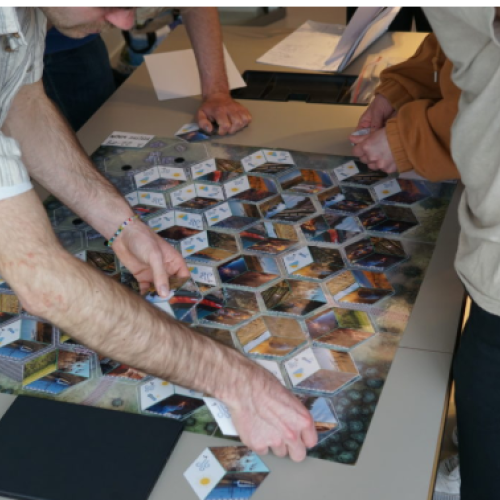
Many of the games place players in realistic scenarios where they must solve problems, work together and face the consequences of their choices. Rather than relying on classroom teaching alone, they encourage learning through experience. Players might explore how forest management reduces wildfire risk, decide how a community should prepare for an approaching disaster or work to improve recovery after a major event. 

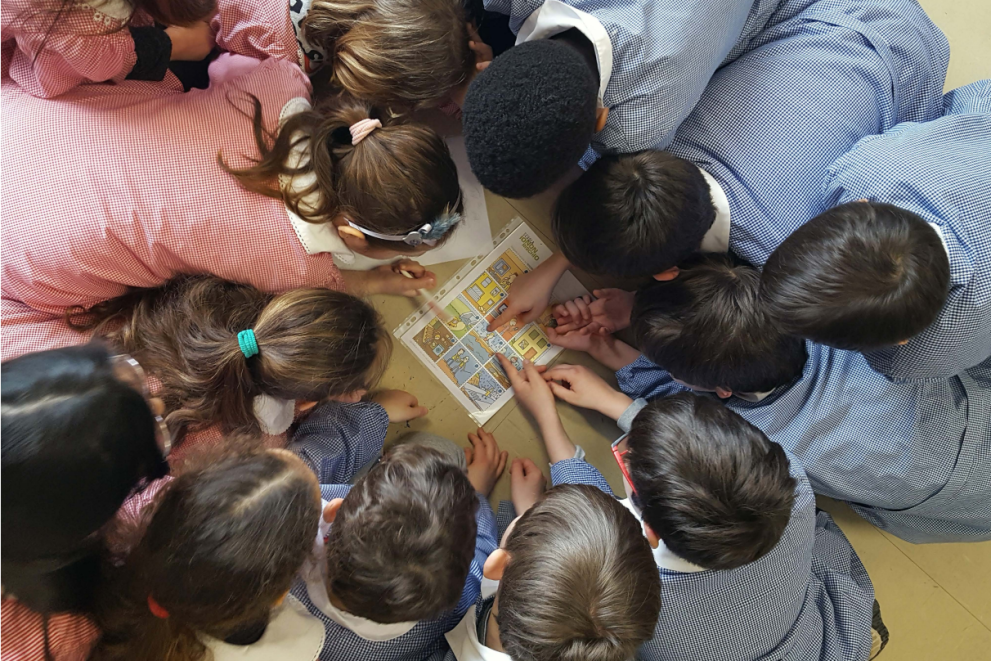
Format matters too. Physical board games bring children together around a table and encourage discussion. Digital platforms offer reach and scalability and can provide immediate feedback on decisions. The best approaches tend to draw on both, adapting to the tools and contexts available in different schools and communities across the EU. 

While some games are available in multiple languages, accessibility remains a practical challenge. Games designed for one national context are not always easy to adapt elsewhere, and tools that require a trained facilitator can be difficult to scale. Any new serious game developed for EU-wide use would need to address these gaps directly. 

The review identifies a clear opening. A well-designed wildfire awareness game for primary school children should be built around prevention as much as response, accessible across languages and formats, and grounded in the varied landscapes and risks of different European regions. The groundwork has been laid. The next step is to build something that puts real preparedness knowledge in the hands of the children who will need it most.