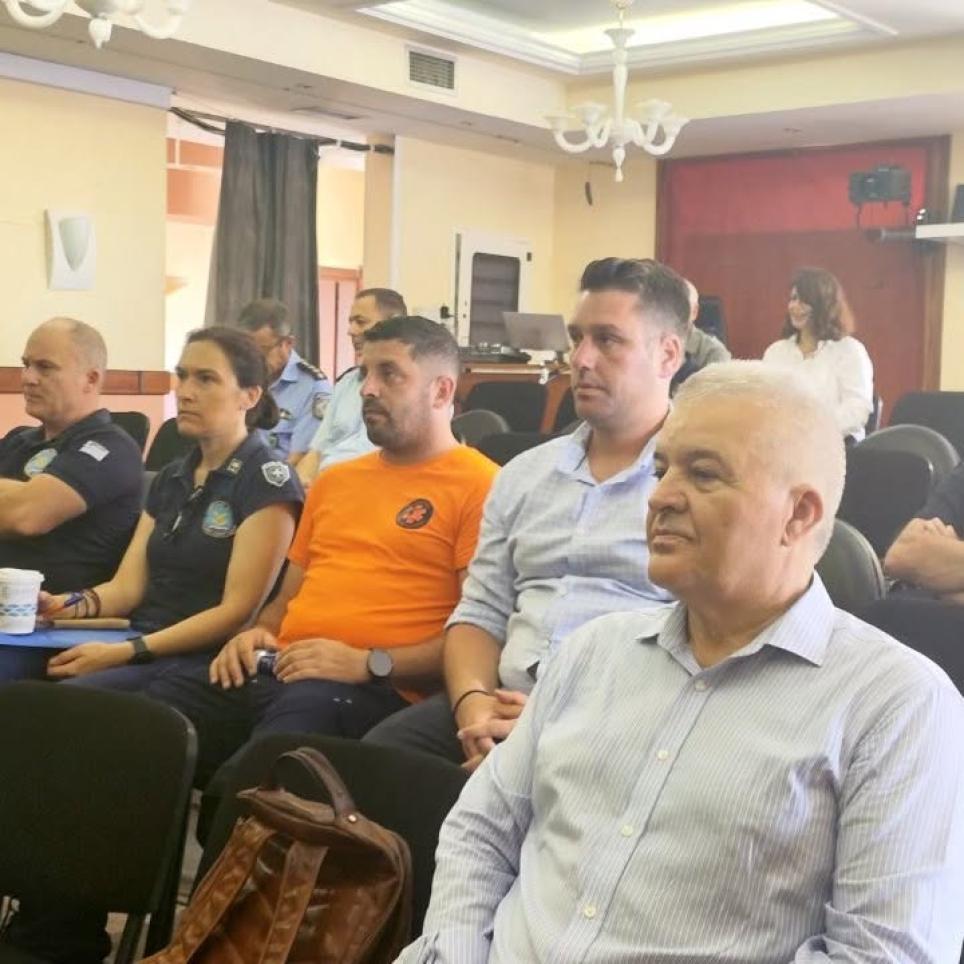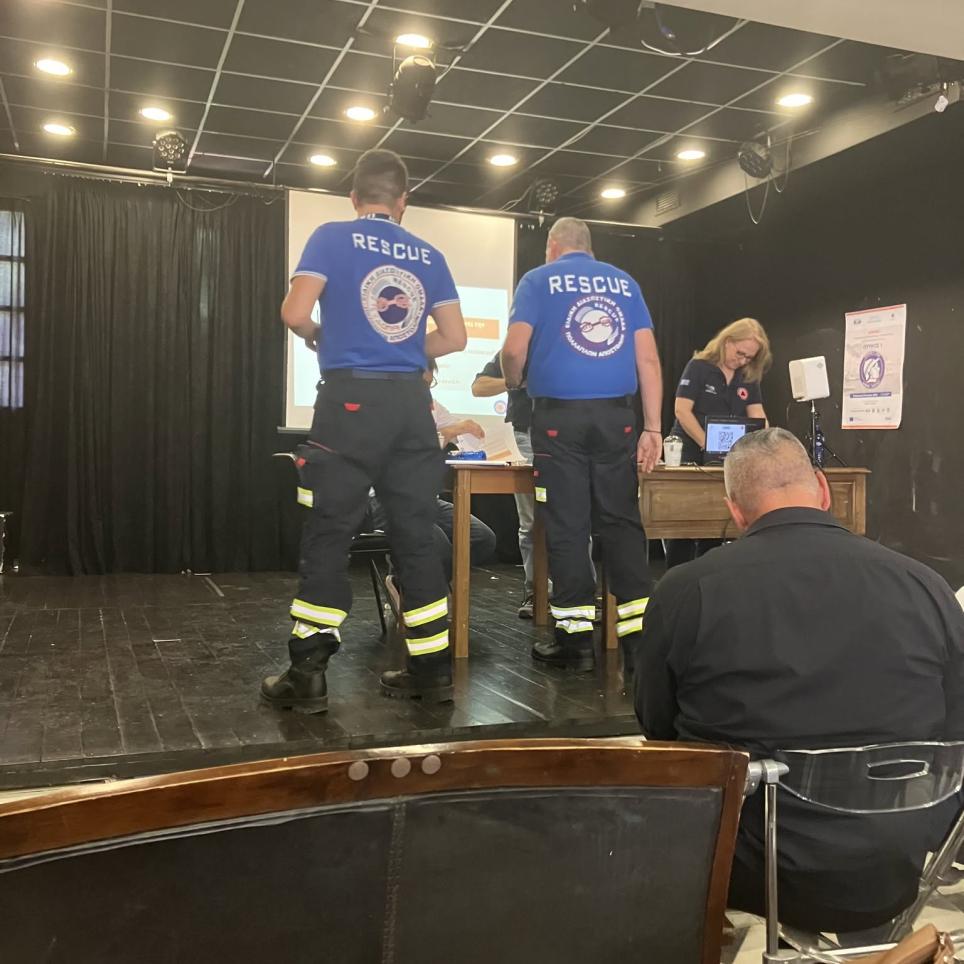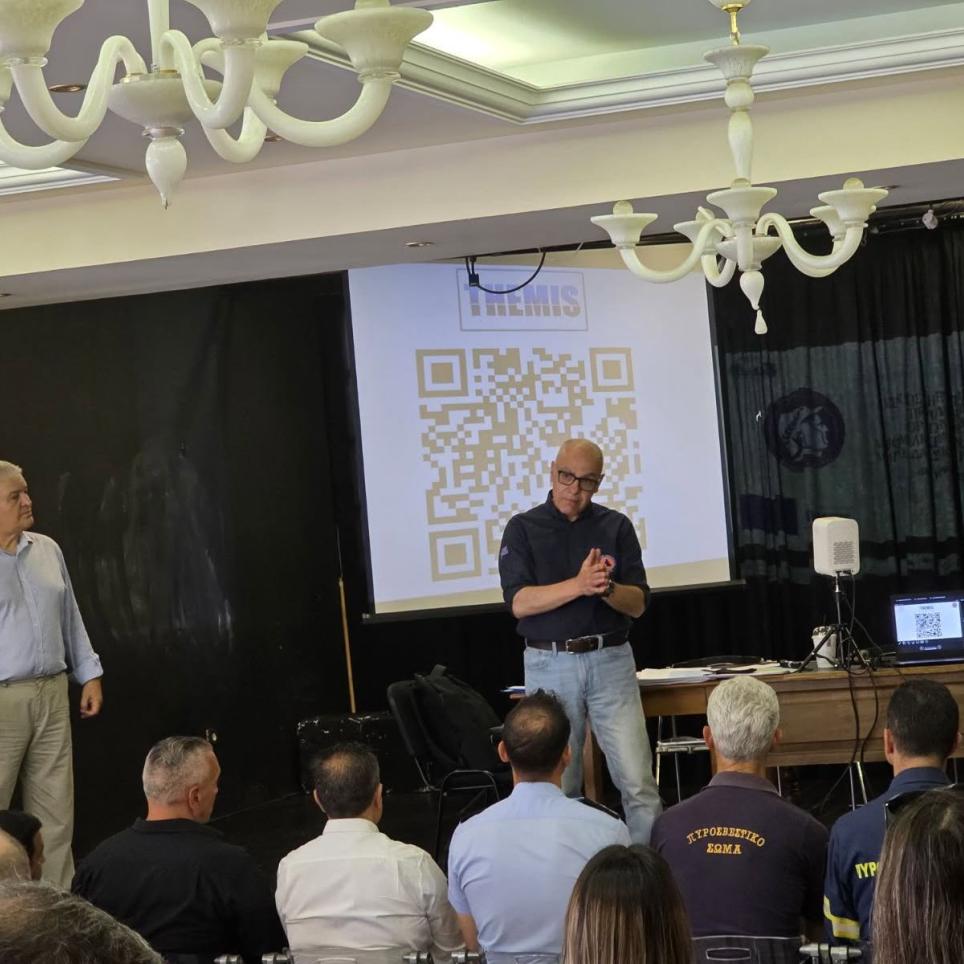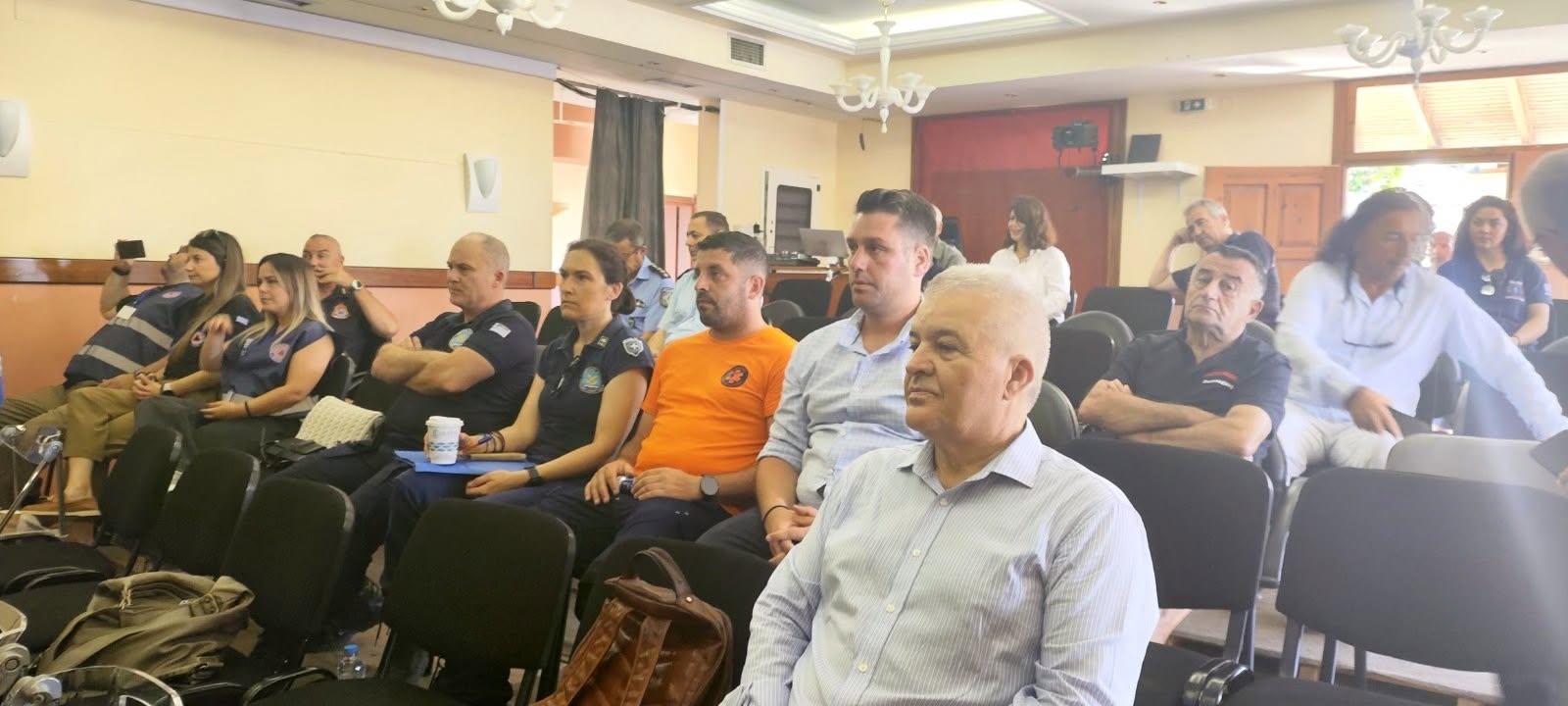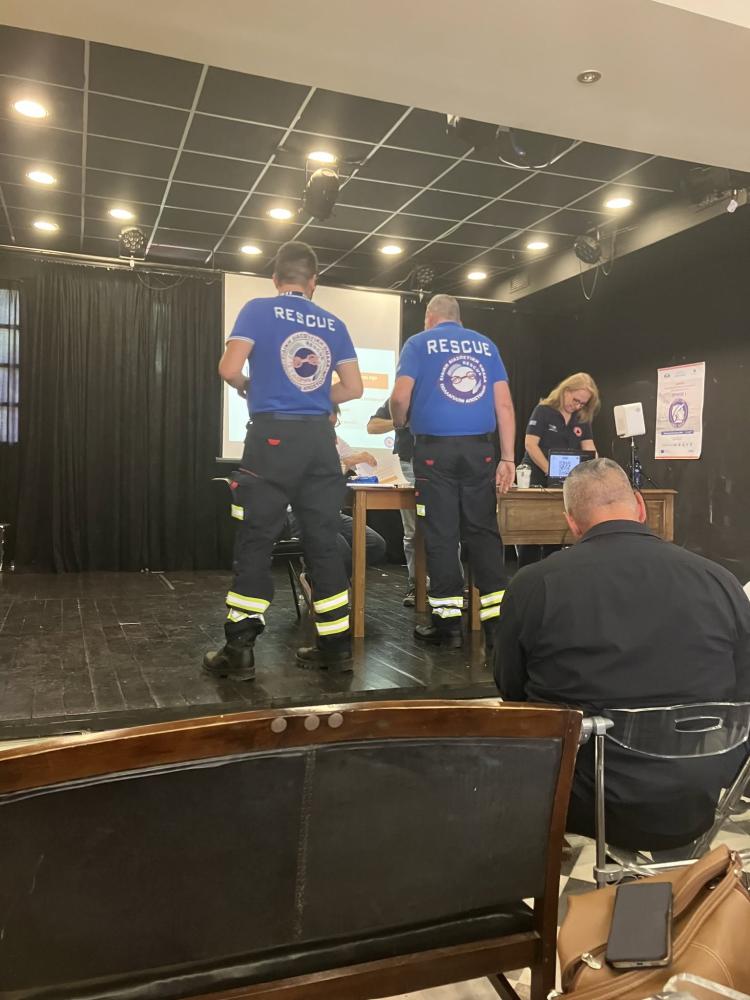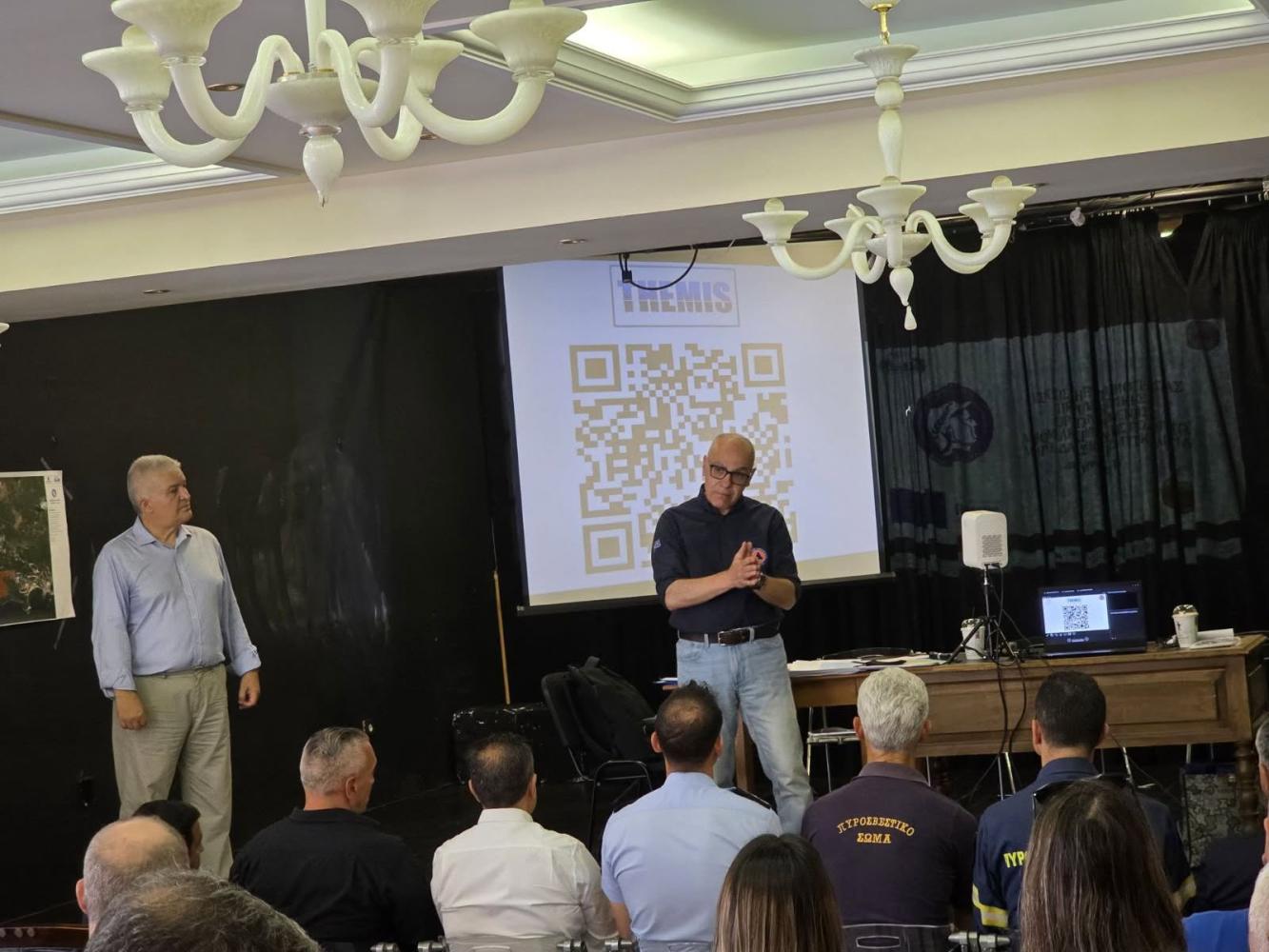
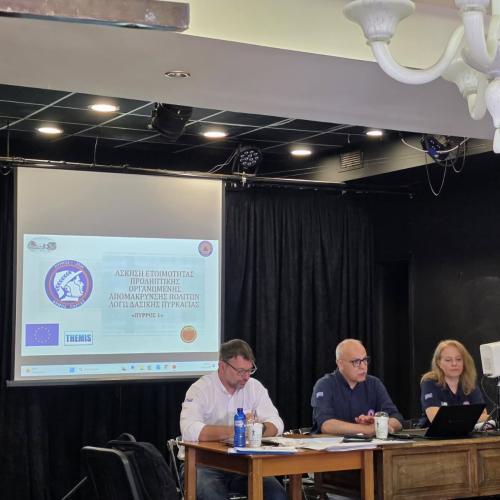
The "PYRROS 1 2026" Tabletop Exercise, held in Parga on 19 June 2026, was successfully completed, representing a significant milestone in the implementation of the THEMIS project and further strengthening national and European preparedness for emergency response and crisis management. The exercise constitutes an integral component of the broader THEMIS initiative, funded under the European Union Civil Protection Mechanism (UCPM Track 1), which aims to enhance the resilience of critical infrastructures through innovative technologies, improved operational procedures, and strengthened cooperation among national and local authorities.
The successful organisation and execution of the exercise confirmed the project's strategic approach to developing, validating, and demonstrating practical solutions that support civil protection authorities in effectively responding to complex emergency scenarios. It also highlighted the importance of coordinated planning, inter-agency collaboration, and the integration of modern digital technologies into operational decision-making processes.
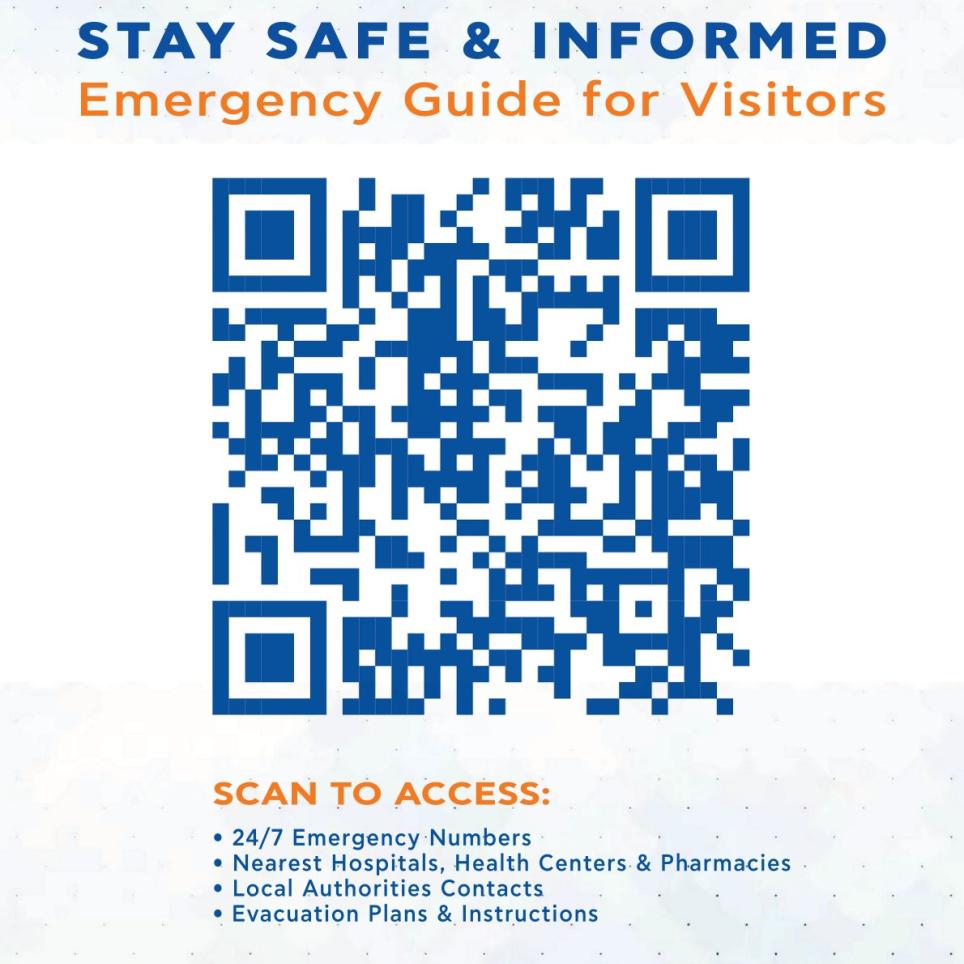
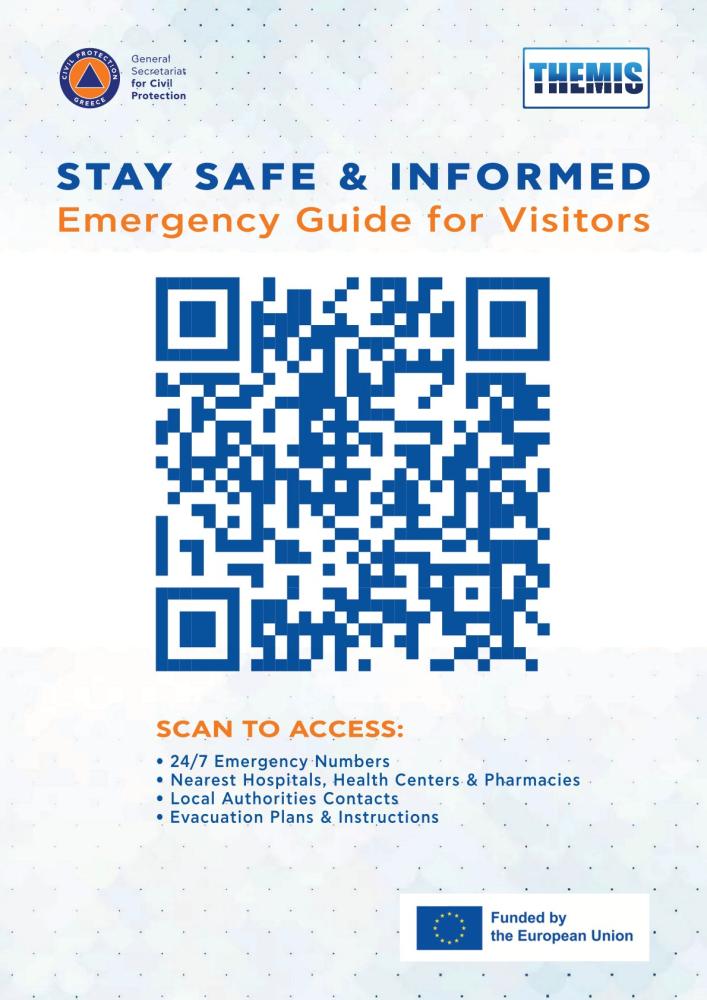
A primary objective of the exercise was the pilot testing and evaluation of solutions designed to support the monitoring, protection, and management of critical national infrastructure under realistic operational conditions. Particular emphasis was placed on the demonstration of the QR-based information system, an innovative digital tool developed to facilitate the rapid, secure, and reliable exchange of critical operational information among first responders, local authorities, and decision-makers. By enabling immediate access to essential infrastructure data, emergency procedures, and situational information, the system significantly enhances situational awareness and supports faster, more informed decision-making during emergency operations.
The selection of Parga as the exercise location provided an exceptionally suitable operational environment for validating these technological solutions. The area's distinctive geographical characteristics, including its complex urban layout, coastal infrastructure, and challenging terrain, combined with the exceptionally high volume of seasonal tourism during the summer period, created realistic operational conditions that closely resemble the challenges faced during actual emergency incidents. These conditions allowed project partners to comprehensively evaluate the usability, efficiency, reliability, and overall operational performance of both the QR system and the complementary technologies developed within the THEMIS project.
In parallel with the technological demonstrations, particular attention was devoted to the training and active engagement of local authorities and operational stakeholders. The exercise provided an excellent opportunity to strengthen cooperation between municipal services, emergency response organisations, civil protection authorities, and national coordination centres. Participants were able to familiarise themselves with the project's digital tools, validate communication procedures, and improve interoperability through practical scenario-based collaboration. This collaborative approach contributes significantly to enhancing preparedness, promoting common operational understanding, and ensuring effective coordination during complex emergency situations.
Beyond the successful validation of the project's technological solutions, the exercise generated valuable operational experience and identified important lessons learned regarding emergency planning, information sharing, decision support, and multi-agency coordination. These findings constitute a valuable repository of best practices that will be systematically analysed and incorporated into the ongoing development of the THEMIS project. The knowledge acquired through the Parga exercise will directly support the refinement of operational procedures, training methodologies, and technological solutions, ensuring continuous improvement throughout the project's implementation.
Furthermore, the outcomes of the exercise provide a solid foundation for the next major pilot activity of the project, scheduled to take place in Aegina on 3 July 2026. Building upon the experience gained in Parga, the forthcoming exercise will further validate the project's operational framework under different geographical and operational conditions, contributing to the overall objective of establishing resilient, interoperable, and technology-driven civil protection mechanisms across Europe. Through initiatives such as the "PYRROS 1 2026" Tabletop Exercise, the THEMIS project continues to demonstrate the added value of European cooperation, innovation, and knowledge exchange in strengthening disaster resilience and enhancing the collective capacity to respond effectively to future emergencies.