Round Table on Hydro-meteorological Emergencies Risks
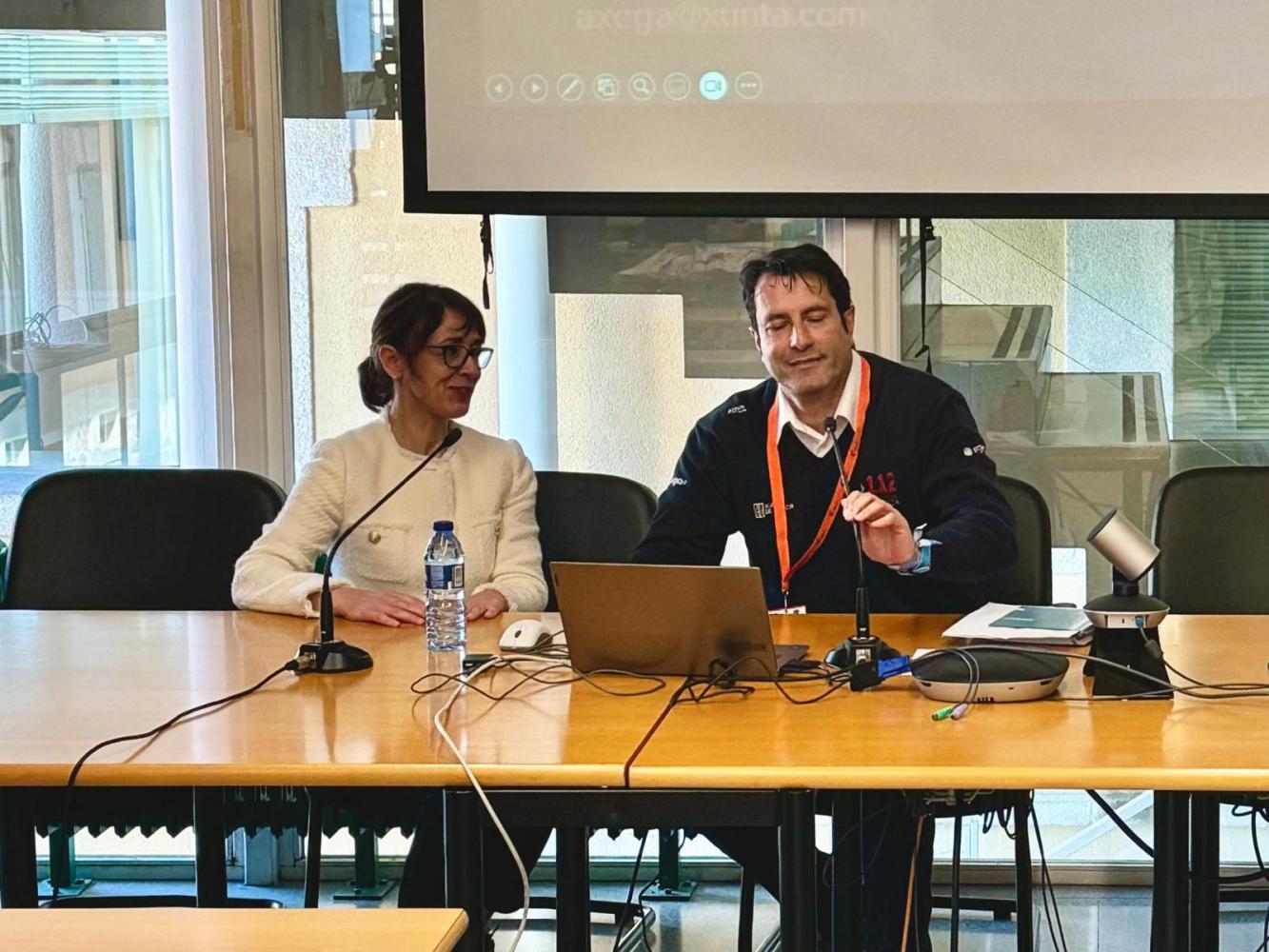
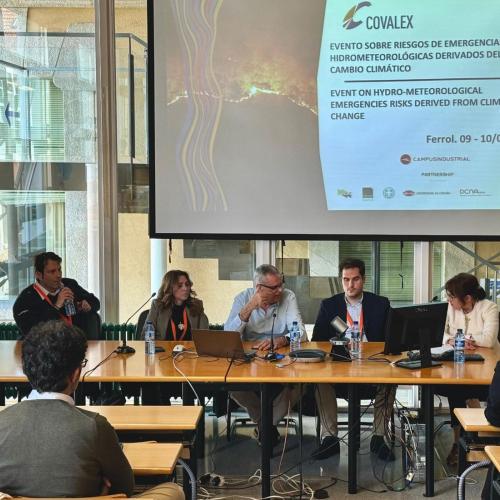
A high-level roundtable on emergency management and civil protection brought together leading public figures to discuss and propose solutions to strengthen risk preparedness.
A high-level roundtable on emergency management and civil protection brought together leading public figures to discuss and propose solutions to strengthen risk preparedness.
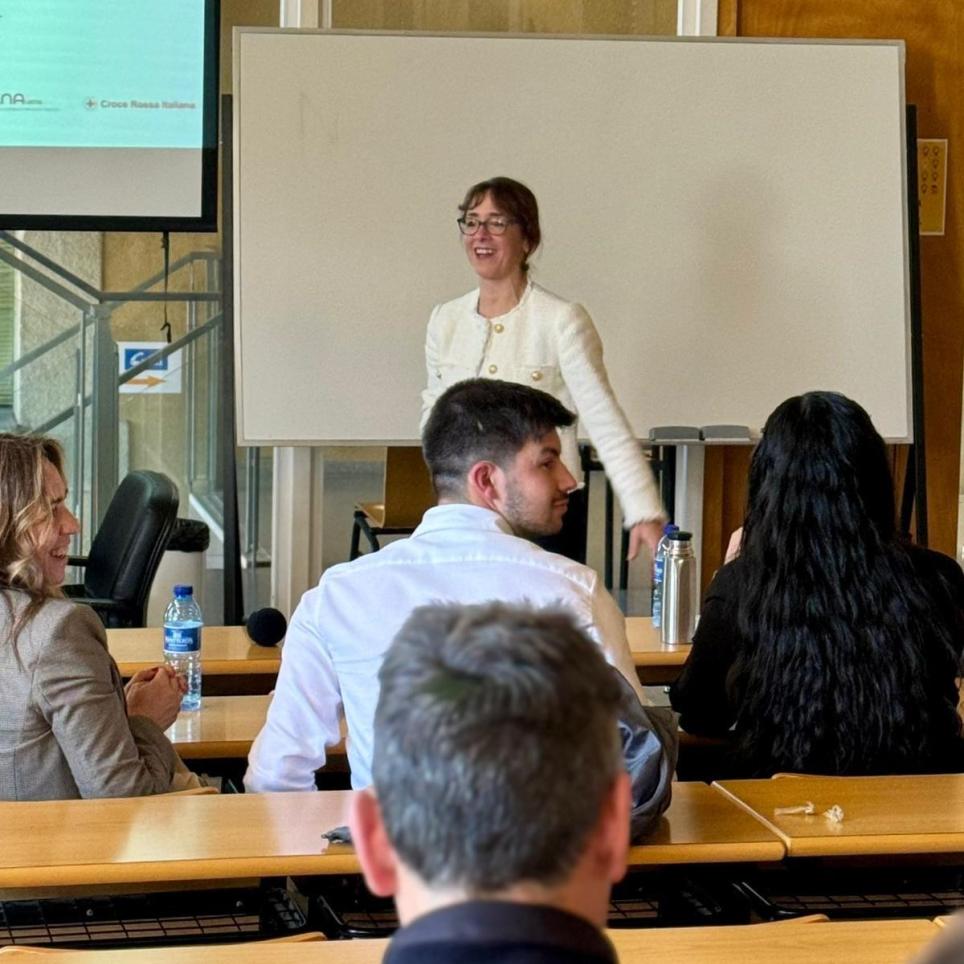
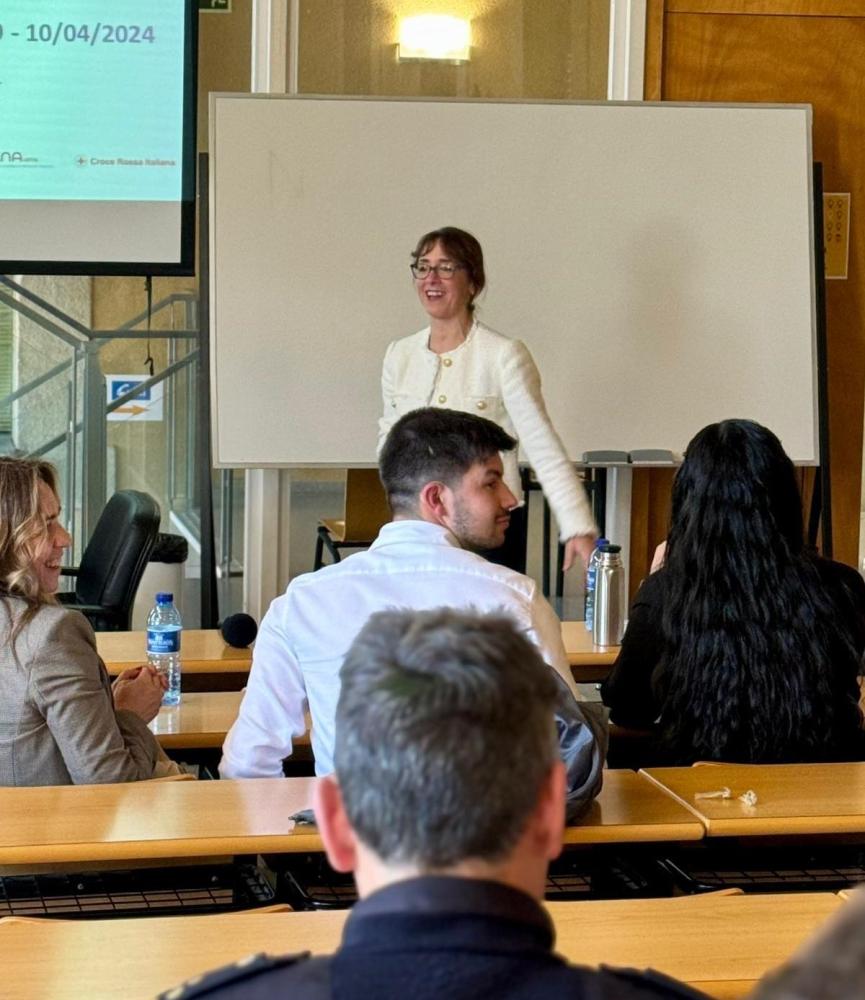
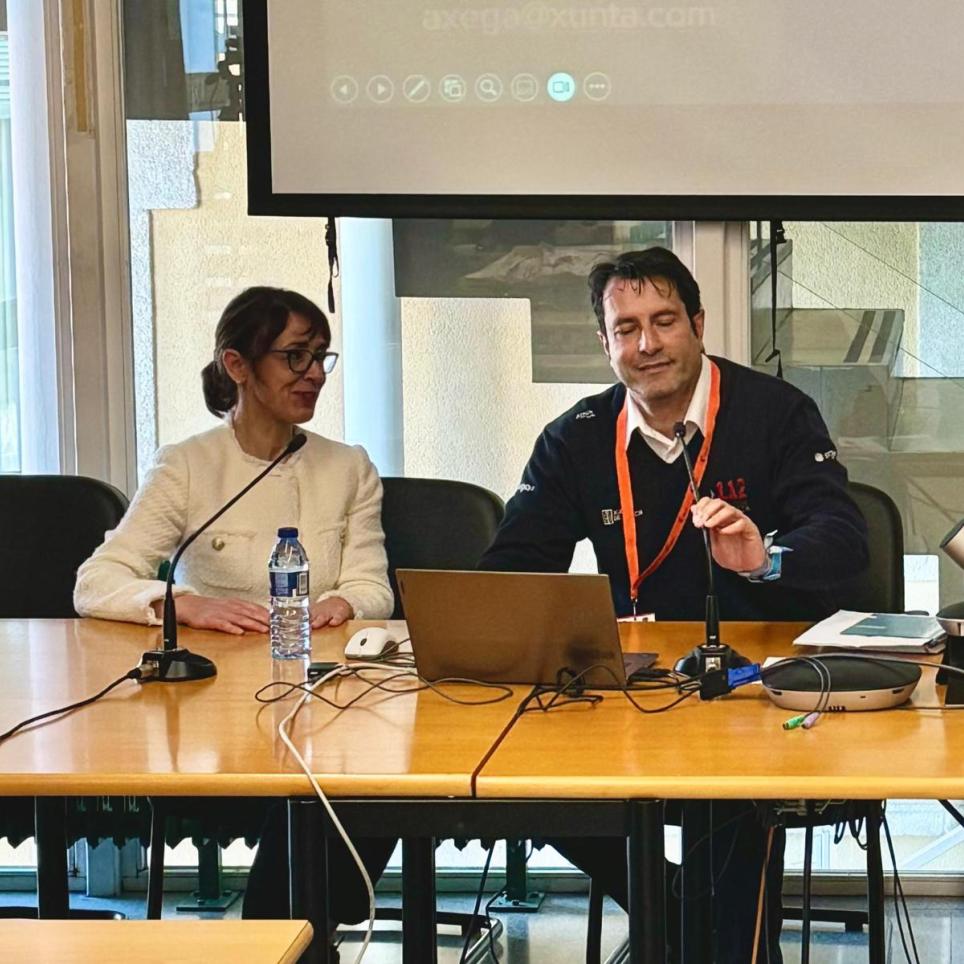
Sonia Zaragoza played the role of moderator at the roundtable. Before starting the discussion, she thanked the participants and the viewers present, both online and in person. In the discussion, the importance of direct communication between the regional, local, national and international spheres was highlighted, highlighting the need for effective cooperation. The partners present supported this premise.
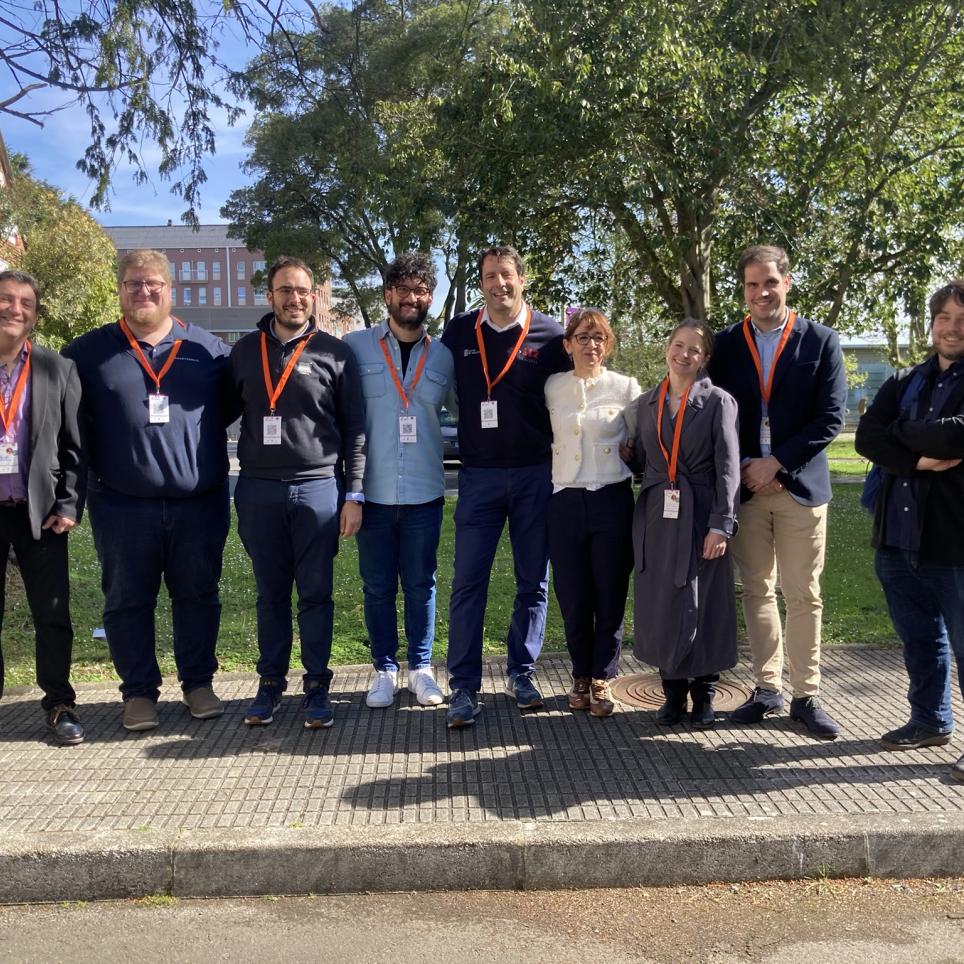
Participants included:
1. Impact of climate change on emergencies and population: It discusses how climate change is affecting emergencies, causing human and material losses, and transforming the legacy environment.
2. Civil protection priorities: The need for prioritisation in emergency management, especially in relation to forest fires, is discussed, and the importance of international collaboration is highlighted.
3. Social and operational adaptation: There is a need for social and operational change to address the challenges of climate change, including the education of the population and the creation of resilient infrastructure.
4. Climate change data: Data is provided on climate change in Galicia, including temperature rise and sea level rise, as well as the efforts needed to mitigate its effects.
5. Legislation and regulation: The importance of legislation and regulation in climate change mitigation is discussed, as well as the need to adapt regulations to new realities.
6. Technology and prevention: The role of technology, such as drones, in emergency management is mentioned, as well as the importance of prevention and education in risk reduction.
7. Sustainability and tourism: It addresses the potential of sustainable tourism in Galicia and its relationship with climate resilience, as well as the need for changes in consumption and production patterns.
8. Formación y concienciación: The importance of training and awareness-raising among the population is highlighted, especially among vulnerable groups such as children and the elderly, as well as the need to include emergency education in the school curriculum.
9. Developments in emergency management: It describes how emergency management is evolving with the use of new technologies and approaches, such as geolocation and prevention.
10. Challenges and opportunities: The challenges and opportunities associated with climate change adaptation are discussed, as well as the need for a coordinated and sustainable approach to address these issues.
In summary, the text addresses a wide range of issues related to climate change, emergency management and social and operational adaptation, highlighting the need for comprehensive and collaborative measures to address these challenges.
Sonia Zaragoza moderated the panel discussion. Before starting the discussion topic, she thanked the participants of the roundtable and the spectators who attended both online and in person.
The reason why the four of them are participating in the round table is that if one thing has become clear these days, it is that there has to be very direct communication between the regional, local, initial poor and national side, and of course the international side. The partners are there to attest to that.
The event began with the moderator asking how climate change impacts emergencies, resulting in increased human and material losses and transforming the environment. The discussion emphasized the need to prioritize forest fires, a growing concern across Europe, and to lead social change towards a more sustainable living paradigm. A proposed solution includes forming an expert community at the European Union level to establish basic procedures and a regulatory framework for civil protection against forest fires, recognizing that risks vary across regions.
The conversation highlighted the necessity of community involvement in risk preparedness and the importance of international communication and collaboration. Despite existing resources and emergency services in places like Ferrol and Galicia, there remains a need for better public awareness and training, especially considering the increasing complexity of emergencies due to climate change. The moderator pointed out the progress made over the last few decades in emergency services and the continuous need to adapt to new technologies and methods.
Galicia's climate change data from MeteoGalicia showed a 0.19°C increase per decade since the 1980s. The region is positioned as a potential climate refuge due to its moderate climate, making it an attractive destination for those seeking better living conditions amidst global warming. However, achieving climate neutrality by 2050 and reversing CO2 emissions by 2100 requires substantial efforts in emission control, especially given the diverse sources of greenhouse gases.
In terms of education and training, the discussion stressed the need to involve children and the elderly in self-protection and risk prevention programs, reflecting a broader social change. The evolution of emergency management now includes new technologies like drones, which have significantly improved operational efficiency and reduced the carbon footprint compared to older methods.
The event concluded with reflections on the rapid changes in environmental regulations and the challenges they pose for local administrations. The need for thoughtful, well-communicated regulatory changes was emphasized to ensure public understanding and acceptance. The urgency of addressing climate change through comprehensive and collaborative measures was a recurring theme throughout the discussion.