You are about to be redirected to EU Login, our authentication service.
The UCPKN platform offers different kinds of information views based on the identification of the user, and its associated roles. If it is the first time you are logging in to the platform, your profile will be validated at the end of the process, and you will receive a label and/or associated roles on the platform based on the information provided by you.
If you are a civil protection expert active in the context of the Union Civil Protection Mechanism operations (e.g., training, exercises, deployments), make sure you are using the same email address you used for training/deployment registration for a proper creation of your profile.
From Strategy to Action: Key Insights from the EU Preparedness Conference
By Knowledge Network – Staff memberPublished on
One year after the launch of the Preparedness Union Strategy, policymakers, experts and practitioners met at the EU Preparedness Conference to reflect on progress and address growing security, climate and hybrid threats. Discussions stressed the need for a whole-of-society approach, bringing together governments, businesses and citizens to better prepare for crises.
A Year of Unprecedented Challenges
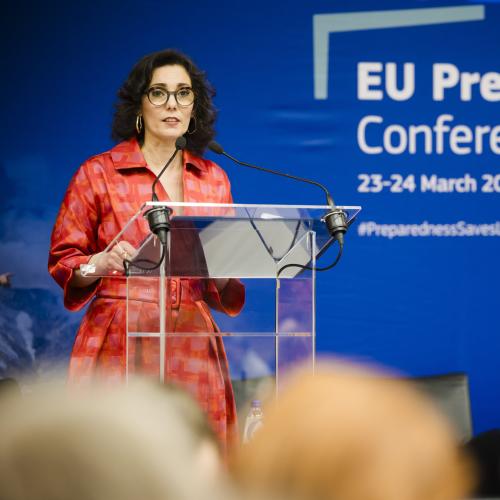
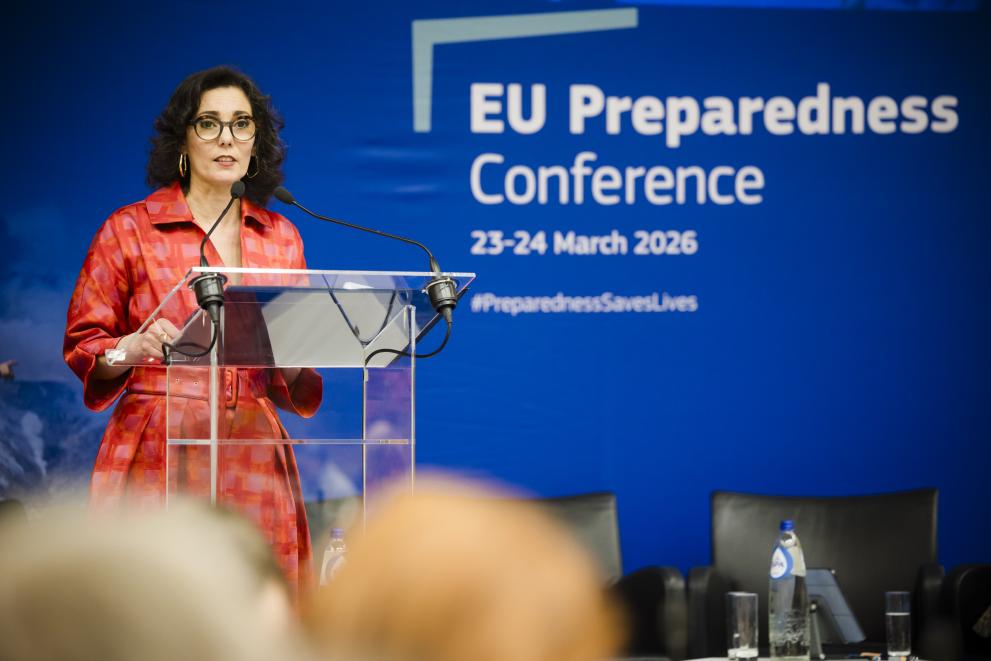
Opening the conference, Commissioner for Equality, Preparedness and Crisis Management Hadja Lahbib highlighted the growing challenges faced over the past year. The war in Ukraine entered its deadliest phase since the full-scale invasion, and the war in the Middle East deepened global insecurity. At the same time, Europe experienced one of its most severe wildfire seasons in decades, while hybrid and cyber incidents disrupted critical infrastructure.
“When crisis hits, people expect life to keep working. Food, water, electricity, hospitals, communication. When these systems hold up under pressure, that is resilience,” the Commissioner emphasised.
She also announced a new EU initiative supporting young firefighters and reaffirmed the Commission’s intention to strengthen investment in preparedness.
Roxana Mînzatu, Executive Vice-President for Social Rights and Skills, Quality Jobs and Preparedness, emphasised that resilience must be a shared responsibility across society. Preparedness, she noted, should be embedded across sectors, starting with education. The Commission will issue recommendations on integrating preparedness into school curricula, alongside updated guidance on digital literacy and countering AI-amplified disinformation.
Drawing on Ukraine’s experience, Oleksii Kuleba, Deputy Prime Minister for Restoration of Ukraine, underlined that resilience is a daily necessity rather than a long-term concept. He highlighted the importance of rapid adaptation and closer coordination between civilian and military actors, warning that Ukraine’s challenges today could become Europe’s reality tomorrow. He also confirmed that Ukraine stands ready to support EU resilience efforts with its expertise.
A Whole-of-Society Approach
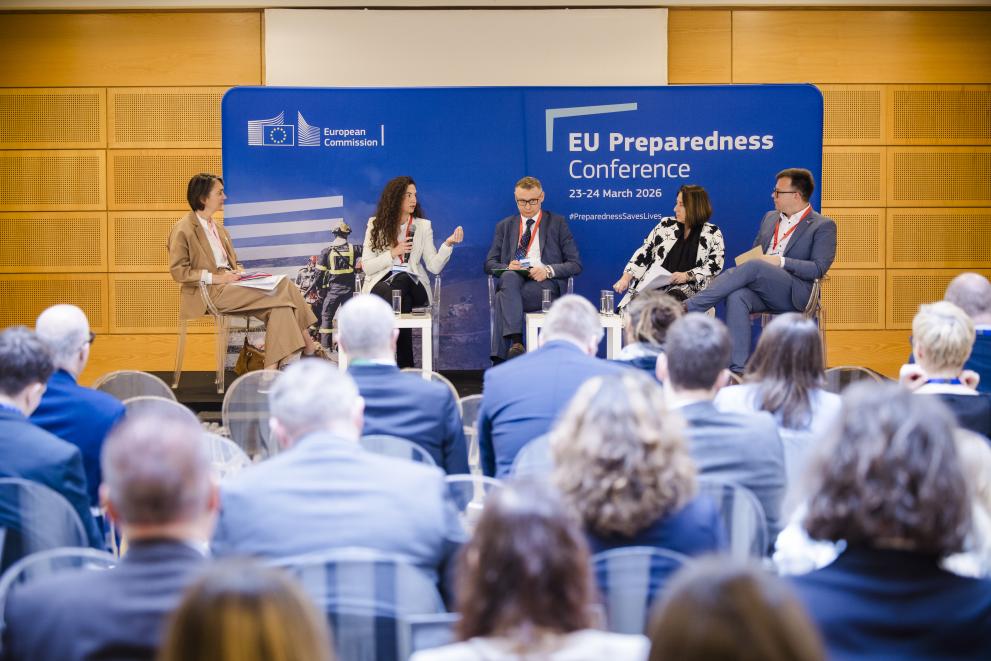
Building on these perspectives, the high-level opening panel explored how Europe can close preparedness gaps and strengthen responses to a broad range of risks.
Alona Shkrum, Ukraine’s First Deputy Minister for Communities and Territories Development, reflected on how quickly security assumptions can change, which is why adaptability is essential in preparedness. She explained that preparing for the worst, as the Nordic and Baltic countries do, is an excellent model that other EU countries should also follow. In addition, she pointed out the need for strengthening collective readiness.
Johan Berggren, Swedish State Secretary for Civil Defence, outlined three pillars for resilience: strengthening societal defence, ensuring continuity through stockpiles and cross-sectoral cooperation, and enhancing civil-military coordination.
Lena Düpont (MEP) called for transparent risk communication and flexible scenario planning. She stressed the need to prepare society to accept that sometimes, decisions will be wrong and advocated for a “network of networks” to enhance coordination.
Professor Georgios Boustras, UNESCO Chair in Disaster Risk Resilience and Societal Safety, noted that while public awareness is increasing, communication does not always translate into collective action, particularly in the context of disinformation.
Niels Vanlaer, Harbour Master at the Port of Antwerp, emphasised the importance of connecting existing capacities and fostering cooperation through stronger networks.
From Strategy to Action
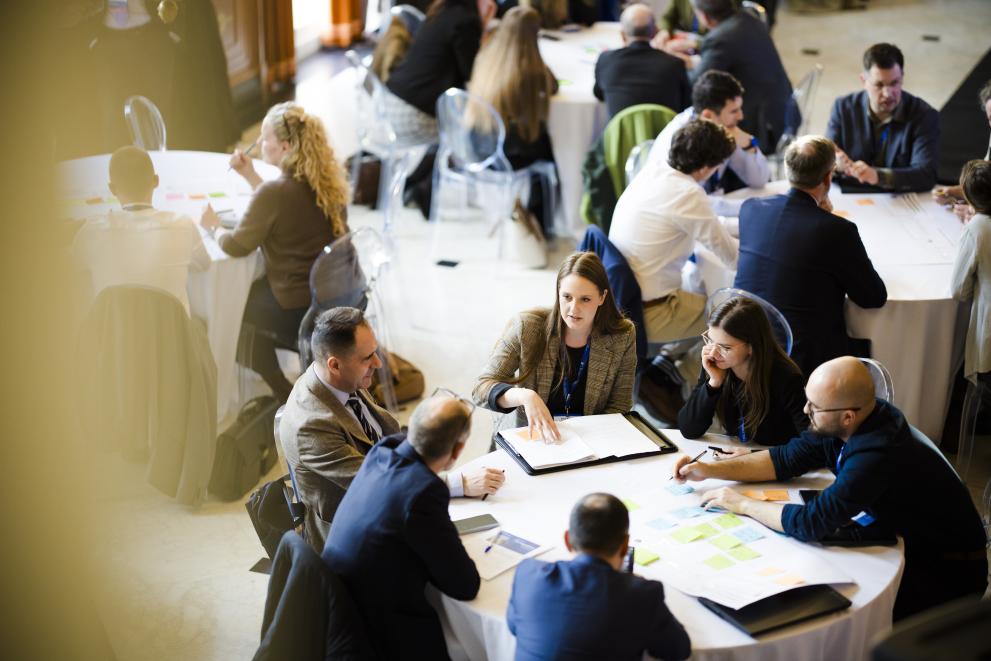
Over the two days of the EU Preparedness Conference, four thematic sessions explored how to translate preparedness into practice:
1. Civil-Military Cooperation
Discussions highlighted the increasing overlap between civilian and military domains, particularly in light of attacks targeting both civilian and military infrastructure in Ukraine. Participants called for stronger coordination and a more coherent European framework.
2. Population Preparedness
Speakers identified trust, education and volunteer engagement as essential components of preparedness. Misinformation and polarisation remain key challenges, while psychological resilience requires greater attention.
Participants pointed to structural challenges, including unclear responsibilities across governance levels and gaps between risks and local capacities. Proposed solutions included stronger coordination, risk-informed investment and the development of strengthened governance structures.
4. Public-Private Preparedness
Limited trust and commercial sensitivities continue to hinder collaboration with the private sector. Proposed measures included common risk assessments, improved data-sharing mechanisms and cross-sector stress-testing exercises.
The closing panel brought together representatives from European and international institutions, including Seán Clancy, Kristine Joy Nordenson Kallset, Leena Ylä-Mononen, Maksym Dotsenko and Tero Kiviniemi.
Panellists emphasised that advancing preparedness requires stronger coordination across sectors and borders, clearer roles and responsibilities, and improved information-sharing. They also highlighted the need to break silos, strengthen early warning systems and enhance foresight. Building synergies across policies and investments will help balance ambition with available resources.
“Now we must deliver”
In her closing remarks, Commissioner Lahbib reiterated the importance of a citizen-centred approach to preparedness. She stressed that people expect clear communication, practical guidance and opportunities to actively contribute to crisis response.
The Preparedness Union Strategy, she concluded, provides a clear framework. The priority now is to turn this into action across all levels of society.