What makes the DCC special compared to other courses in our programme?
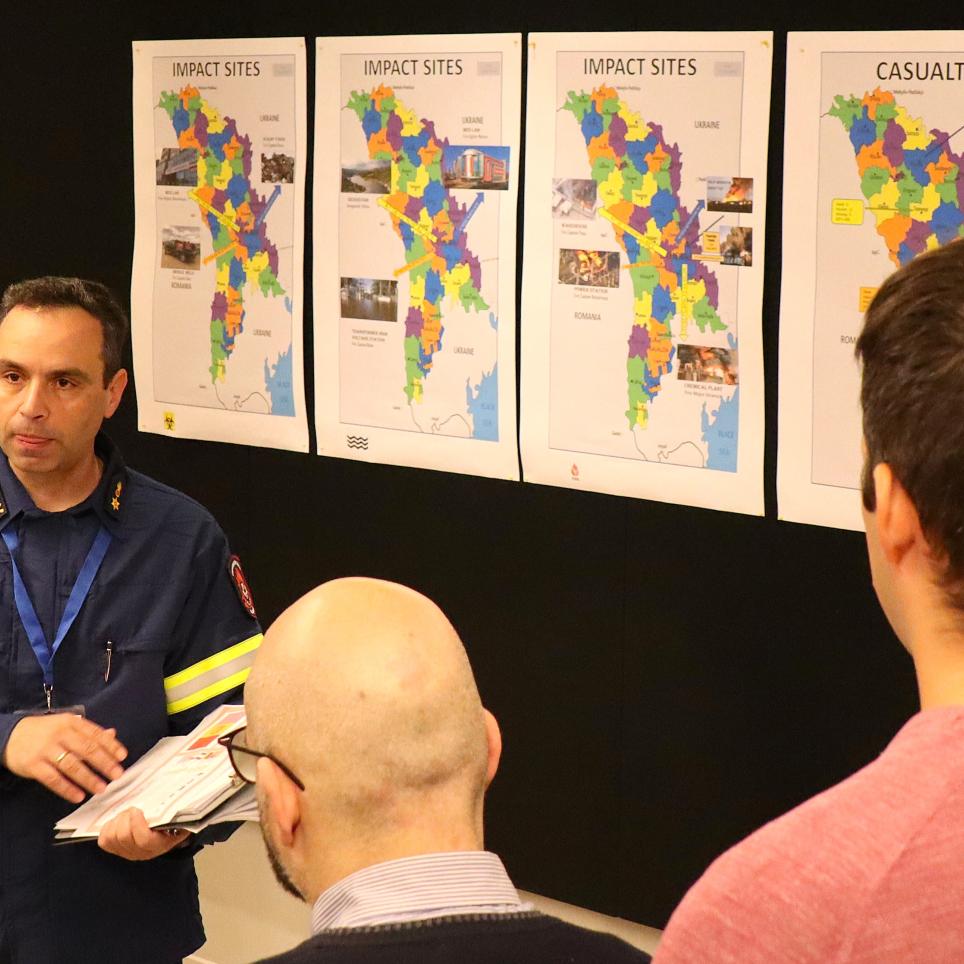
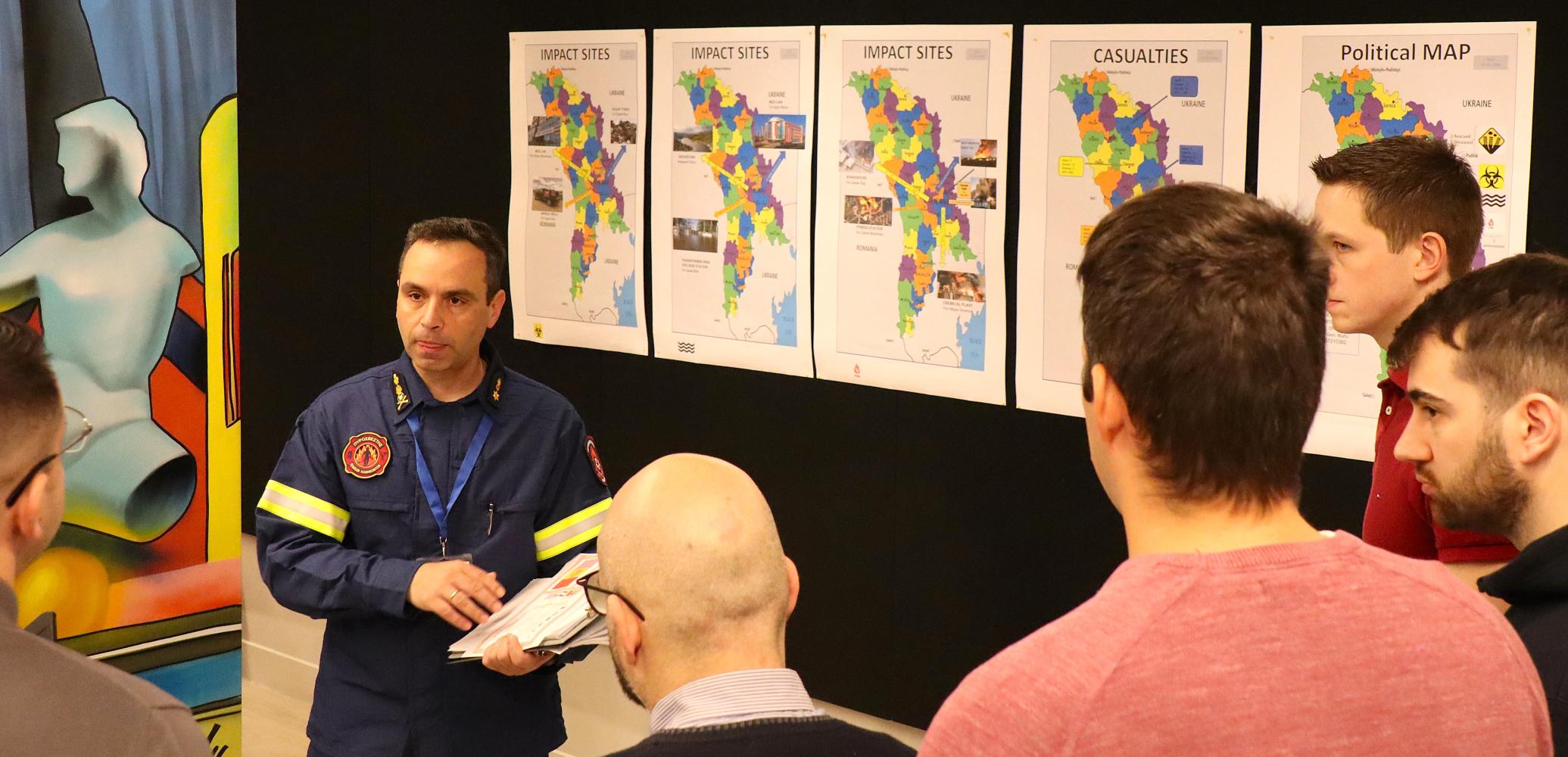
The DCC is the only course aimed at national team leaders and deputy team leaders whose teams can potentially be deployed under the UCPM. Participants are not intended for a role as EUCPT but as national experts, and they do not attend any other of our courses. We therefore go through the entire disaster management cycle, not just in theory but also in the SIMEX.
With your mission experience: how do you tailor DCC content to participants from diverse capacities while keeping focus on all mission cycle phases?
We anchor DCC content in practical realities from the field. Theory is always enhanced by detailed examples and scenario‑based discussions, allowing both experienced and less experienced participants to contribute.
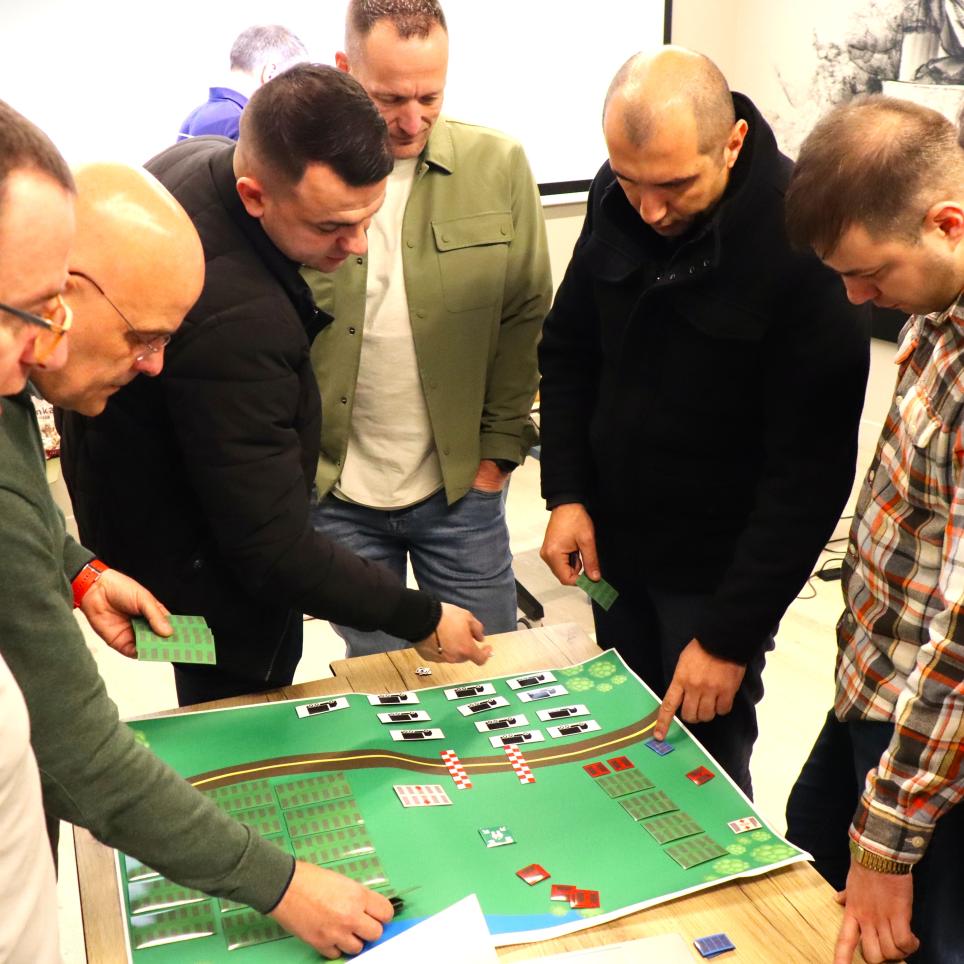
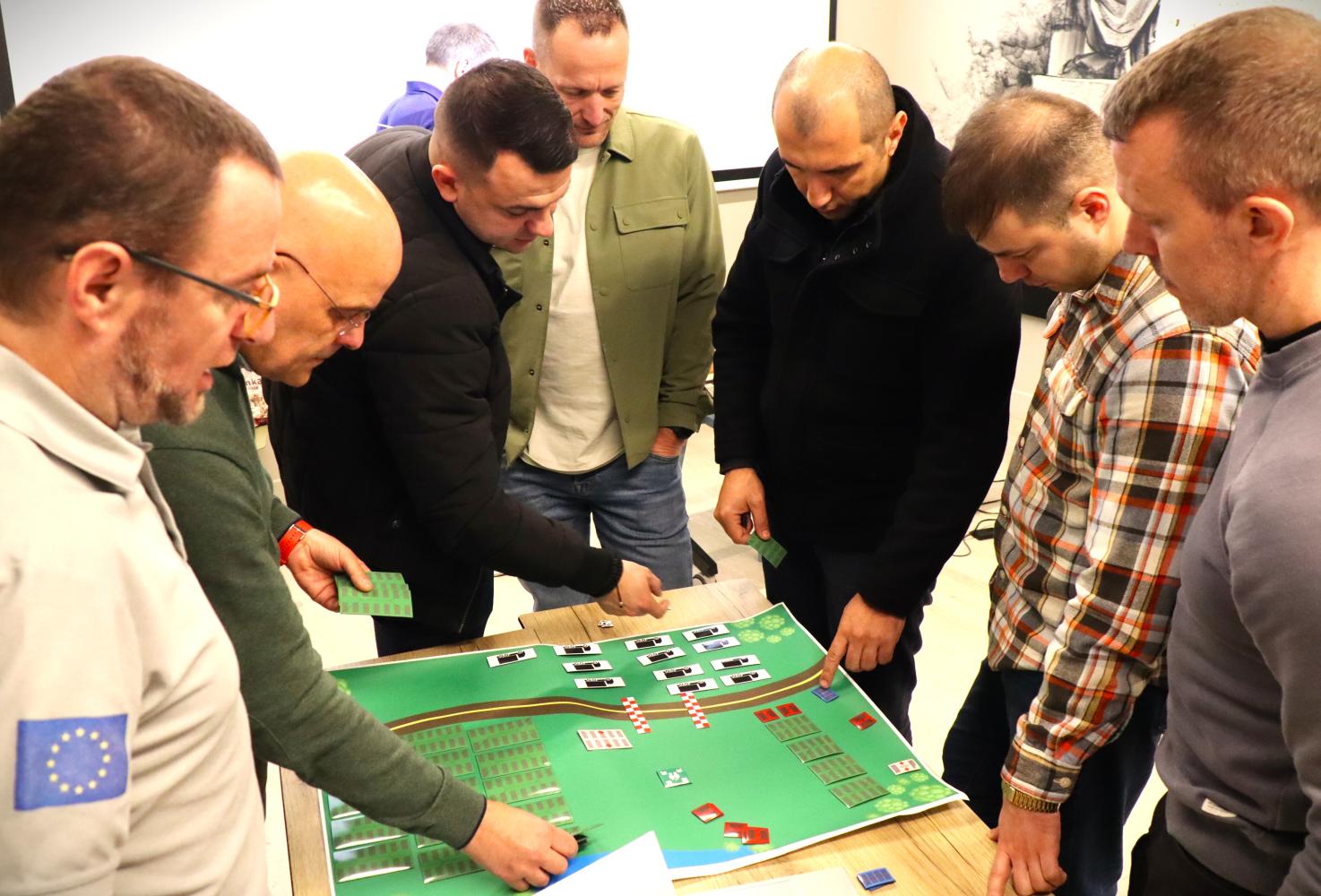
For complex operational topics such as BoO setup, RDC processes, or stakeholder mapping, scenario‑based learning and facilitated group work are most effective. Visual tools, mapping exercises, and step‑by‑step walkthroughs help break down complex processes into understandable elements.
How do you prepare national capacities for complex self‑sufficiency challenges in international deployments?
In an example scenario, teams must establish a basic operational presence in a disaster‑affected, resource‑constrained country and manage accommodation, food, water, power, communication equipment, and transport, while also handling operational tasks and coordination. Injects—such as delayed logistics, equipment shortages, or unexpected demands—highlight how quickly self‑sufficiency gaps can affect mission effectiveness. This simulation lets participants experience the consequences of planning gaps and understand why proper preparation and logistics planning are essential.
What are common gaps in participants’ prior knowledge and how do you address them?
A common gap among participants, especially national team leaders, is limited familiarity with the structures, procedures, and tools of the UCPM. Many have strong operational and leadership experience in their national systems but are less familiar with European‑level coordination and the role of the ERCC.
If participants struggle with soft skills such as media or VIP interaction or security principles, we use guided practice. For example, when a participant struggled to develop a basic Safety and Security Plan during an exercise, I took them step by step through the process—discussing key elements, simple risk assessment, and mitigation measures—while providing continuous feedback.
How does DCC best complement other UCPM courses like ODC or TLC for full deployable pathway readiness?
The DCC plays an important bridging role in the UCPM training pathway. It complements more role‑specific courses by focusing on the operational realities of deployment and helping participants develop a shared understanding of how various teams operate within the wider mission framework.
What trends in disaster response do you see shaping future DCC content?
One key trend is the increasing frequency and intensity of climate‑related disasters, which often lead to larger, more complex, and longer‑lasting international deployments. This calls for stronger emphasis on logistics planning, self‑sufficiency, and coordination in multi‑actor environments.
Another important trend is the growing overlap between humanitarian response and security challenges, as seen in the war in Ukraine. Deployments may increasingly take place in environments affected by hybrid threats, disrupted infrastructure, cyber risks, or information challenges. This places greater importance on security awareness, contingency planning, and close coordination with host‑nation authorities and international partners.
What advice do you give alumni on transferring DCC lessons to their teams or organizations?
My advice is to actively test and apply the lessons learned from the DCC! For example, try to minimise your footprint as much as possible during the next BoO exercise. By experimenting with different parameters in training, teams can identify inefficiencies, improve their self‑sufficiency planning, and adapt their set‑ups to be more flexible.
Interested in the UCPM Deployable Training Newsletter? Let us know info@tvc-academy.eu