You are about to be redirected to EU Login, our authentication service.
The UCPKN platform offers different kinds of information views based on the identification of the user, and its associated roles. If it is the first time you are logging in to the platform, your profile will be validated at the end of the process, and you will receive a label and/or associated roles on the platform based on the information provided by you.
If you are a civil protection expert active in the context of the Union Civil Protection Mechanism operations (e.g., training, exercises, deployments), make sure you are using the same email address you used for training/deployment registration for a proper creation of your profile.
Think Ahead: Strengthening citizens’ resilience in the Netherlands
By Knowledge Network – Staff memberPublished on
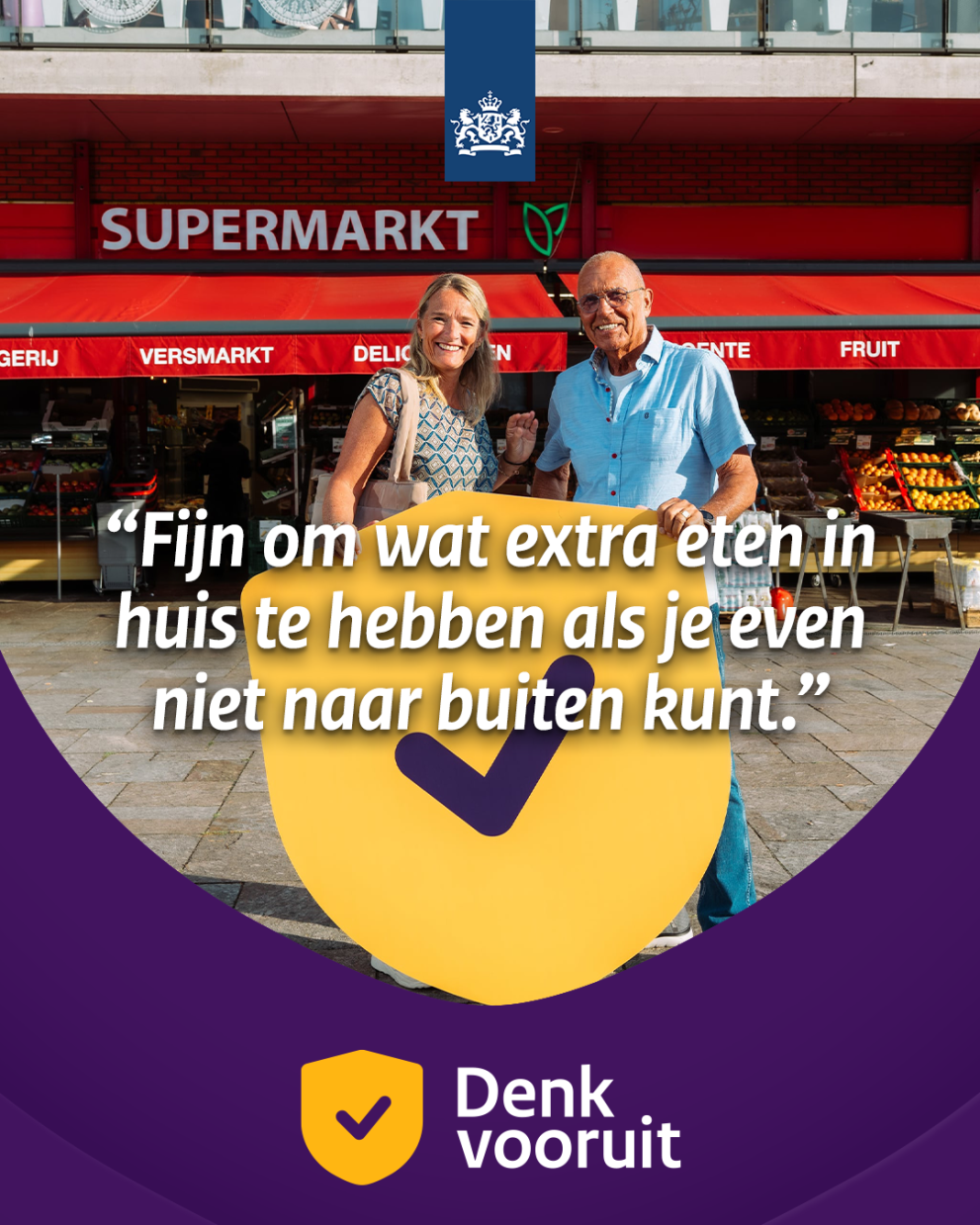
The Dutch Think Ahead campaign aims to strengthen citizen's preparedness through a long-term, whole-of-society approach. Based on behavioural research and cooperation with partners across society, the campaign encourages citizens to take practical steps towards greater resilience and self-sufficiency during emergencies.
A long-term approach to preparedness
How do you encourage millions of citizens to prepare for emergencies without creating fear or panic? This was the challenge facing the Netherlands when it launched the national Think Ahead ('Denk Vooruit')campaign, aimed at strengthening population preparedness and resilience for the first 72 hours of a crisis.
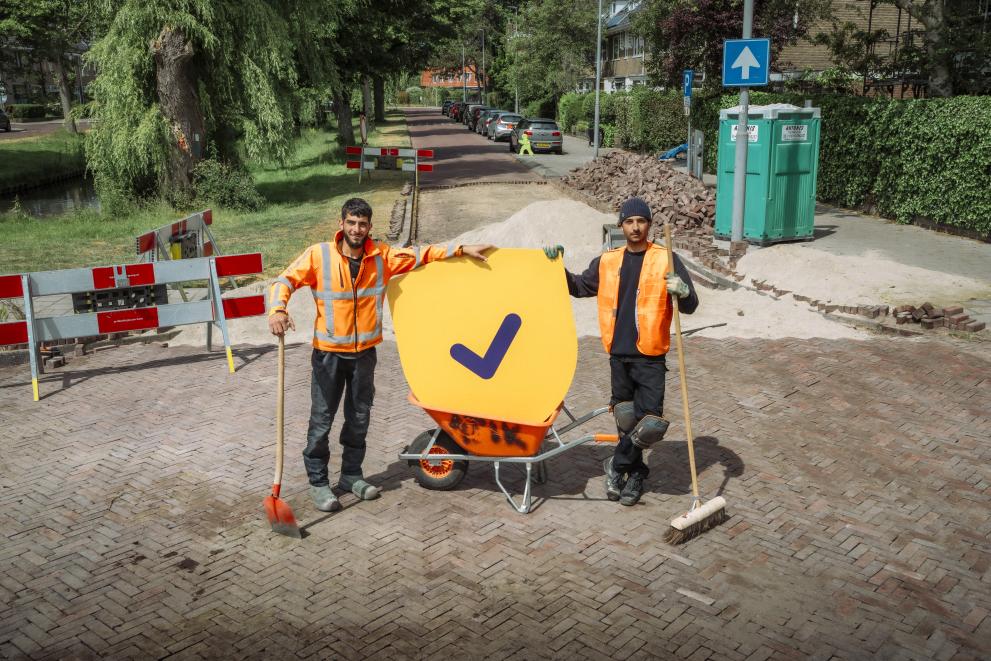
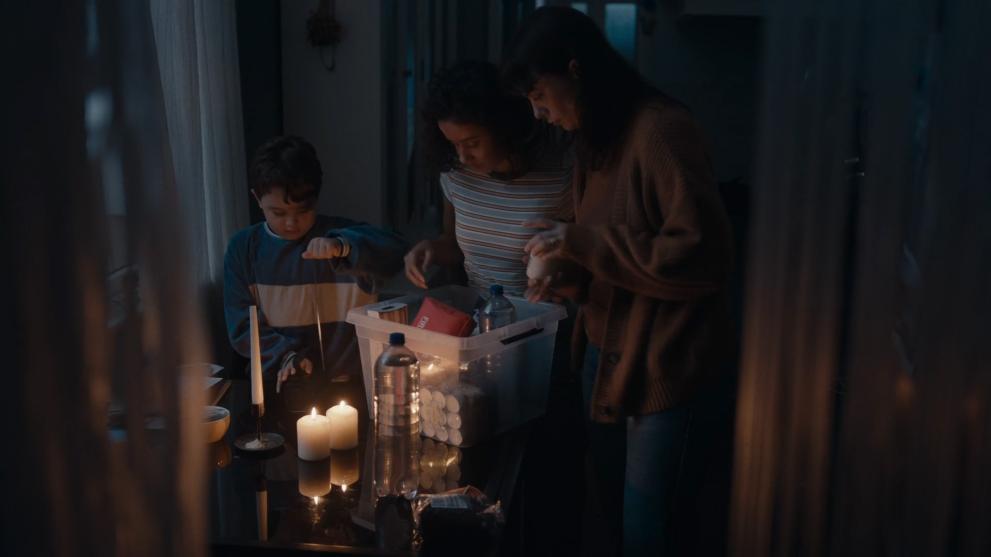
Whether faced with a prolonged power outage, flooding, cyberattacks, or other disruptions, the campaign encourages citizens to take practical steps towards greater self-sufficiency. Rather than focusing on worst-case scenarios, the campaign seeks to build resilience gradually through achievable actions and long-term behavioural change.
"It is not a one-off campaign," explains Josine Quist, Coordinating Advisor at the National Coordinator for Counterterrorism and Security (NCTV).
"We are working on long-term behavioural change. You cannot solve that with a single campaign or one information leaflet. You need a multi-year strategy.”
Josine Quist, Coordinating Advisor at the NCTV.
An evidence-based approach to build an impactful campaign
Before developing the campaign, the Dutch government invested in behavioural research to understand how prepared citizens already were and what barriers prevented further action. This research led to the creation of a "resilience ladder" containing around eighty preparedness-related behaviours, ranging from storing drinking water at home to taking first-aid training or volunteering as a reservist.
"What we saw is that people are at very different stages in their preparedness," says Quist. "You cannot immediately bring everyone to the highest level. If someone is not prepared at all, you need to go step by step." This insight became one of the campaign's core principles. Rather than expecting citizens to become fully self-sufficient overnight, the campaign focuses on small, realistic actions.
"Having an emergency radio at home is already a big step for many people," adds Tessa Erkendiep, communications officer at the NCTV. "There are many smaller steps to consider before."
The campaign was also informed by international exchanges with countries such as Sweden and Denmark, both of which have extensive experience in communicating about preparedness. However, Dutch authorities quickly realised that successful approaches cannot simply be copied from one country to another. "Sweden has a different history and culture around resilience and preparedness," says Quist. "You have to create fertile ground before introducing such messages."
A whole-of-society approach and effort
One of the defining features of Think Ahead was its broad partnership model. Ministries, municipalities, safety regions, businesses, NGOs, faith communities and volunteer organisations all contributed to spreading the message.
“A key success is that the Think Ahead message was not solely a government message,” says Erkendiep. “It truly became a message from society itself. Without our partners, we could never have reached so many citizens.”
Years before the campaign launch, stakeholder engagement had already begun. Organisations from different sectors were invited to discuss their potential role in strengthening societal resilience. Many embraced the initiative as part of their wider social responsibility.
To maximise local ownership, partners were encouraged to adapt campaign materials to their own audiences. Organisations could use their own branding, feature local community leaders and tailor the messaging while maintaining the overall objective of improving the resilience of the population. This approach significantly increased trust and reach across different target groups and demonstrated that resilience-building extends far beyond government institutions alone.
Reaching 8.5 million households
The public launch of the campaign was impossible to miss. On 17 November 2025, a nationwide media campaign titled "The Netherlands Goes Dark" briefly interrupted screens and broadcasts across the country. For 35 seconds, advertisements, information screens and public displays appeared to stop functioning, prompting citizens to consider what they would do if critical infrastructure suddenly became unavailable.
"That was meant to feel uncomfortable," recalls Quist. "People suddenly realised: what if everything goes down?"
The campaign culminated in the distribution of a preparedness booklet to approximately 8.5 million households. To ensure accessibility, the material was made available in 9 languages and multiple formats, including easy-to-read versions, animations, sign language, audio and braille.
The communication strategy followed a deliberate sequence:
Communicate on the possible threats
Communicate on what the government is already doing
Communicate on what citizens can do themselves
"Only when people understand what is happening and what the government is doing, you can ask them to take action themselves."
Josine Quist, Coordinating Advisor at the NCTV.
Impact: awareness, action and debate
Follow-up surveys suggest that the campaign successfully reached a large proportion of the Dutch population. Approximately 91% of respondents reported receiving the booklet, while 57% said they had read it. Most importantly, the campaign appears to have encouraged action. Among those who read the booklet, 58% reported taking at least one preparedness measure afterwards, such as assembling an emergency kit, storing supplies or discussing preparedness with family and friends. Overall preparedness levels increased. According to the NCTV, the share of citizens taking some form of preparedness action rose from approximately 30% in 2024 to 44% after the campaign.
However, the evaluation also revealed important challenges. Some citizens felt overwhelmed by the media attention surrounding the campaign. Others questioned the focus on war-related scenarios, which featured prominently in the media, or felt that too much responsibility was being placed on individuals. A recurring issue concerned the concept of 72-hour self-sufficiency. “People wonder: what happens after those initial 72 hours?” says Erkendiep. “We need to explain that better.”
The research also revealed generational differences. Younger people tended to feel less confident about their ability to cope during emergencies and were more likely to experience anxiety after reading the preparedness information. Quist is not entirely surprised by these findings: “Young people tend to be overexposed on online platforms to highly negative messages and images of wars, and they often feel helpless in the face of such large-scale emergencies.” As a result, the next phase of the campaign will place greater emphasis on concrete scenarios and local risks, such as wildfires and flooding, as well as on digital communication channels that resonate more strongly with younger audiences.
For the Dutch team, one lesson stands above all others: preparedness campaigns cannot succeed in isolation. "The most important lesson is to work together with partners that are already embedded within society and reach different target groups," says Quist. "You simply cannot do it alone."
Another key recommendation is to invest in baseline research before launching a campaign. Without understanding existing attitudes, behaviours and knowledge gaps, it becomes difficult to design effective interventions or measure impact afterwards.
The Dutch experience also highlights the importance of viewing preparedness as a long-term societal project rather than a short-term communication exercise. As Erkendiep concludes: "If people think, 'I can do something, even something small', then you are already one step further."