What are the biggest know-how gaps to address in the 22nd training cycle?
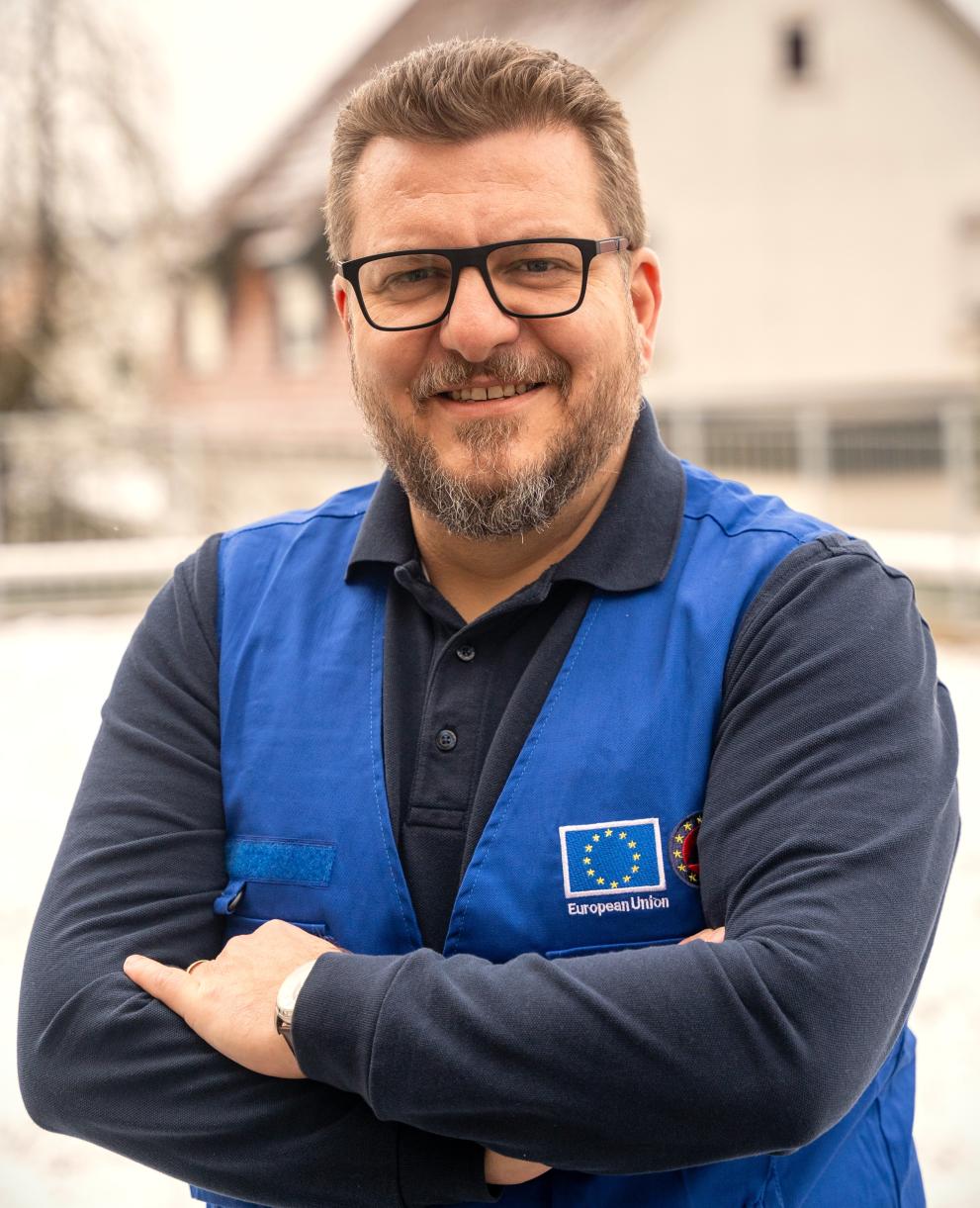
Claus HOELLEIN: Participants are technically and operationally well prepared, but soft skills under stress remain a challenge: active listening, conflict resolution in multicultural teams, and self-regulation in high-pressure settings. There is also often limited clarity on mandates, coordination mechanisms, and the roles of international actors. Negotiation and diplomatic skills—particularly with local authorities, military actors, and political stakeholders—need further strengthening. Media handling and strategic communication are further areas we will address through targeted exercises, peer feedback, and realistic, time-pressured scenarios.
Let’s double-click on the new participants’ performance assessment & evaluation process. How will it improve our courses?
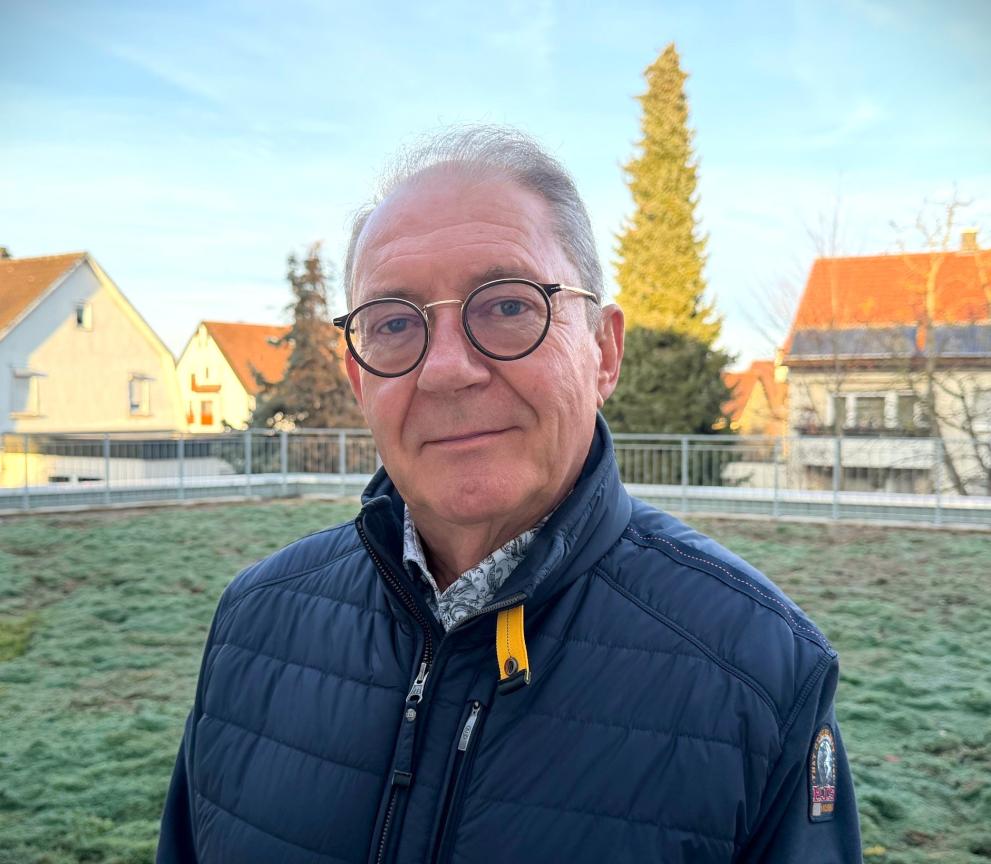
Achim POPA: The new process makes feedback more transparent, consistent, and development-oriented. Instead of focusing mainly on final outcomes, it defines clear competencies and behavioural indicators and provides structured feedback at several points during the course. Participants better understand their strengths and development needs, while we gain data on learning progress and course effectiveness to adjust content, methods, and support.
Information management—from new software and AI tools to stakeholder communication—is becoming more important. How do you address this?
Claus HOELLEIN: Information management is now a core competency. We address it technically, analytically, and communicatively. Participants learn about operational tools and emerging AI-supported solutions for data collection, analysis, and situational awareness - not to become IT specialists, but to understand their potential and limits in decision-making.
Achim POPA: Analytically, we focus on filtering, validating, and synthesising information for different stakeholders, including host authorities, cluster leads, donors, and the public. Communicatively, participants practise translating complex information into clear, accurate messages while respecting operational security and ethical standards.
Do you consider the consortium well-positioned to develop the UCPM Deployable Training Programme further?
Achim POPA: Yes, I do. The consortium combines operational experience, training expertise, and a shared commitment to the UCPM’s mission. Our teams have shown they can deliver complex, multi-format courses under tight timelines and in diverse contexts. But we must remain agile in curriculum development, systematic in capturing lessons learned, and intentional in building a strong community of practice among trainers, lecturers, and alumni. If we continue to invest in our people, methods, and networks, I am confident we can shape the UCPM Deployable Training Programme into a reference point for crisis-management training in Europe and beyond.