
The Preparedness Union Strategy outlines population preparedness as a collective, whole-of-society responsibility. Recent Eurobarometer surveys show that in 2024, almost half of Europeans (49%) did not feel well-informed about disaster risks that could affect them and 65% of them need more information to prepare for disasters or emergencies. The Forum is a timely occasion to look at what has already been achieved in the implementation of key actions on 72-hour population self-sufficiency, promoting preparedness in youth programmes and increasing awareness about risk and threats.
The panel will explore how actions of different stakeholders – governments, NGOs, civil society and youth organisations – can form a cohesive approach to population preparedness that will support EU citizens and communities to become active participants in crisis preparedness and response efforts.
Population self-sufficiency aims to alleviate the burden on emergency services in the critical timeframe after a disaster, strengthen psychological preparedness, and increasing societal resilience. The panel will discuss how to navigate complex and potentially frightening messages, reach diverse target groups and build a culture of preparedness
Community-based efforts are as important as governmental population preparedness programmes. are. Youth involvement and informal education are vital to empower the next generation of resilient citizens. Panellists will discuss how civil society organisations and NGOs can complement national and EU-level efforts by reaching citizens in their daily lives and through trusted partners. They will look at how to mobilise large volunteer pools and build prepared communities.



Today’s interconnected risks—from climate change and extreme weather to health emergencies and armed conflicts—can trigger cascading effects, disrupt critical infrastructure and essential services, and test societal resilience. Risk communication is therefore a strategic capability that helps people understand threats, trust official information, and take timely protective action. However, misinformation and disinformation can erode trust, weaken early warnings and delay action. Effective communication requires cooperation among authorities, international organisations, trusted media, civil society and local communities. The panel will explore how to integrate risk communication throughout the disaster risk management cycle, from prevention and preparedness to response and recovery. Drawing on lessons from recent crises, it will focus on:
- strengthening trust,
- countering false information,
- improving early warnings,
- and building partnerships capable of turning warnings into early action.


The Preparedness Union Strategy stressed preparedness as a collective responsibility and recognised the vital role of social partners. The Action Plan underpinning its implementation announces the organisation of a Social Partners Preparedness Summit to enhance their involvement in developing initiatives that strengthen preparedness and exchange good practices.
The panel session will provide, ahead of the Summit to be organised in 2027, an opportunity for a discussion on the contribution of social partners to preparedness and to share good practice. Panellists will discuss issues related to preparedness at the workplace (e.g. how to anticipate and be ready, business continuity, health and safety and protection of the existing rights of workers in crisis situations) and how to preserve vital functions of the economy and public services also looking at specific challenges and preparedness requirements at relevant sectoral level.

As wildfire risk across Europe increases, inclusive, collaborative, coherent, and cross-sector disaster risk management is increasingly recognised as essential. The recent Communication on Integrated Wildfire Risk Management published by the European Commission in March 2026 recognises the whole-of-government and whole-of-society approaches towards better societal resilience, in line with the Preparedness Union Strategy. The panel will discuss emerging challenges and opportunities in wildfire risk governance, including innovative partnerships, tools on risk education and the role of local authorities in citizen engagement. It will explore the perspectives of both traditional and newly emerging fire-prone countries, highlighting the need for enhanced international knowledge exchange to tackle the rising risk of extreme wildfire events. The session aims to share practical ways of connecting practitioners, society and science, to support a more resilient Europe.

Armed conflict has returned to Europe and its potential spread to EU Member States cannot be ruled out. External aggression against EU Member States can take the shape of hybrid attacks, conventional warfare, and attacks on civilian infrastructure aimed at demoralising the population.
The Swedish Civil Defence and Resilience Agency and the European Commission, DG ECHO are organising a workshop on how to strengthen civil-military cooperation with a view to confront emerging threats. The workshop will share national examples on the use of planning assumptions and analyse what added value the EU can provide to the overall resilience of the Union.
Discussions will address civil-military cooperation regarding (but not limited to) dual-use infrastructure.

In an era marked by escalating climate-related hazards, renewed security threats, and increasing budgetary pressures, innovation is essential for enhancing our efficiency and effectiveness in disaster risk management and crisis preparedness. AI has the potential to transform how civil protection and disaster risk management operate with many tools already available today. However, a crucial gap remains between prototype solutions and uptake into operational environments.
This session will present current initiatives and Member State and EU level, showcase good examples of AI integration at operational level and present the results of a recent needs assessment with UCPM Member and Participating States on priority areas for AI scale-up. In an interactive discussion participants will explore challenges and identify avenues to increase the use of ethical and trustworthy AI with the potential to increase the efficiency of civil protection operations.

The panel will offer practical reflections from Ukraine aligned with the Preparedness Union Strategy. It will focus on risk anticipation, coordination across actors, operational readiness, long-term system strengthening, and adaptive capacity.
Three examples will be highlighted:
- Ukrainian Red Cross Society (URCS) and the State Emergency Service of Ukraine (SESU) cooperation – a discussion on joint emergency response for winterisation, including ‘Invincibility Points’, showing how humanitarian aid and civil protection reinforce each other.
- Veterans’ reintegration – with up to five million veterans and family members needing support, the Government of Ukraine and the URCS will illustrate approaches to medium- and long-term veterans’ integration into economic, social, and community structures, including through civil protection activities.
- Medevac – beyond cross-border evacuations, Medevac in Ukraine has also helped strengthen national internal treatment capacity through reinforced local health systems allowing care to continue under wartime conditions.
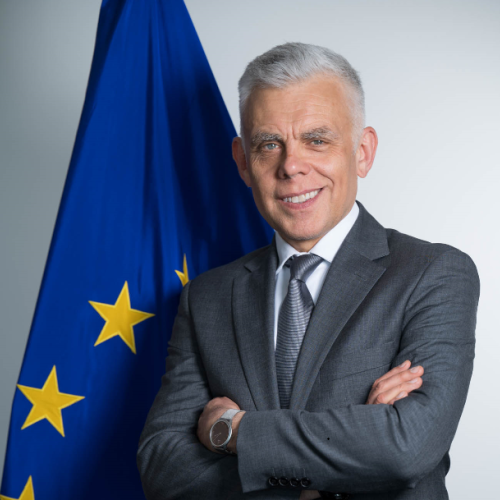
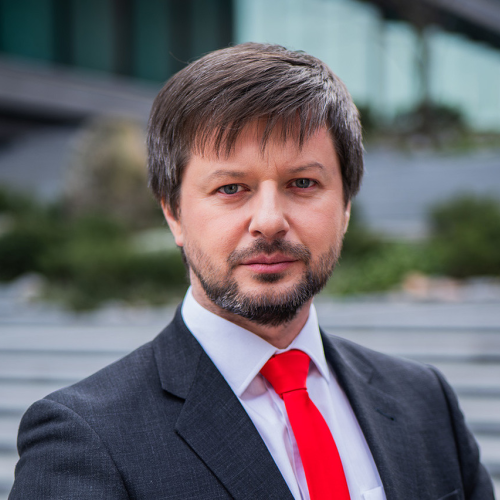
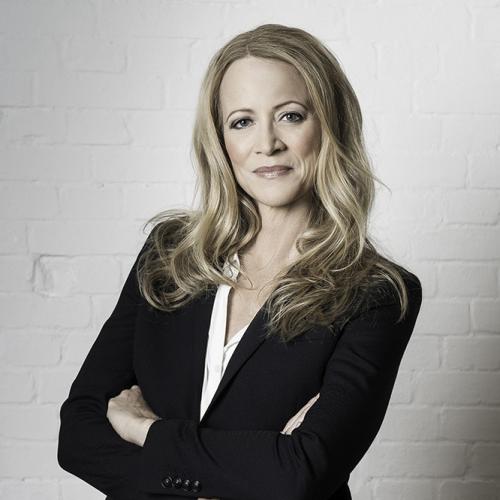
The panel will discuss how city networks and EU partnerships strengthen local civil protection, from earthquake and flood risk to tsunami preparedness. Ahead of World Tsunami Awareness Day (5 November), it will show how coastal and inland communities translate EU frameworks into locally owned action. Speakers bring complementary experience: Portugal's National Network of Resilient Cities and Towns and its Making Cities Resilient 2030 (MCR2030) Resilience Hub in Matosinhos; DG ECHO's Tsunami Ready Programme, which strengthens coastal preparedness in Portugal; and cities in Albania, North Macedonia and Serbia that advance local disaster risk reduction under MCR2030 Resilience Hub.
The panel will explore what effective local civil protection looks like, including for tsunami risk; how EU tools can better empower cities to lead preparedness; and what lessons from Tsunami Ready and MCR2030 can be scaled across regions and risk types. It will close with reflections on strengthening the local dimension of civil protection, from coastlines to inland cities.
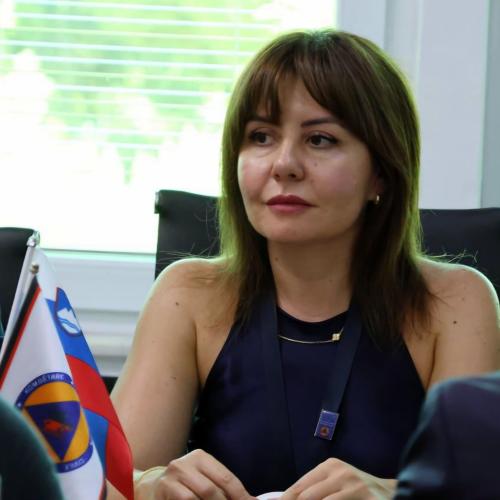
This panel aims to generate a dialogue around strengthening coherence, coordination, and accountability across Climate Change Adaptation (CCA) and Disaster Risk Reduction (DRR) governance frameworks. Responding to European frameworks such as the Preparedness Union Strategy, EU Climate Adaptation Strategy, and the upcoming Integrated Framework on European Climate Resilience and Risk Management, this Panel will aim to advance practical pathways to close persistent integration gaps across DRR and CCA policy priorities at EU, national, and municipal levels. The panel will address three interconnected areas:
- Strengthening coordination and collaboration across governance levels.
- Aligning policy frameworks, incentives, and accountability mechanisms.
- Reinforcing adaptive and inclusive governance that enables whole-of-society resilience.



From a pioneering pilot initiative inspired by the European Parliament, the ARISTOTLE partnership has evolved into a unique operational scientific support system serving the Union Civil Protection Mechanism (UCPM). What began as a single partnership has now grown into four operational partnerships delivering 24/7 scientific support for emergency response operations worldwide. This represents an unprecedented collaboration across Europe.
This interactive workshop aims to engage the audience on current and future operational science support. Through a simulation, participants will be immersed in realistic compound and cascading disaster scenarios that require rapid scientific support and operational coordination. Taking on the role of emergency managers working in an Emergency Response Coordination Centre (ERCC)-type environment, they will explore the type of scientific support that can be requested during emergencies and interact directly with scientists.



Across Europe, volunteers remain an essential pillar of disaster preparedness and response, from trained emergency response volunteers to spontaneous community responders, and those supporting overstretched health, social, and care systems. The workshop will examine how to enable and strengthen these capacities, ensure safe and effective deployment, and guarantee appropriate protection and insurance for all front-line volunteers.


This session marks the launch of the EU Public-Private Preparedness Task Force. It will present its founding rationale and model, aligned with the Preparedness Union Strategy.
The Task Force's first work strand is to contribute to the Minimum Preparedness Requirements (MPRs), expected as a Commission Recommendation by end 2026. Access to essential goods during emergencies – under the MPRs' ’material preparedness‘ pillar – illustrates how the Task Force will mobilise sector-specific, industry-led cooperation once the MPRs apply.
To ground the launch in practice, the session brings together national initiatives that already demonstrate this model: corporate emergency preparedness cooperation and Nordic approaches to emergency stockpiles, alongside a private-sector partner on financing and sustainability. The panel will discuss how these models feed into the EU-level Task Force, what incentives drive private-sector engagement, and how the Task Force can accelerate collective preparedness across Europe.


Since Russia’s full-scale invasion of Ukraine, more than 5,200 patients have been medically evacuated through the Union Civil Protection Mechanism (UCPM) to receive specialised treatment in 22 countries. Over the past years, the UCPM Medevac system has proven its adaptability across different contexts and continues to provide vital support to Ukraine’s healthcare system, while also responding to other health emergencies, including Gaza and mass-burn casualty incidents in Europe.
The panel brings together key stakeholders from Member States and NGOs involved in Medevac operations to combine lessons learned from Ukraine with practical discussions on preparedness for large-scale medical evacuations at national and European level.
During the discussions, panellists will discuss the role of the Medevac hub in Poland and examine the concept of Medevac hubs as part of Europe’s wider preparedness architecture. The session will also explore how innovative solutions could address gaps in in Medevac transport capacities.




This session will explore how education can be systematically used as a cornerstone of disaster preparedness, linking schools, civil protection authorities, and communities to strengthen long-term risk awareness and resilience. It will focus on how preparedness in education can be embedded across formal education systems and will reflect on how to prepare children, teachers and schools to prevent, understand, react to and recover from crisis.
The session responds to growing recognition that preparedness is not only a technical or institutional challenge, but also a societal one. It requires early engagement with children and young people, teachers, families, and local communities. Education systems offer a powerful entry point to build risk literacy, promote protective behaviours, and foster a culture of prevention. The session aims to foster cross-sector dialogue between education and civil protection communities and support practical uptake of preparedness education across the Union.




As Europe advances toward a more anticipatory and integrated Preparedness Union, this session brings together scientific, policy, and operational perspectives from the Commission, Member States, and the European Environmental Agency (EEA)/European Climate Risk Assessment (EUCRA). It will examine how stakeholders assess understand, and prevent risks in an increasingly complex landscape. The session will cover key frameworks, including the EU Comprehensive Risk and Threat Assessment (CoRTA), National Risk Assessments under the Union Civil Protection Mechanism (UCPM), EUCRA, and sectoral approaches under the Critical Entities Resilience (CER) and Network and Information Security (NIS2) directives.
Focusing on practical use rather than methodology, the workshop will explore how European, national, and sectoral assessments can better inform preparedness, resilience planning, and investment. It will consider how to improve the quality, usability, and interoperability of these assessments. By bringing together different stakeholders from EU and national levels, the session will address how to build a more coherent and actionable EU risk assessment ecosystem.



The workshop is based on three key assumptions: that people and communities possess knowledge and skills to support those affected by disasters; that effective preparedness and response must involve social spaces such as families, neighbourhoods, clubs, institutions and media networks; and that professional expertise must connect with citizen-led initiatives.
The workshop will explore mental health and psychosocial support (MHPSS) as an essential part of civilian protection before, during and after disasters, with particular attention to young people. It will introduce evidence-based principles for early- and medium-term interventions that strengthen safety, calm, individual and collective efficacy, connectedness and hope (Hobfoll et al., 2007).
The workshop will present operational examples and invite participants to share their experience and ideas. The aim is to strengthen initiatives and develop practical guidance for preparing communities, supporting effective responses and building resilient societies.