

13:00 – 13:20 | Juan Caamaño, Pau Costa Foundation
Science and operations together: building knowledge and capacity on Extreme Wildfire Events --
Extreme Wildfire Events are reshaping the conditions in which wildfire risk is understood and addressed across Europe. The strategic challenge is to move from learning after extreme events to recognising the processes that drive them, anticipating escalation and bringing that knowledge into earlier decision-making.
The Speakers’ Corner will connect fire science, real incident data and operational experience, including lessons from recent wildfire seasons. EWED established a basis for understanding extreme fire behaviour and pyroconvection from observed events. ODET is advancing this work towards operational application, linking scientific knowledge with forecasting, situational awareness and decision-making.
The next step is to turn this knowledge into lasting European capacity: a shared ability to understand extreme wildfire dynamics, learn systematically from real events and act on that knowledge. The presentation will show how bringing science and operations together can support this shift, translating lessons and scientific advances into forecasting, situational awareness and operational decision-making.
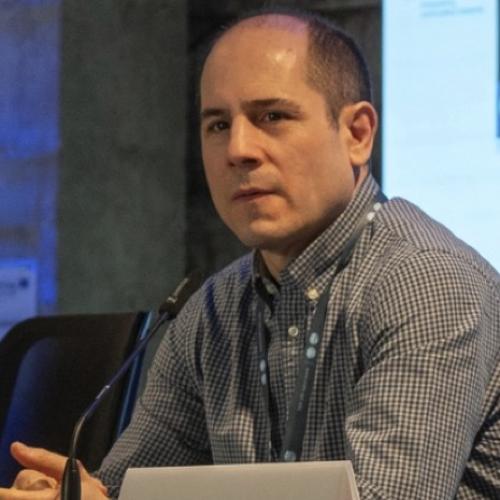
13:20 – 13:40 | Marc Berenguer, INLINE project
Integrated pan-European rainfall and floods impact forecasts for cooperation in emergency management - INLINE project results --
The EU-funded INLINE project enhances European early warning capabilities by integrating real-time impact forecasts into emergency management for storms, heavy rainfall, and floods. INLINE combines high-resolution radar rainfall composites with NWP forecasts, ML-based hazard models, and exposure and vulnerability datasets to assess expected impacts. Crucially, INLINE adapts its outputs to end-user needs by enabling the integration of local high-resolution datasets and customized notifications. The added value of the project's results is evaluated using a multi-criteria framework during a 15-month real-time demonstration, engaging an active Community of Interest of operational stakeholders comprising organizations from over 20 states. Ultimately, the project will upgrade the radar-based flash flood impact layers of the Copernicus Emergency Management Service for floods (EFAS).
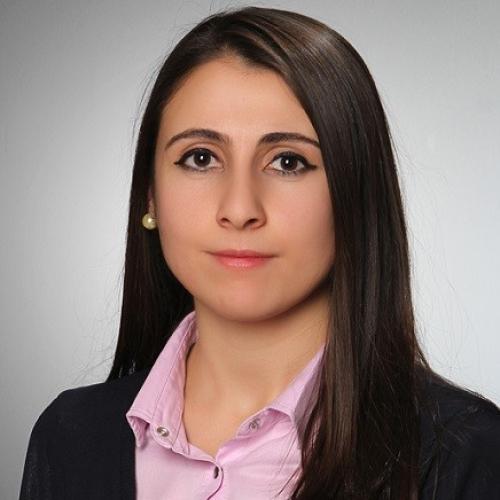
13:40 – 14:00 | Azize Minaz, Turkish General Directorate of State Hydraulic Works, DSI
Enhancement of the Flood Early Warning System in Samsun (Türkiye) and Communication Strategy --
The presentation will provide an overview of the results of the project “Enhancement of the Flood Early Warning System in Samsun and Communication Strategy” in Türkiye financed by the Technical Assistance Financing Facility for Disaster Prevention and Preparedness (TAFF) and implemented by the World Bank and GFDRR. It will present the main findings of two key project outputs: the technical assessment of Türkiye’s flood forecasting and early warning system, with a pilot assessment in Samsun, and the Risk Communication Plan developed for the Flood Early Warning System in Samsun. The presentation will summarize the assessment of existing technical and institutional arrangements, comparison with international practices, the pilot flood damage assessment in Terme, and recommendations for strengthening flood forecasting and early warning. It will also present findings from field studies, stakeholder consultations, workshops and training activities, together with recommendations on warning messages, communication channels, institutional coordination, community engagement, accessibility and preparedness. The presentation will conclude with key lessons from the Samsun.
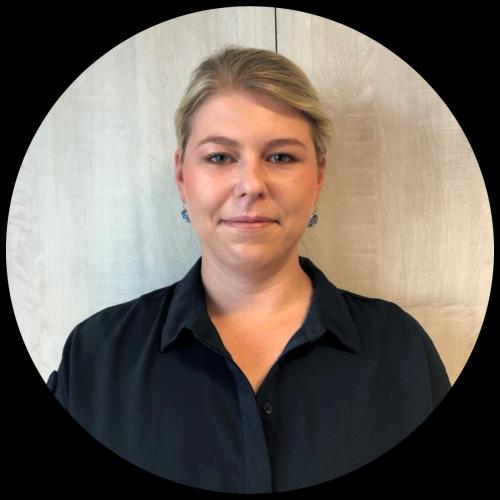
14:00 – 14:20 | Marie Sattler, Luxembourg Fire & Rescue Corps (CGDIS)
Growing Up Ready: Youth Fire Brigades for a Resilient Society --
How can today’s children become tomorrow’s lifesavers? Beyond formal education, youth fire brigades offer hands-on opportunities to learn first aid, fire safety and teamwork. These experiences prepare young people to help themselves and others in emergencies and can spark a lasting commitment to firefighting and civil protection.
In Luxembourg, youth fire brigades have a long tradition, with many of our operational firefighters having joined at the age of eight. A dedicated national association, founded this year, aims to strengthen these youth sections and better support their mainly volunteer leaders.
This session explores the opportunities and challenges of running youth fire brigades. How to help young people develop practical skills, confidence and a sense of responsibility, while keeping them engaged in an era of social media and virtual reality. How can we build on this tradition to meet young people’s changing needs and prepare them to contribute to a safer and more resilient society.

16.30 – 16:50 | Max Steinhausen, DIRECTED project
DIRECTED Project – Strengthening Europe’s Climate Disaster Resilience --
DIRECTED is a Horizon Europe-funded project bringing together researchers, public authorities and first responders to improve disaster risk management in the face of climate extremes. By integrating data, tools and expertise, and fostering collaboration across sectors and regions, the project aims to strengthen preparedness and response to floods, droughts, heatwaves, forest fires and storms, helping build a more climate-resilient Europe.
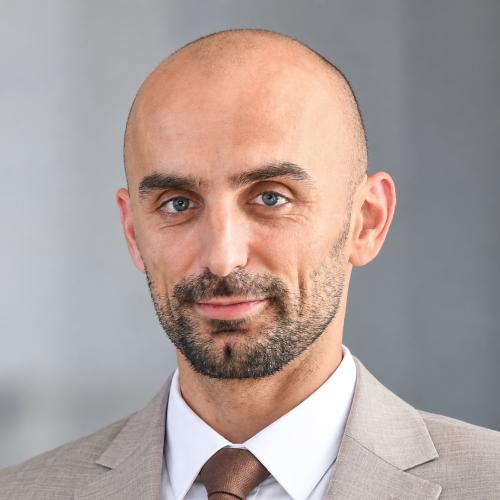
16:50 – 17:10 | Zlatko Micanovic, Montenegrin Operational Communication Centre
TAFF project Montenegro: Enhancing Disaster Resilience and Continuity of IT Infrastructure and Services in the Operational Communication Center 112 --
This presentation will present the findings of the Diagnostic Gaps and Needs Assessment conducted under the Technical Assistance Financing Facility for Disaster Prevention and Preparedness project "Enhancing Disaster Resilience and Continuity of IT Infrastructure and Services in the Operational Communication Center 112". It will examine Montenegro’s current emergency communications and coordination system, including institutional arrangements, operational processes, and technical capacities. The session will highlight key challenges and capacity gaps affecting the effectiveness of emergency communications and inter-agency coordination, while considering these findings in the context of EU standards and Montenegro’s EU accession process.
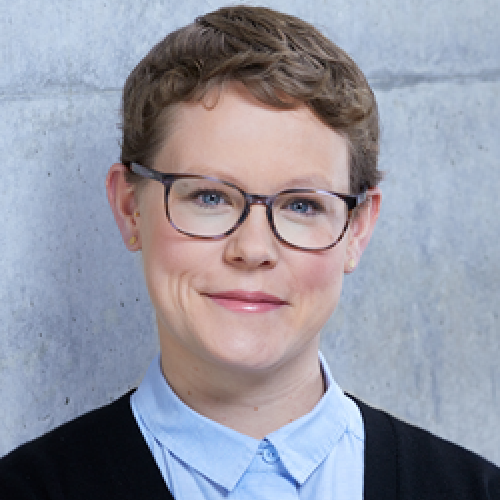
17:10 – 17:30 | Dr. Claudia Berchtold, DARE project
Enhancing interoperability and volunteer integration in European response operations through capability descriptions and digital tools --
Some challenges are repeatedly reported for large scale incidents. These include among others the integration of multiple agencies (interoperability) as well as of spontaneous volunteers into operational structures. They can be addressed through procedural and technological innovation. Inspired by the INSARAG community, the DARE project co-develops capability descriptions based on operational procedures for wildfire and flood resources. Together with a catalogue of different Command and Control Structures across Europe, they will be made available in an open-source Dashboard, allowing for the digital sharing of incident information between involved stakeholders. In addition, DARE develops an AI-based match-making application VolunTinder facilitating incident command posts with to design dedicated tasks for spontaneous volunteers.

17:30 – 17:50 | Marion Bazin, SIVAC project
I-SIVAC: Strengthening Victim Support and Information Management Across the Crisis Cycle --
The I-SIVAC project aims to significantly strengthen the Interministerial Information System for Victims of Terrorist Attacks and Disasters (SIVAC), managed by the French Ministry of Justice. The project seeks to make SIVAC a central tool supporting public authorities throughout the entire crisis cycle — from the immediate management and identification of victims following a major incident to their longer-term support and follow-up.
Launched in April 2019 in response to lessons learned from the 2015 and 2016 terrorist attacks in France and Hurricane Irma in 2017, SIVAC supports the counting, identification, support and long-term monitoring of victims and their loved ones following major incidents involving large numbers of people. I-SIVAC builds on this experience to strengthen coordination and information management across the short-, medium- and long-term phases of a crisis.
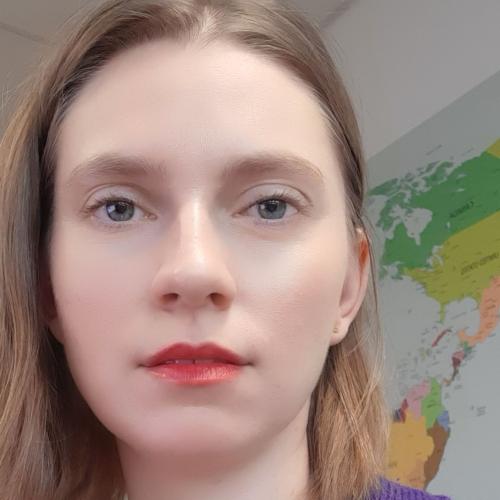
13:00 – 13:20 | Krystyna Sikorska, Polish Government Agency for Strategic Reserves (RARS)
Working together, working successfully: ensuring EU visibility during UCPM operations --
Co-moderated by Yolanda Valassopoulou, Team Leader for Emergency Communications at DG ECHO, the Polish Government Agency for Strategic Reserves (RARS) will present its experience in coordinating communication and visibility efforts with the EU, UCPM participating countries and other stakeholders during the repatriation operations carried out in March 2026, following the escalation of tensions in the Middle East.
The presentation will highlight the collective efforts to raise awareness on the European efforts to help bring citizens home and explain how effective communication can highlight both the EU support and the solidarity efforts of the countries involved, ensuring greater public recognition of this collective European action.
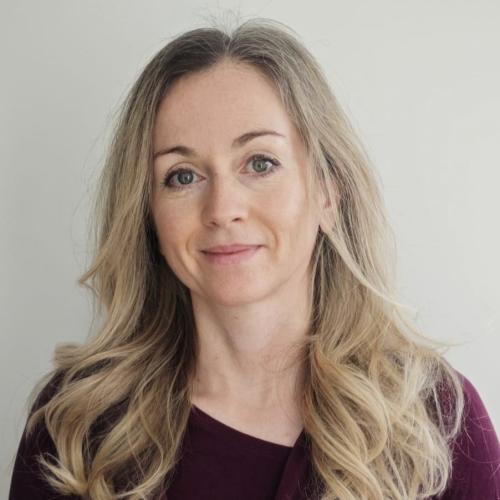
13:20 – 13:40 | Veronica Casartelli, Euro-Mediterranean Centre for Climate Change (CMCC)
Learning from each other, strengthening resilience together: the UCPM Peer review programme --
What happens when a country opens its doors and invites peers to take an honest look at how it manages disaster risk? Under the Union Civil Protection Mechanism, peer reviews bring together experts from Member States, Participating States, eligible third countries and European Neighbourhood Policy countries to discuss national and regional approaches to disaster risk management, highlighting strengths and areas for improvement. No audits, no evaluations: just a frank exchange between practitioners facing the same fast-changing risk landscape. The host gains fresh perspectives and practical recommendations; the reviewers return with ideas for their own systems. Every review adds to a shared pool of good practice and builds lasting relationships and friendships. Join us to discover why learning from each other is such a powerful way to strengthen resilience together, and how you can take part as host or peer!
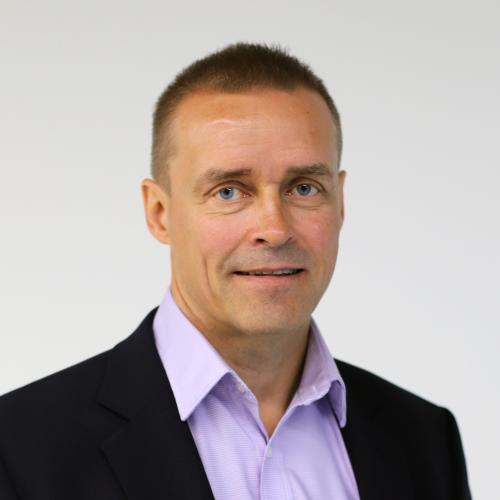
13:40 – 14:00 | Pekka Tiainen, Finnish Civil Protection Authority
The UCPM Advisory Mission to Greenland: Strengthening Arctic Resilience from the Team Leader's Perspective --
How does the EU Civil Protection Mechanism (UCPM) help nations prepare for crises before they strike the heart of the Arctic? This presentation offers unique firsthand insights into the recent UCPM advisory mission to Greenland, delivered directly from the Team Leader's perspective.
As climate change accelerates, the Arctic faces rapidly growing risks from natural hazards, including landslides, tsunamis, and floods. In this session, you will learn how an international team of experts worked alongside Greenlandic and Danish authorities to assess their crisis management system, operational capabilities, and Host Nation Support frameworks.
The presentation will highlight the strategic role of advisory missions in building long-term resilience, the complexities of evaluating emergency planning in remote environments, and the vital recommendations crafted to safeguard communities in one of the world's most vulnerable regions.
14:00 – 14:20 | Kimy Brehme, Representative European Citizens’ Panel
From Citizens to Change: A Young Voice on Preparedness --
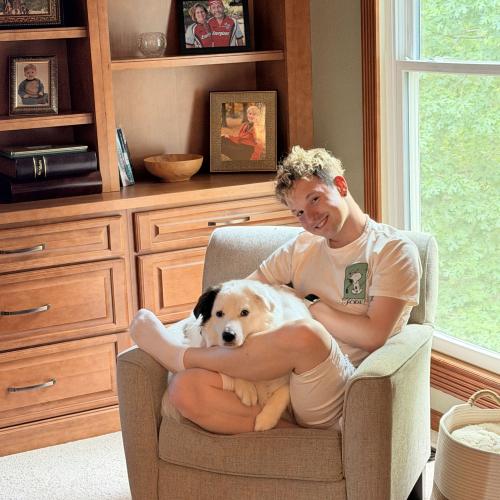
Kimy Brehme, a young participant in the EU Preparedness Citizens’ Panel, will share his experience of taking part in the Citizens’ Panel and reflect on the role of young people in shaping Europe’s approach to preparedness. The Citizens’ Panel brought together citizens from across the EU to discuss how Europe can strengthen its preparedness for crises and better equip people and communities to respond. Through dialogue and deliberation, participants developed recommendations on how citizens can play a more active role in building a safer and more resilient Europe. Kimy will offer a first-hand perspective on this experience and on the importance of bringing citizens’ voices into preparedness discussions.
14:20 – 14:30 | Video screening - European Citizens’ Panel
8 min