You are about to be redirected to EU Login, our authentication service.
The UCPKN platform offers different kinds of information views based on the identification of the user, and its associated roles. If it is the first time you are logging in to the platform, your profile will be validated at the end of the process, and you will receive a label and/or associated roles on the platform based on the information provided by you.
If you are a civil protection expert active in the context of the Union Civil Protection Mechanism operations (e.g., training, exercises, deployments), make sure you are using the same email address you used for training/deployment registration for a proper creation of your profile.
A Laboratory for Resilience: An interview with Professor Kanako Iuchi
Published on
Professor Kanako Iuchi is an international development scholar and planner. She has worked at the intersection of research and practice for more than 25 years, specialising in disaster management planning, urban and regional planning, and community development. Her recent work focuses on post-disaster rebuilding in urban and coastal areas across Indonesia, Japan, the US, the Philippines and Fiji.
By Knowledge Network – Staff member
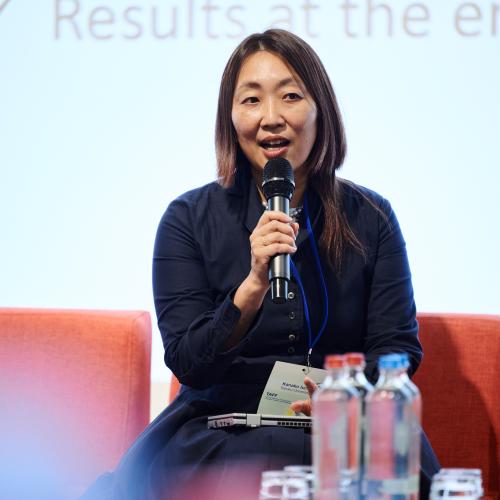
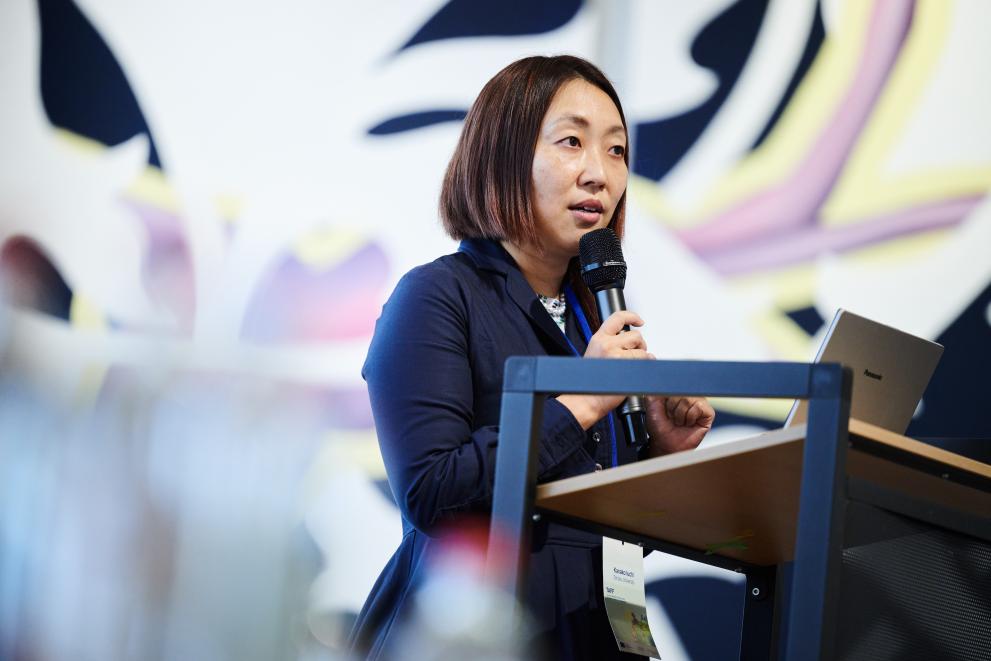
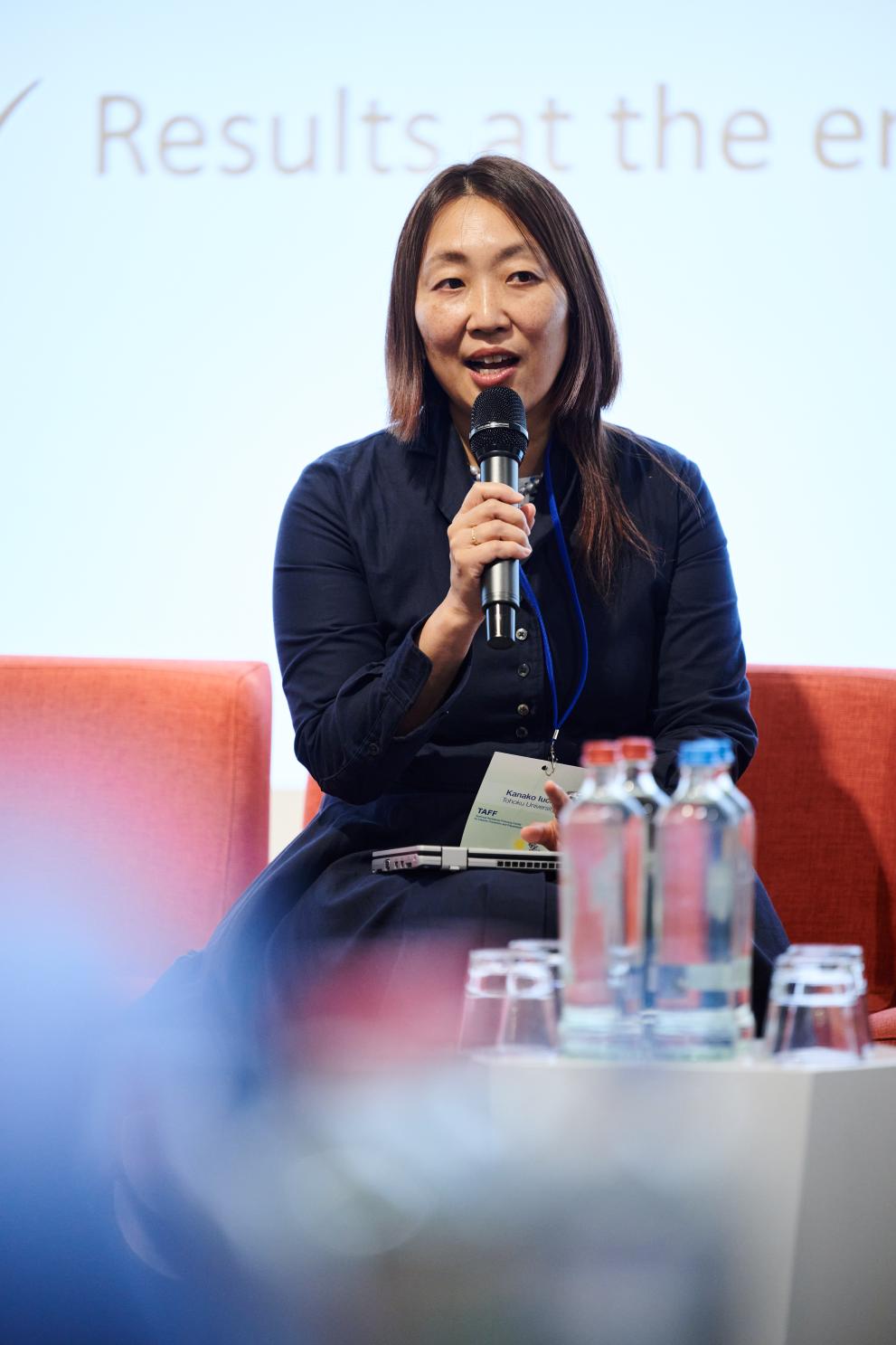
She most recently showcased her case study of Kesennuma City at the TAFF Conference on 2 October 2025, highlighting lessons on how communities can rebuild stronger and more resiliently.
You have been working at the intersection of research and practice for more than 25 years. From your perspective, what are the main challenges in connecting academic research with policymaking?
Academic research tends to focus on ideals, on what should be done. Policymaking, by contrast, must respond to real-world constraints and pressing needs. This can create a gap between the research and practice.
One of the main challenges is that many people most affected by disasters are effectively invisible in policy processes. Their experiences are not captured in data, and their voices rarely shape decisions. For me, bridging the gap means starting in the field: identifying concrete problems and translating lived realities into policy-relevant insights.
Professor Kanako Iuchi - Tohoku University
My research often begins in the recovery phase, after disaster hits. Yet when you follow recovery processes over ten years or more, it becomes clear that recovery is inseparable from mitigation. It is ultimately about reducing vulnerability. Returning to affected communities years later revealed how deeply and persistently disasters shape people’s lives. I encountered individuals who had lost everything and were still struggling emotionally many years on. This led me to focus on how vulnerability can be recreated through policy.
Even well-intentioned “build back better” approaches can produce new vulnerabilities, especially when they rely on one-size-fits-all solutions. Those who fall outside these models are often the most exposed when the next disaster occurs.
Professor Kanako Iuchi - Tohoku University
At the same time, post-disaster recovery is always under intense time pressure. While residents expect rapid progress, this urgency makes it difficult, though no less necessary, to meaningfully include vulnerable groups in decision-making.
You described the case of Kesennuma City at the TAFF Conference last October, as a “laboratory for resilience” after the 2011 Tohoku earthquake and tsunami - one of the most severe natural disasters in Japan’s history, which caused massive loss of life and widespread destruction along the northeast coast. What enabled its transformation?
Kesennuma’s recovery was shaped by a very distinctive local context. One key factor was strong leadership. The mayor and local administration maintained close, ongoing communication with residents.
Another important factor was the city’s business-oriented culture. Many residents were constantly asking how recovery efforts could be turned into sustainable economic activity. This mindset created openness across all stakeholders, residents, businesses and public authorities alike, to experiment and think creatively about the city’s future.
Kesennuma also benefited from substantial external support, including expertise from Tokyo-based companies and specialists. What made the difference was how this support was used. Rather than passively accepting external advice, the city actively defined its own needs and asked how outside resources could be leveraged to serve local priorities. For example, the local tourism bureau specifically requested tourism experts and asked them to co-develop a tailored strategy.
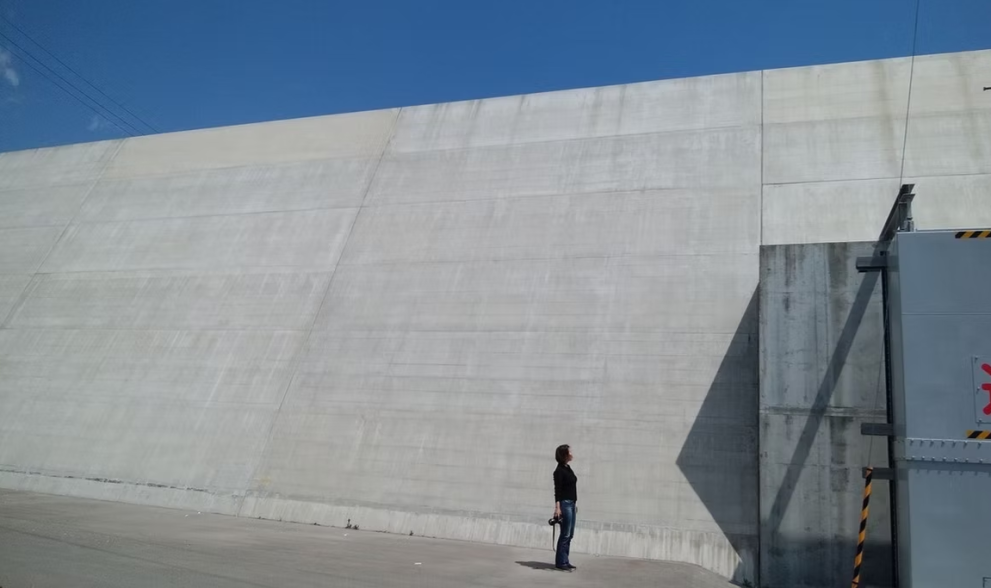
Crucially, recovery in Kesennuma was not treated as a purely technical exercise focused only on physical safety. While risk reduction was important, decision-makers remained attentive to how recovery measures affected everyday life. Experiences elsewhere in Japan showed that an excessive focus on physical resilience, such as the construction of large coastal levees that blocked ocean views, could unintentionally reduce residents’ quality of life. In Kesennuma, this awareness reinforced the idea that recovery is not only about infrastructure, but also about how people experience their environment and regain a sense of meaning and liveability.
Why are pre-disaster vulnerabilities so often overlooked in policy, and how can this be addressed?
In general, we overlook vulnerable communities because we focus on immediate survival, on getting through the next day. We hope disasters will not happen. In Japan, politicians long avoided discussing pre-disaster preparedness because acknowledging risk was seen as electorally dangerous.
Yet vulnerable populations are always the most affected when disasters occur. Investing in prevention is far less costly: one dollar spent before a disaster can save thirteen dollars afterwards.
For me, mainstreaming disaster risk does not mean focusing narrowly on hazards or infrastructure. It means embedding an awareness of vulnerability into everyday development decisions and ways of living. Disaster risk should be considered in housing, transport, education - in all aspects of normal life.
Experts play an essential role, but they cannot carry responsibility alone. Governments, planners and residents all need to integrate risk awareness into daily decision-making, for example when designing and using a road and keeping flood risk in mind.
What lessons can European disaster risk managers take from your work?
It is essential to understand vulnerabilities before disasters occur. At the same time, we must be careful not to overburden vulnerable people with participation demands when they are struggling to survive day to day.
Local ownership is important, as residents are the ones who continue to live in affected areas. However, participation must be carefully designed, balanced with expert knowledge and supported by transparency and clear communication. Trust and relationships need to be built before disasters occur. Recovery processes are fast-paced, and without prior relationships, many people hesitate to speak up or engage. Local governments, community groups, schools and non-profits play a crucial role here. That is where real conversations happen, and where resilience truly begins.
At the same time, technical expertise remains indispensable, particularly in the fields of climate resilience and disaster risk management.
For civil protection experts, a key lesson is the importance of understanding both the strengths and weaknesses of a place. In Kesennuma, for example, there was a strong base of entrepreneurs alongside challenges linked to ageing and declining economic incentives. Recognising such local dynamics, and the vulnerabilities associated with them, before disaster strikes, is essential.
The Knowledge Network editorial team is here to share the news and stories of the Knowledge Network community. We'd love to hear your news, events and personal stories about your life in civil protection and disaster risk management. If you've got a story to share, please contact us.