READY Baltics: Strengthening Disability-Inclusive Preparedness
The READY Baltics initiative demonstrates how disability inclusion can strengthen disaster preparedness and resilience.
The READY Baltics initiative demonstrates how disability inclusion can strengthen disaster preparedness and resilience.

Preparedness and civil protection must include everyone, including persons with disabilities. This is the core aim of READY Balticsopens in new tab, an initiative strengthening disability-inclusive preparedness in Estonia, Latvia, and Lithuania. Coordinated by the European Disability Forum and funded through the Union Civil Protection Mechanism, the project seeks to move disability inclusion in disaster risk management beyond awareness-raising and into practical implementation.
According to Phillipa Tucker from the European Disability Forum (EDF), persons with disabilities are four times more likely to die during crises. This highlights the need to involve disability communities directly in preparedness planning, as they best understand the barriers and support needs they face.
READY Baltics focuses on three objectives: improving disability inclusion knowledge among civil protection professionals, strengthening the capacity of organisations of persons with disabilities (OPDs) to engage in preparedness and crisis management, and supporting preparedness for persons with disabilities. To achieve this, the project is developing two training modules: one for OPDs and another for civil protection and disaster risk management authorities.
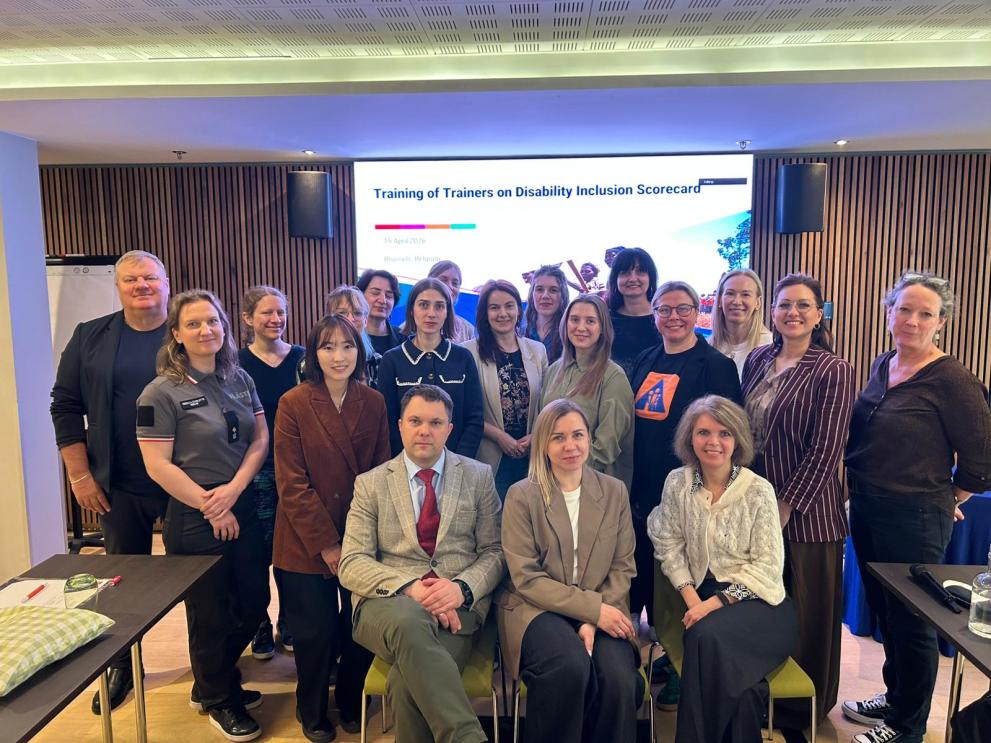
By bringing together OPDs, civil protection stakeholders, and international partners, the initiative aims to strengthen preparedness at individual, institutional, and policy levels. Mari Puuram from the Estonian Forum of Persons with Disabilities stressed the importance of including persons with disabilities in crisis and military exercises, noting that this cooperation has been limited so far.
The Baltic States were selected for their security context and experience in resilience-building. Tucker noted that the region’s evolving security environment has led to expertise in preparedness, creating opportunities both to support existing efforts and learn from them.
In smaller countries such as Estonia, Latvia, and Lithuania, the whole-of-society approach is particularly important. “We must include everybody in building preparedness capacities, and make use of all the knowledge, skills, and capacities people can contribute,” Puuram said.
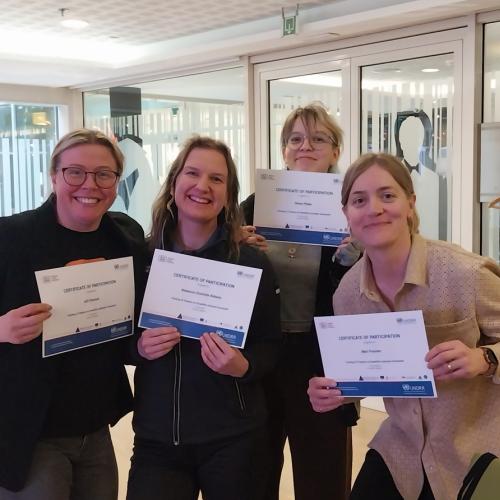
In April 2026, project partners met in Brussels for a kick-off meeting that included training sessions led by the United Nations Office for Disaster Risk Reduction on disability-inclusive disaster risk reduction. Participants were introduced to the “Disaster Resilience Scorecard for Cities – Annex on Disability Inclusion,” which will be piloted in three Baltic municipalities to assess strengths, gaps, and priorities for improvement.
Alongside READY Baltics, and within the Preparedness Union Strategy, the European Commission is developing guidelines on including persons with disabilities in preparedness. Gunta Anca, the President of the European Disability Forum, notes that the guidelines are a very promising and urgently needed example of moving policy to implementation. “EDF and persons with disabilities are making technical inputs to recommend improvements to the guidelines and then hopefully with a stronger rights-based framing, clearer duties for public authorities, and more emphasis on systemic accessibility, the guidelines could become an important European reference tool for disability-inclusive preparedness and response.”
READY Baltics also aims to contribute to wider European policy discussions and support future preparedness initiatives linked to DG ECHO and the Union Civil Protection Knowledge Network.
The Knowledge Network editorial team is here to share the news and stories of the Knowledge Network community. We'd love to hear your news, events and personal stories about your life in civil protection and disaster risk management. If you've got a story to share, please contact us.
Thematic series