Remembering the victims, turning lessons into better preparedness
Five years after the 2021 floods in Northern Europe, we remember those who lost their lives in extreme weather disasters worldwide.
Five years after the 2021 floods in Northern Europe, we remember those who lost their lives in extreme weather disasters worldwide.

On 15 July, the European Union marks the EU Day for the Victims of the Global Climate Crisis for the fourth time. The European Parliament, the Council and the European Commission established the day jointly in 2023 to honour those who died in the 2021 tragic floods that struck Belgium, Germany, Luxembourg and the Netherlands and the victims of climate-related disasters in Europe and worldwide.
Due to climate change, Europe is facing more frequent and intense extreme weather. This will need systems, businesses, communities and individuals to adapt to the changing risk to ensure a climate-resilient Europe. It has also lead to a strong EU response to ensure that all levels in society - including citizens, civil society, businesses, social partners as well as the scientific and academic communities- are engaged in disaster-preparedness, driven by the EU’s Preparedness Union Strategy.
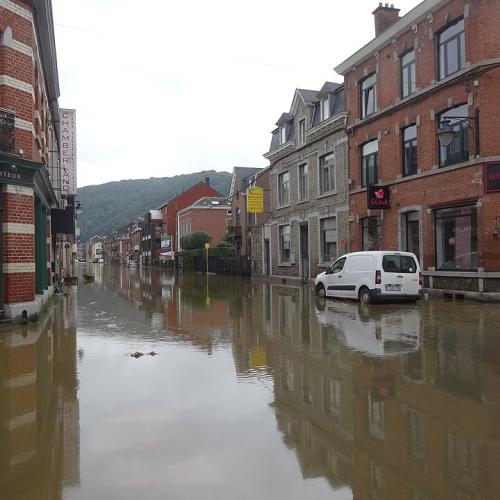
One of the key lessons of the 2021 floods, a disaster that claimed more than 220 lives and left entire communities along the Meuse and Vesdre valleys under water, was the need to ensure early warning can be acted upon at local level and that individuals better understand the risks they face and what they can do to adapt and prepare.
July 2021: a turning point for flood preparedness
Between 13 and 15 July 2021, exceptionally heavy rainfall caused rivers across western Europe to rise within hours. In the Belgian municipality of Jalhay, 271.5 millimetres of rain fell in 48 hours, close to three times the area's average rainfall for the entire month of July.
The consequences were devastating. In Wallonia, 39 people lost their lives, making the floods the deadliest disaster in Belgium's history. Germany recorded the highest death toll, with nearly 200 fatalities, while damage across the affected countries exceeded €40 billion.
The disaster exposed how quickly an extreme weather event can overwhelm communities, infrastructure and emergency services, even in countries with well-developed civil protection systems.
Not an isolated event
The floods of 2021 were a defining moment, but they were not an isolated event.
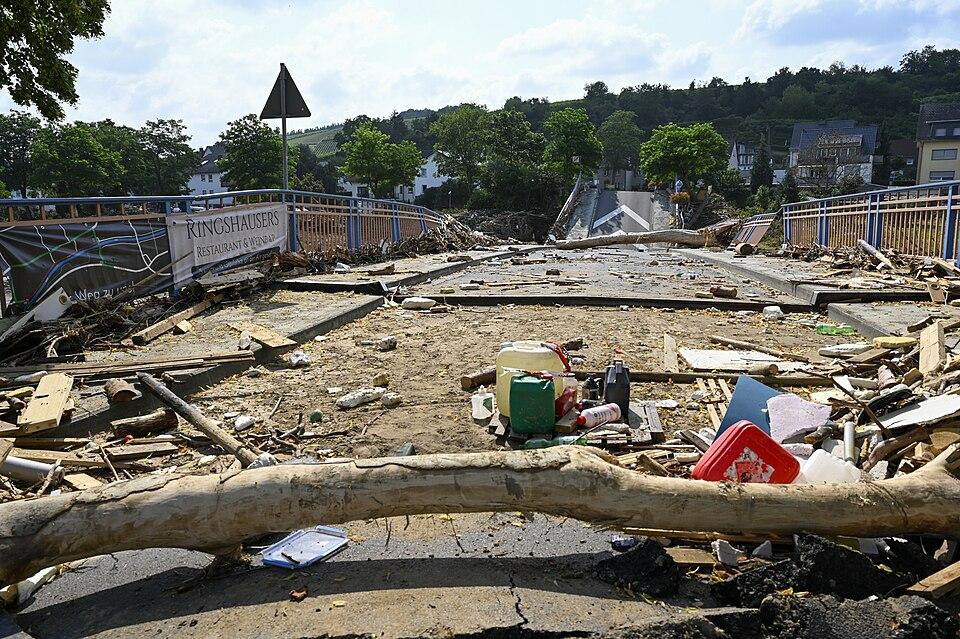
In August 2023, Slovenia experienced the worst floods in its history. Roughly two-thirds of the country was affected, thousands of people were evacuated, and seven people lost their lives. In the first two years after the floods, the Slovenian Government allocated around €1.16 billion for emergency assistance and recovery, while direct damage from the disaster was estimated at around €3 billion. Through the Union Civil Protection Mechanism (UCPM), several European countries provided engineering equipment, temporary bridges and specialised assistance to support the response.
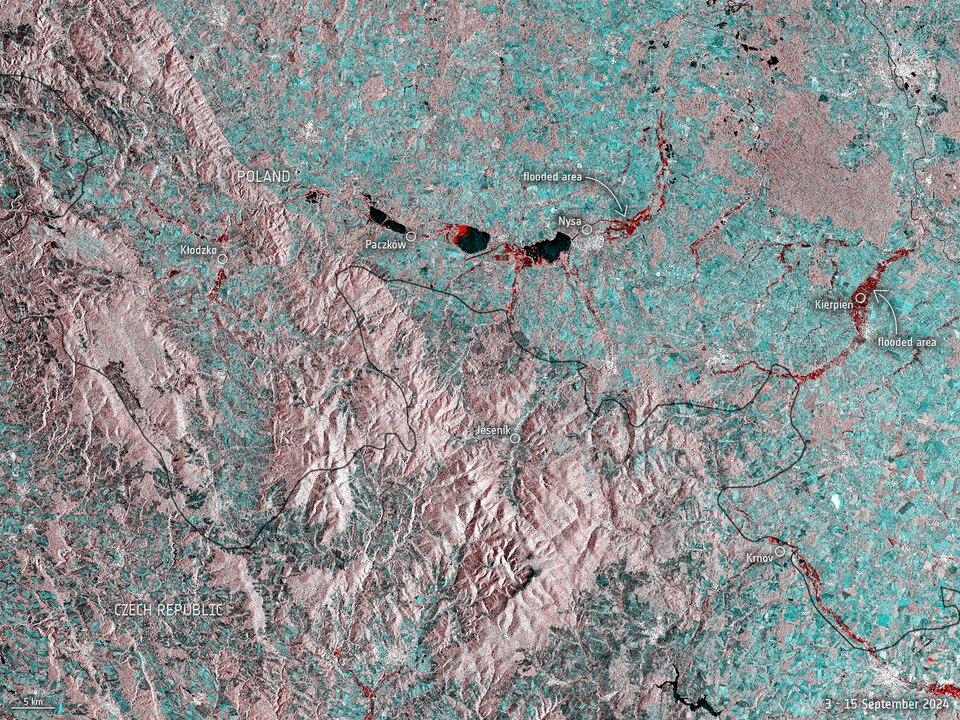
Just over a year later, in September 2024, Storm Boris brought torrential rainfall across Central and Eastern Europe. Austria, Czechia, Hungary, Poland, Romania and Slovakia all faced severe flooding, with rivers overflowing, transport networks disrupted and thousands of people forced to leave their homes. At least 24 people died. Once again, European countries coordinated assistance through the UCPM.
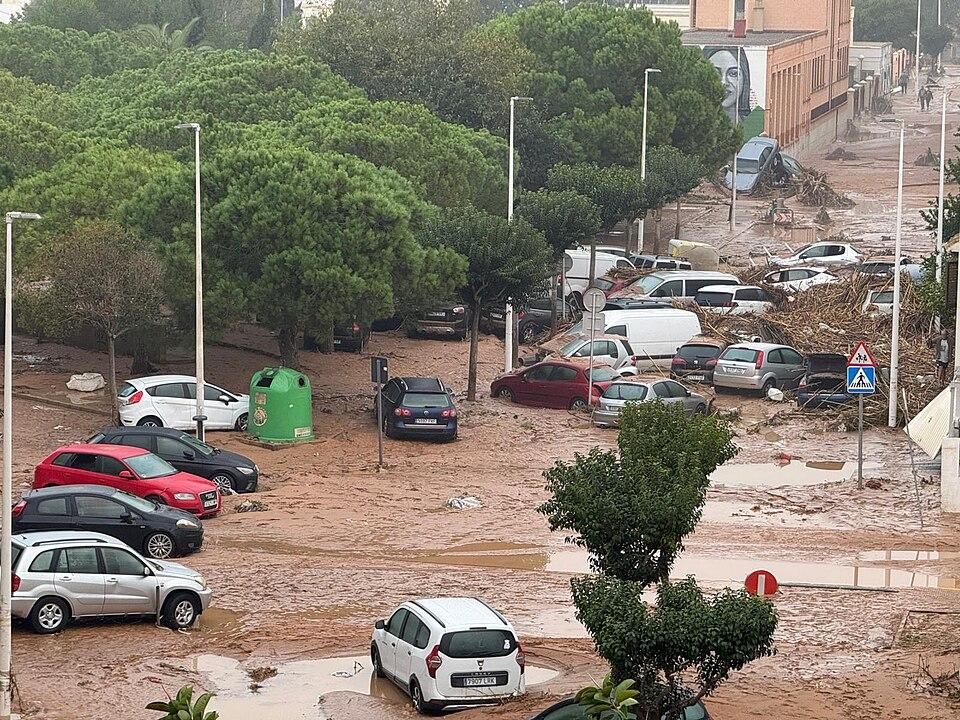
However, the most severe flood since 2021 struck Spain's Valencia region on 29 October 2024. The event, a slow-moving weather system known locally as a DANA (Depresión Aislada en Niveles Altos, or "isolated depression at high levels"), brought record rainfall, over 300 millimetres across parts of the province and nearly 500 millimetres in eight hours in the town of Chiva. The resulting flash flooding killed around 229 people, making it one of the deadliest floods in Europe in recent decades.
When a warning is not enough
One of the clearest lessons from 2021 was that issuing a warning is only the first step. The European Flood Awareness System (EFAS) alerted national authorities before the floods struck, identifying the potential for an exceptional event. Yet many communities were still caught by surprise.
In Belgium, the challenge lay largely in coordination. Tony Hosmans, who oversees alert and public information services for the Liège provincial governor's office, has explained that building a clear operational picture took several days, partly because the weather itself disrupted communications and access to affected areas.
Germany faced a different problem. Although warning tools, including the NINA app, were already available, many people later said they had received no warning before floodwaters reached them. Germany responded by accelerating the introduction of cell broadcast technology, which sends emergency alerts directly to every compatible phone in an affected area without requiring an app. The system was tested nationwide in December 2022 and brought into regular operation in February 2023.
Turning lessons into action
The years since the 2021 floods have seen significant efforts to strengthen preparedness.
In Belgium, the INTERREG-funded Marhetak project brought together authorities from Belgium and the Netherlands, to improve cross-border crisis management in the Meuse-Rhine region. The project supported joint exercises, new operational procedures and investment in emergency equipment, and contributed to the development of Paragon, a platform that allows emergency services to share information in real time. Pascale Pierard, who has spent years supporting flood victims through a cultural centre in Angleur, says what people affected by the 2021 floods want most is a clear, honest assurance that they will not face the same situation again.
Across Europe, investment has also continued in forecasting capabilities, early warning systems, crisis communication and cross-border cooperation. These changes have already been tested. During Slovenia's 2023 floods, early warnings issued by the national hydrological and meteorological services, together with coordinated emergency planning, helped authorities prepare before the worst flooding occurred.
A year later, ahead of Storm Boris, EFAS provided several days' notice of the risk of severe flooding across Central and Eastern Europe, allowing countries to take precautionary measures, including lowering reservoirs and reinforcing flood defences.
No warning system can prevent every tragedy. But these events show that better forecasting, earlier warnings and closer coordination can give authorities more time to act and help reduce the impact of extreme weather.
Technology is only part of the picture. Preparedness also depends on good planning, clear communication and making sure that everyone—including older people, persons with disabilities, visitors and others who may be unfamiliar with local risks or warning systems—knows how to respond.
Remembering through action
Every flood, wildfire or storm leaves behind more than damaged buildings. They leave families who have lost loved ones, communities facing years of recovery and first responders whose experiences remain long after the emergency has passed.
The EU Day for the Victims of the Global Climate Crisis is an opportunity to remember those lives. It is also a reminder that remembrance alone is not enough. Each disaster provides lessons that can strengthen preparedness, improve cooperation and help protect communities from future risks.
The Knowledge Network editorial team is here to share the news and stories of the Knowledge Network community. We'd love to hear your news, events and personal stories about your life in civil protection and disaster risk management. If you've got a story to share, please contact us.