Strengthening Emergency Communication in Montenegro
How EU expertise and international cooperation are helping Montenegro enhance its Operational Communication Centre 112 and improve crisis response capabilities.

How EU expertise and international cooperation are helping Montenegro enhance its Operational Communication Centre 112 and improve crisis response capabilities.

As Montenegro advances its EU accession process, modernisation of the Operational Communication Center 112 (OCC 112) is a strategic priority for strengthening emergency communications, public warning capacity, and disaster response coordination. To inform these efforts, between 18 and 22 May 2026, a knowledge exchange was organised for representatives of Montenegro’s Ministry of Interior and Directorate for Protection and Rescue, including Mr. Zlatko Micanovic, Director of OCC 112, with authorities in the Netherlands, Belgium, and Luxembourg.
The exchange was organised as part of the project “Montenegro: Enhancing Disaster Resilience and Continuity of IT Infrastructure and Services in the Operational Communication Center 112”, funded by the EU under the Technical Assistance Financing Facility for Prevention and Preparedness (TAFF) and implemented by the World Bank. The TAFF project supports Montenegro’s efforts to strengthen the resilience, functionality, and reliability of the national 112 system, with emphasis on continuity of operations, interoperability, and practical planning for future investments.
The knowledge exchange focused on key elements for national 112 systems, including strategic emergency governance, advanced operational command, and system resilience/continuity.
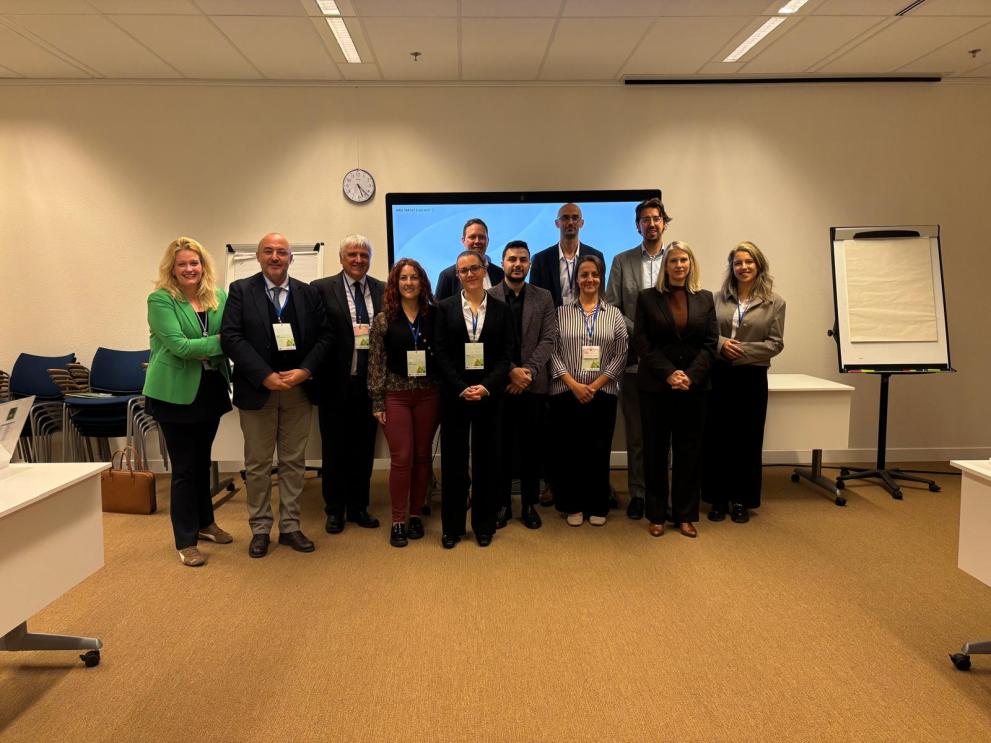
In the Netherlands, visits to the Noord-Holland LMS National Control Centre Cooperation and the Ministry of Justice and Security focused on strategic emergency governance, multi-level institutional coordination, redundancy, and public warning systems, offering insights into how clear mandates, coordinated institutions, prepared citizens, and systems such as NL-Alert support preparedness before emergencies escalate.
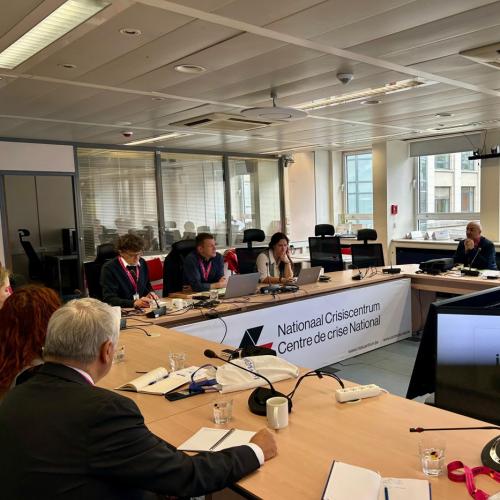
The visit to the Centre de Crise National (NCCN) in Belgium offered a practical view of how national crisis command depends on integrated coordination across systems, institutions, and levels of government. Discussions covered emergency call handling and dispatch, risk-informed planning, the PARAGON system, COFECO’s role in interdepartmental crisis management, and Belgium’s broader resilience links with NATO and the EU. These insights were relevant as Montenegro reviews options to strengthen coordination, information management, and operational readiness within OCC 112.
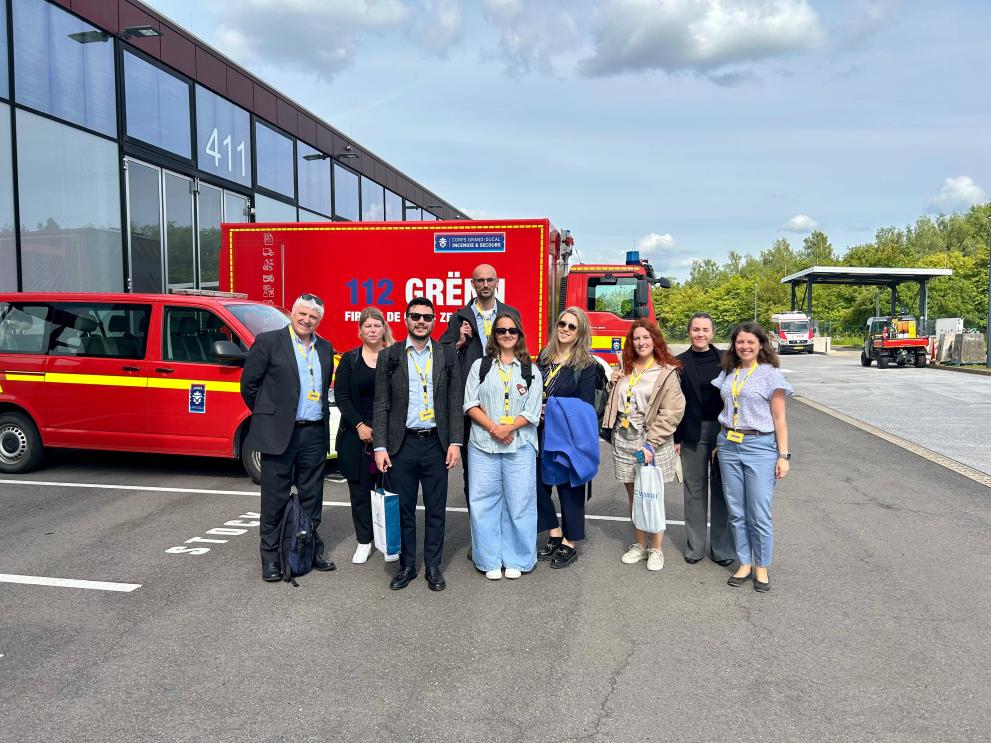
In Luxembourg, the visit to the Corps Grand-Ducal d’Incendie et de Secours (CGDIS), complemented these lessons with a focus on critical system resilience, redundancy, and continuity assurance, including structured workflows, backup control room capacity, failover arrangements, and cybersecurity procedures that help maintain essential emergency communication functions under pressure.
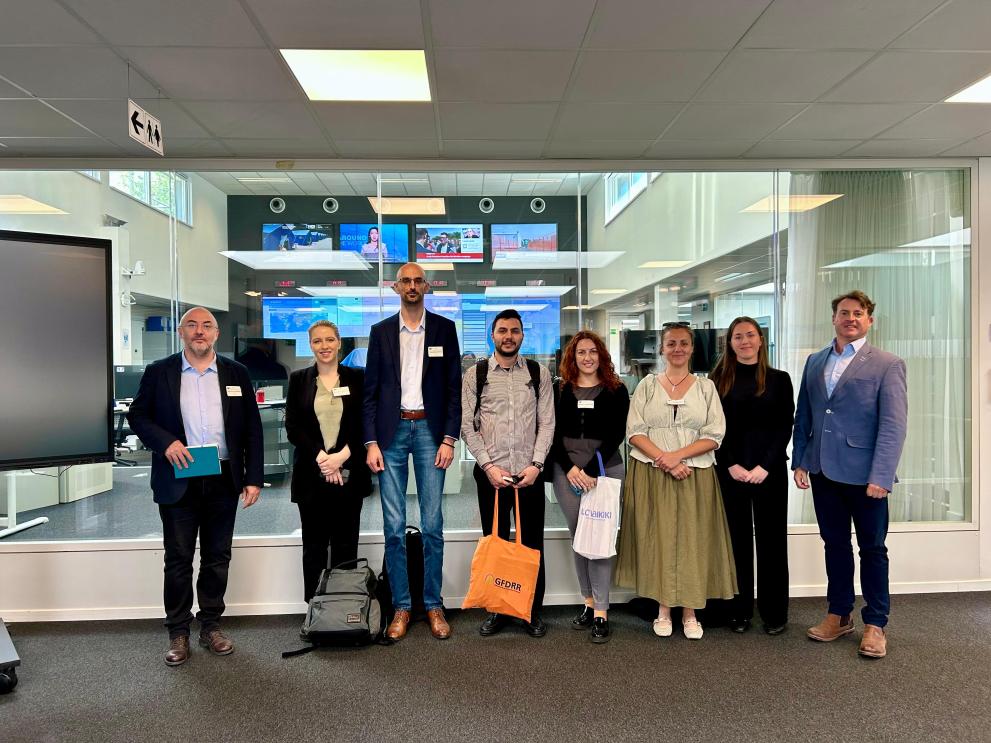
The exchange concluded with a meeting at DG ECHO in Brussels, connecting the country-level lessons to the European civil protection framework. Discussions focused on the Emergency Response Coordination Centre (ERCC), and its role within the Union Civil Protection Mechanism (UCPM), including monitoring, preparedness, operational coordination, and the mobilisation of assistance across Participating States. This discussion helped to situate OCC 112 modernisation efforts within a wider European context, including the importance of coordination mechanisms that support timely decision-making during emergencies.
The exchange connected Montenegro’s OCC 112 modernisation priorities with European operational experience and highlighted the importance of clear institutional roles, interoperable systems, resilient infrastructure, continuity arrangements, public alerting, and cross-border coordination. Speaking to the relevance of the exchange for Montenegro, Mr. Zlatko Micanovic, Director of OCC 112, noted:
“Through this Knowledge Exchange mission delivered under the TAFF project, Montenegro’s Directorate for Protection and Rescue had a valuable opportunity to see first-hand how state-of-the-art 112 emergency communication facilities operate in practice and how modern systems can improve coordination, preparedness, and disaster risk management. As Montenegro advances on its EU accession path, the mission provided practical insights into how these systems can support alignment with EU standards and contribute to a more effective and resilient emergency management system for the benefit of all people in Montenegro.”
These insights will inform the Diagnostic Gaps and Needs Analysis and OCC 112 modernisation roadmap, supporting a more resilient, integrated, and future-ready emergency communications system in Montenegro, which is being developed under the TAFF project.
The Knowledge Network editorial team is here to share the news and stories of the Knowledge Network community. We'd love to hear your news, events and personal stories about your life in civil protection and disaster risk management. If you've got a story to share, please contact us.