Guidelines on Population Preparedness
New preparedness guidelines published for Member States and UCPM Participating States on risk communication, 72 hours self sufficiency, school curricula and disability inclusive preparedness.

New preparedness guidelines published for Member States and UCPM Participating States on risk communication, 72 hours self sufficiency, school curricula and disability inclusive preparedness.
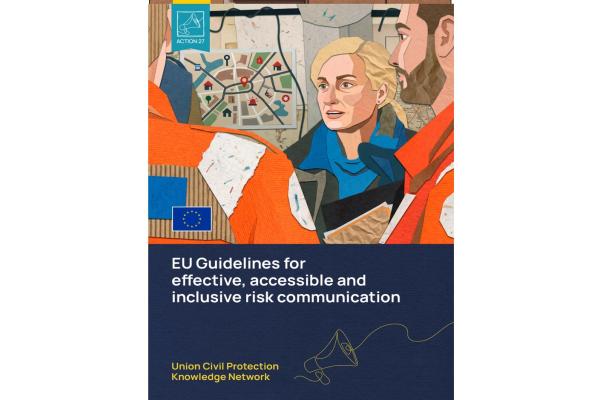
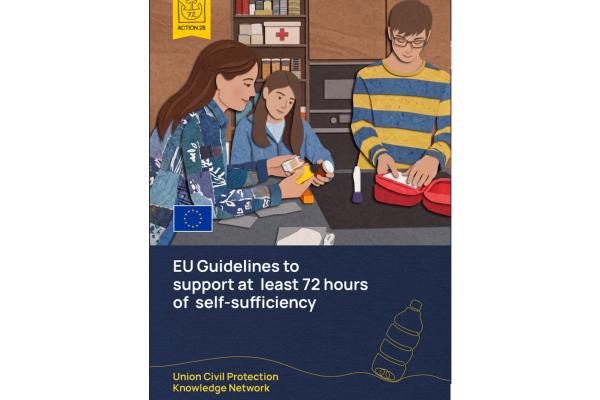
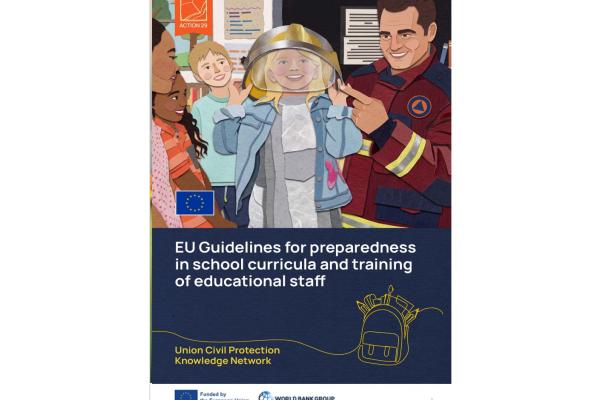
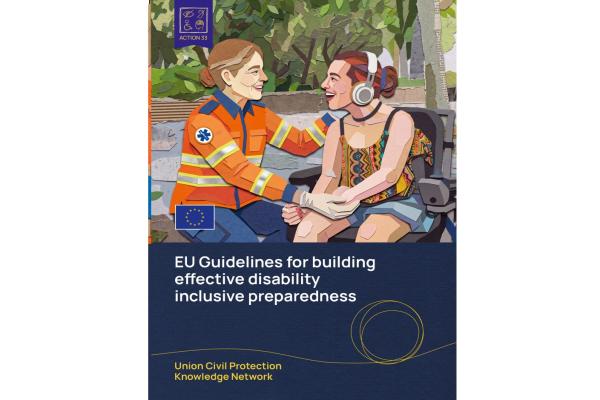
Population preparedness is one of the seven building blocks of the Preparedness Union Strategy. This involves strengthening societal resilience by ensuring that citizens are prepared, including children, older people, persons with disabilities and other marginalised groups and/or groups in situations of risk, have access to reliable information and the skills needed to understand risks and take appropriate action before, during and after emergencies.
The Commission is hereby providing guidelines on four actions of the Strategy:
The guidelines, while non-binding, are intended to encourage EU Member States (MS) and UCPM Participating States (PS) to develop their preparedness initiatives according to their own national organisation.
This guidance was drafted together with experts from EU MS and UCPM PS, civil protection authorities, other disaster risk management stakeholders and other relevant stakeholders and builds on the preparEU pilotopens in new tab project and on the recommendations from the European Citizen Panel on Preparedness,opens in new tab organised in March-May 2026 with 150 randomly selected citizens from all 27 Member States.
While EU MS and UCPM PS remain the primary actors in civil protection, preparedness and crisis response, the EU’s support complements national efforts by strengthening the knowledge, skills and practical capacities that enable people and communities to prepare for and respond to emergencies.

*This guidance was informed by analytical work undertaken through the Technical Assistance Financing Facility for Disaster Prevention and Preparedness (TAFF)opens in new tab.
See also accompanying TAFF advisory reports.opens in new tab