UCP Knowledge NetworkApplied knowledge for action
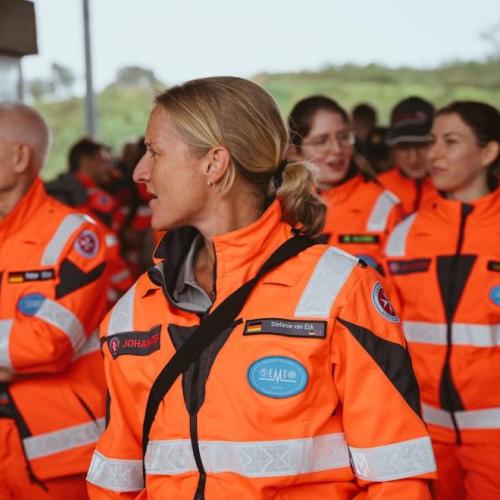
Civil protection responders in orange uniforms stand together outdoors

Preparedness

The European Union is facing unprecedented threats – from geopolitical tensions and conflicts, cybersecurity and information manipulation risks, to climate change and increasing risks of natural hazards.

To boost the EU's ability to anticipate, prevent, and respond to these threats, the Commission has adopted the Preparedness Union Strategy.

Why preparedness matters

Today’s crises are becoming more frequent, interconnected and complex. Disruptions affecting one sector—such as energy, health, security or the environment—can quickly have consequences across many others. 

The Niinistö report on EU preparedness and readiness highlights the urgent need to reinforce both civilian and military preparedness in areas including health, migration, technological security, climate, defence and the economy.

The report also promotes a new understanding of preparedness, recognising it not only as a national responsibility but as a shared commitment across the European Union.

Population Preparedness Guidelines

New Guidelines on risk communication, 72 hours self sufficiency, school curricula & disability inclusive emergency preparedness

Read more

The Preparedness Union Strategy

To strengthen Europe’s resilience, the European Commission adopted the Preparedness Union Strategy in March 2025. The strategy aims to ensure that public authorities, organisations and citizens are better equipped to respond rapidly and effectively when crises arise. It sets out 63 concrete actions in seven priority areas, with clear deadlines up to 2028. 

The strategy is based on three essential principles:

  • An integrated all-hazards approach: being prepared for any type of crisis, through coordinated preparedness and response measures.
  • A whole-of-society approach: encouraging the active involvement of citizens, organisations and all sectors of society.
  • A whole-of-government approach: governments working together at all levels.

Population preparedness

Population preparedness is a key theme of the Preparedness Strategy, building on the principle that preparedness starts with empowering the population. It is about giving people the tools, the knowledge, and the confidence to face the uncertain, and strengthening societal resilience by ensuring that citizens, including children, older people, persons with disabilities and other persons in situations of risk, have access to reliable information and the skills needed to understand risks and take appropriate action before, during and after emergencies. Population preparedness constitutes one of the seven building blocks of the Preparedness Union Strategy. 

The EU is supporting national civil protection authorities with risk communication, awareness‑raising, and guidance on 72‑hour household self‑sufficiency. Preparedness topics are being integrated into early childhood and primary school education. The EU is also providing guidance to support authorities in ensuring that preparedness measures address the diverse needs and preferences of persons with disabilities, while equipping first responders with the knowledge, skills and practical tools to understand the different needs of persons with disabilities.

The guidelines are non-binding and intended to support EU Member States (MS) and UCPM Participating States (PS) in developing their preparedness initiatives according to their own national organisations and contexts.

Preparedness is also now a priority in youth programmes such as the European Solidarity Corps, with closer links between young people and civil protection organisations (action 30 of the Preparedness Union Strategy).

The EU is also enhancing early warning systems and supporting awareness‑raising initiatives such as a new EU Preparedness Day.

From Strategy to Concrete Action

The EU is already delivering on key commitments from the Preparedness Union Strategy:

EU Stockpiling and Medical Countermeasures Strategies

In July 2025, the Commission launched the EU Stockpiling Strategy and Medical Countermeasures Strategy; two key initiatives to make sure that essential goods and lifesaving vaccines, medicines, medical devices and personal protective equipment are available when crises strike. Essential goods are the physical supplies we need to keep a society running during a crisis. They protect people, keep governments and democratic processes operating, and maintain economic stability and social cohesion. For the first time, national stockpiling authorities will work together to deliver essential goods where they are needed in a crisis. The EU Stockpiling Network lets Member States share best practices, identify gaps, and coordinate resources. 

Strengthening Crisis Response

In July 2025, the Commission proposed updating the Union Civil Protection Mechanism: once adopted, the Mechanism will cover health preparedness, strengthen the Emergency Response Coordination Centre, boost rescEU, set up the EU Crisis Coordination Hub and strengthening civil-military cooperation.

Preparedness by Design 

The EU is working to build preparedness into policies and legislation from the start, so resilience becomes part of how every sector operates.

Activities

Browse articles and features on preparedness, from Members of the Knowledge Network Platform, including UCPM projects.

An overview of UCPM projects on increasing preparedness for crisis or disaster.
bulgaria_cow_river_rhodope_mountain_tree_cattle
A collection of articles and features related to preparedness published by projects and members.
Knowledge Library
A curated collection of all preparedness documents added to the Knowledge Library.