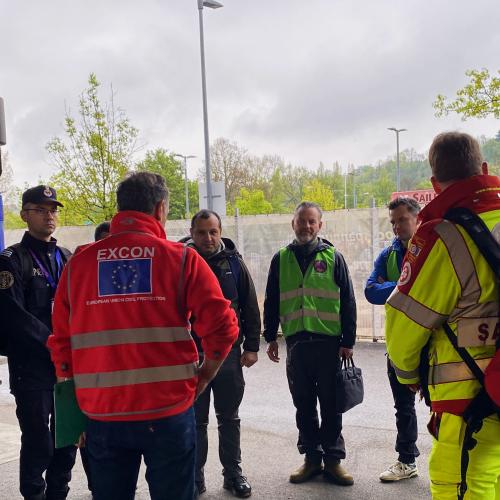
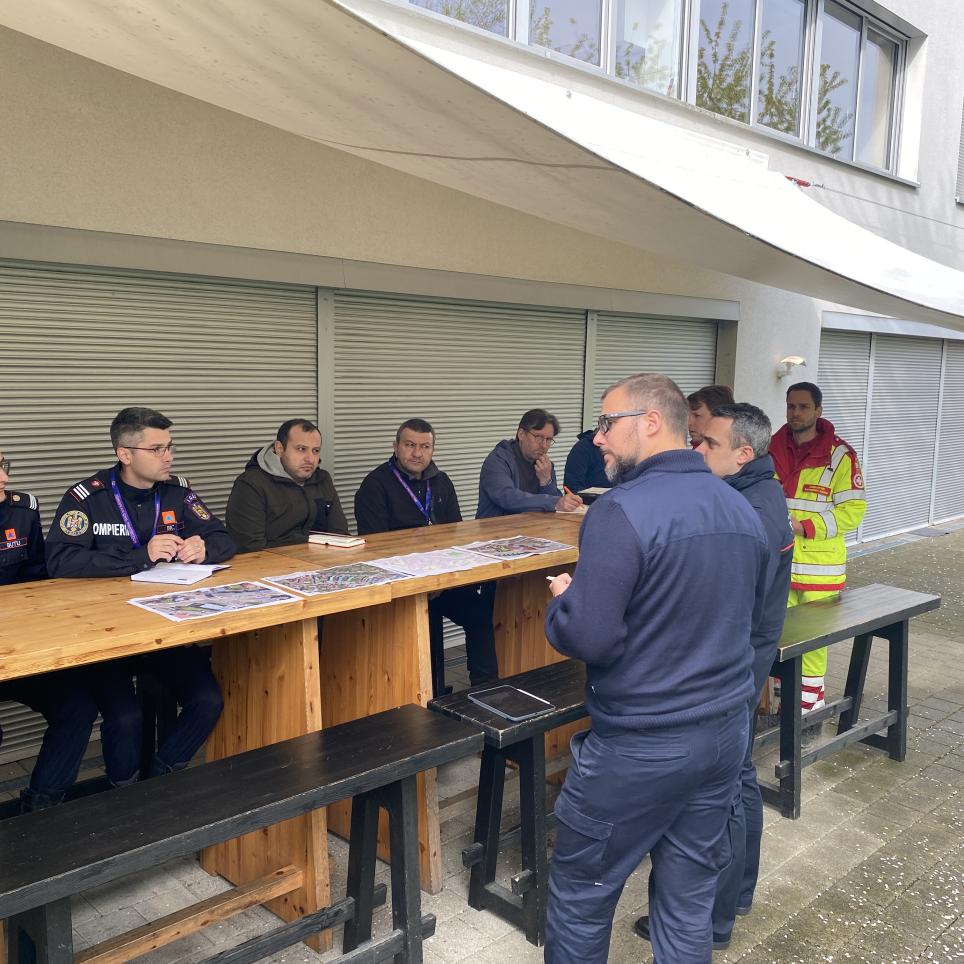
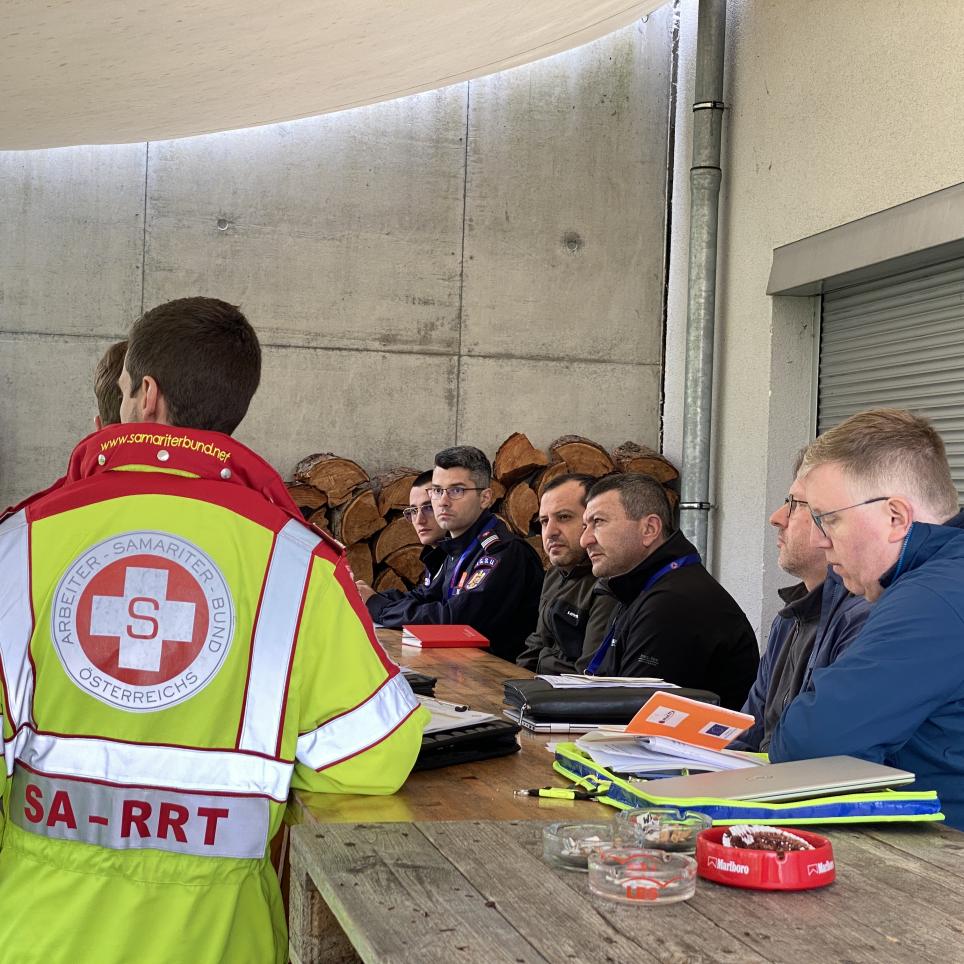
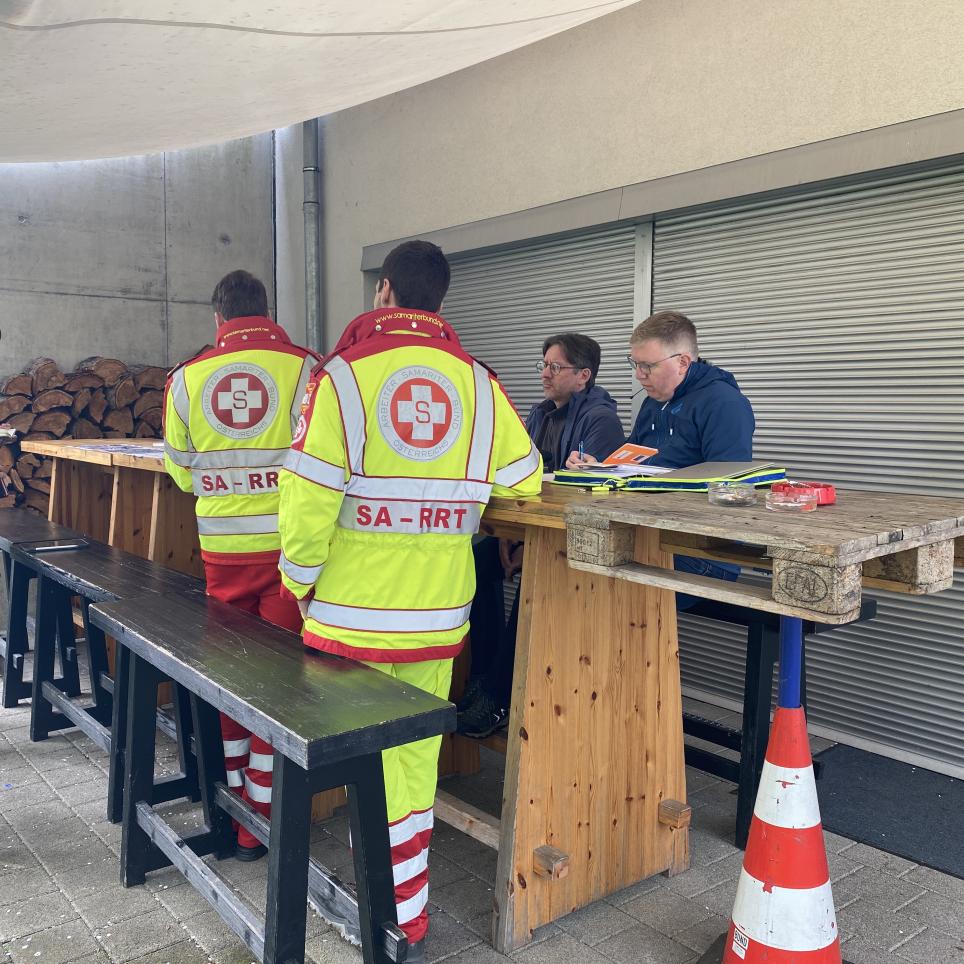
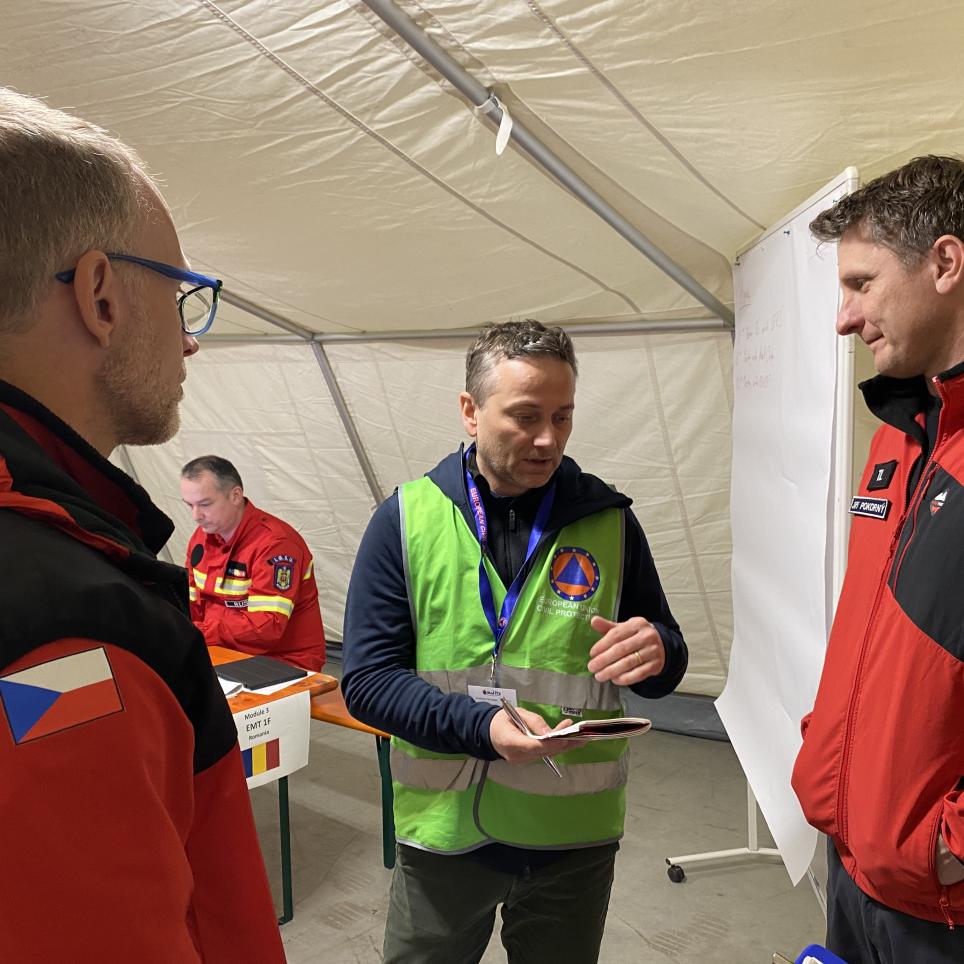
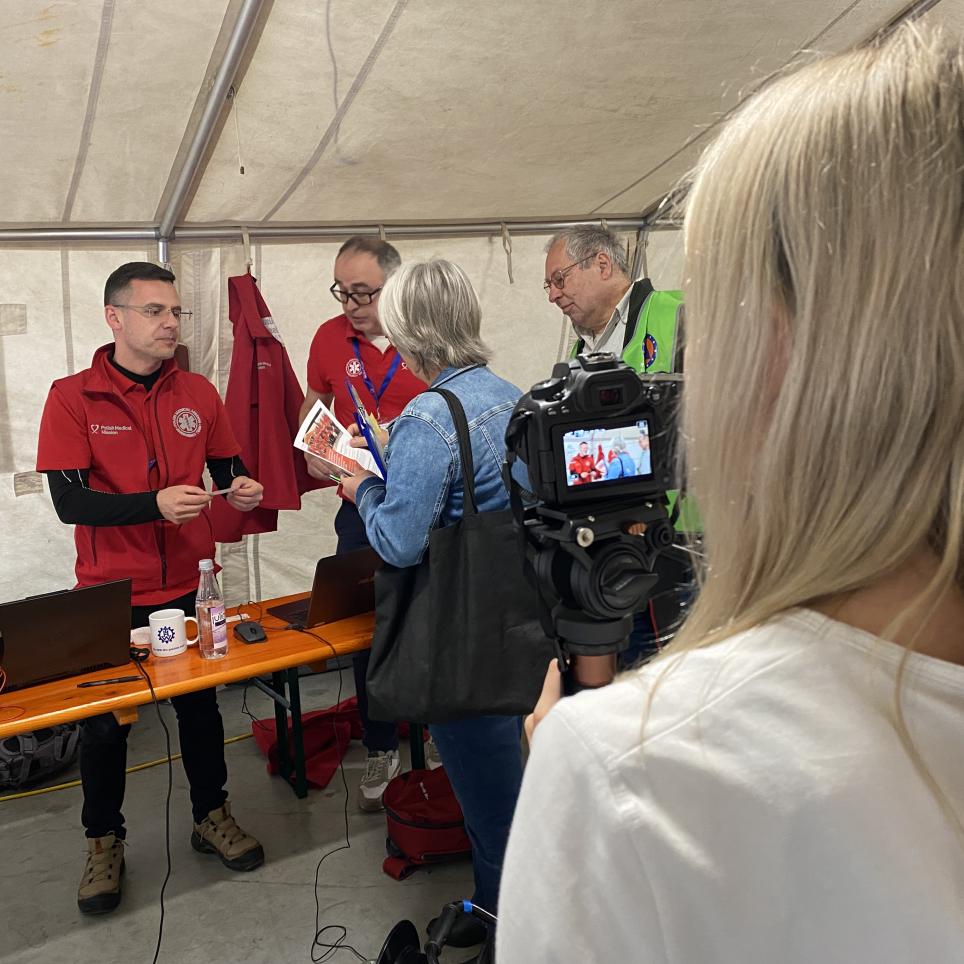
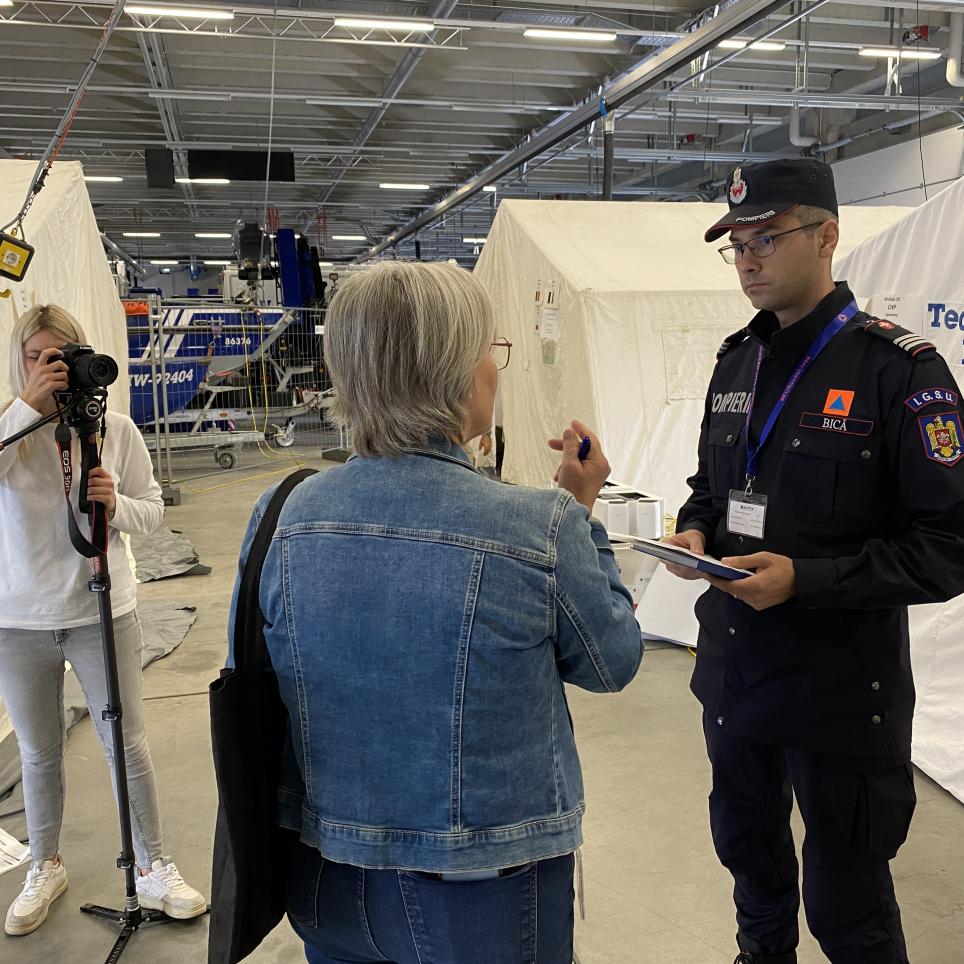
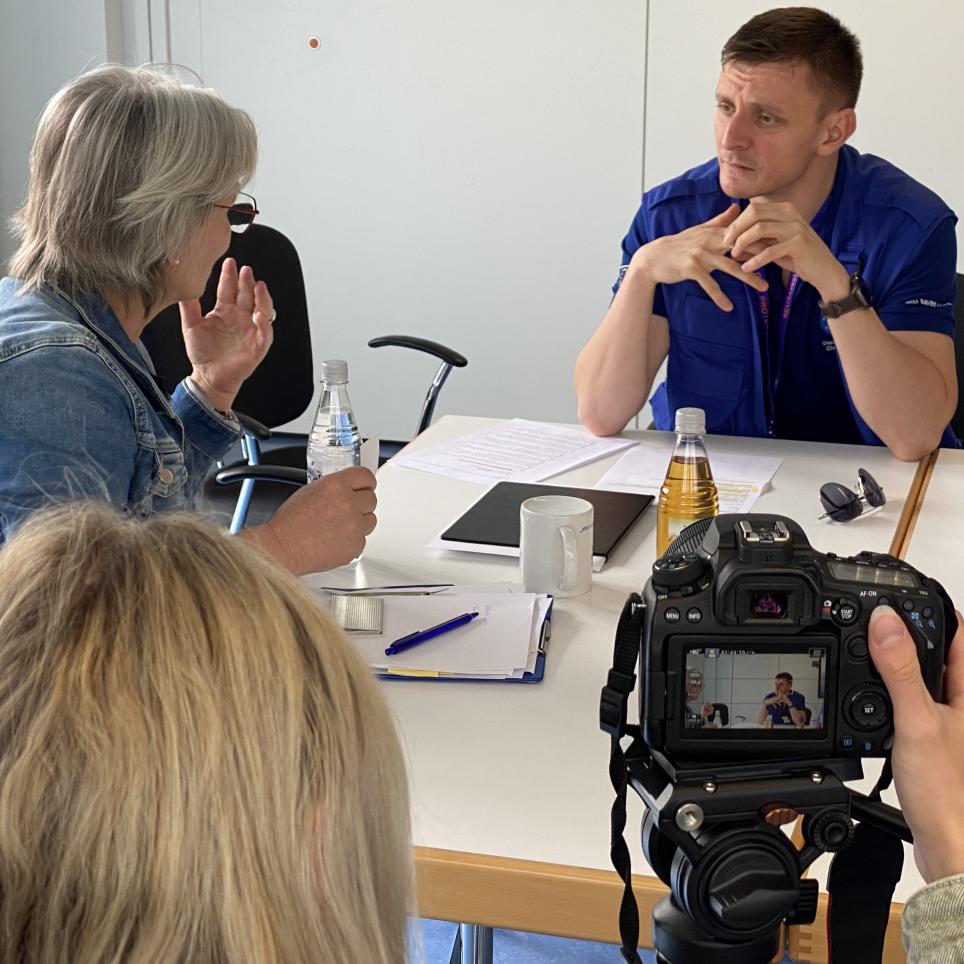
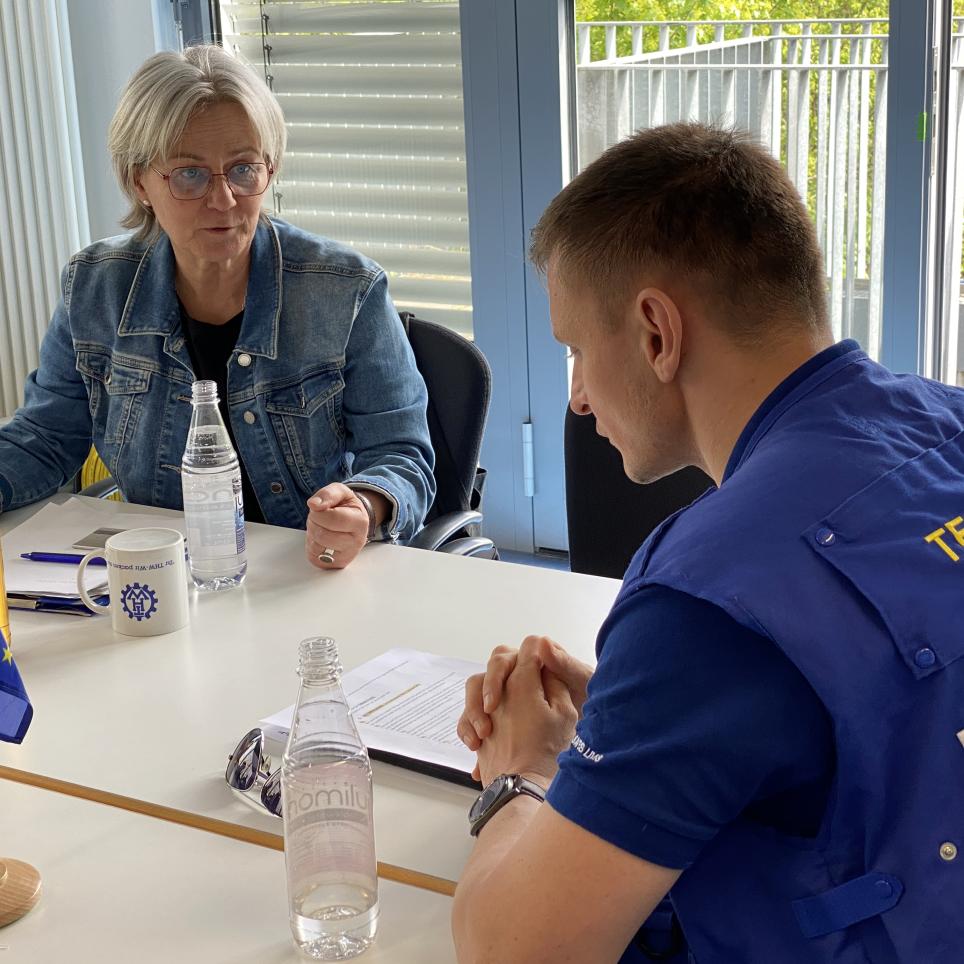
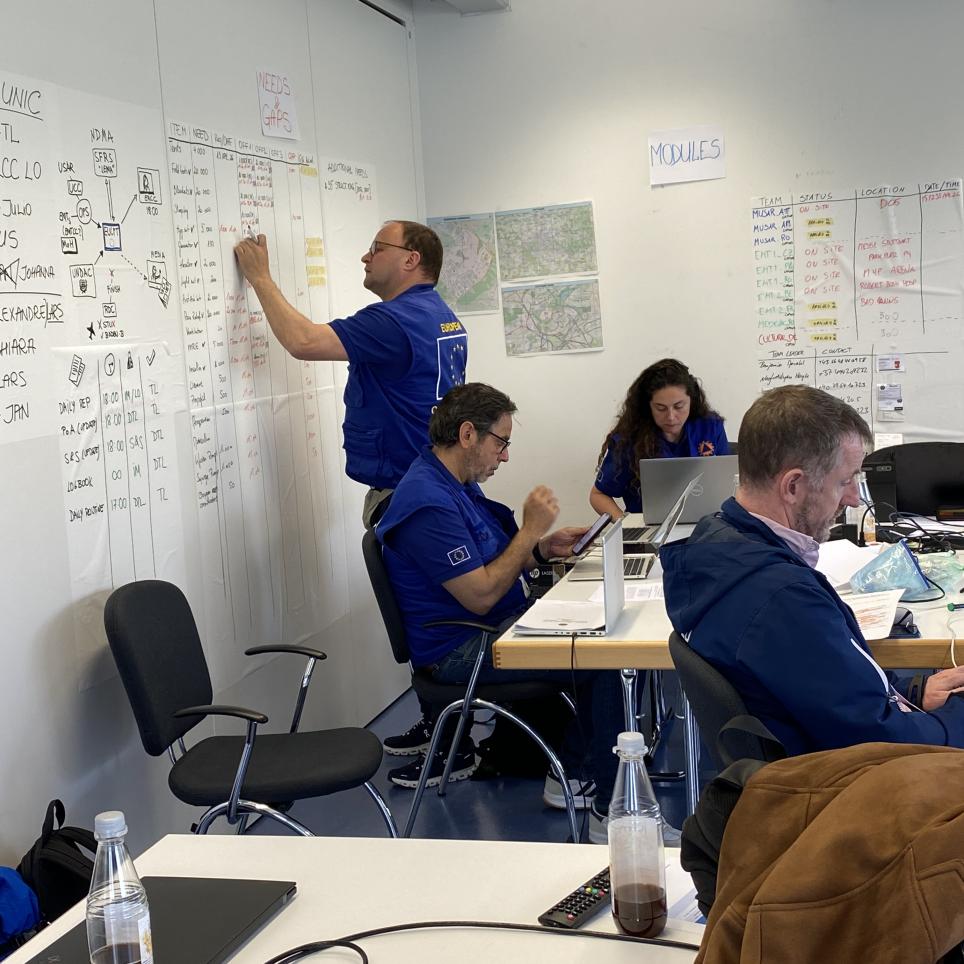
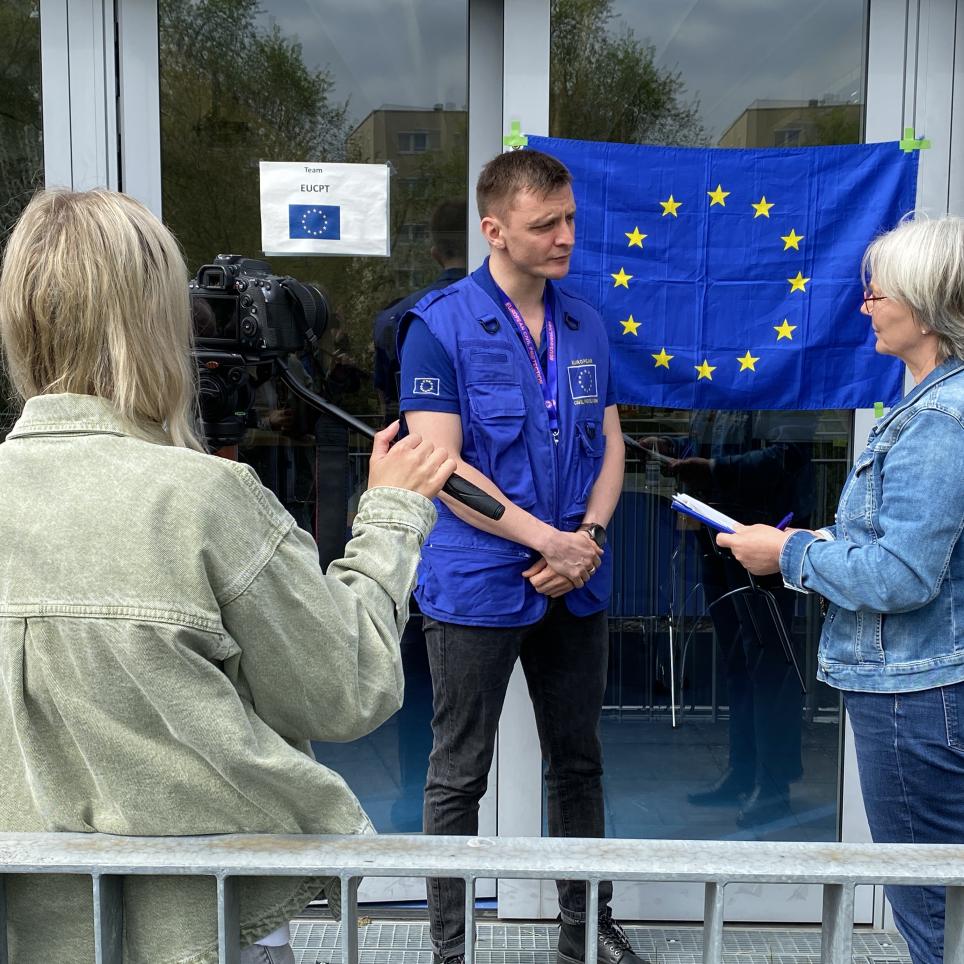
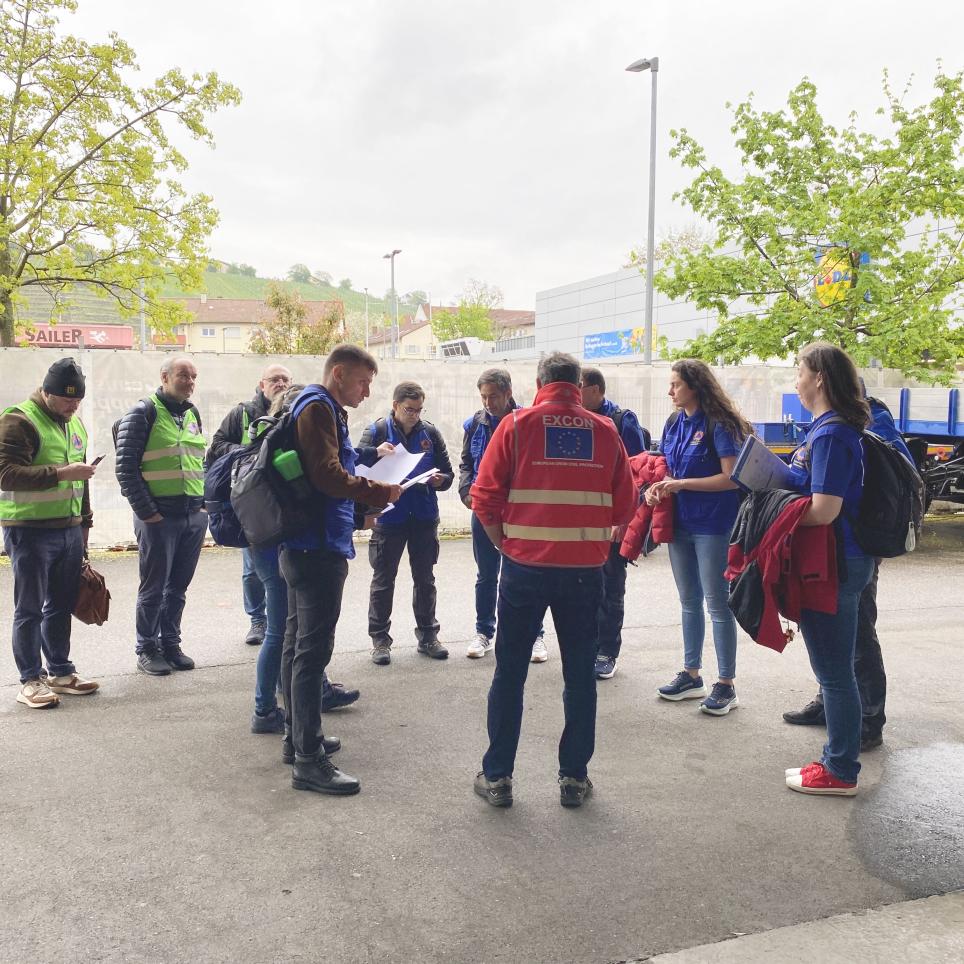
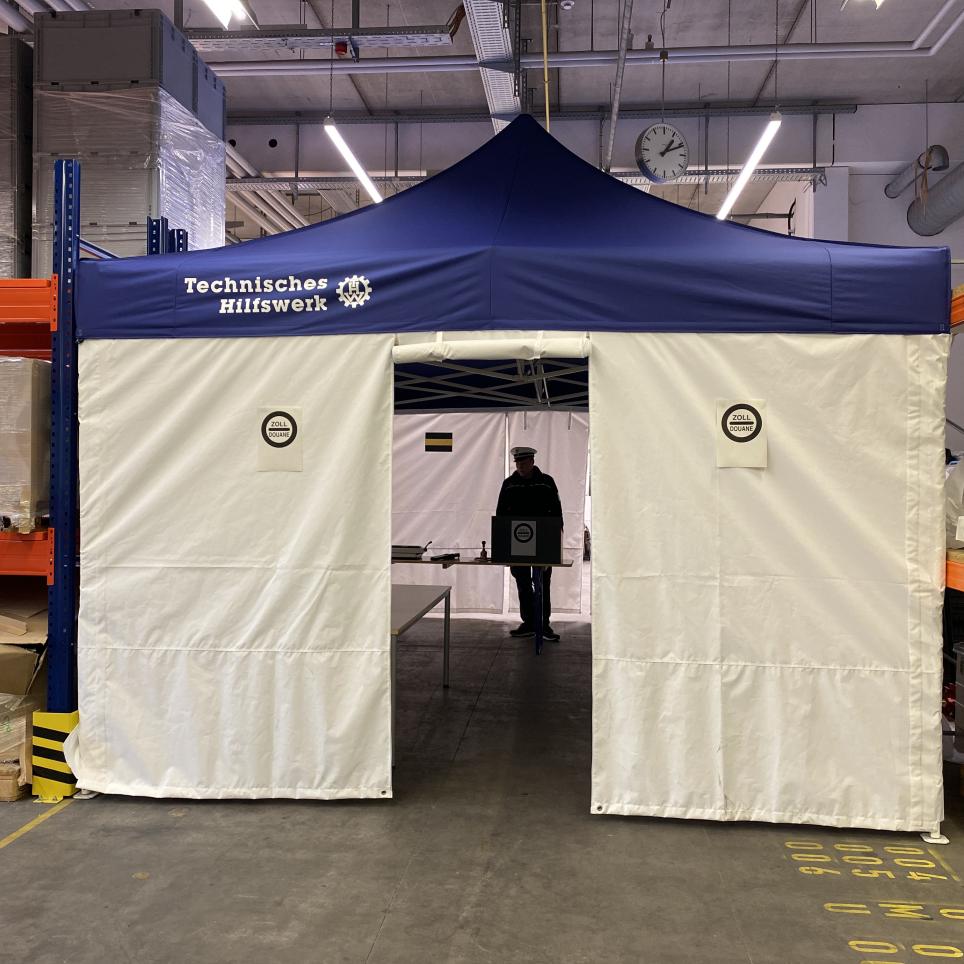
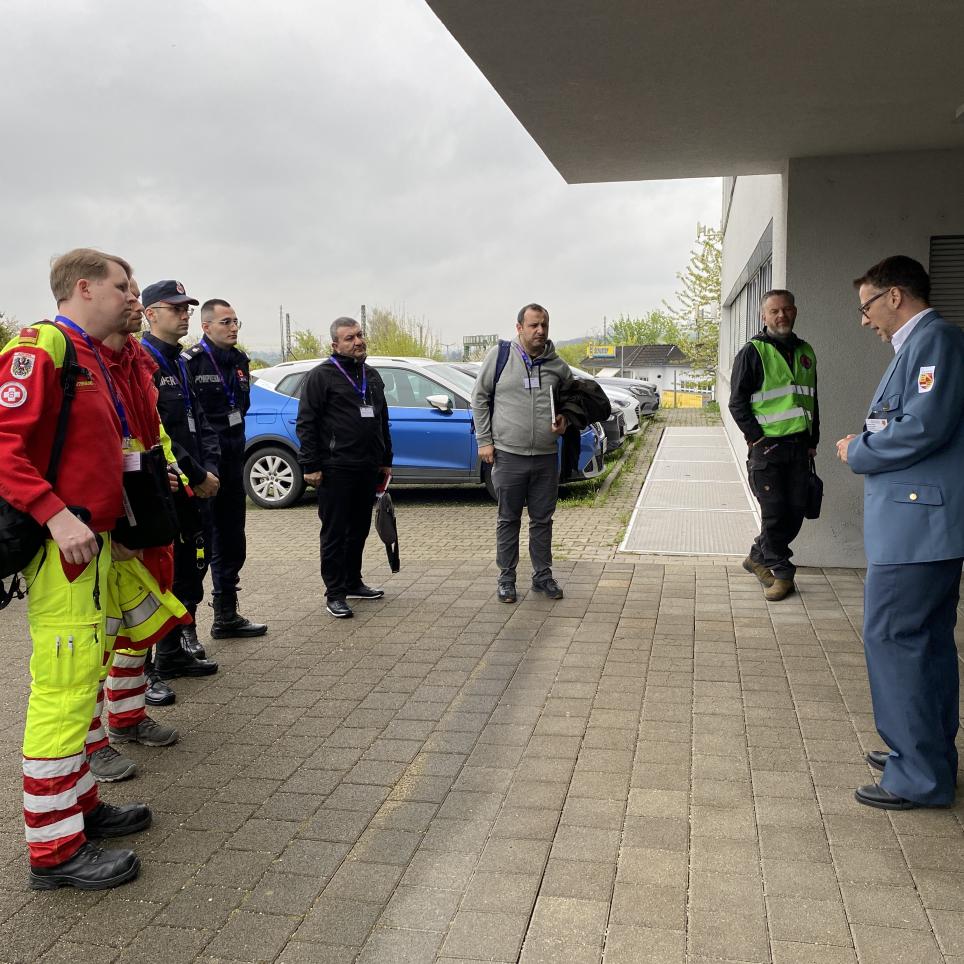
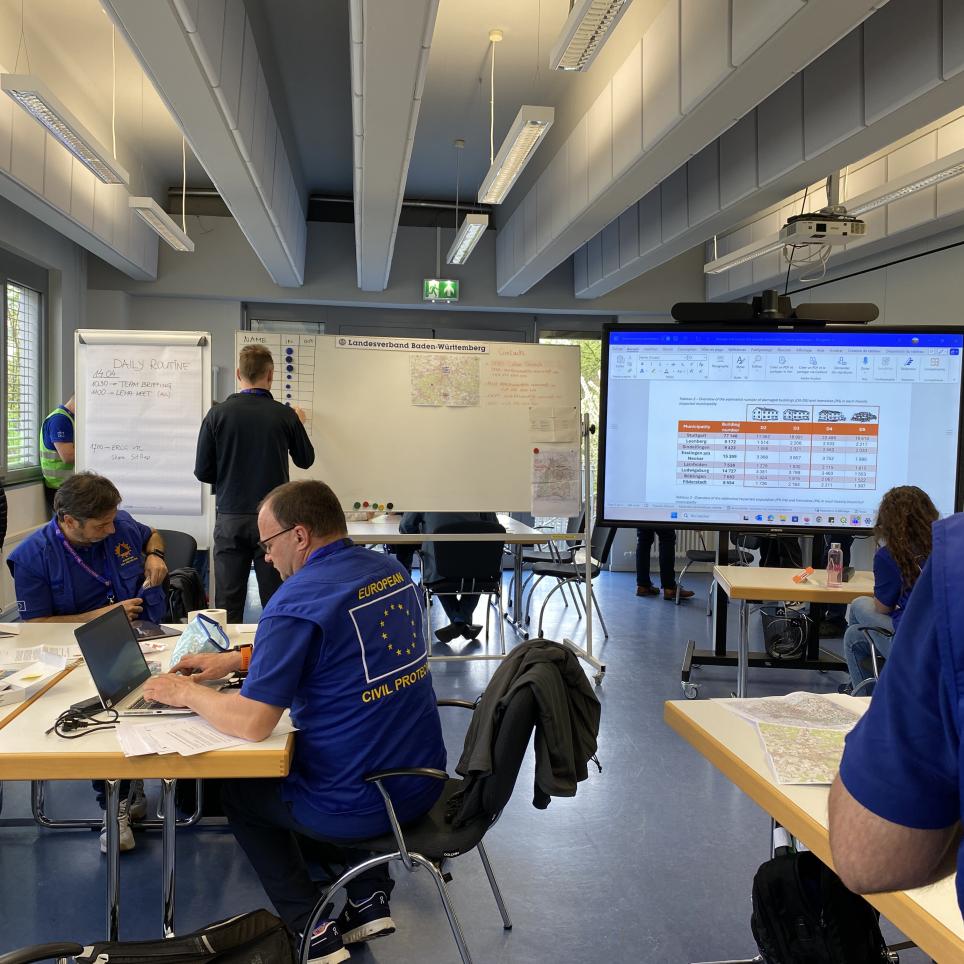
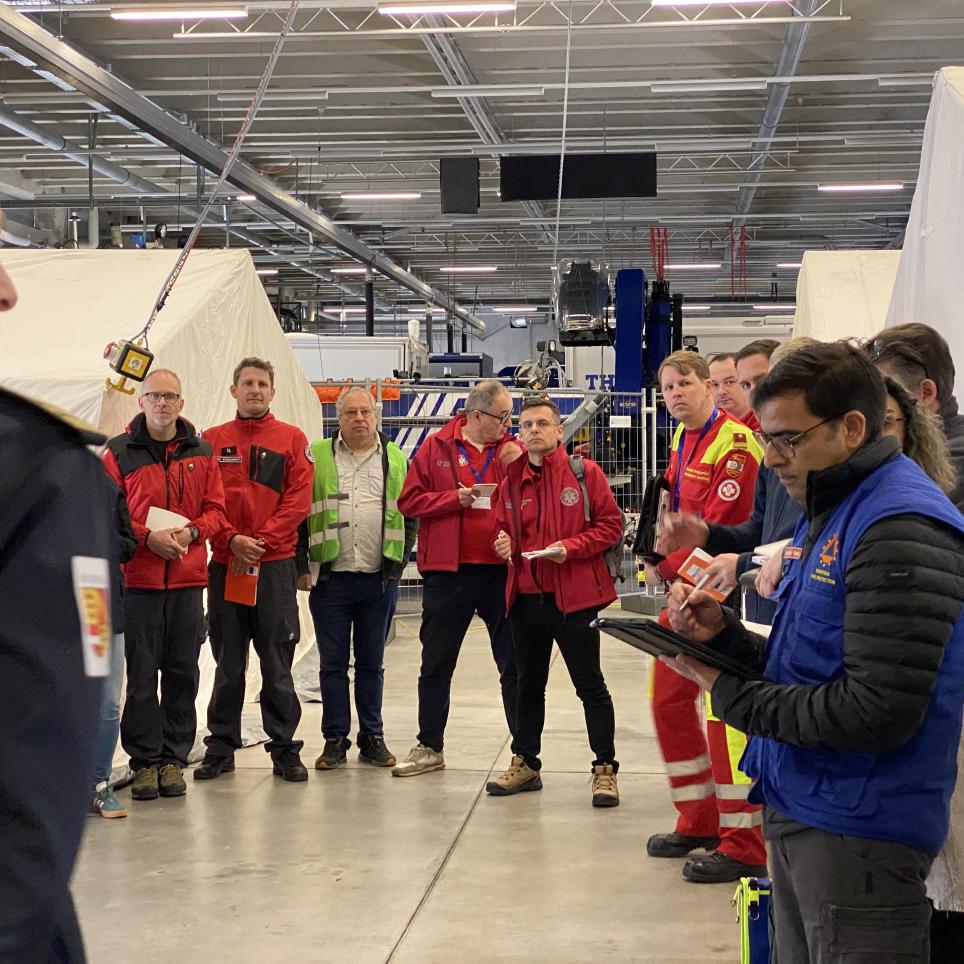
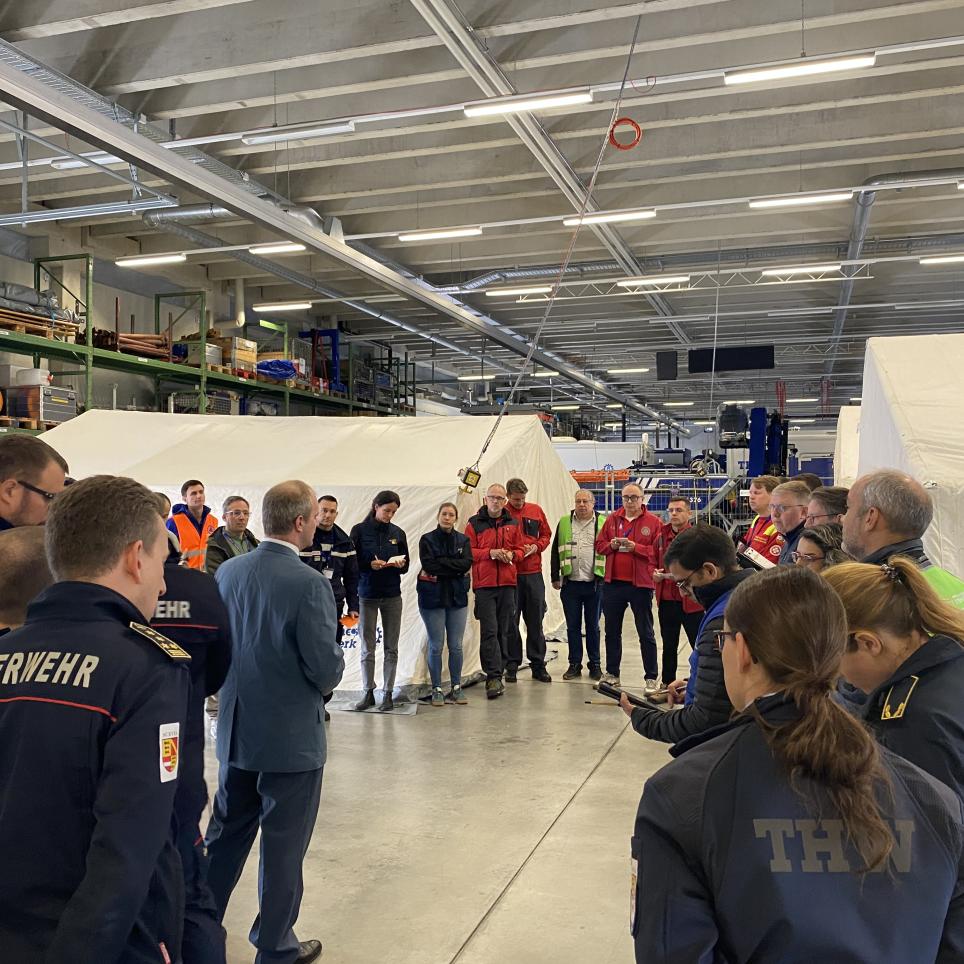
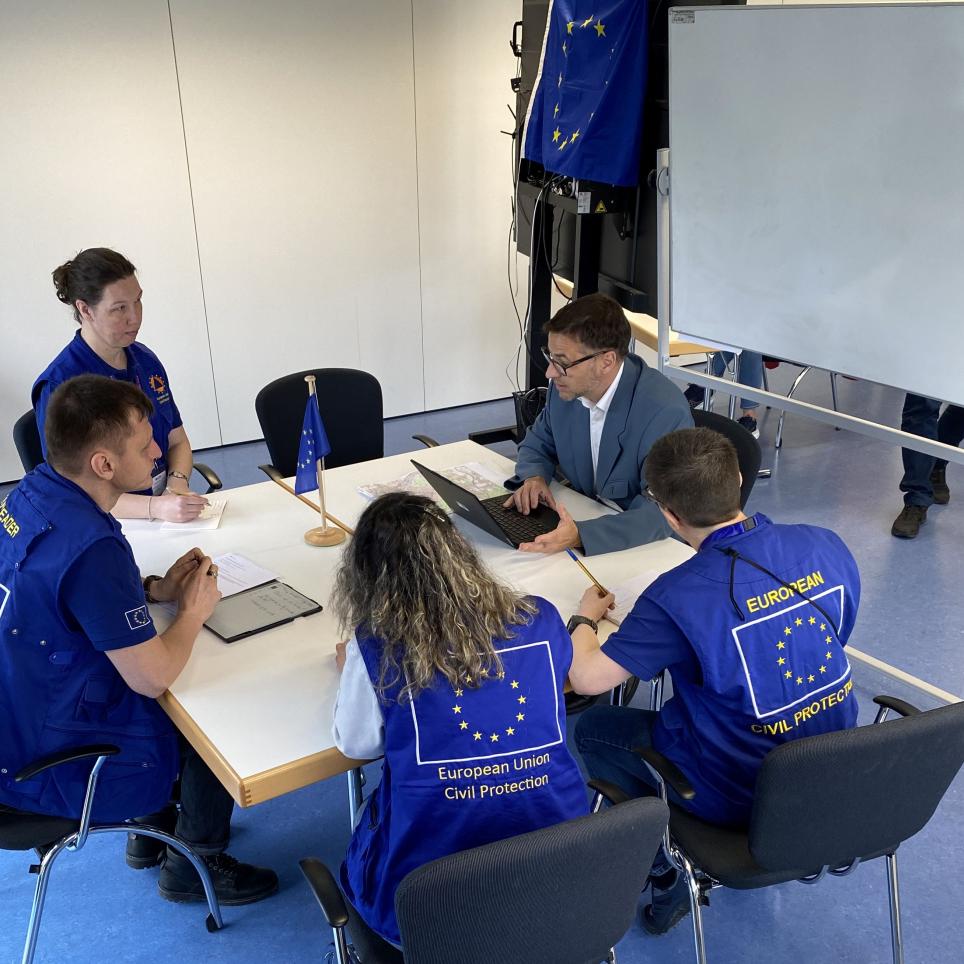
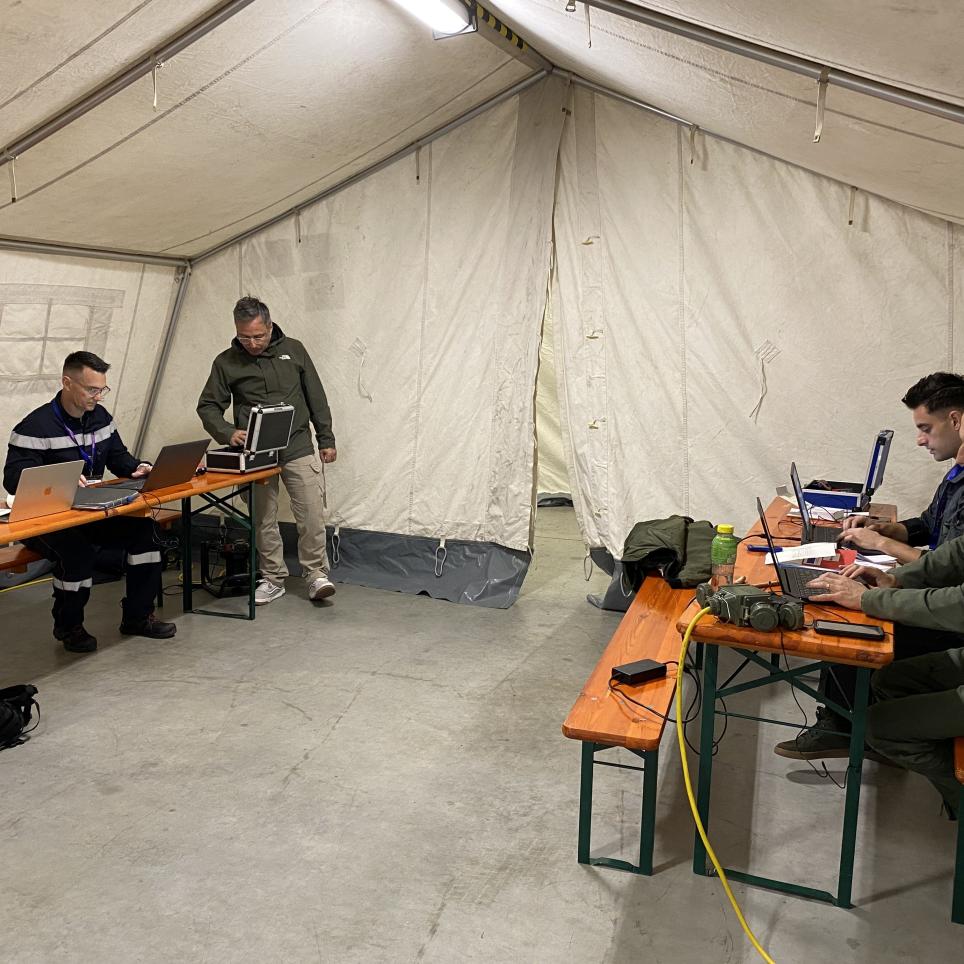
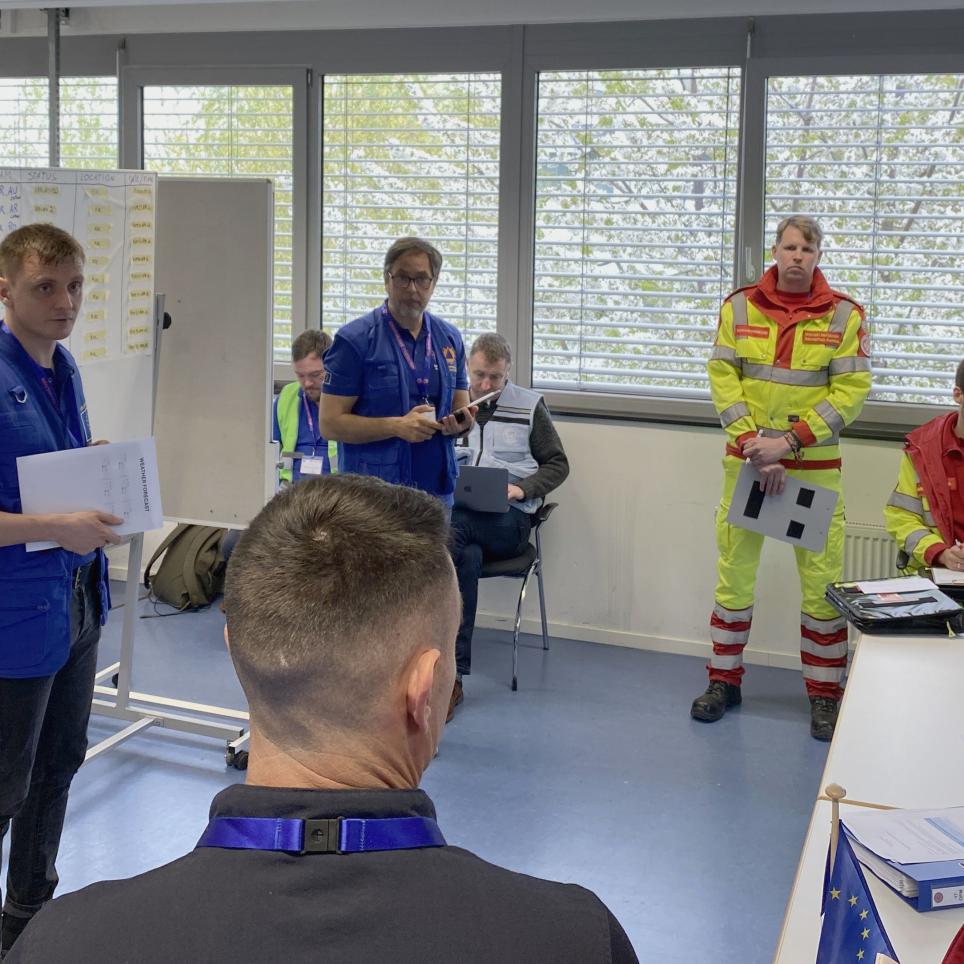
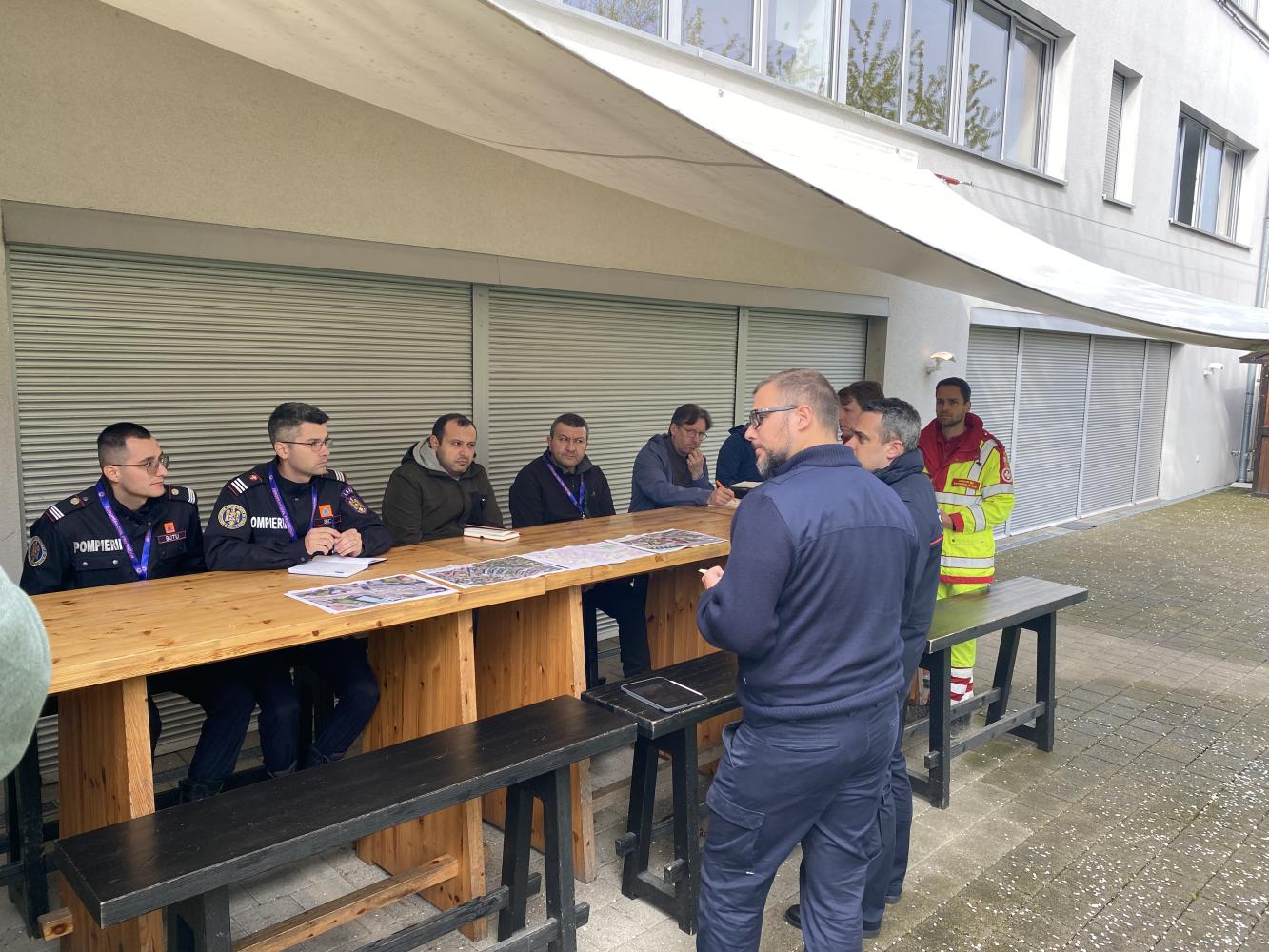
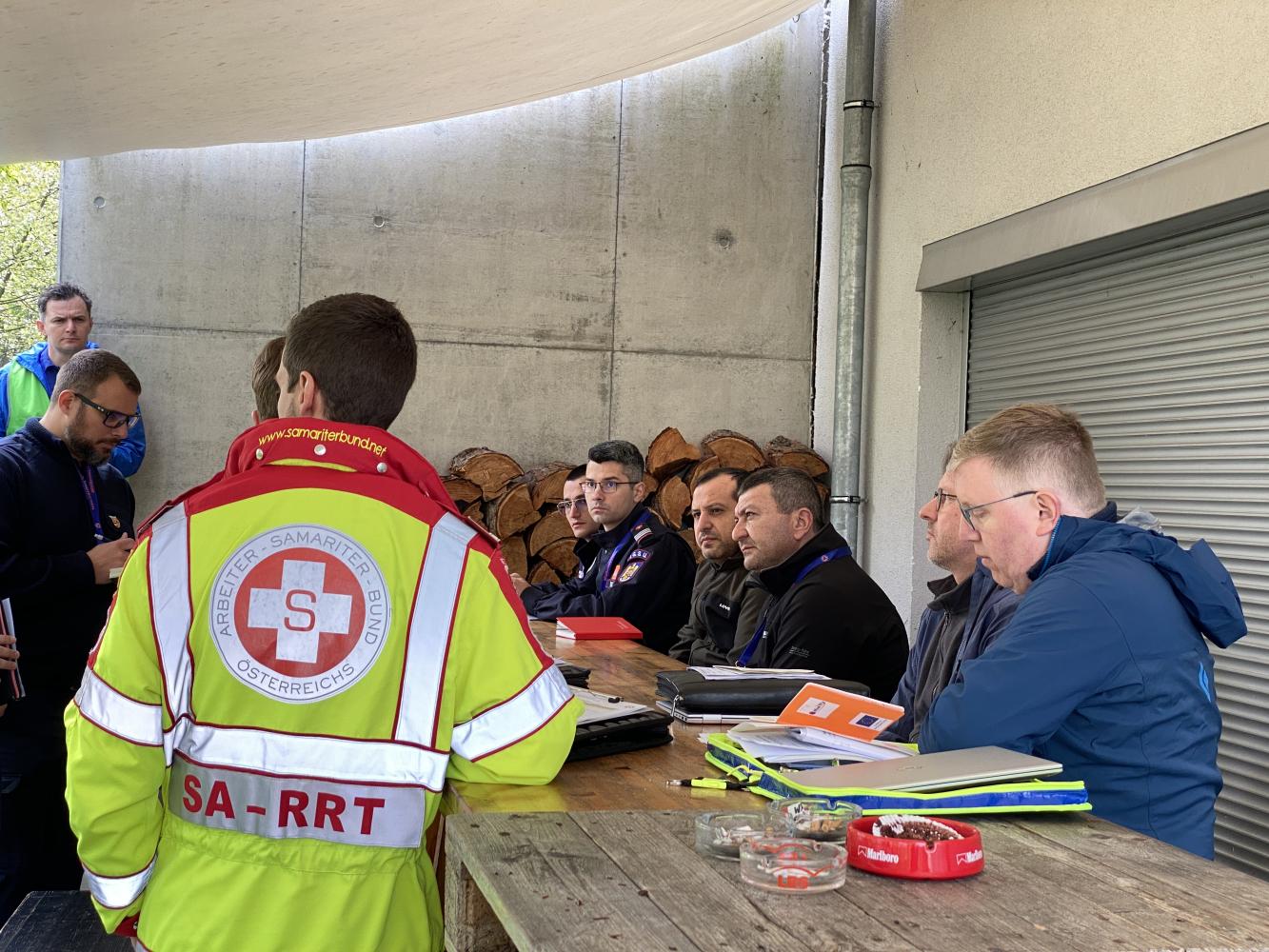
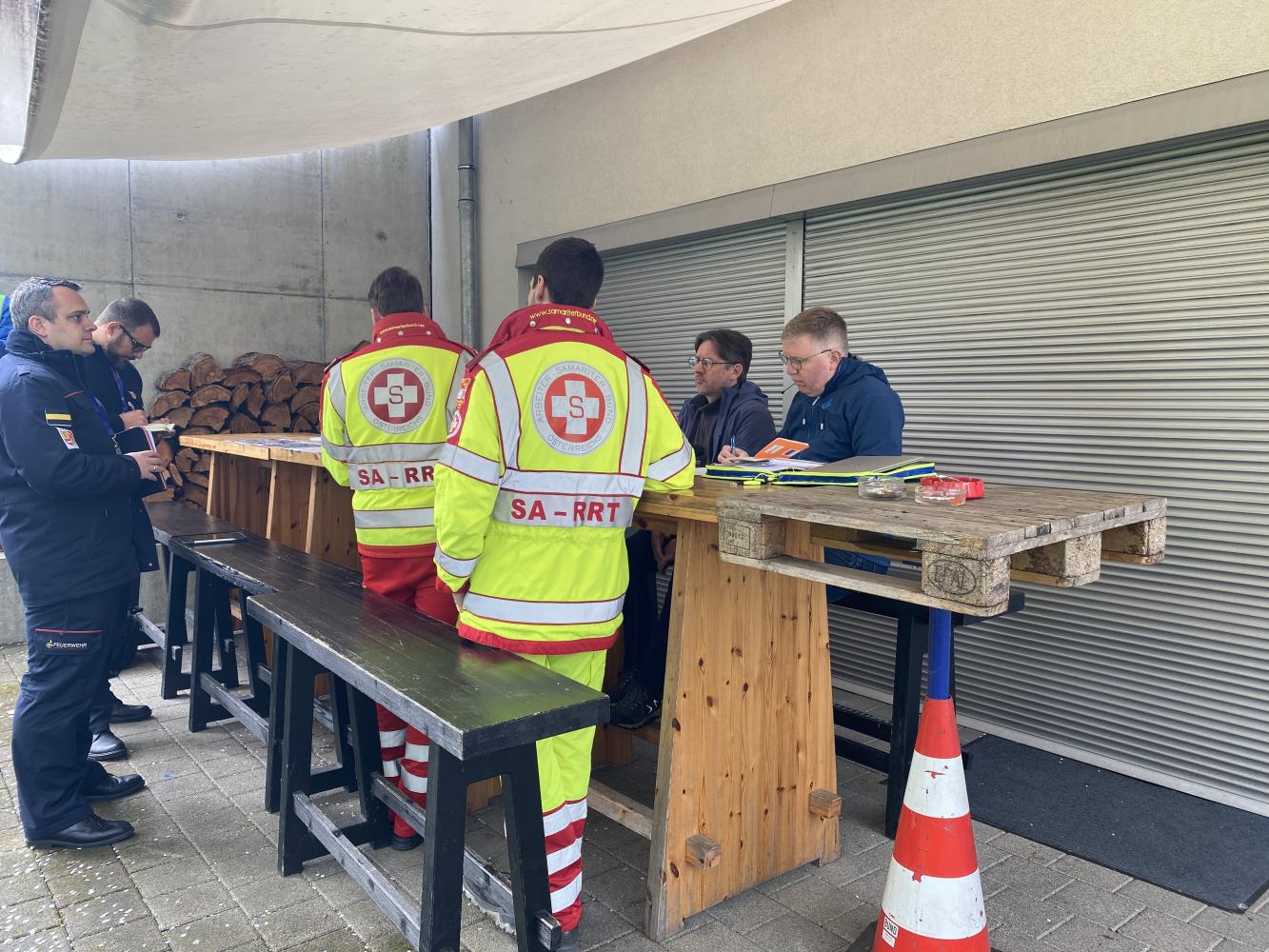
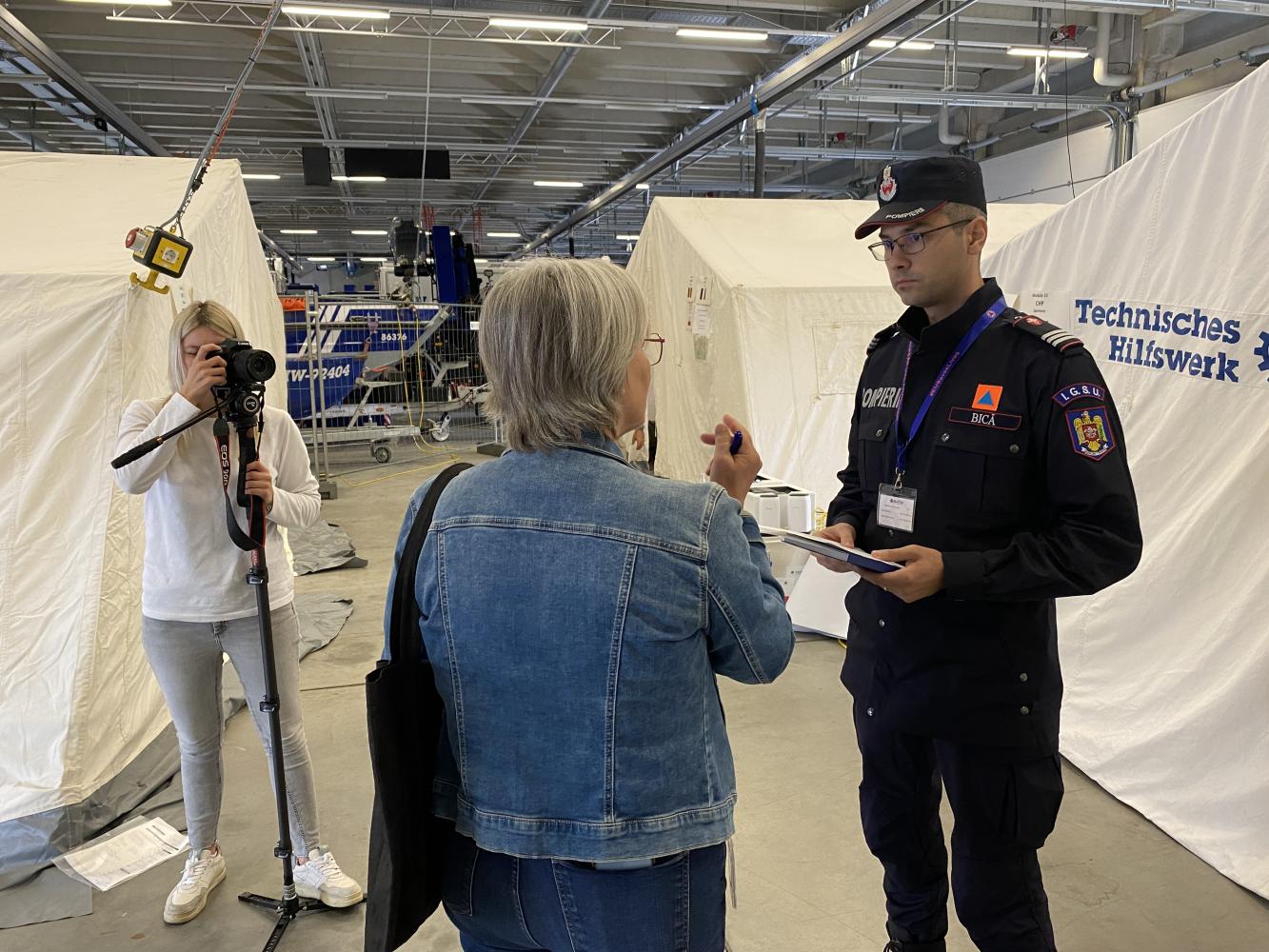
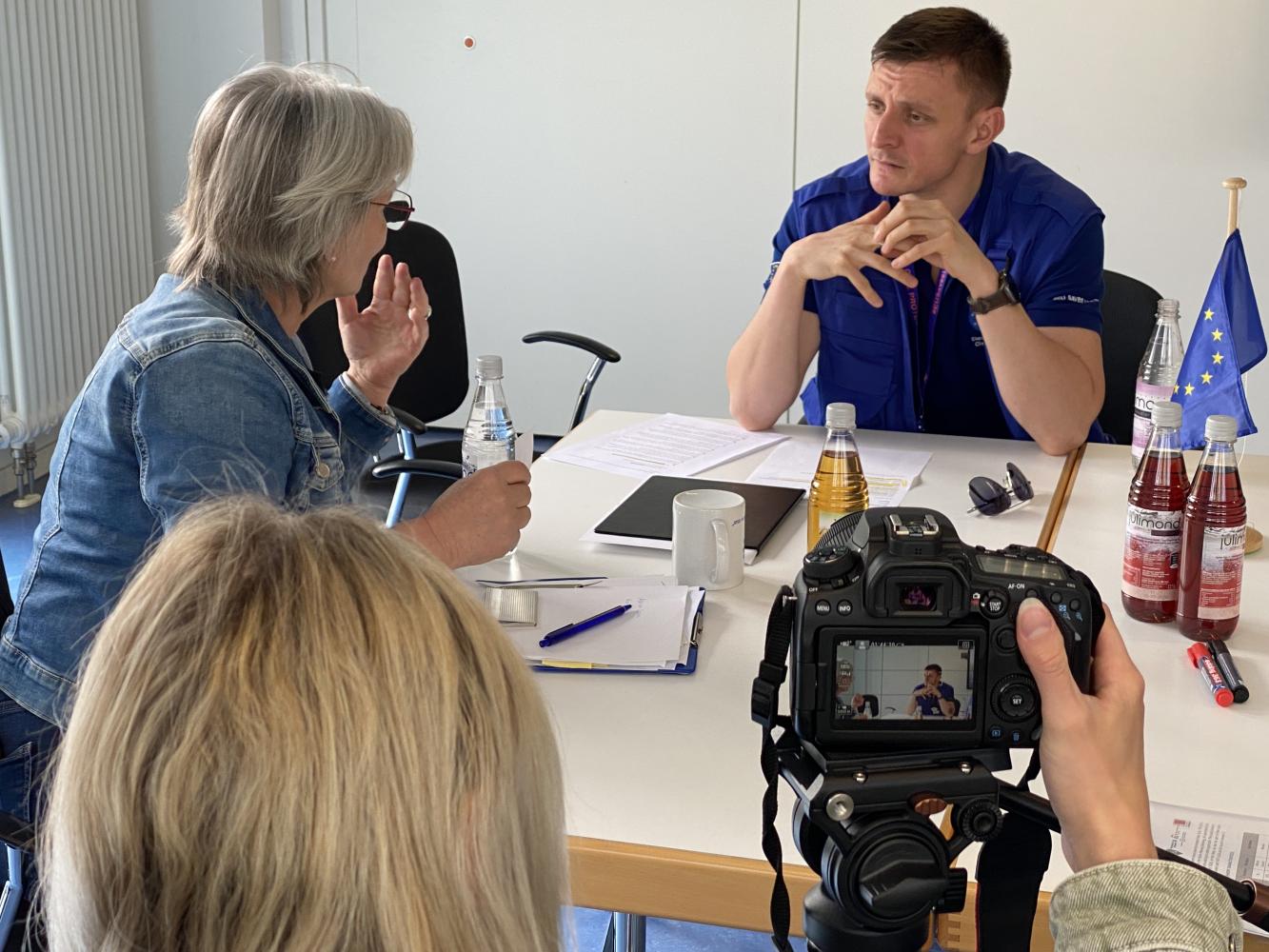
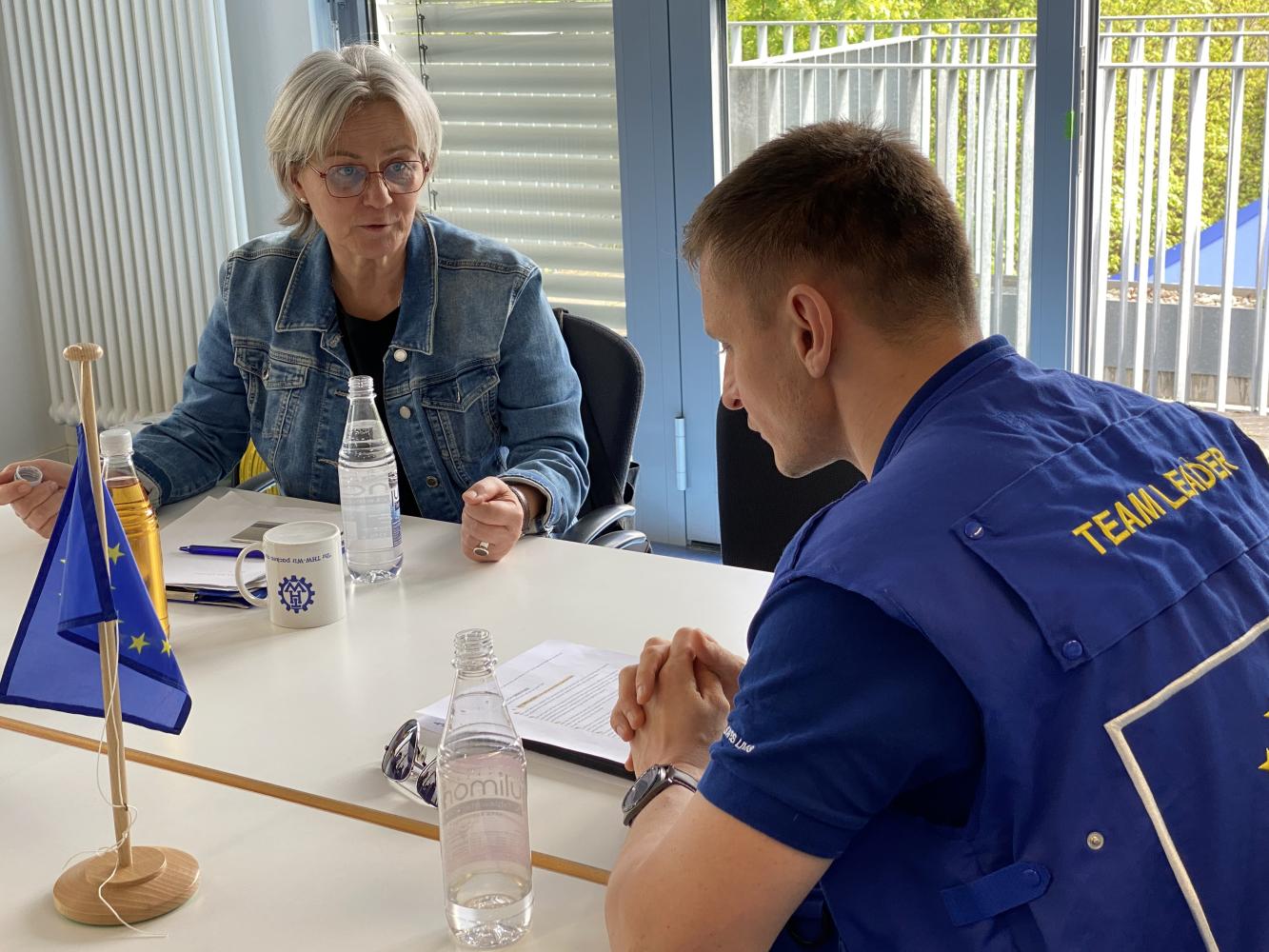
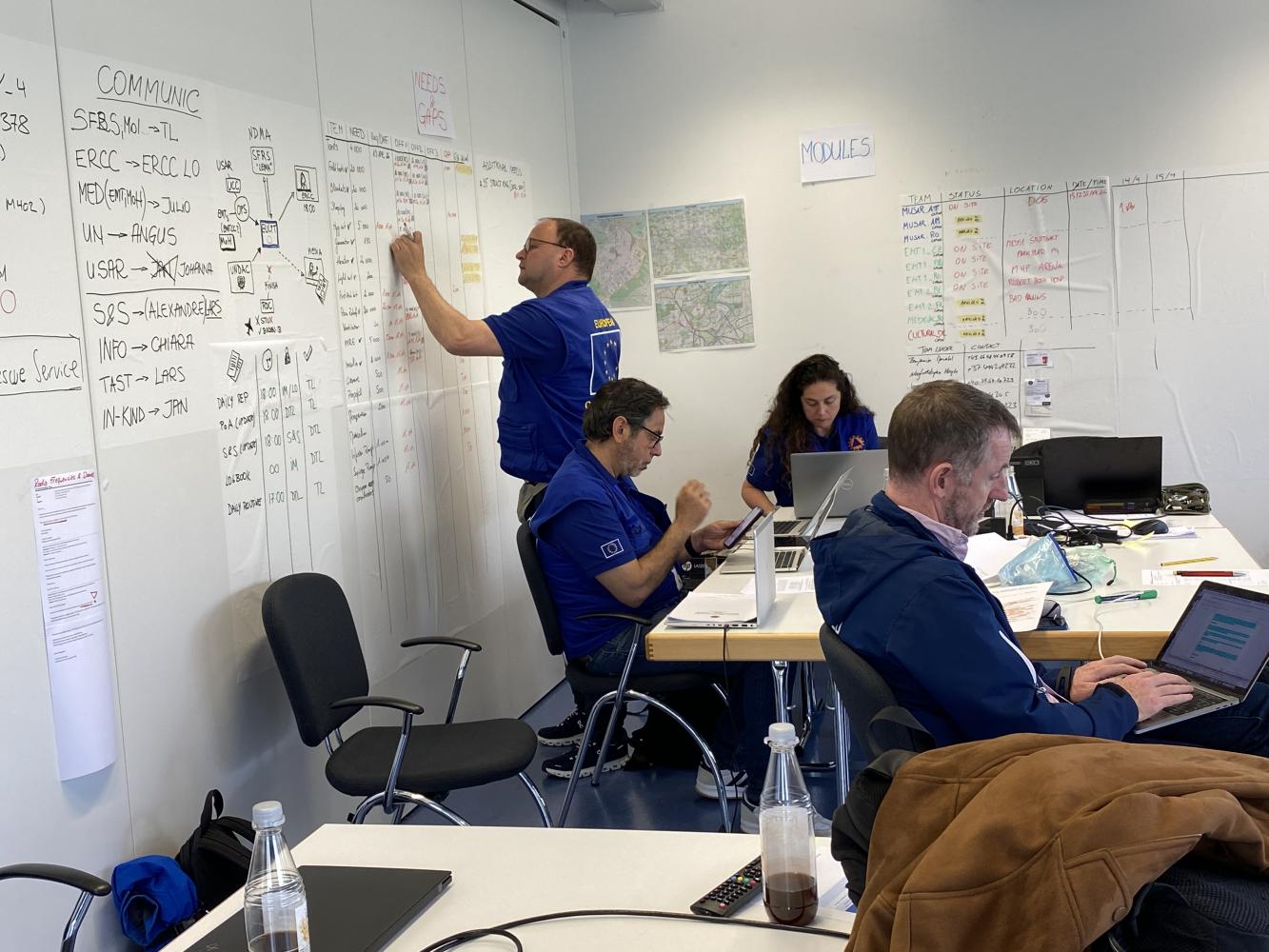
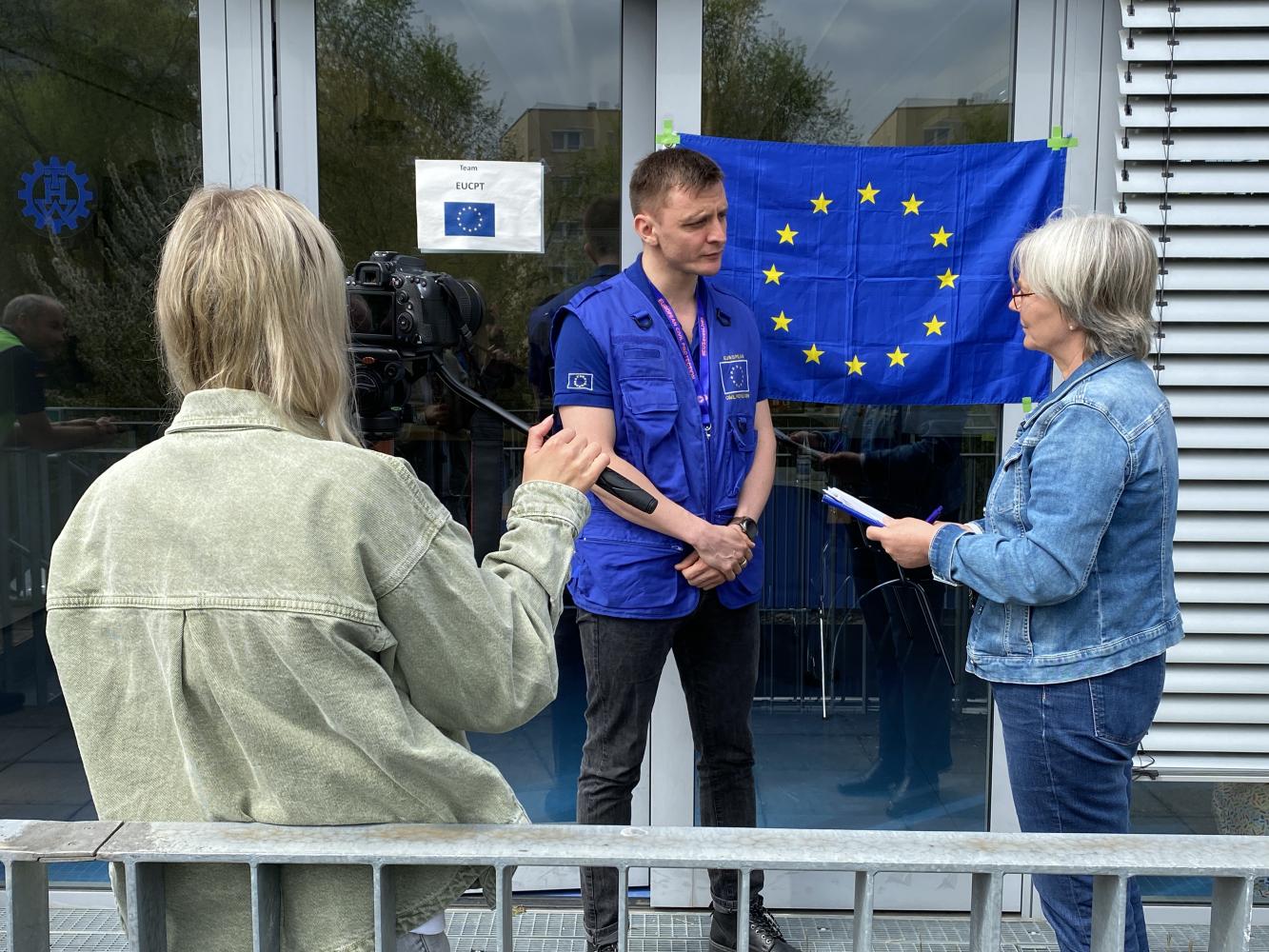
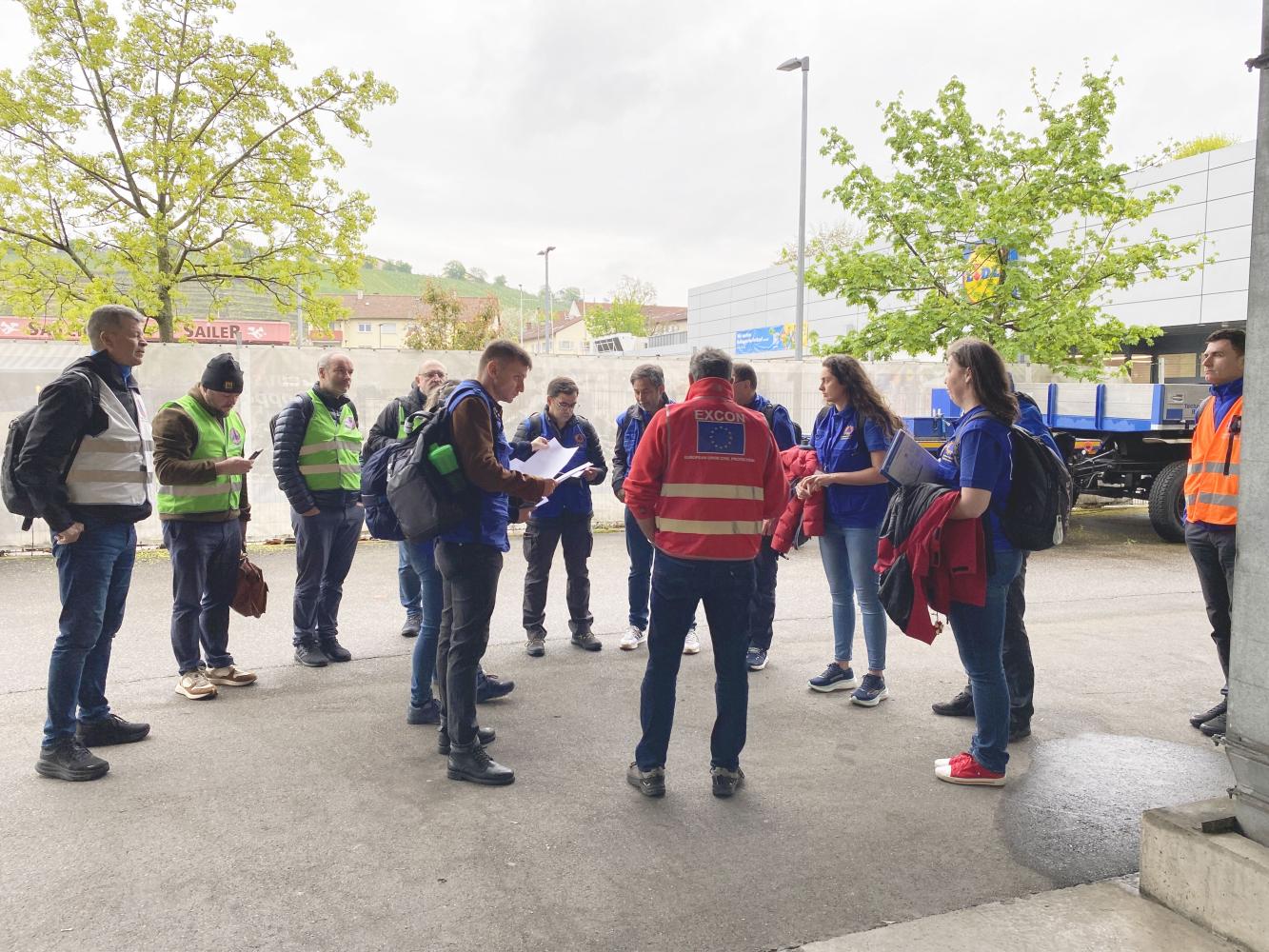
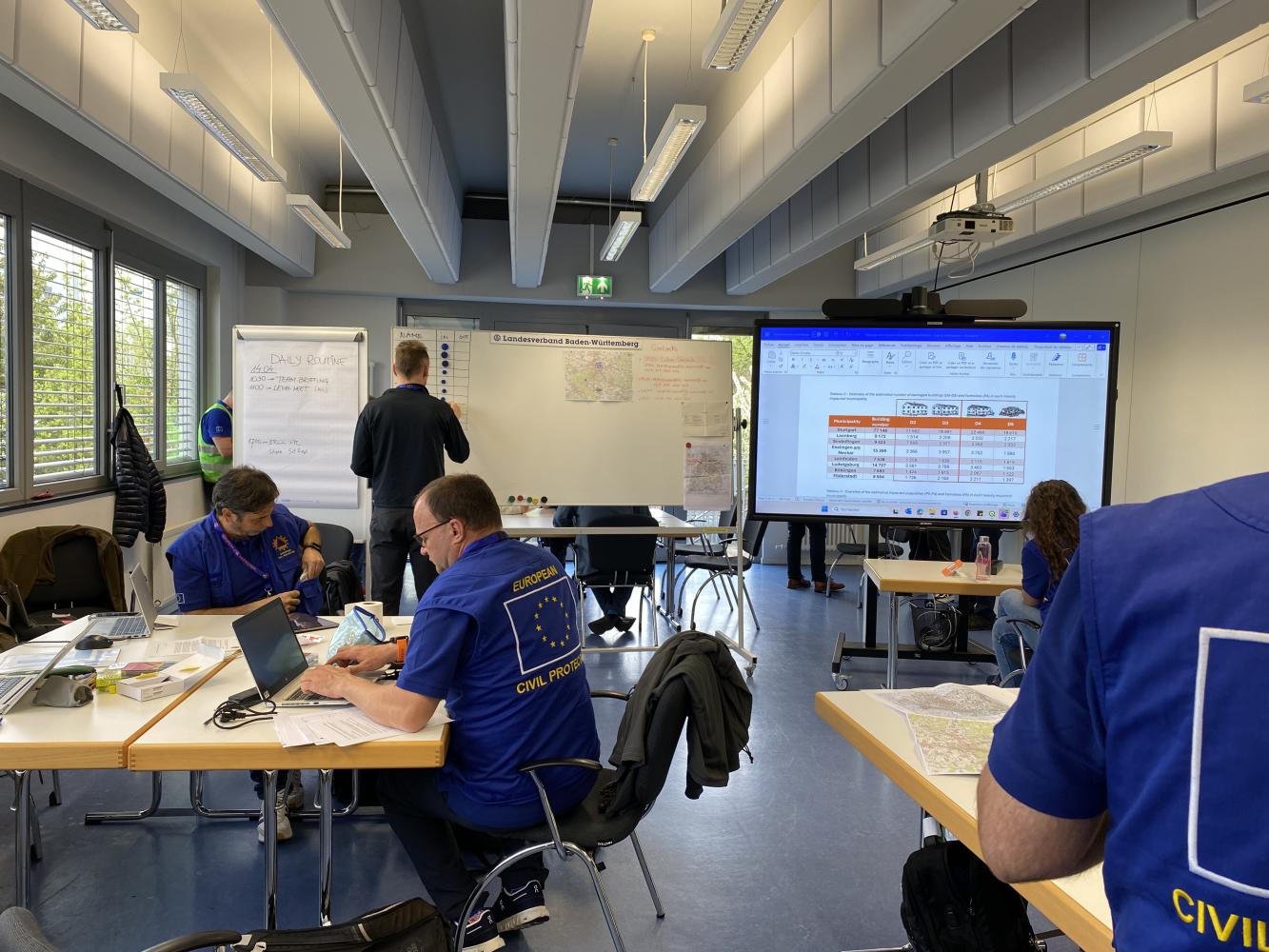
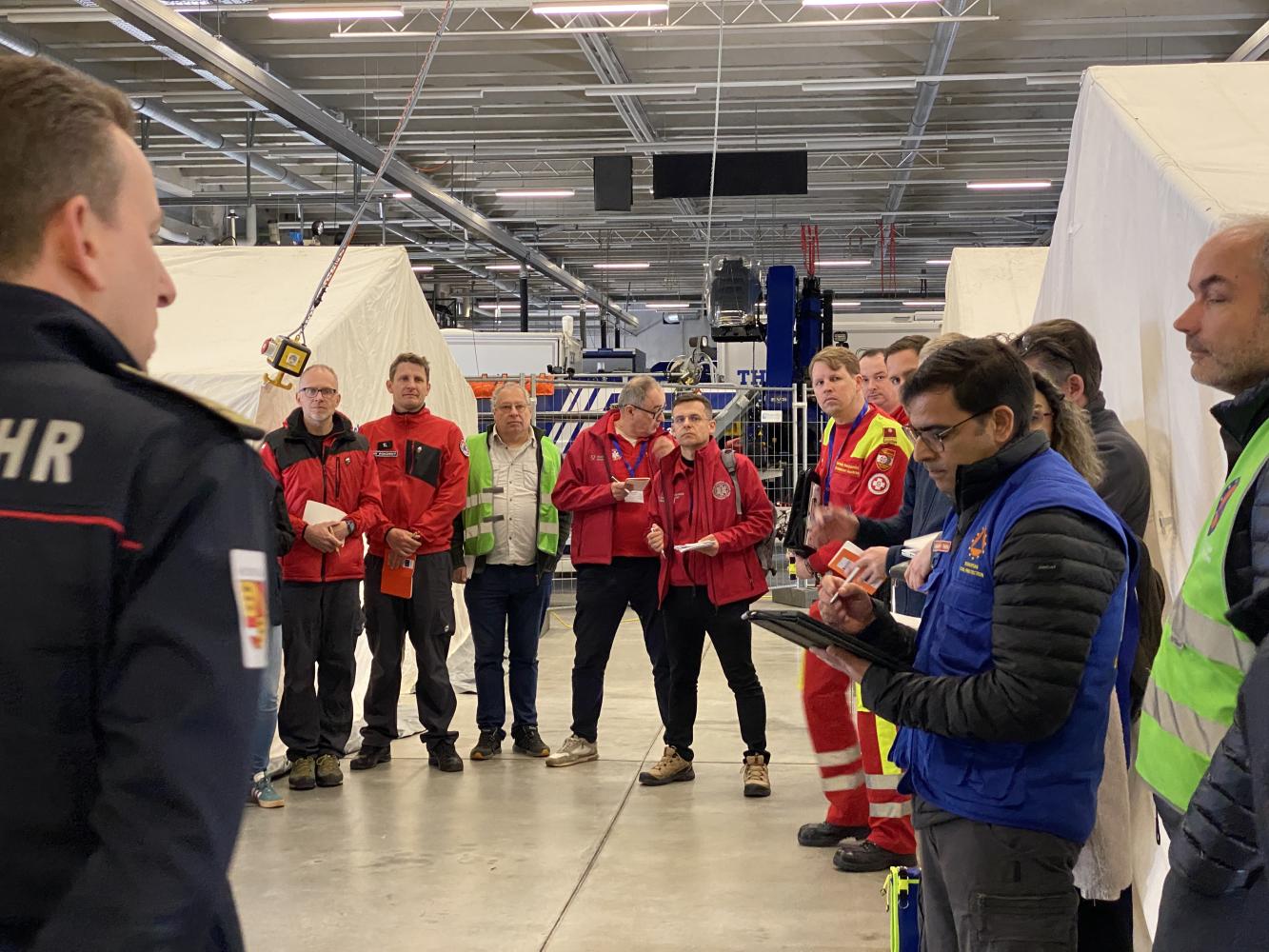
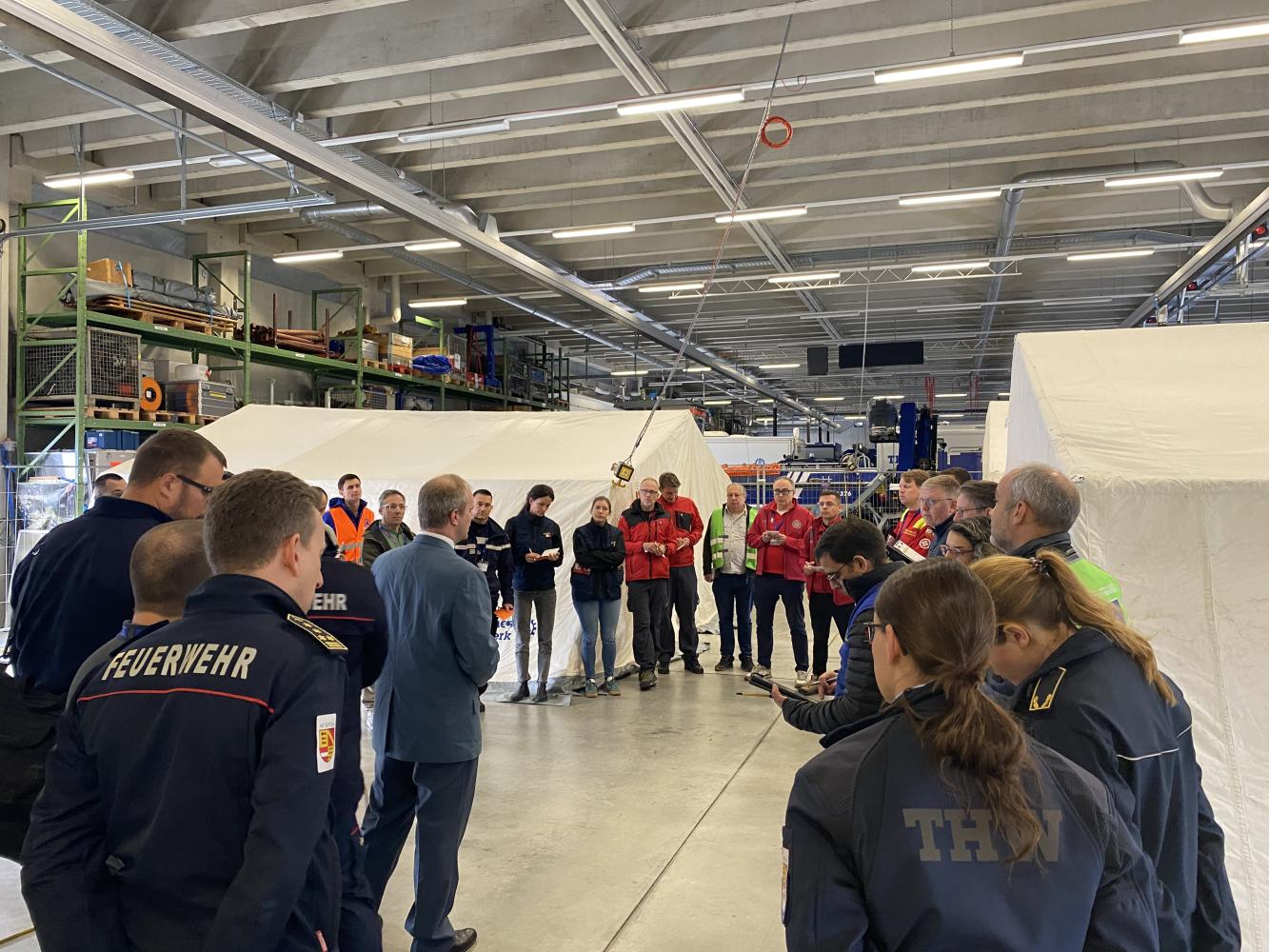
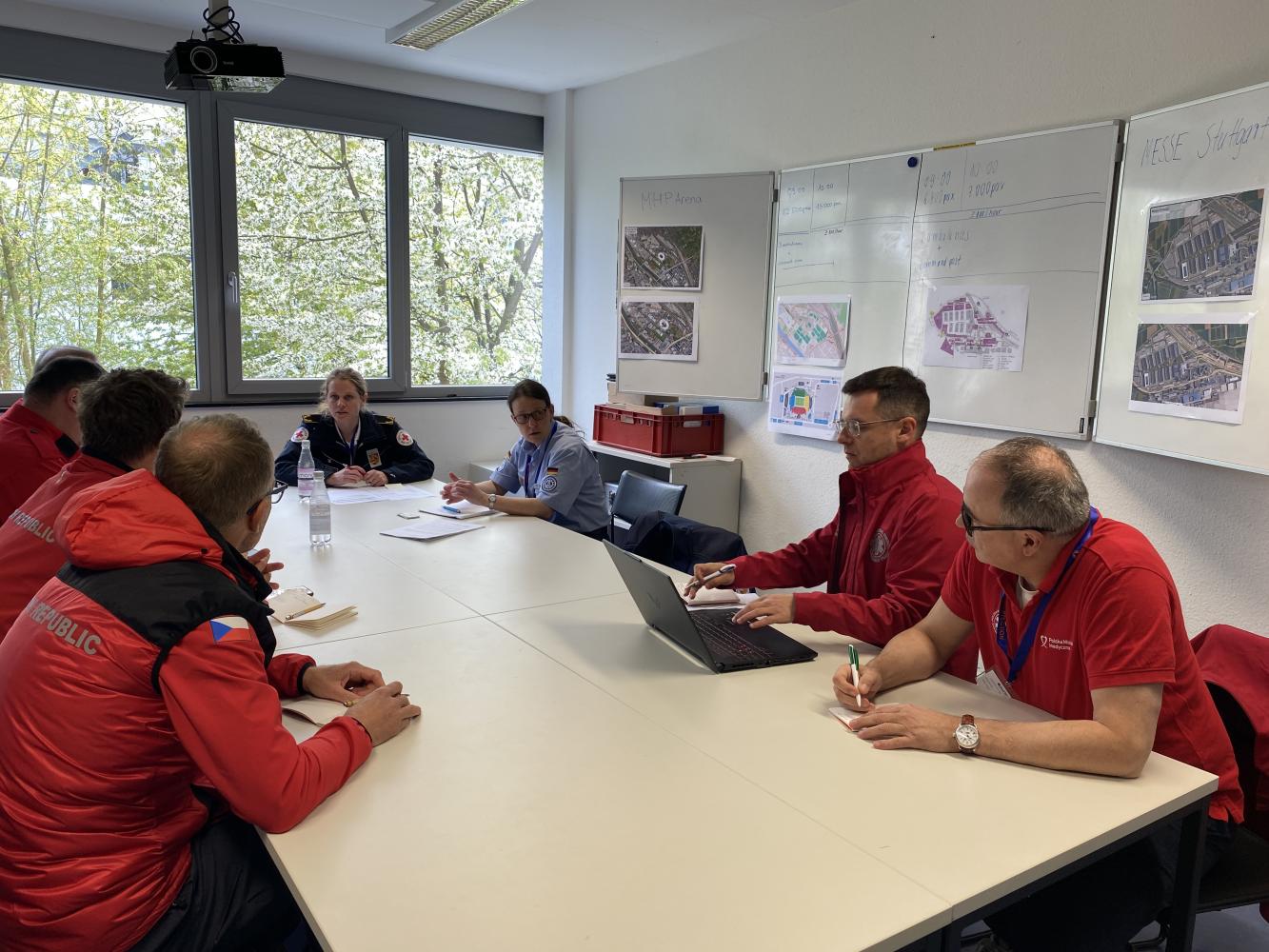
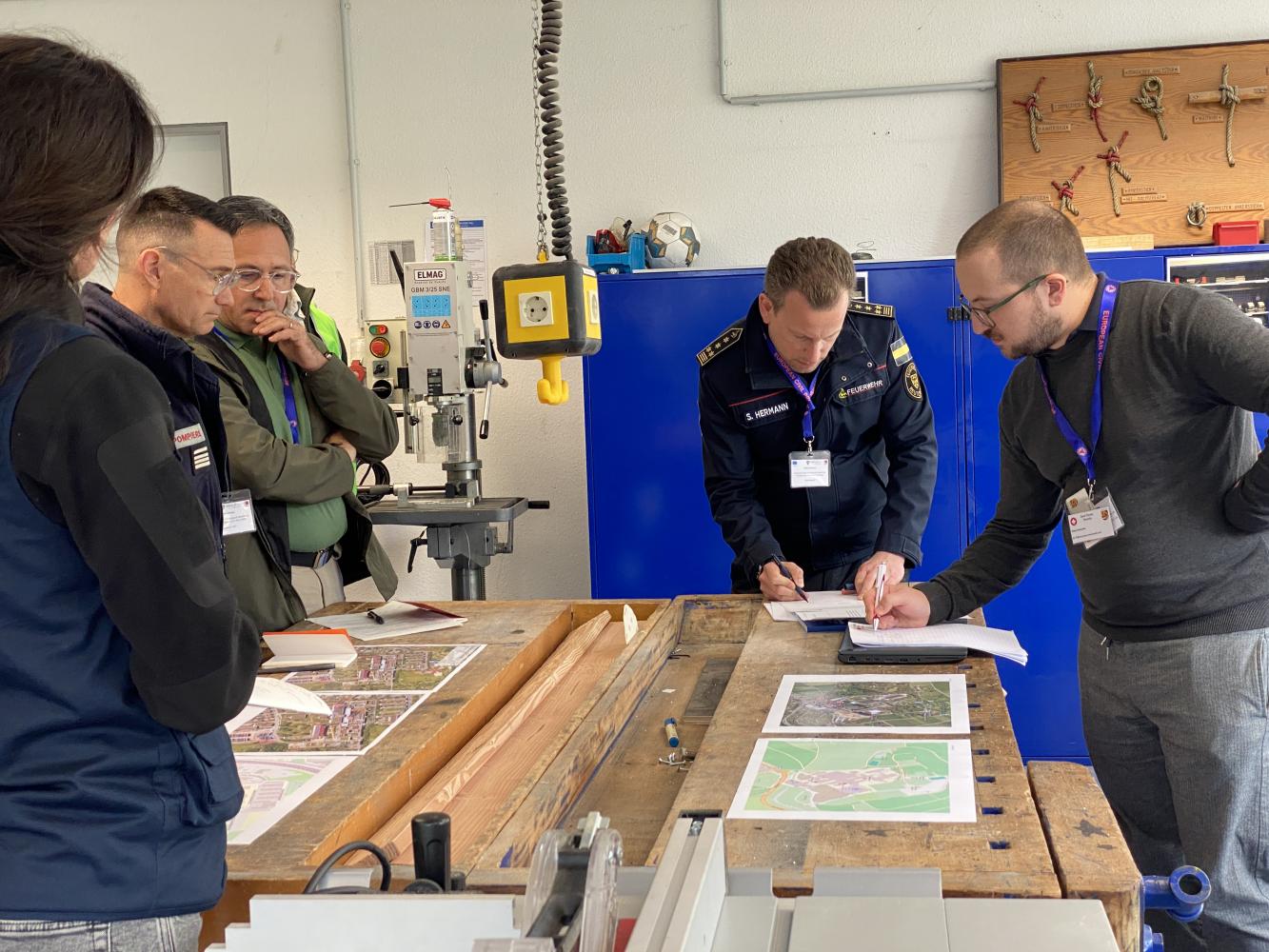
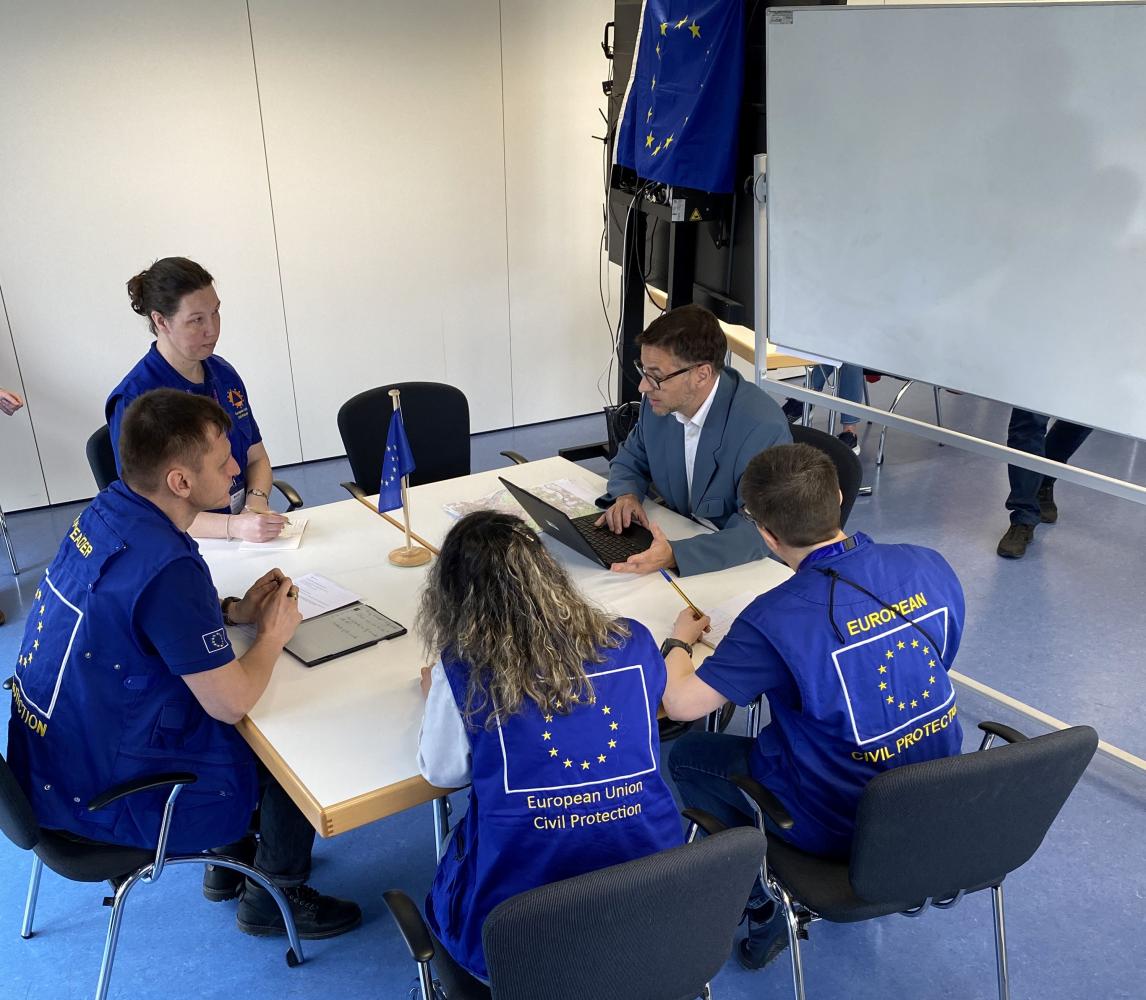
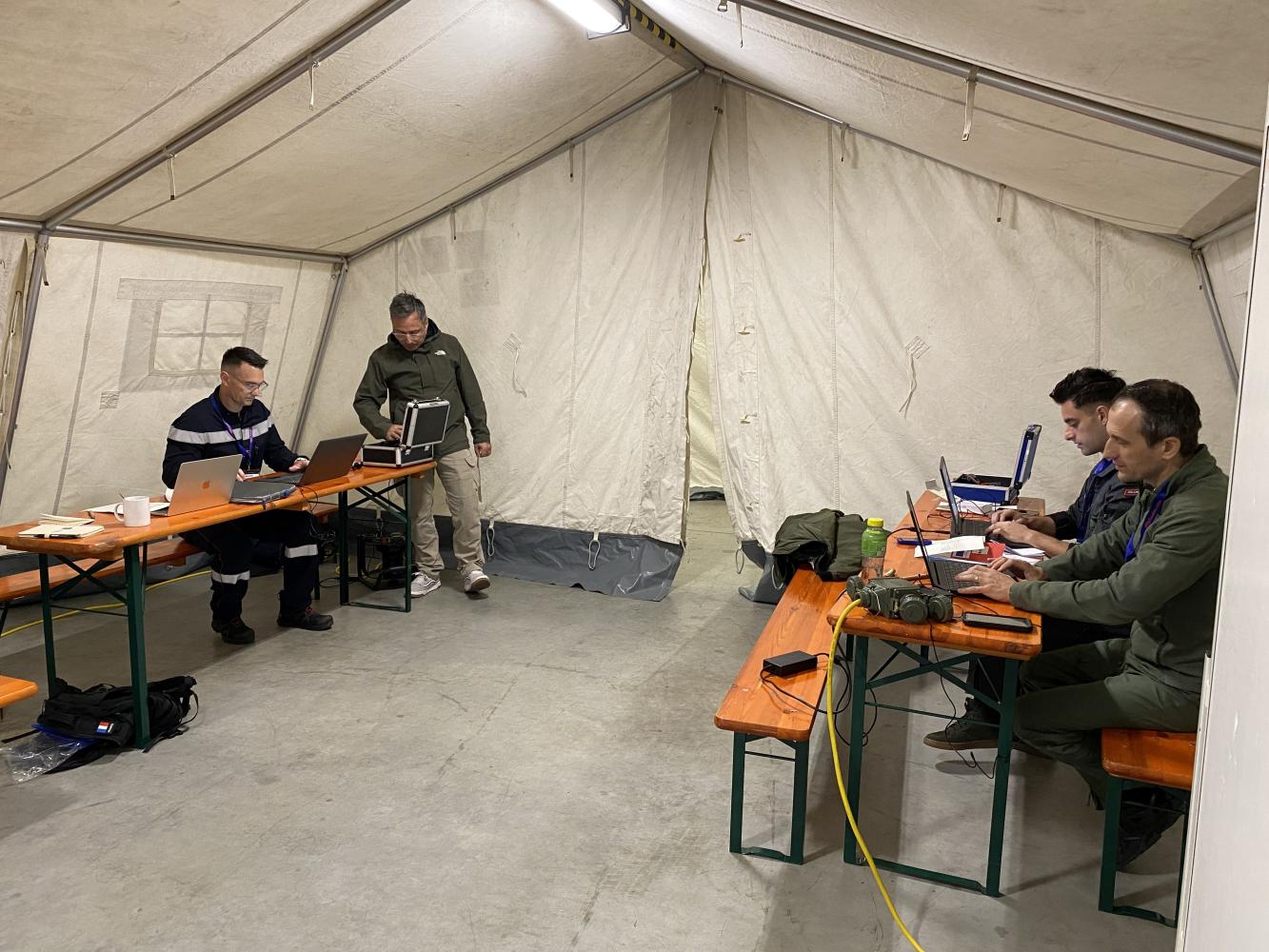
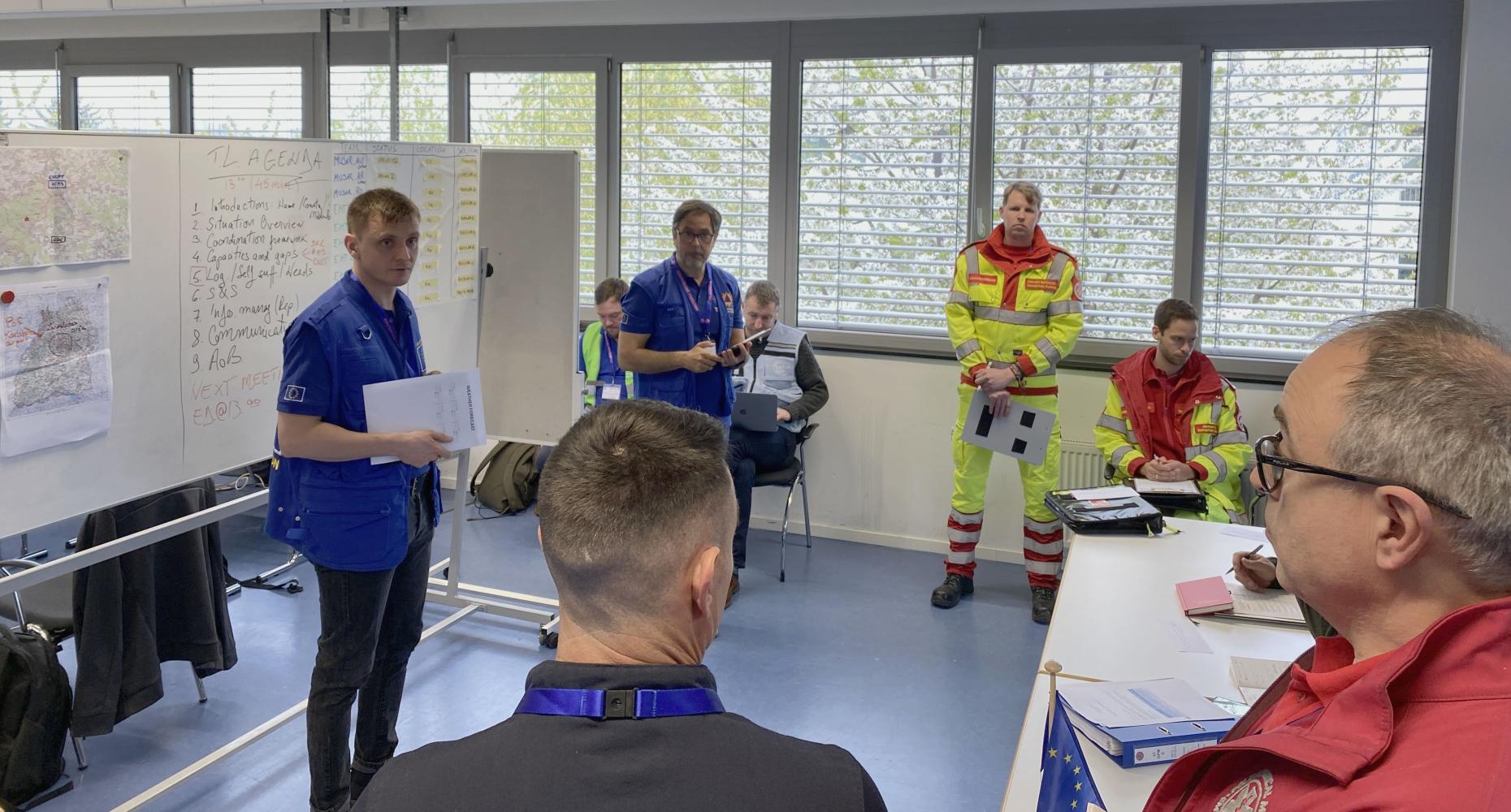
The eighth Modules Table-Top Exercise (ModTTX8) took place from 13th to 17th April 2026 in Stuttgart, Germany. It was conducted at the THW Regional Office of the state of Baden-Württemberg and emphasized an earthquake scenario in a fictional country outside of the EU.
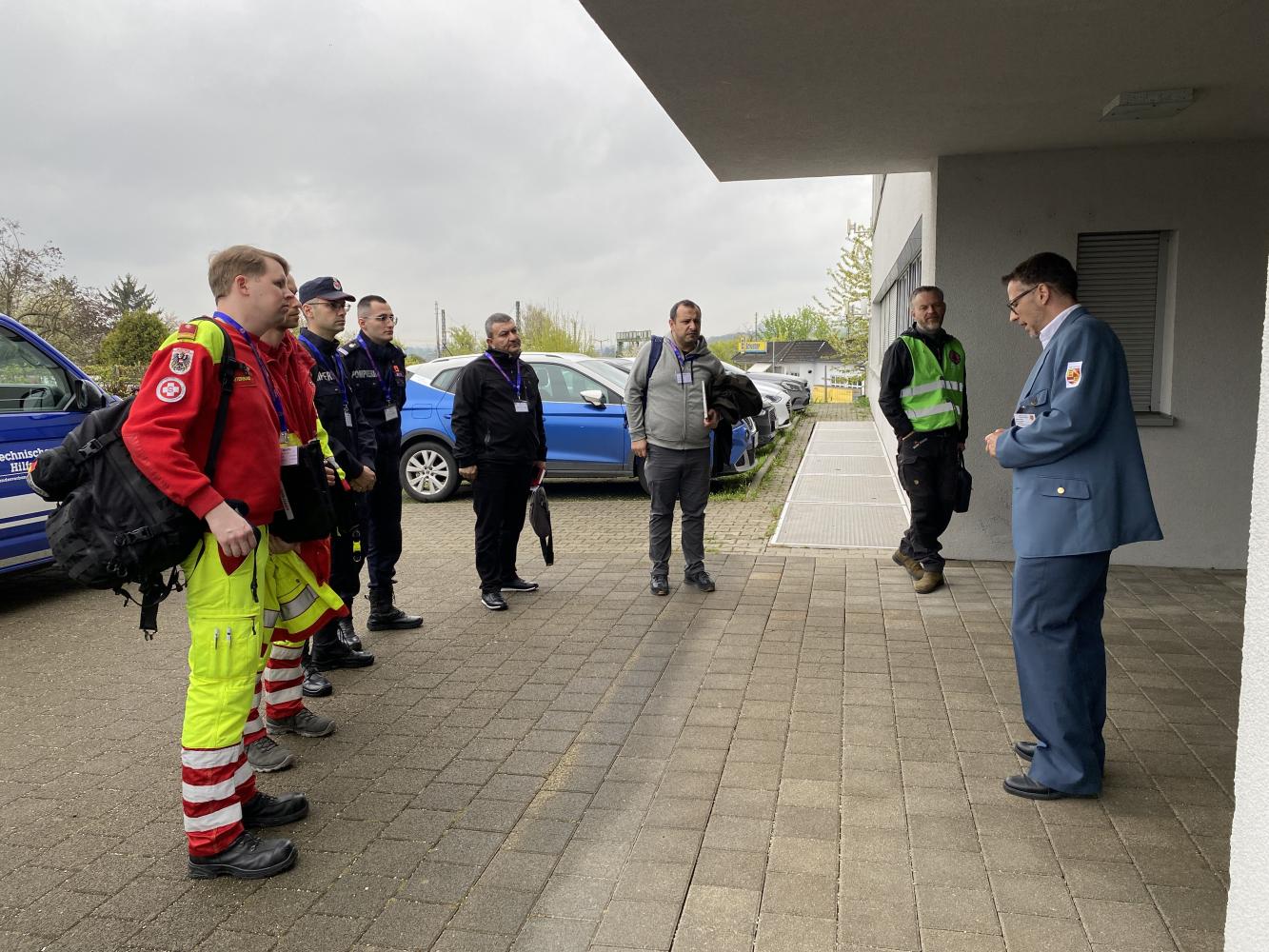
There were 30 participants from 15 different countries comprising of ten Modules Key Personnel teams, an EUCP Team including a TAST and an UNDAC expert who took part in this exercise. Including Exercise Control (EXCON), coach/trainers, role players and support staff, about 82 persons were involved in the exercise. It was hosted by the Germany Federal Agency for Technical Relief (THW-DE), in cooperation with the rest of the consortium, formed of the Escola Nacional de Bombeiros (ENB-PT), the Federal Public Service Home Affairs – Directorate-General for Civil Protection of Belgium (DGCP-BE), the Administration of the Republic of Slovenia for Civil Protection and Disaster Relief (URSZR-SI), and the Ministry of the Interior of the Republic of Croatia (MUP).
The Modules present were EMT type 2 from Belgium and France; EMT type 1 from the Czech Republic, Romania, and Poland; MEVAC from Romania; MUSAR from Romania, Armenia, and Austria; and Cultural Heritage Protection from German. The EUCPT consisted of eight members and was supported by a TAST from Denmark and an associated UNDAC expert from Ireland.
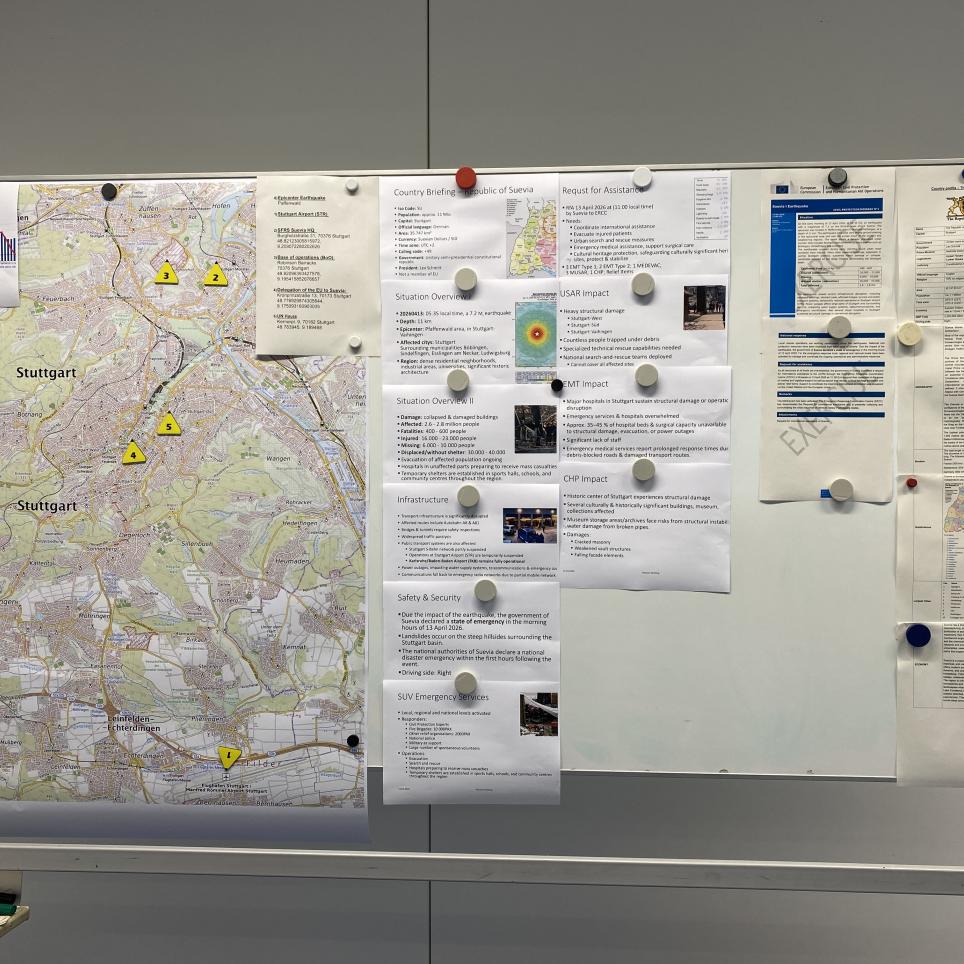
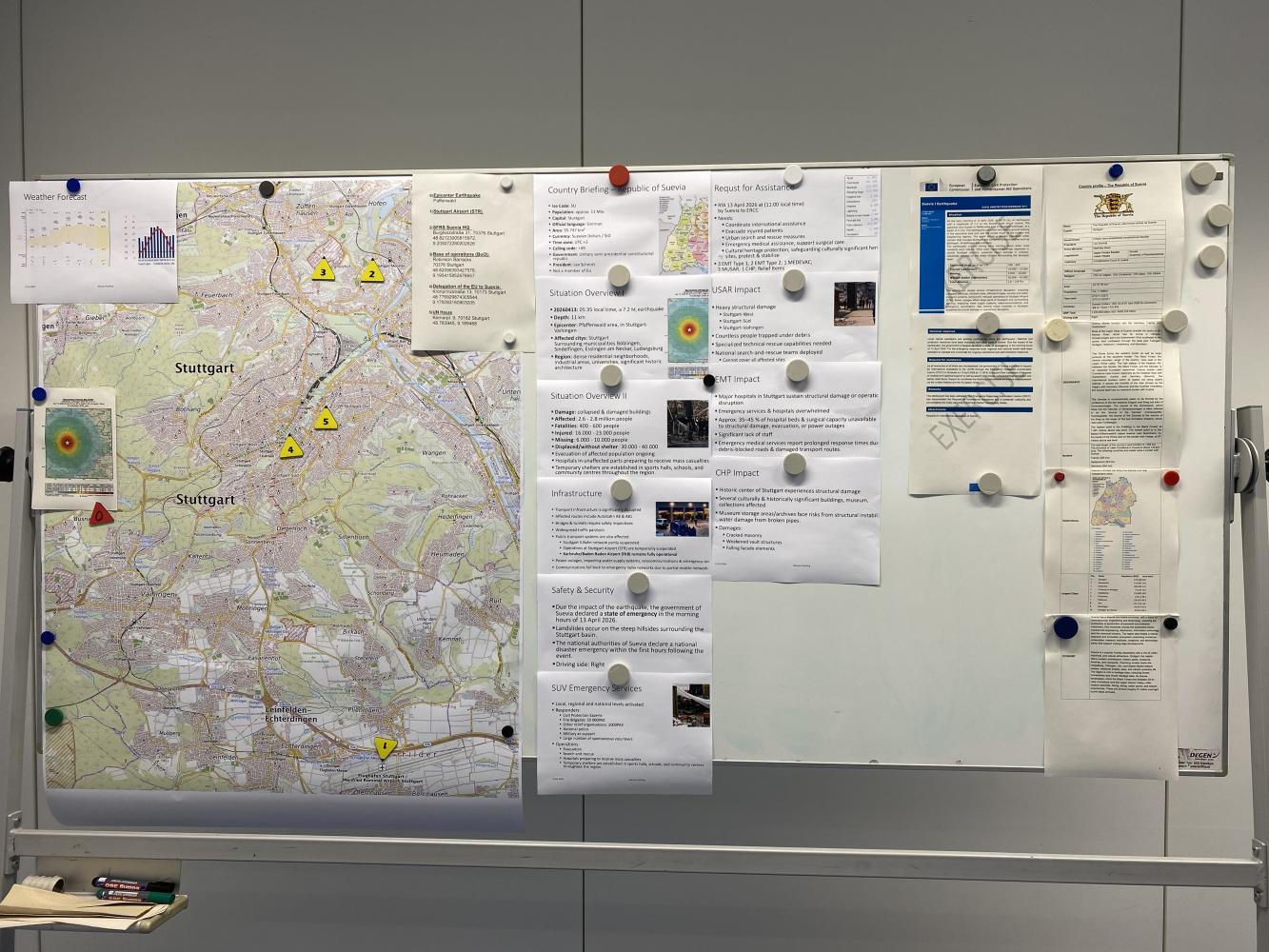
The scenario was a severe (7.2 on the Richter Scale) earthquake in Stuttgart, affecting major parts of the city and surrounding areas. In this scenario, the disaster was located in the fictional county of “Suevia” based on the German state of Baden-Württemberg. Stuttgart, the capital of the state, was thus the capital of “Suevia”. The epicenter was located in the Pfaffenwald area in Stuttgart-Vaihingen, at a depth of 11 km. The shockwaves and tectonic movements caused by the earthquake significantly affected a densely populated urban corridor that includes Stuttgart and surrounding municipalities such as Böblingen, Sindelfingen, Esslingen am Neckar, and Ludwigsburg. The region combines dense residential neighborhoods, industrial areas, universities, and significant historic architecture. The earthquake occurred during early morning hours when most residents were still at home, amplifying the impact. Many older masonry buildings—especially in central Stuttgart districts—sustain heavy damage or collapse. Landslides occur on the steep hillsides surrounding the Stuttgart basin. Due to the large-scale damage to highly urban areas, the local authorities quickly became overwhelmed with the situation and decide to request assistance from the European Union Civil Protection Mechanism.
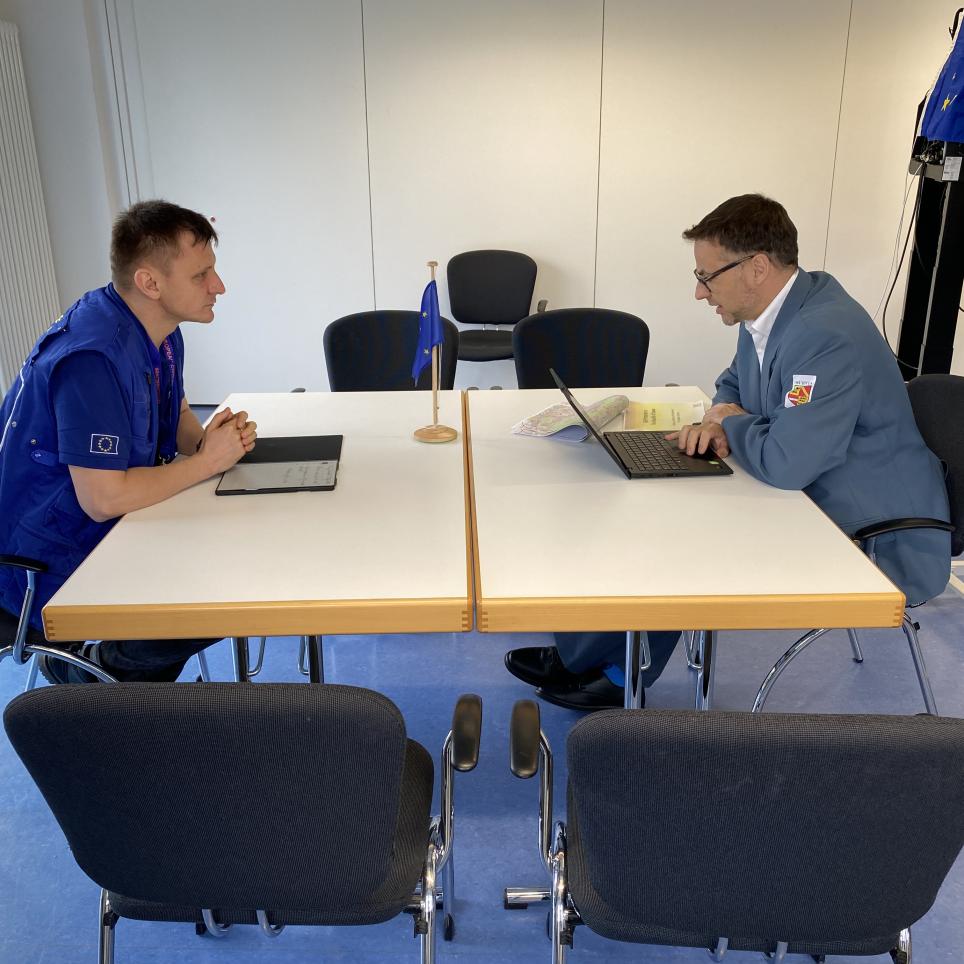
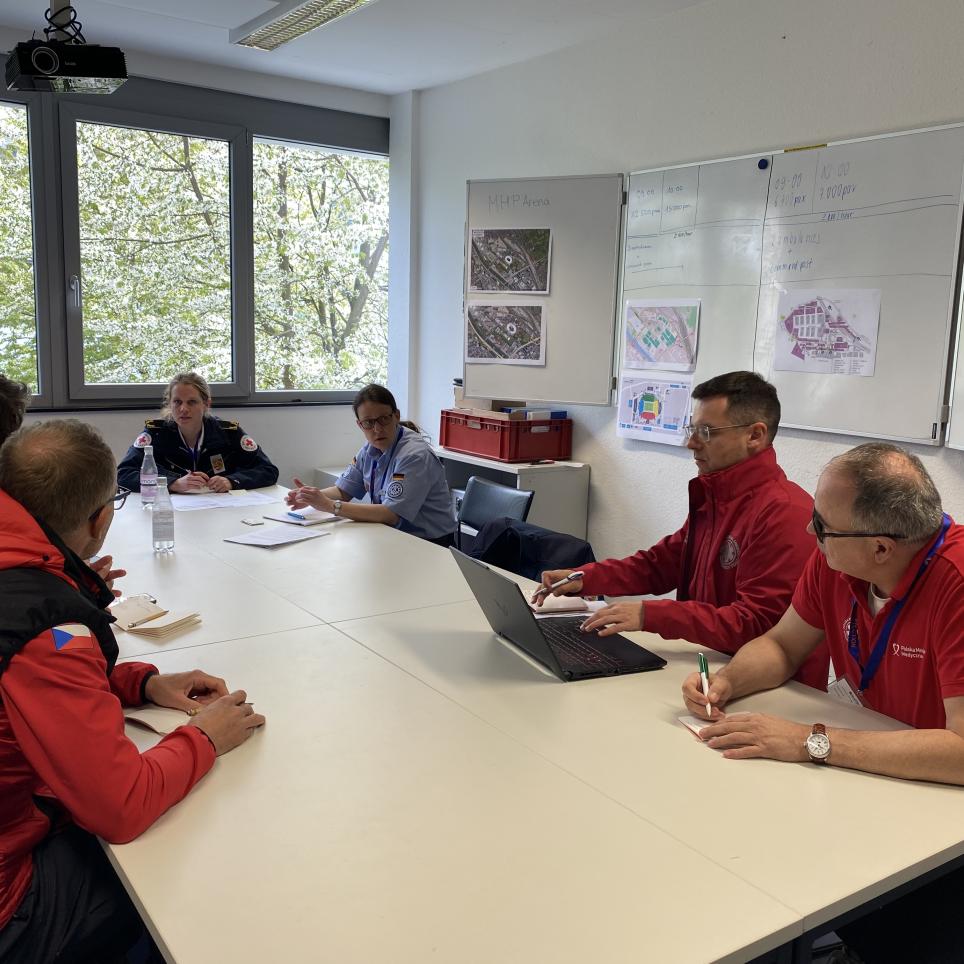
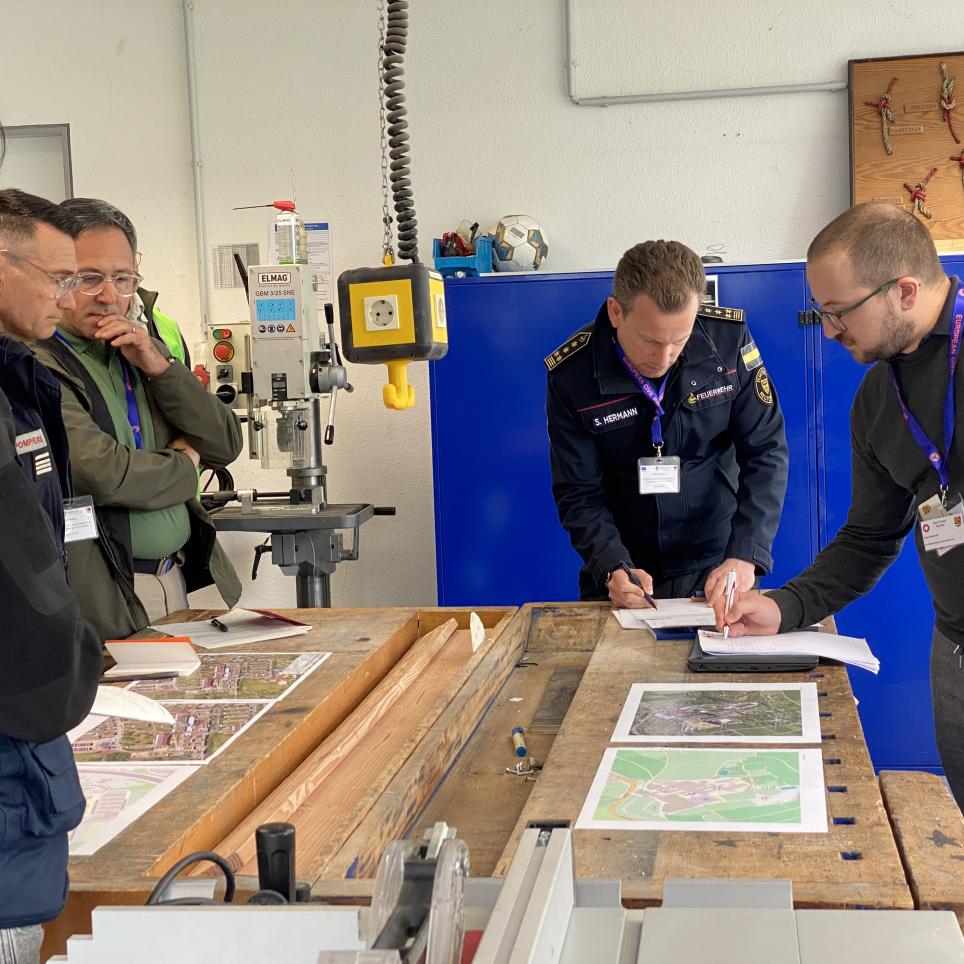
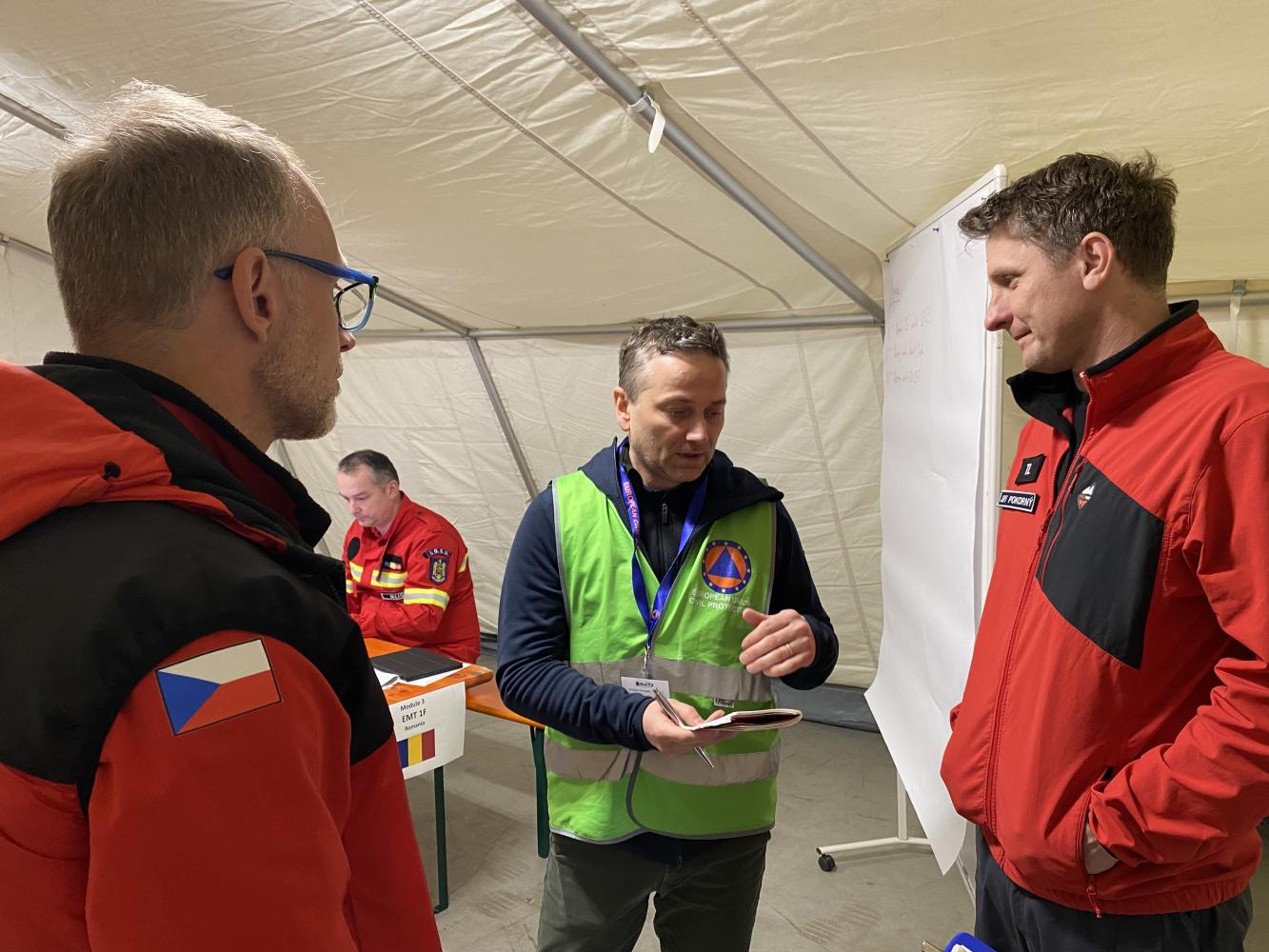
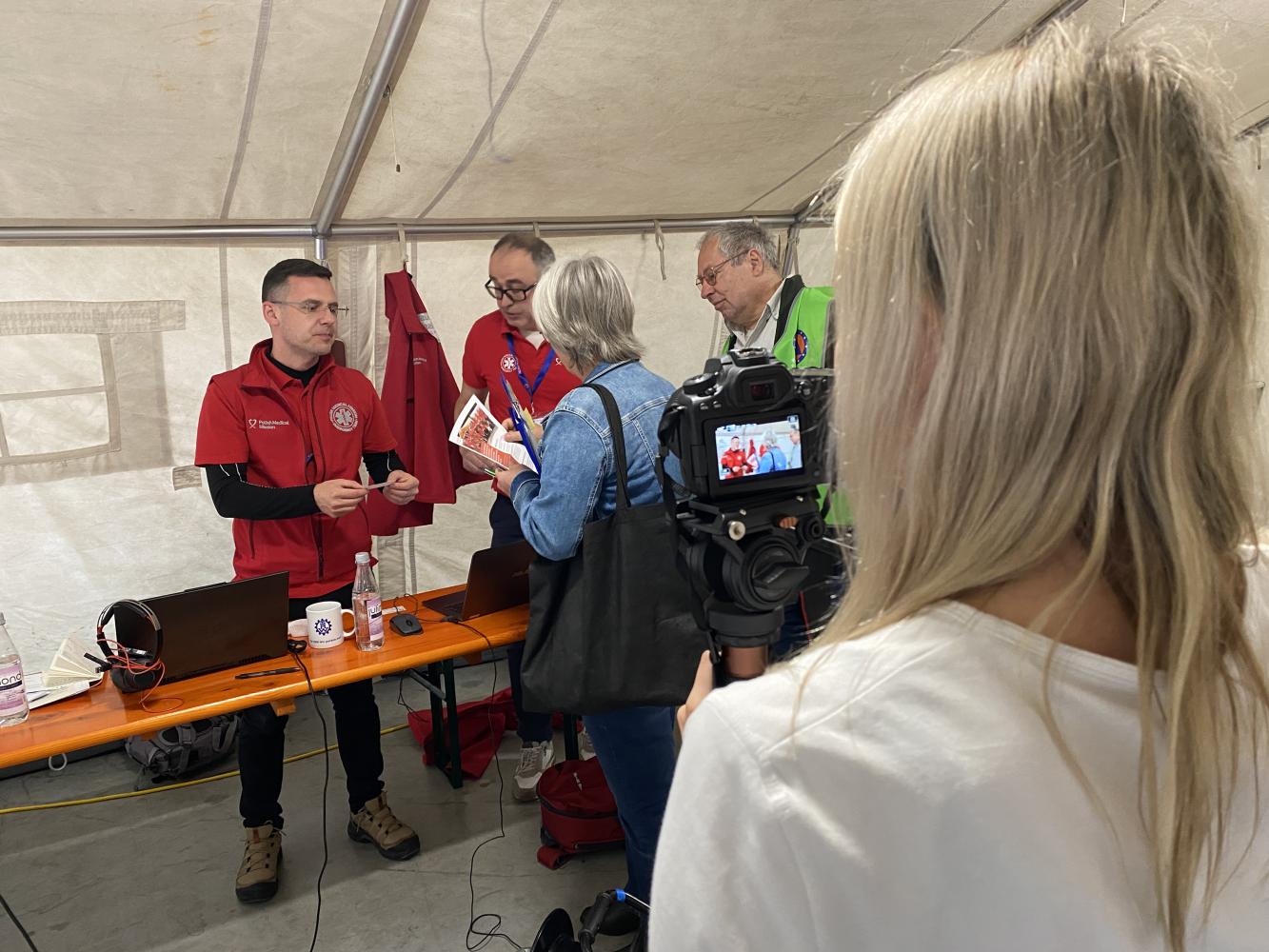
Table Top Exercises present the added challenge of recreating the scenario in a 'desktop setting', with a stronger focus on collaboration, leadership, coordination, decision-making processes and communication with other participants, role players and other stakeholders.
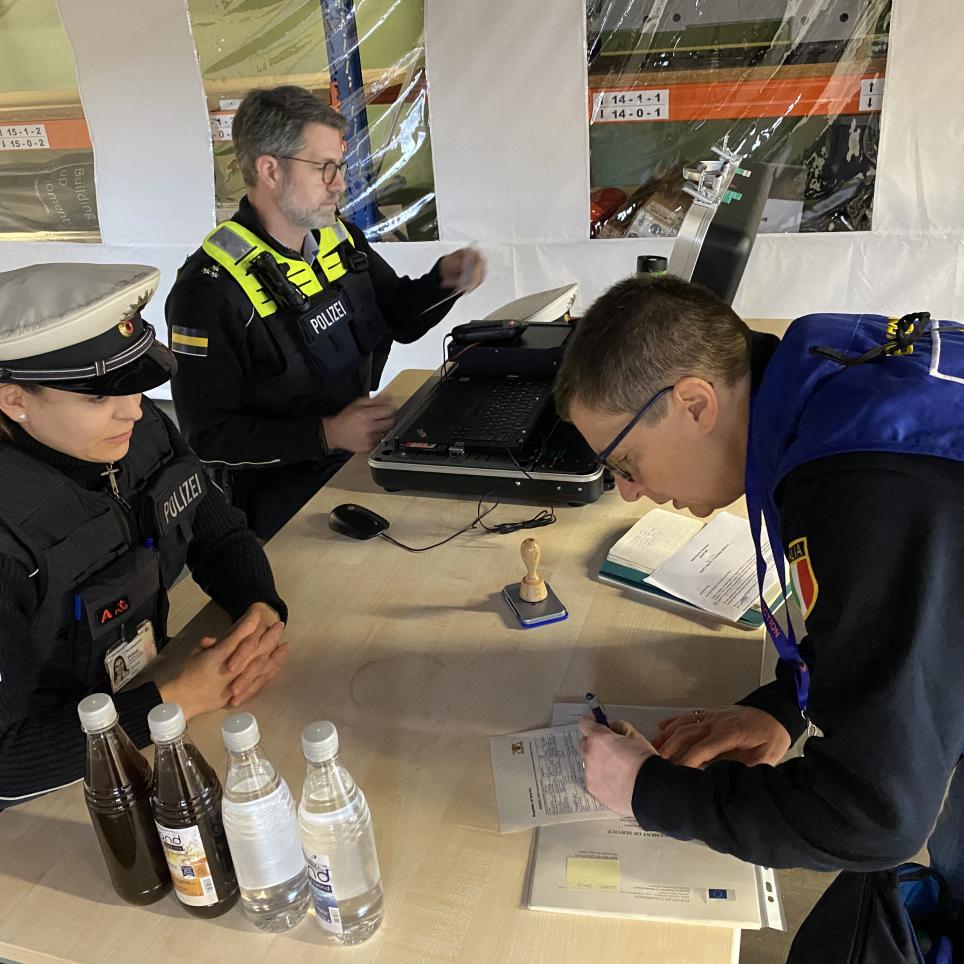
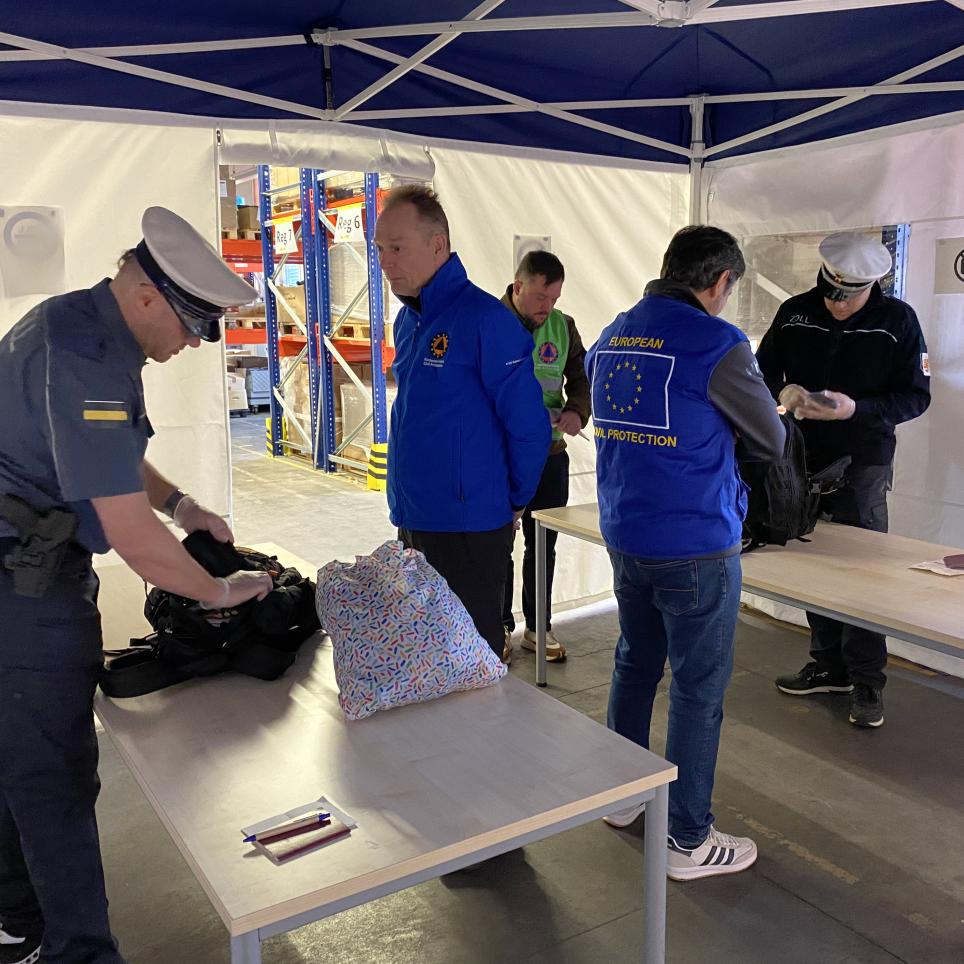
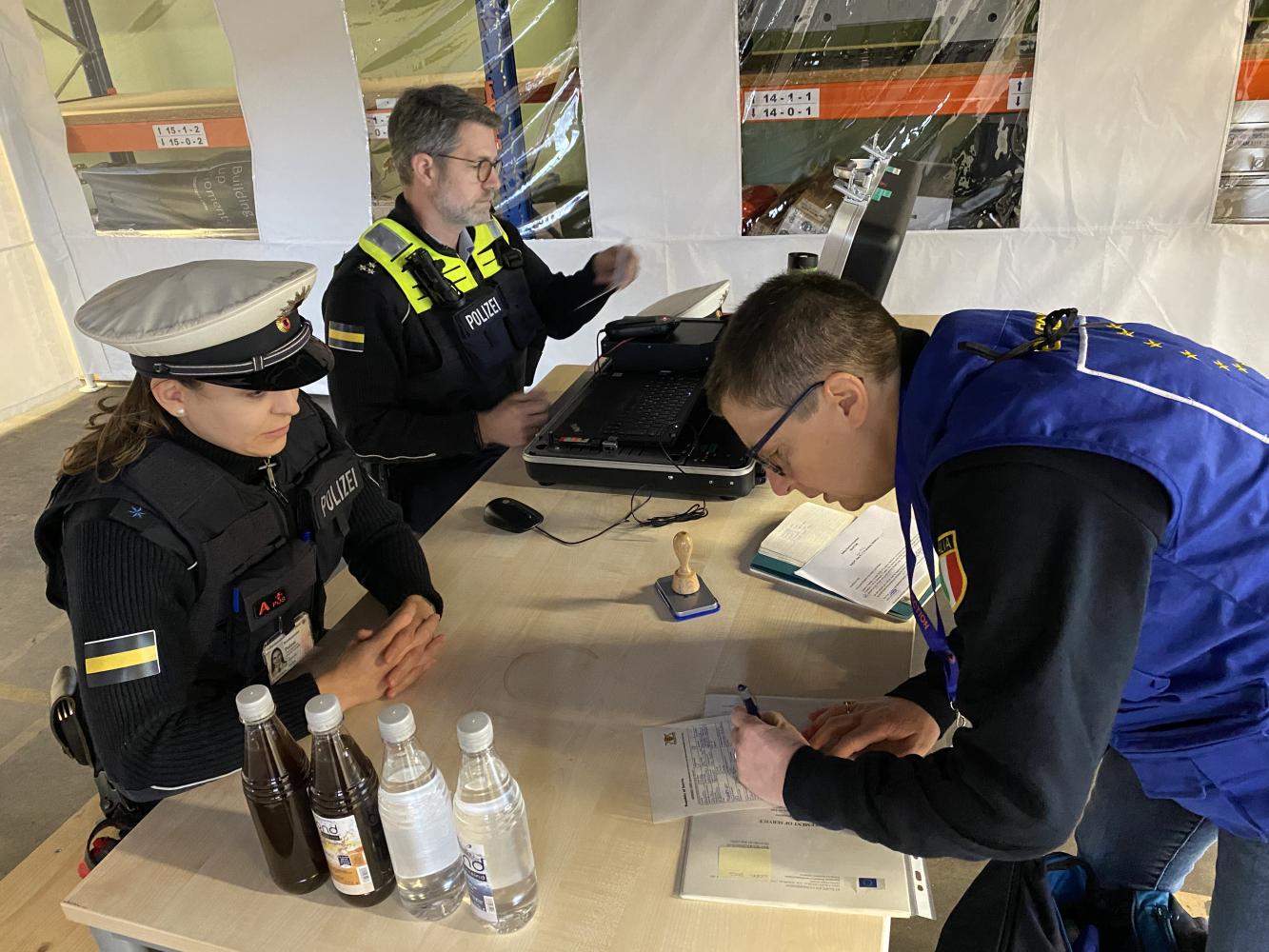
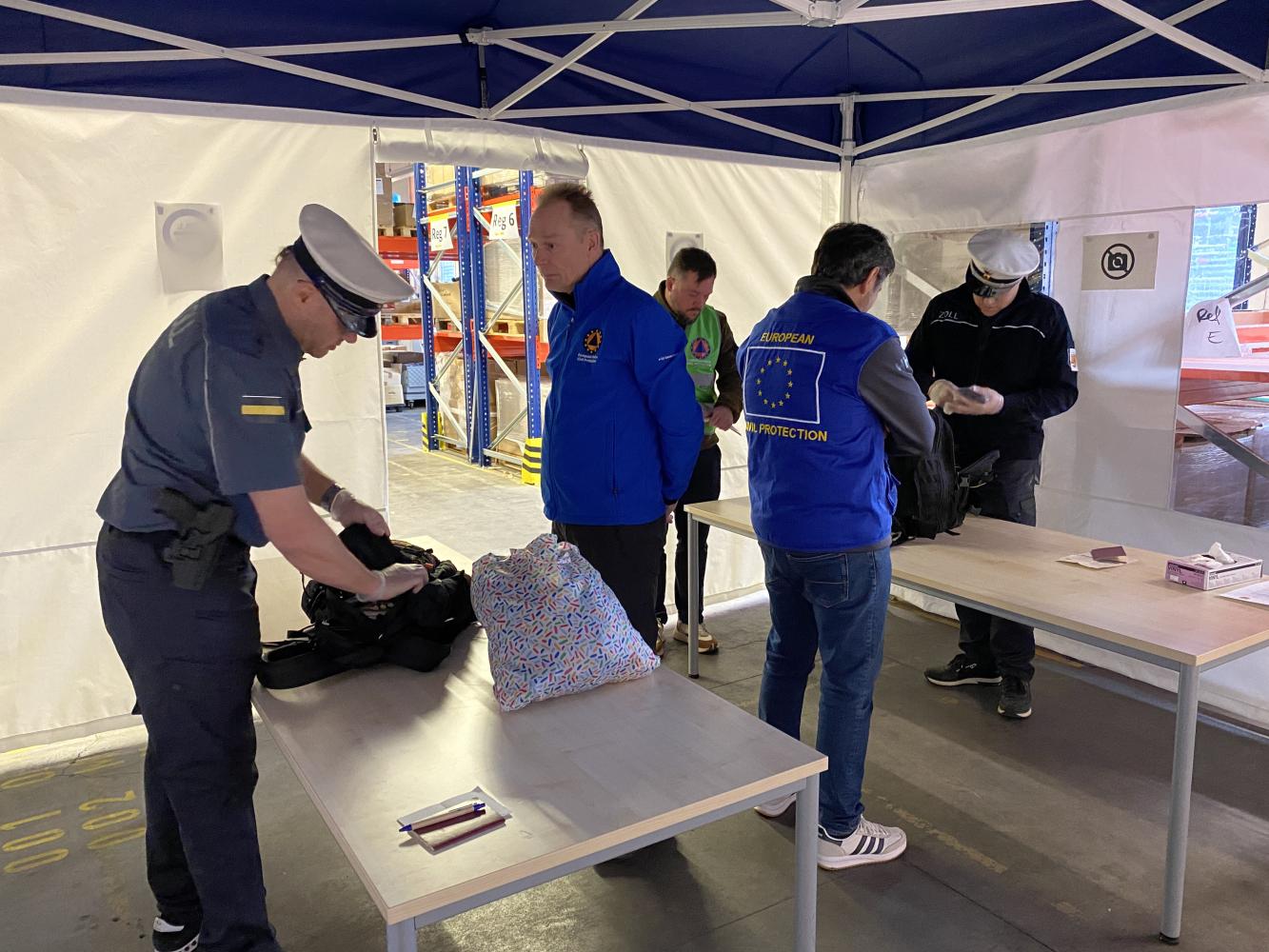
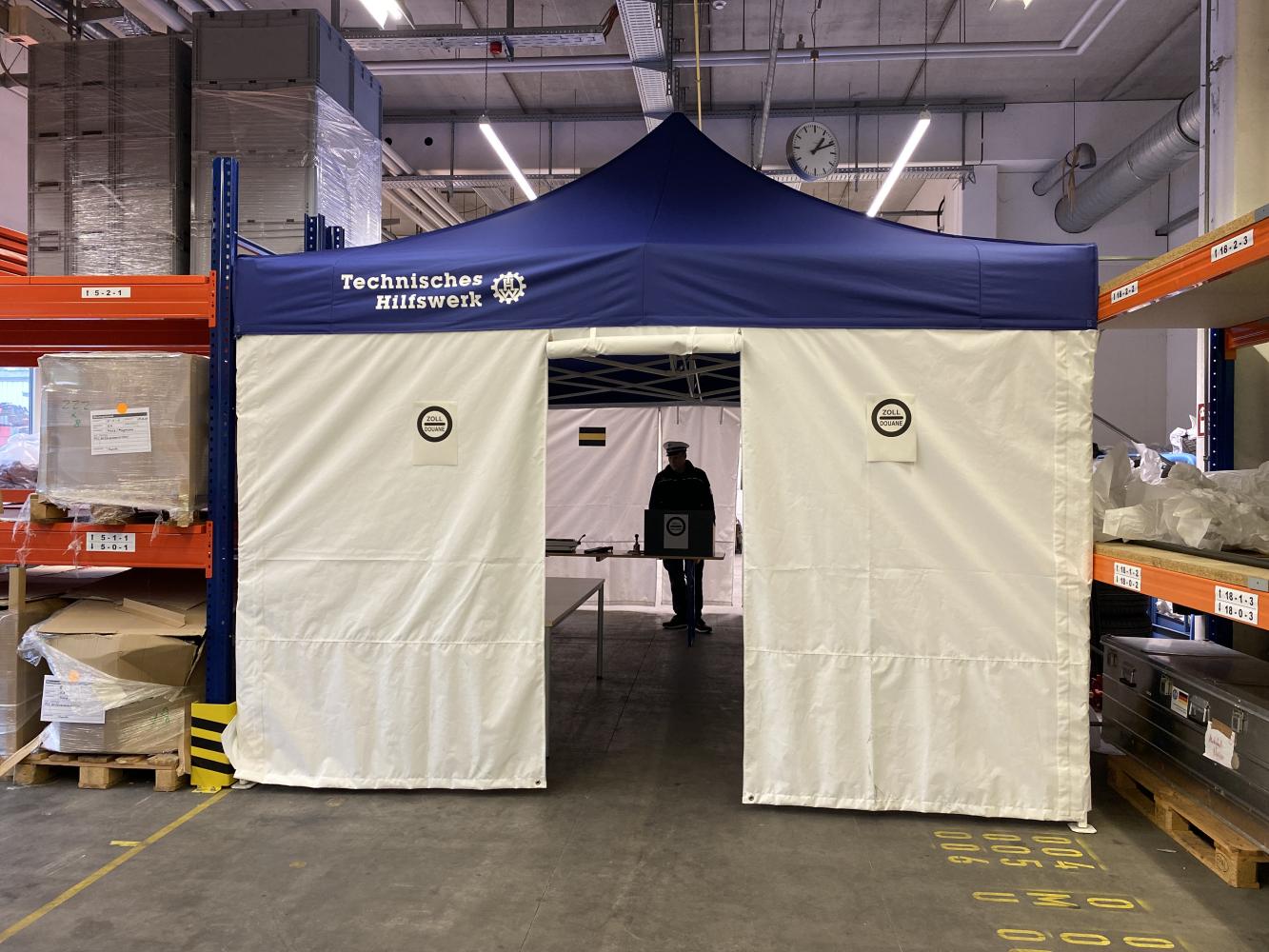
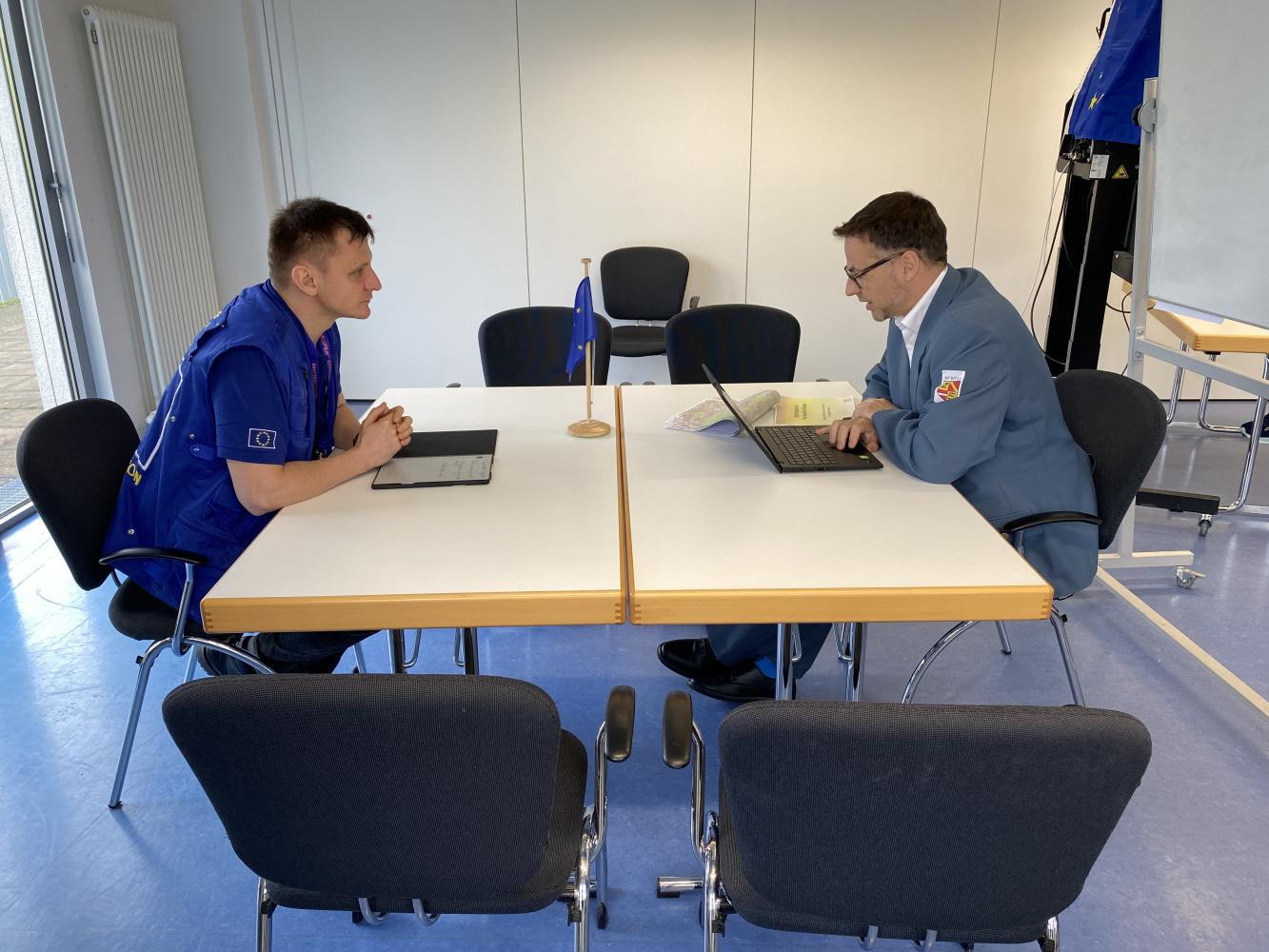
Participants were able to test various aspects of their operations, including customs clearance of equipment, application of their Standard Operating Procedures (SOPs), reconnaissance of deployment sites and cooperation with other modules, the EU, the UN and various local officials.