Population preparedness: new guidelines published
New preparedness guidelines published for Member States and UCPM participating states on risk communication, 72 hours self sufficiency, school curricula and disability inclusive preparedness.

New preparedness guidelines published for Member States and UCPM participating states on risk communication, 72 hours self sufficiency, school curricula and disability inclusive preparedness.
Europe is facing an increasingly complex and interconnected risk landscape: disaster and climate risks, geopolitical tensions, cyber and hybrid threats, health emergencies, and information manipulation.
The EU Preparedness Union Strategy, adopted in March 2025, calls for a more proactive, integrated all-hazards, whole-of-government, and whole-of-society approach to preparedness. Public authorities and emergency services, citizens, families, schools, communities, civil society, and businesses all have a role to play.
Population preparedness is one of the strategy’s seven priority areas. Its objective is practical: empowering citizens and communities to better understand the risks they face, know how to prepare and be able to act when a crisis occurs.
To support this ambition, the European Commission has developed population preparedness guidelines, shaped by evidence, technical expertise, existing practices and consultation with Member States, UCPM participating states and stakeholders, to support a common journey from awareness to preparedness and action, and ensure that preparedness is inclusive and accessible.
Know: communicating risks people can act on
Risk communication helps authorities communicate about risks and threats in ways that people can understand, trust and act upon. This means understanding different audiences, using trusted messengers and accessible channels, addressing misinformation and disinformation, and connecting information to clear actions.
Prepare: getting households ready for the first 72 hours
72-hour self-sufficiency supports the strategy’s call for people to maintain essential supplies for a minimum of 72 hours, so that they can manage the initial period of an emergency. The focus is not on creating a single European emergency kit, but on helping authorities provide clear guidance that people can adapt to their circumstances and risks. This can include medicines, important documents and family emergency planning.
Learn: building preparedness from an early age
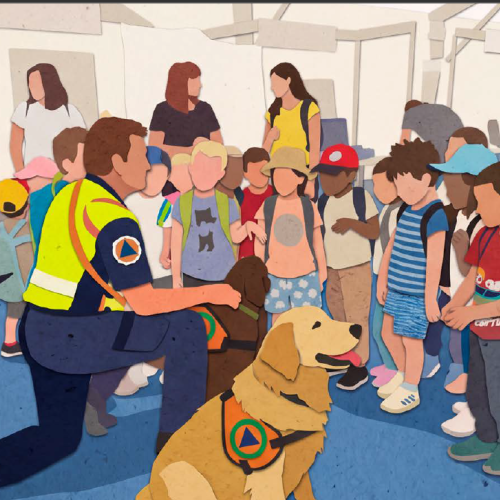
Preparedness education provides guidance for policymakers and educators on integrating preparedness into pre-primary and primary education. Children progressively develop the knowledge, skills and attitudes they need to understand risks and act safely, from recognising warnings and calling 112 to basic first aid. Rather than creating an additional burden for schools, preparedness can be embedded into existing subjects, routines and learning activities.
Include: preparedness that works for everyone
Crises do not affect everyone in the same way. Disability-inclusive preparedness aims to make preparedness and emergency response more accessible and inclusive for persons with disabilities, and to strengthen the capacity of first responders. It promotes accessibility from the outset, including how warnings are communicated, how support needs are reflected in planning and how first responders are trained.
Preparedness as a shared endeavour
Across the population preparedness guidelines, the message is consistent: preparedness works best when it becomes part of everyday life. From preparing households and empowering children to making risk communication accessible and emergency arrangements inclusive, everyone has a role to play. Now is the time to turn guidance into action, bringing preparedness into our homes, schools and communities to build a safer, more resilient Europe together.