Prep2Shelter presents research for disaster sheltering at ECEE2026, Berlin
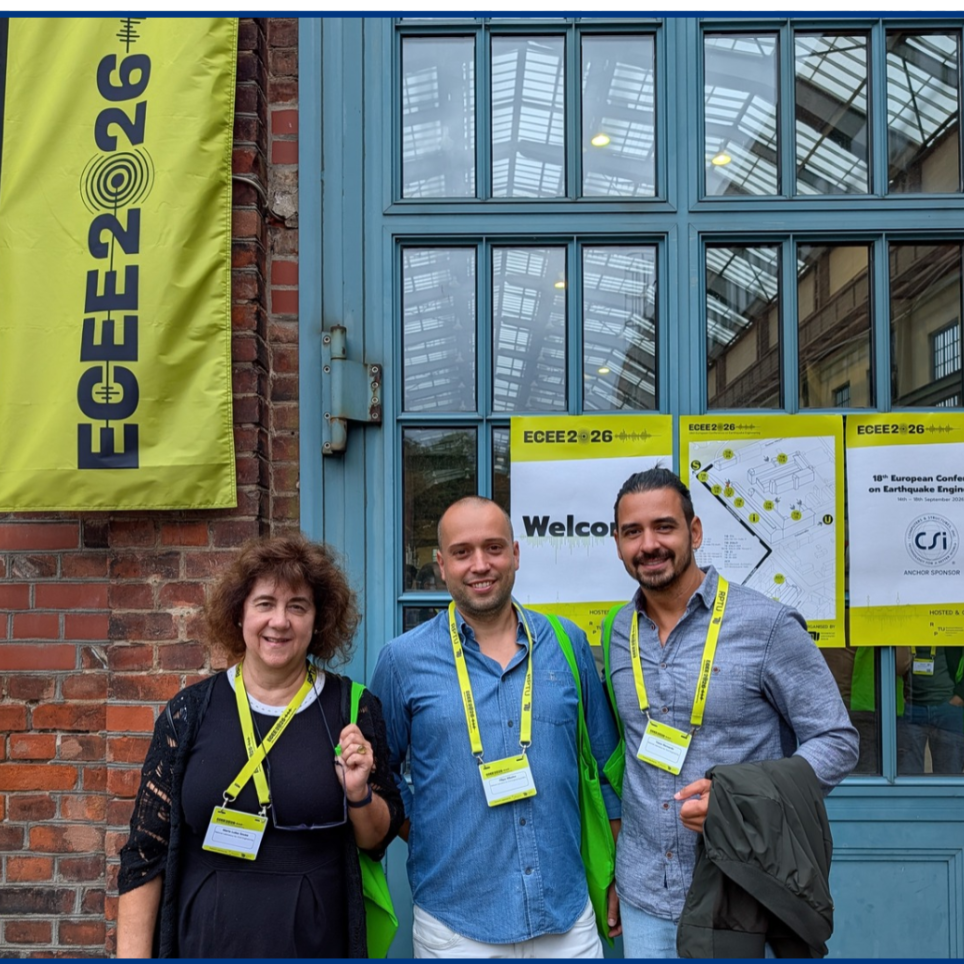
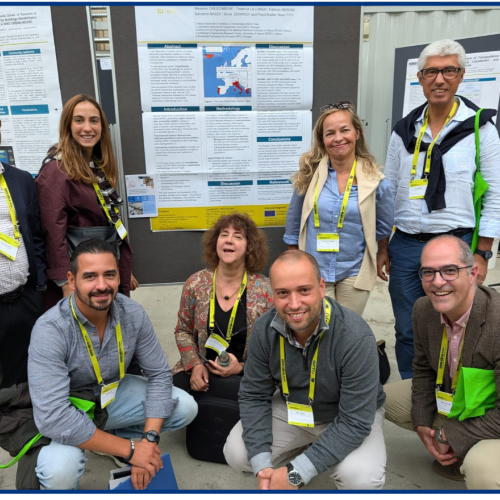
The Prep2Shelter team participated in the 18th European Conference on Earthquake Engineering (ECEE2026), held in Berlin, Germany, from 14 to 18 September 2026.

The Prep2Shelter team participated in the 18th European Conference on Earthquake Engineering (ECEE2026), held in Berlin, Germany, from 14 to 18 September 2026.
The paper, authored by the Prep2Shelter team, was presented by Luísa Sousa, Paulo Candeias and Filipe Ribeiro. It addressed the application of multi-criteria methods to disaster sheltering within Disaster Risk Management (DRM).
Link to the ECEE website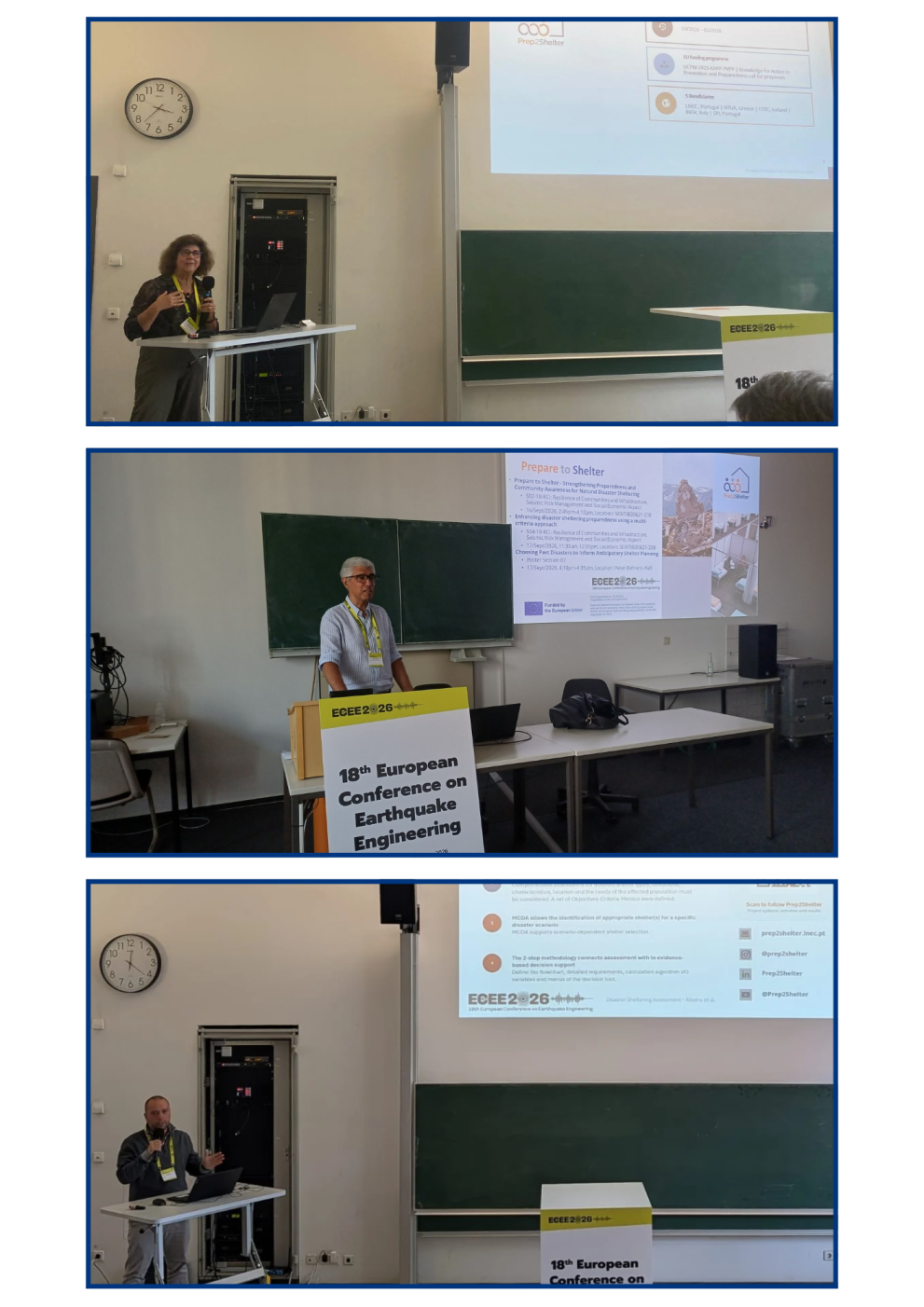
Providing adequate shelter for displaced populations is a key component of disaster response. However, selecting and activating shelter facilities within short timeframes requires DRM authorities to consider multiple requirements, including safety, accessibility, capacity, basic services and the needs of vulnerable populations.
The research reviewed international guidelines, technical standards and scientific literature to systematise disaster sheltering requirements. The analysis identified areas of convergence across sources, including:
The review highlights the relevance of multi-criteria methods to support shelter planning and decision-making, considering the different and sometimes competing requirements involved in shelter assessment and selection.
The findings provide a basis for defining disaster sheltering objectives, assessment criteria and associated metrics within a Performance Assessment System for shelter assessment and selection.
This work contributes to the development of the Prep2Shelter methodology, which aims to support DRM authorities in planning and selecting emergency shelter solutions that respond to the needs of displaced populations.
The research was presented at ECEE2026, organised by RPTU University of Kaiserslautern-Landau, TU Berlin and the German Association for Earthquake Engineering and Structural Dynamics (DGEB), bringing together researchers, practitioners and decision-makers working in earthquake engineering and related fields.
Risk drivers
Thematic series
Related to