
Prep2Shelter
Prepare to Shelter - Strengthening Preparedness and Community Awareness for Natural Disaster Sheltering

Status
Start
End
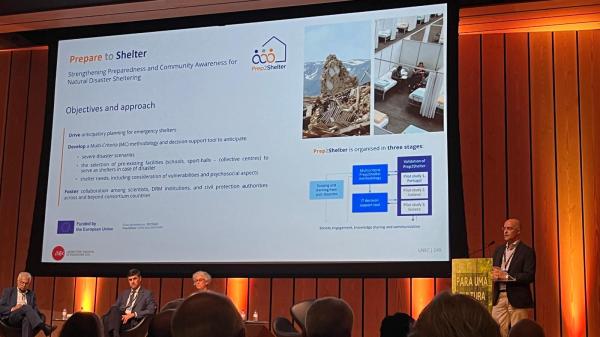
Disaster shelter provision is a major challenge for governments, civil protection and humanitarian organisations. Response efforts are often delayed due to the scale of the events and gaps in disaster risk management (DRM), which hinder timely support of affected populations. Preparing for disaster sheltering solutions in advance is key for an effective response. Prep2shelter seeks to address these preparedness gaps by developing a methodology and a tailored decision support tool, aimed at supporting DRM authorities to anticipate severe disaster scenarios and sheltering demands, while ensuring that vulnerabilities and psychosocial needs of affected populations are met. The project targets existing facilities, such as schools and multipurpose pavilions, which are commonly included in disaster preparedness plans. The project adopts a collaborative approach, engaging DRM practitioners while considering the needs of affected communities. The approach is structured in three stages. The first stage will establish the problem scope of the project. Lessons learned and best practices from past disasters will be identified through exchange among scientists, DRM stakeholders and disaster-affected communities in different countries. The second stage concerns the development of multicriteria methodology and an IT tool, combining ex-ante risk assessments with a participatory framework to establish objectives, criteria and metrics for assessing sheltering alternatives. In the third stage, the methodology will be validated, and hands-on training delivered in pilot areas: Lisbon (Portugal), Árborg (Iceland), and Thessaly (Greece).This stage will also address local civil protection needs and tackle shelter safety challenges, particularly for seismic and flood hazards. Prep2Shelter contributes to the Union Disaster Resilience Goals by advancing anticipatory shelter planning, strengthening the preparedness of DRM actors and thereby fostering more robust civil protection systems.
Sectors
DRM phases