UCP Knowledge NetworkApplied knowledge for action
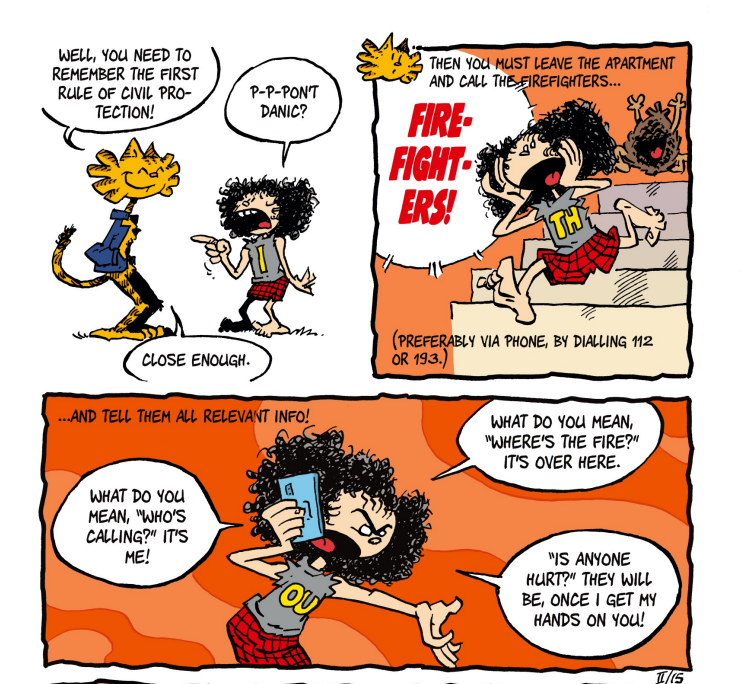
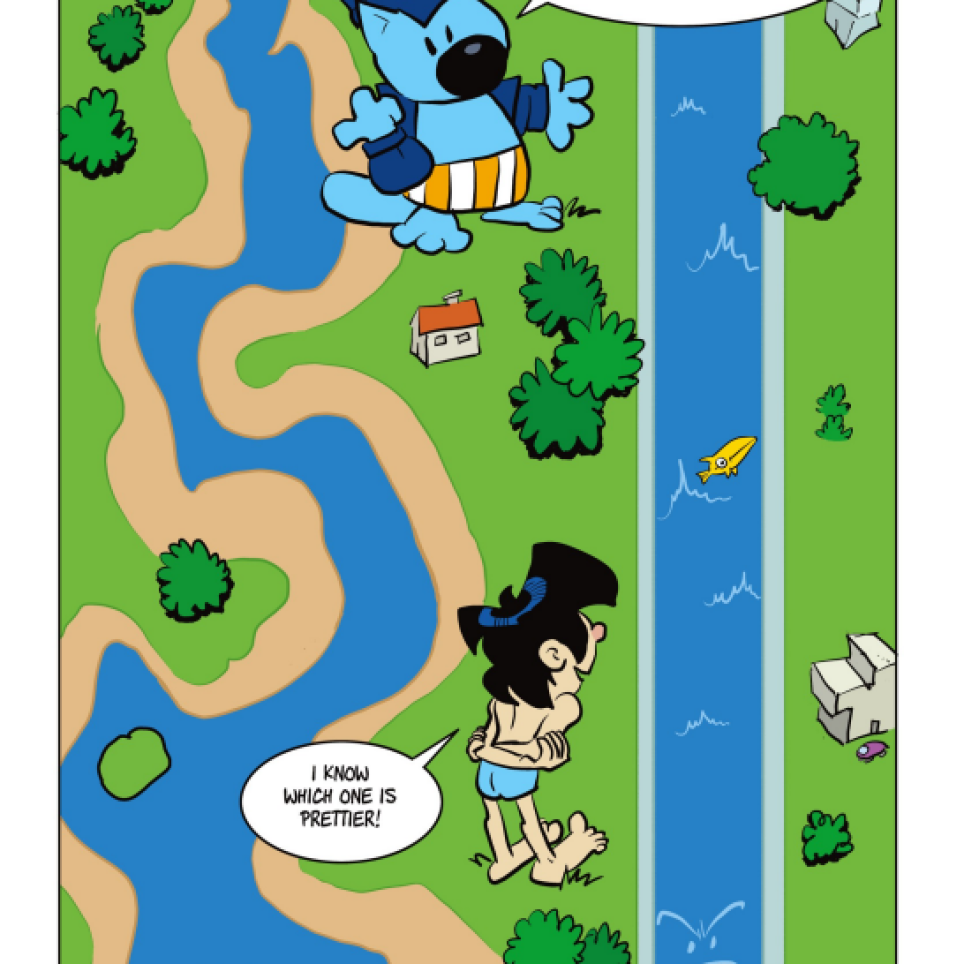
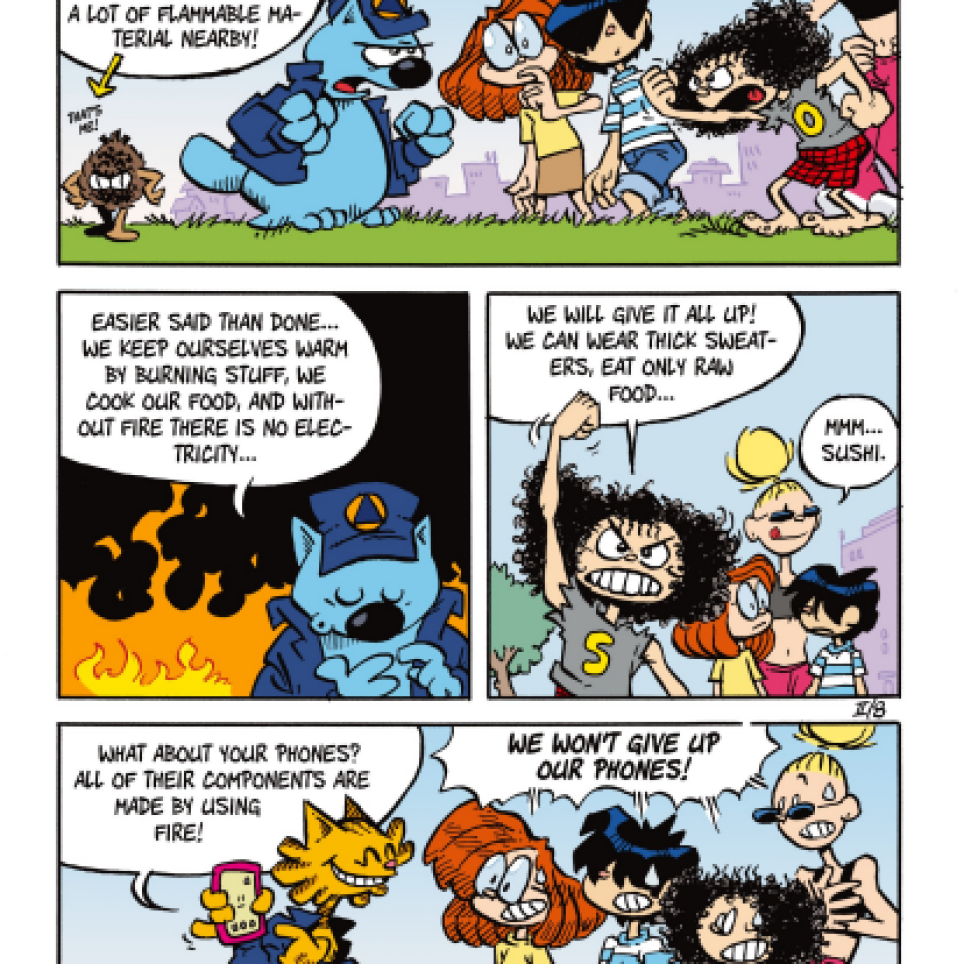
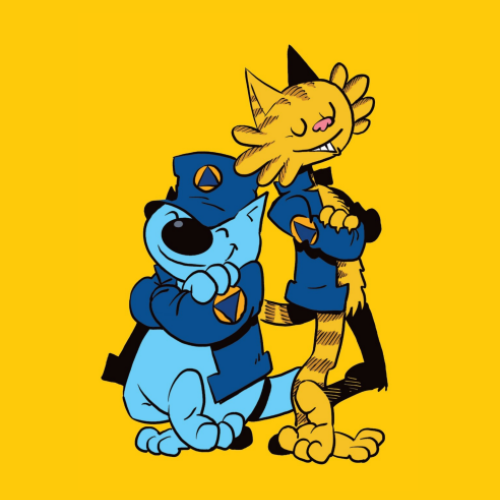
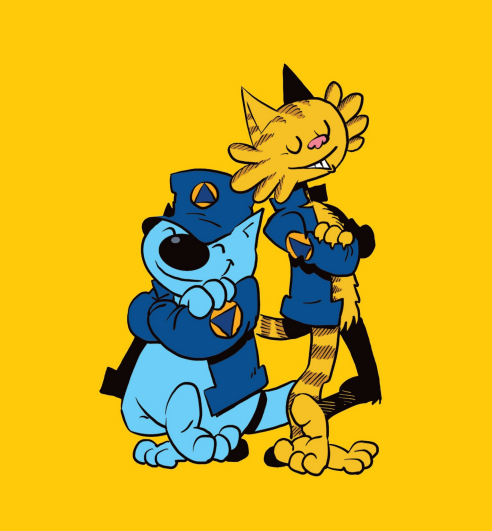
The two main characters of the comic, two cats from the civil protection of Croatia.

The Draw Data project: how Croatia is making disaster risk reduction cool

Published on

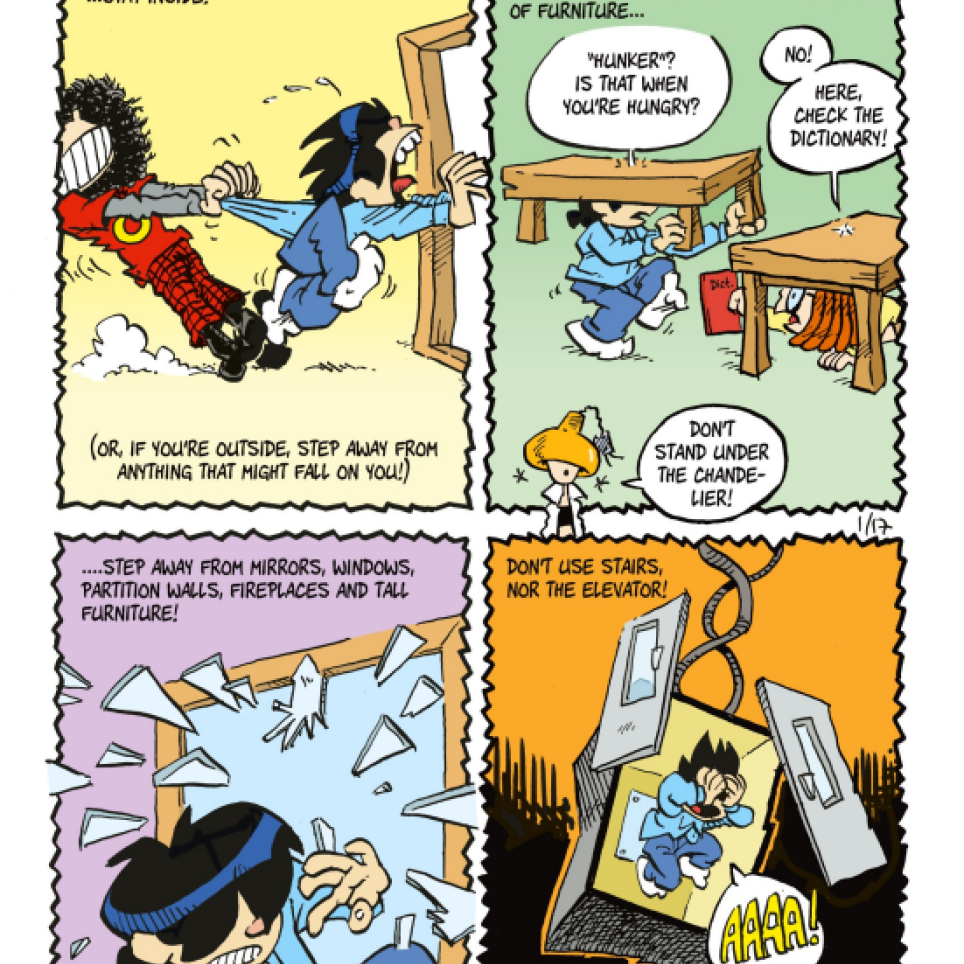
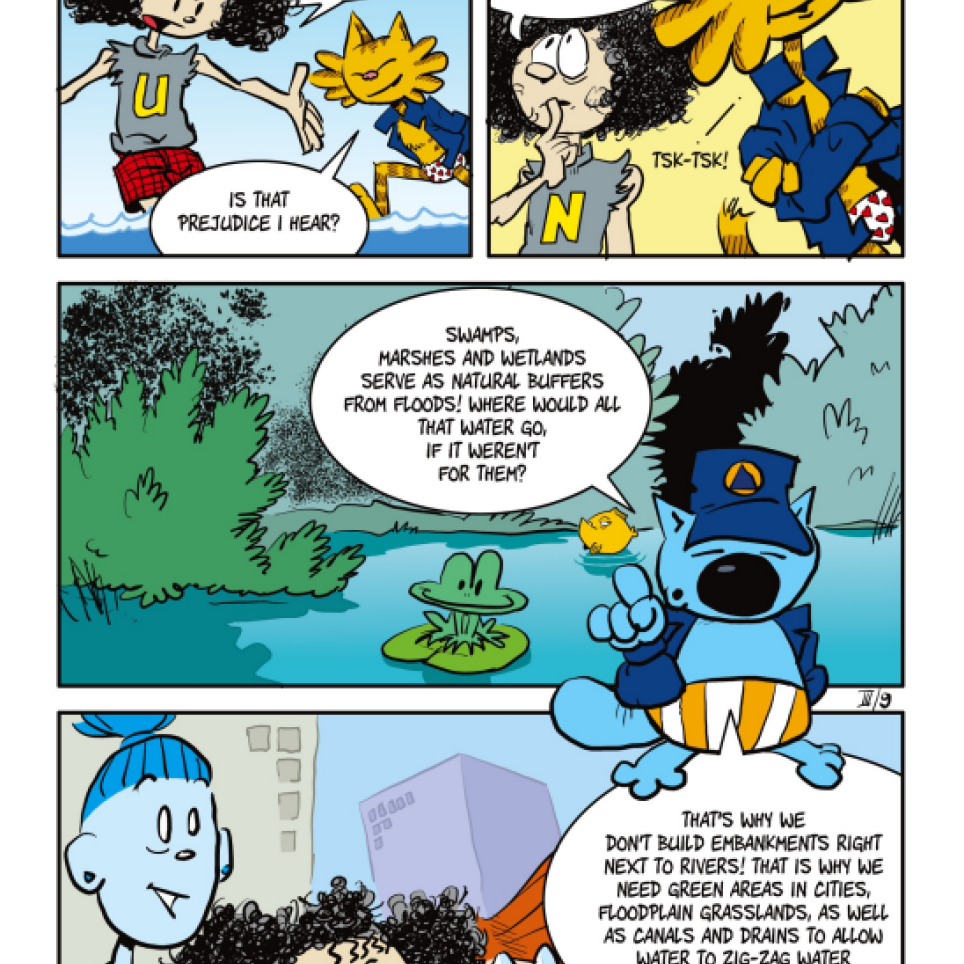
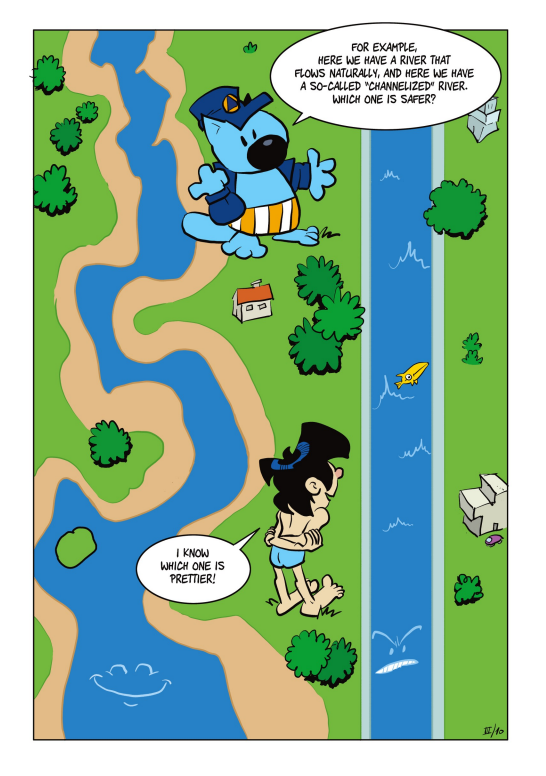
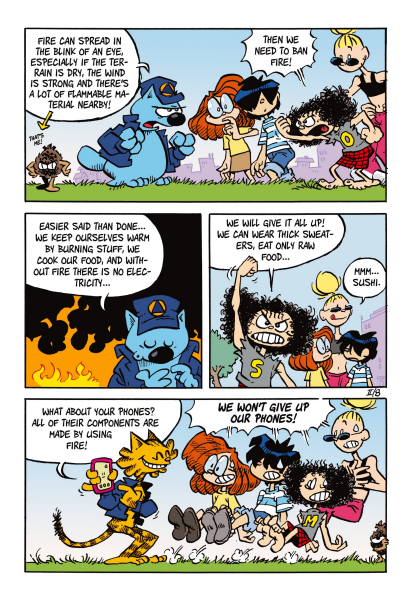
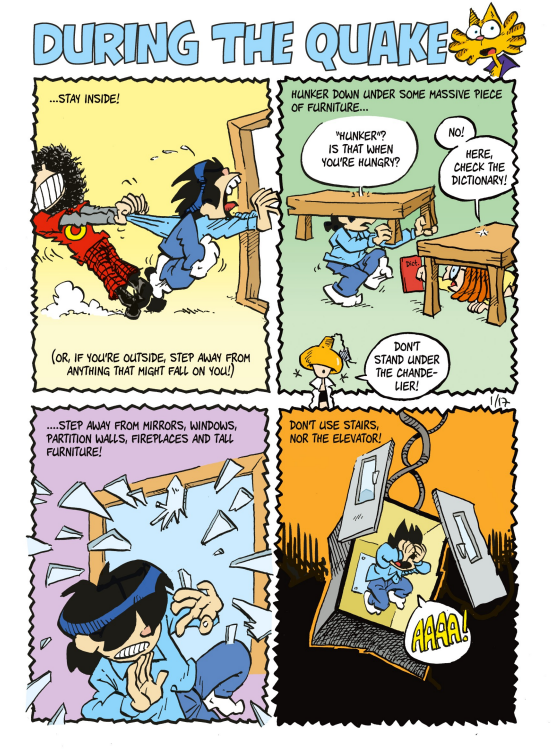
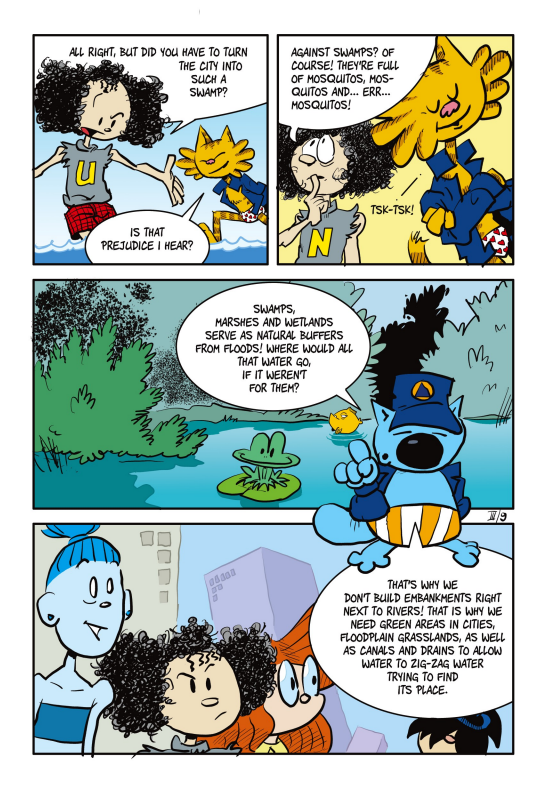
The Croatian Draw Data project, funded by DG ECHO, makes disaster risk reduction more engaging and accessible through creative tools such as a comic book for children. By linking local disaster data with clear, playful communication, the project aims to raise awareness and encourage people to take an active role in building resilience to local risks.

By Knowledge Network – Staff member

The Draw Data project, short for Drafting Disaster Risk Reduction Awareness Raising Guidelines and Disaster Loss Data & Assessment System, set out with an ambitious goal: to connect the dots between disaster loss data and meaningful public engagement in disaster risk reduction (DRR). By strengthening how disaster losses are recorded and analysed, and by translating that information into clear, engaging awareness-raising tools, the project aimed to build a more risk-aware and resilient society. 

At the same time, it seeks to develop Croatia’s first national disaster risk management (DRM) awareness-raising guidelines, alongside a monitoring framework to assess the impact of awareness-raising activities and tools developed under the project. At its core lies a simple but powerful idea: people respond better when information feels relevant to their own lives.

Macan’s approach brought the story to life through relatable characters, four protagonists inspired, in part, by Holcinger and her colleagues. “We were quite flattered,” she laughs. “Even though we inspired the ‘human’ component, so the joke is on us, we loved every new idea that came our way throughout the two years it made our day every time we received a new proposal to comment!”

Bridging fragmentation in data and awareness

The project was designed to address two long-standing challenges at once. “Before the project, we had fragmentation on two fronts,” Holcinger says. “Many institutions were collecting disaster loss data, but they didn’t know what others had. At the same time, awareness-raising was also fragmented: different institutions, different messages.”

This lack of coordination made it difficult to build a coherent picture of risks, and even harder to communicate them effectively to the public. At the same time, surveys conducted at the start of the project revealed a deeper issue: a gap in public understanding. “The public is somewhat aware of hazards, but not of risks,” Holcinger explains. “And they are confused about their role. Many people think: civil protection will come and save us.” That perception is exactly what the project aims to change. “Disaster risk reduction is not just about response,” she says. “It’s about what you, as a citizen, do before.”

Inclusivity was also a key priority. “For the first time in Croatia, disaster risk reduction leaflets on 15 hazards were translated into braille,” she notes. These were distributed to organisations working with visually impaired people across the country.

Looking ahead

Building on the success of the comic book, Croatia is already exploring next steps. These include developing new materials with the same characters and potentially integrating them into school curricula in cooperation with educational authorities. At its core, the message remains simple, and universal. “Disaster risk reduction is often seen as less exciting than emergency response,” Holcinger says. “But we need people to understand: they have a role. Resilience starts with them.”

About the author

The Knowledge Network – Staff member

The Knowledge Network editorial team is here to share the news and stories of the Knowledge Network community. We'd love to hear your news, events and personal stories about your life in civil protection and disaster risk management. If you've got a story to share, please contact us.

Sectors

Risk awareness & communication