Training as the foundation for inclusive preparedness and response
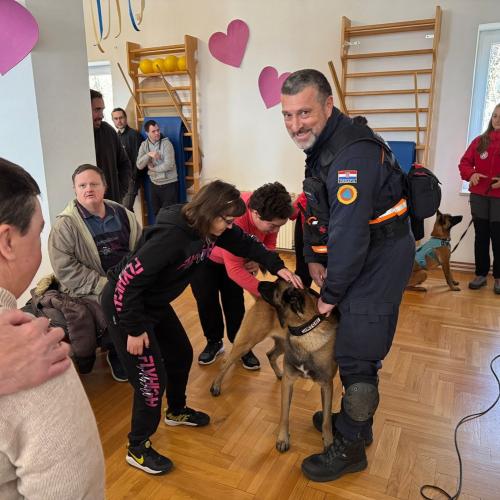
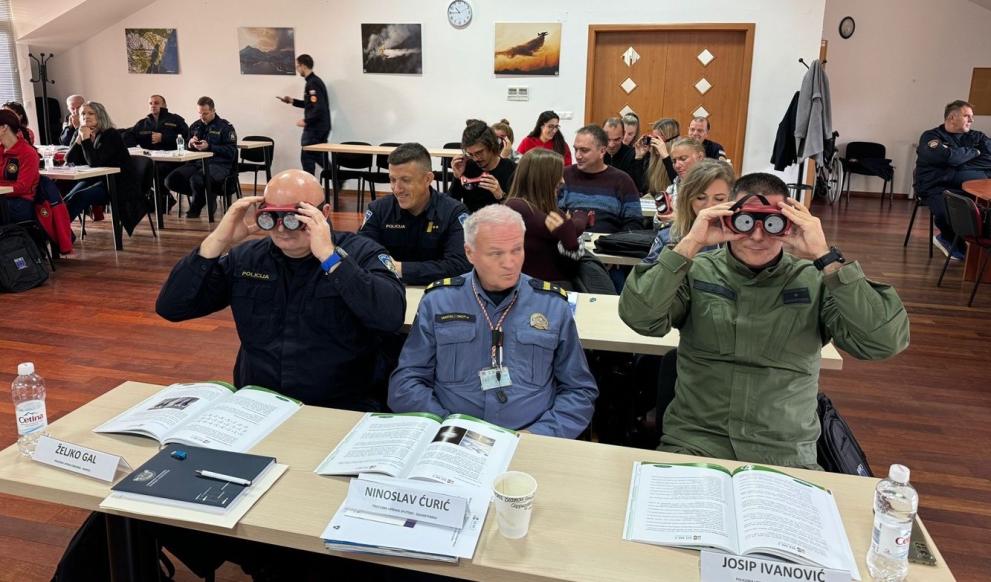
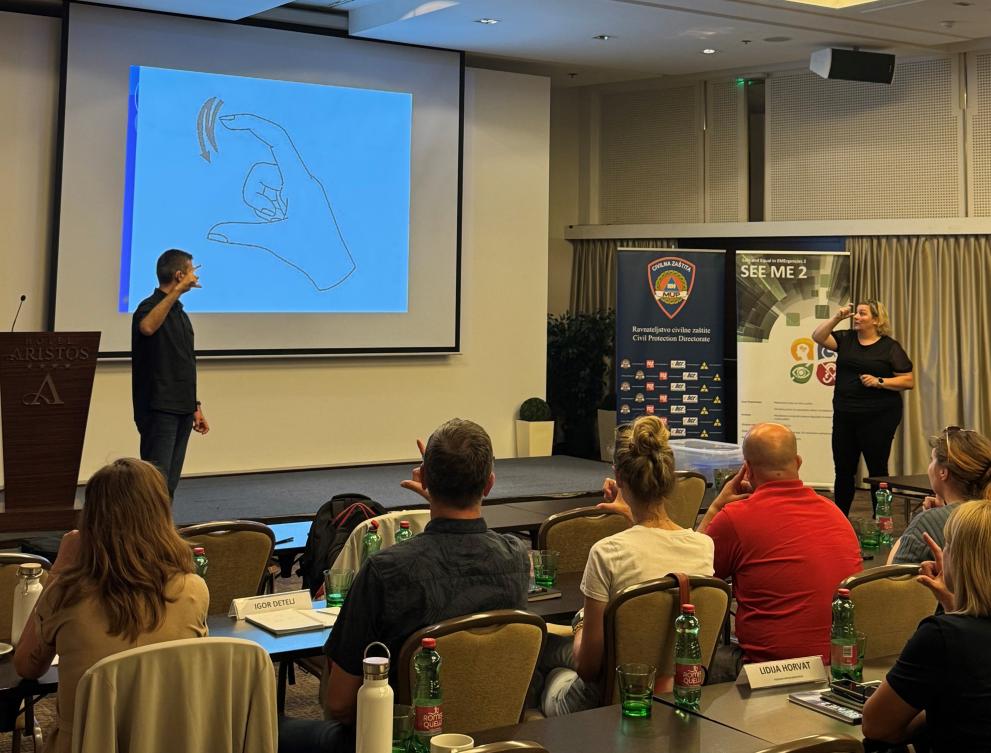
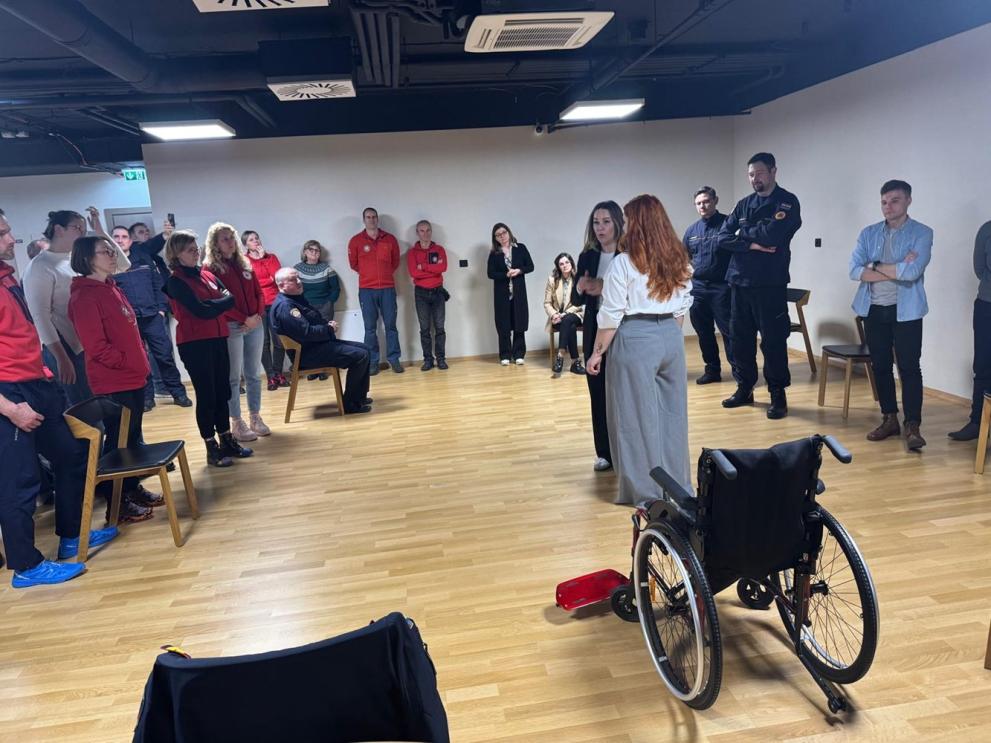
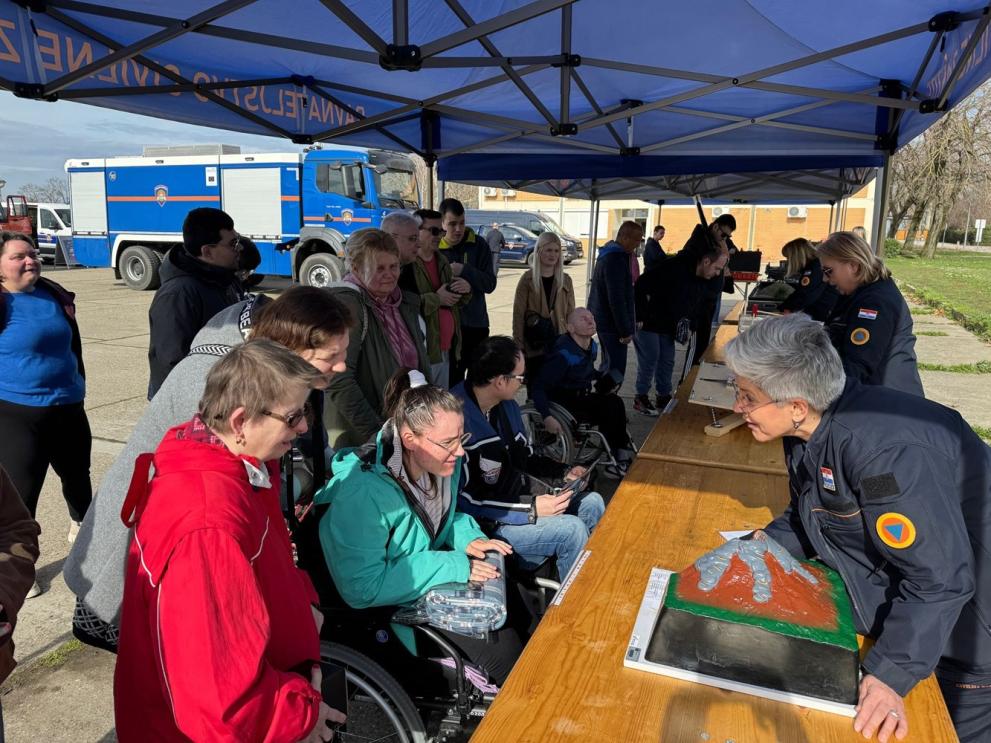
To address these gaps, the SEE ME 2 project developed and delivered targeted training and awareness-raising activities for both first responders and persons with disabilities which emerged as one of the strongest outcomes of the project.
As explained by project coordinator Marijana Berket, “the most mentioned shortcoming of an initial questionnaire among both first responders and PwDs was training. First responders did not know how to communicate with or how to approach PwDs, while PwDs were not properly informed about what to expect during emergencies.”
The project reinforced that PwDs themselves are the primary experts of their own needs and capabilities. Persons with different types of disabilities can provide direct, practical insights into how alerts, instructions, or evacuation procedures should be adapted to ensure accessibility and effectiveness. Recognising this expertise was key to improving both the design and relevance of training and preparedness measures.
Strengthening inclusive emergency response through data integration
One of the most innovative elements of SEE ME 2 is the campaign on and the development of a voluntary system to enrich Croatia’s existing Register of Persons with Disabilities linking additional, operationally relevant information to emergency response structures to support faster and better tailored interventions. Currently, between 3,000 and 4,000 individuals have updated additional data through the system and data collection is still ongoing.
As project coordinator Marijana Berket explains, the starting point was not the creation of a new system, but rather a better understanding of an existing one: “When we started, we did not know the register in detail,” she said. “It is managed the Croatian Public Health Institute, and everything is strictly regulated by law, from data collection to processing and use.”
However, while the legal framework provides structure, operational gaps quickly became visible. Key information of PwDs needed for emergency response was often missing, such as precise location details in large buildings, accessibility needs, contact numbers, or information about caregivers like interpreters or assistants.
Importantly, participation in adding information to the register remains voluntary and is continuously encouraged through outreach efforts involving organisations representing the rights and interests of PwDs.