Climate change, natural hazards and human-induced crises are increasingly affecting Europe's cultural and natural heritage. Floods, wildfires, earthquakes and conflicts not only damage historic buildings and monuments, they can also disrupt community life. The 2024 floods in Valencia, for example, claimed lives and caused extensive damage to homes and infrastructure. Museums, churches, archives and other cultural assets were also affected.
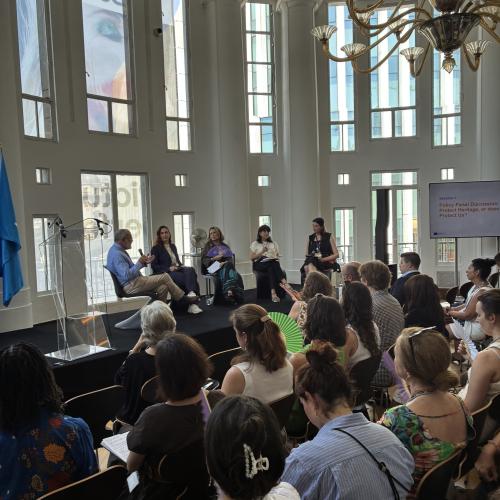
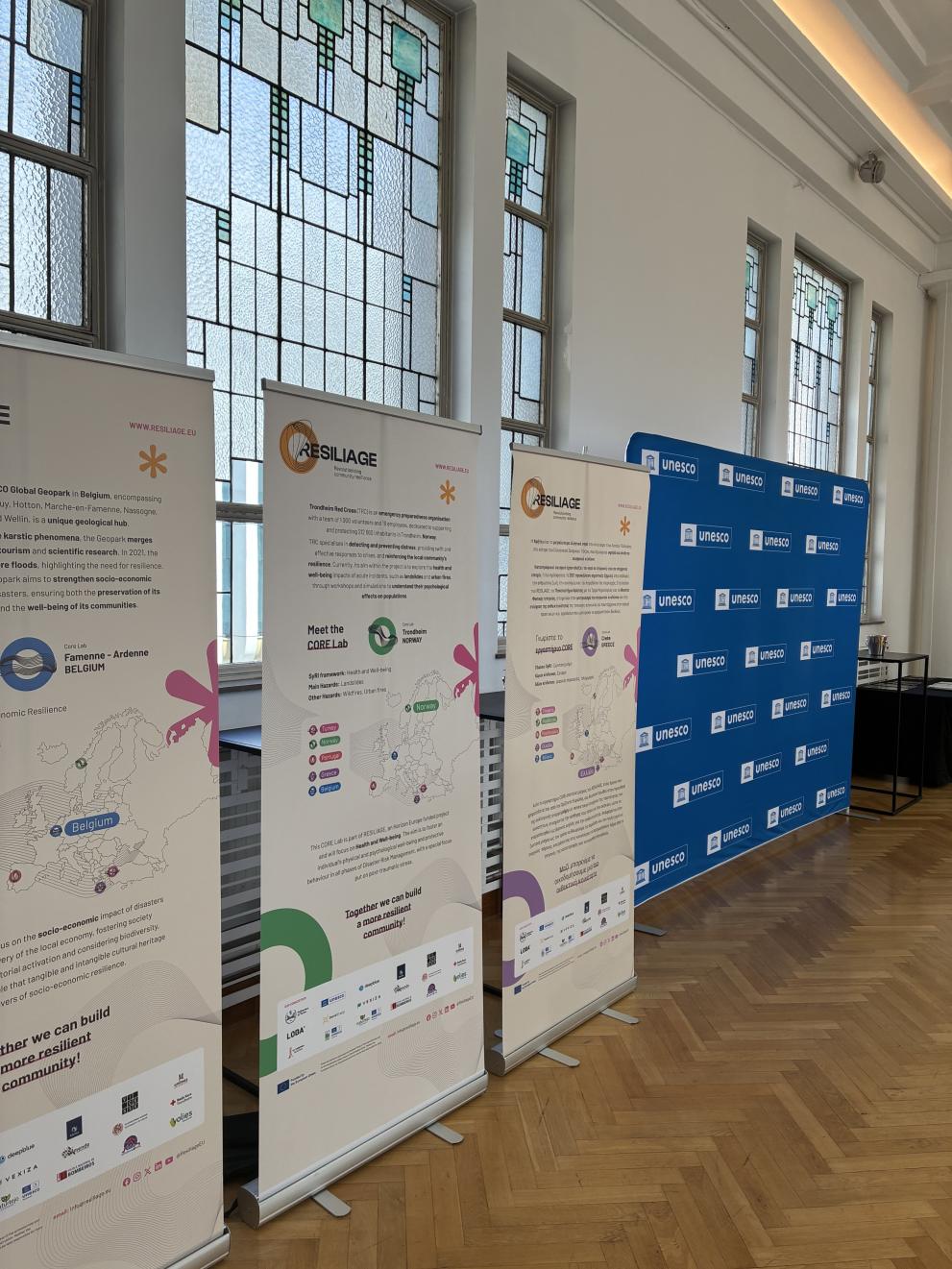
Cultural heritage needs protection from disasters. It is also increasingly recognised as a resource for preparedness and recovery. This shift was at the centre of the International Conference on Cultural and Natural Heritage for Preparedness and Resilience, organised by UNESCO and the Horizon Europe Cluster 3 project RESILIAGE. It took place at BOZAR in Brussels on 24 June 2026 and was the project's final event.
Can cultural heritage protect us?
Cultural heritage can protect us in many ways. Historic buildings often serve as community gathering places. Traditional knowledge and long-established land management practices can also help reduce disaster risks. Traditional grazing, for example, has increasingly been recognised for its contribution to landscape management and wildfire prevention by reducing fuel loads. Similarly, well-managed vineyards can act as natural firebreaks and slow the spread of wildfires. They also help maintain Europe's cultural landscapes and rural economies.
The conference also showcased how existing community networks and traditional practices can complement civil protection efforts, from traditional warning mechanisms and religious organisations supporting vulnerable groups to local approaches to landscape management that reduce disaster risks.
Paving the way forward
Since 2019, the PROCULTHER initiative has brought together civil protection authorities and cultural heritage professionals under the Union Civil Protection Mechanism to strengthen the protection of cultural heritage during disasters. Through successive project phases, it has developed common methodologies, training programmes, exercises and operational capacities. .
RESILIAGE and PROCULTHER connect research and local communities with operational practice. They bring the civil protection and cultural heritage sectors closer together and help embed cultural heritage more firmly in Europe's preparedness agenda.
Building a culture of preparedness means recognising that resilience is not created by emergency services alone. Communities, cultural institutions, researchers and civil protection authorities all have a role to play.