International Women’s Day 2026 highlights the theme “Rights. Justice. Action. For ALL Women and Girls.” In the field of civil protection and disaster risk management, these principles are not abstract ideas. They translate into concrete responsibilities: ensuring equal access to protection during emergencies, strengthening inclusive leadership, and building systems that reflect and serve the whole of society.
Across Europe and beyond, women play critical roles in civil protection institutions — coordinating emergency responses, shaping policies that reduce disaster risks, and supporting communities during some of their most difficult moments. Yet their contributions are not always visible, and many still navigate professions that have traditionally been male-dominated.
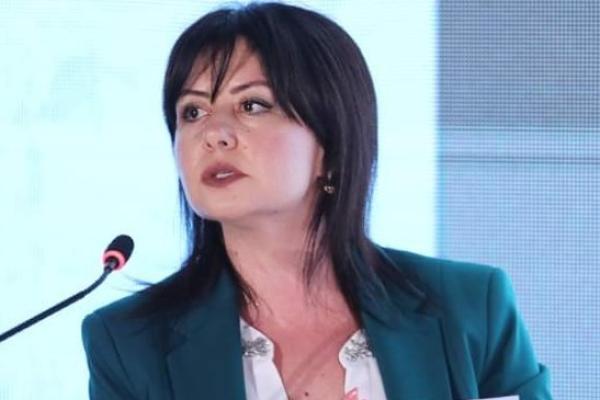
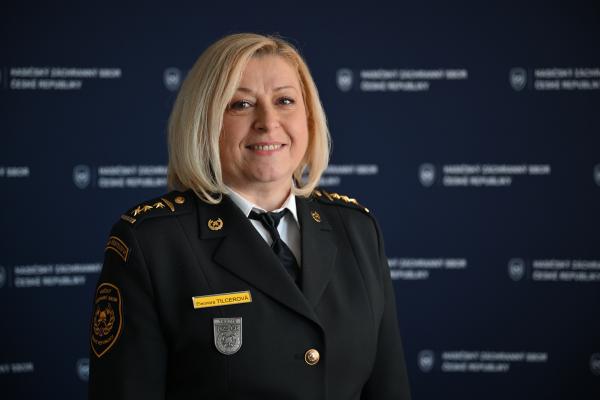
To mark this year’s International Women’s Day, the Knowledge Network spoke with four professionals working at the forefront of civil protection and disaster risk management: Colonel Zisoula Ntasiou, Chief Commander of the Attica Regional Coordination Center of the Hellenic Fire Service; Adisa Bala, Director of Disaster Risk Reduction and Prevention in Albania; Mirnesa Softic, Head of the Operational Communication Centre of the Ministry of Security of Bosnia and Herzegovina; and Colonel Eleonora Tilcerová, Director of Population Preparedness at the Fire Rescue Service of the Czech Republic.
Through their experiences, they reflect on leadership, responsibility and the evolving role of women in civil protection — from operational decision-making during emergencies and strengthening governance systems to educating communities and preparing future generations to respond to crises.
Their stories show that effective civil protection is not only about responding to disasters. It is also about building strong institutions, sharing knowledge and ensuring that the systems designed to protect communities reflect the diversity and strengths of the societies they serve.